
Imagine being a mother in a crowded urban slum, watching your child suffer from a fever, knowing the nearest hospital is hours away and a day’s wages lost if you seek care. For millions of Punjab’s most vulnerable residents, this agonizing choice between health and survival was an everyday reality—until the government brought the hospital to them.
The Clinic on Wheels program, spearheaded by Chief Minister Maryam Nawaz Sharif, has fundamentally rewritten the rules of healthcare access across Pakistan’s largest province, transforming ordinary vans into fully equipped medical units that now serve as the primary healthcare access point for communities long ignored by traditional systems. This comprehensive guide examines every facet of this groundbreaking initiative, from its operational mechanics and service portfolio to eligibility criteria, impact metrics, and future expansion plans.
Key Takeaways
- Universal Access Model: The Clinic on Wheels program operates without any eligibility barriers—no CNIC required, no income restrictions, and no registration process—ensuring that even the most marginalized populations, including homeless individuals and undocumented residents, receive free medical care.
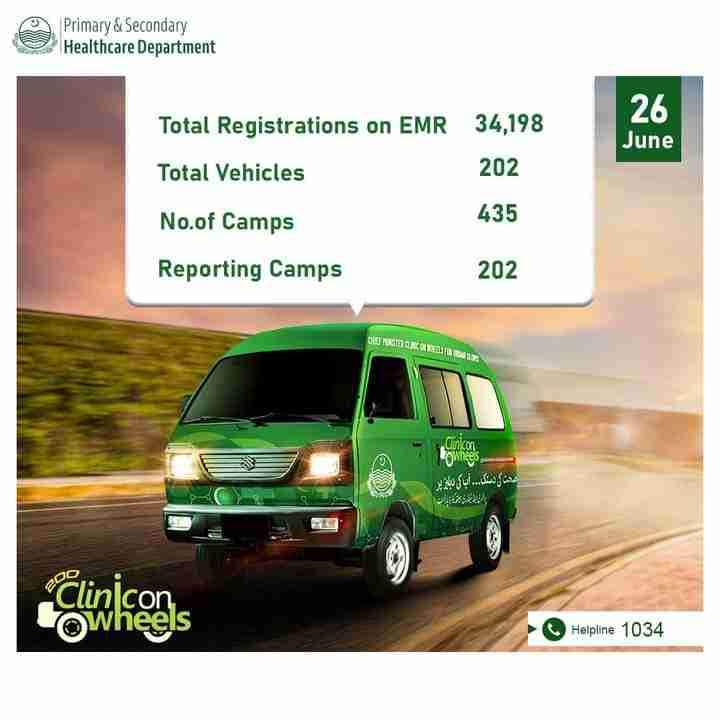
- Massive Operational Footprint: With over 1,300 mobile clinics now operating across all 36 districts of Punjab, the program has achieved what traditional brick-and-mortar facilities could not—bringing healthcare directly to the doorsteps of communities where no permanent health infrastructure exists.
- Comprehensive Service Package: Each mobile unit functions as a mini-hospital, offering doctor consultations, diagnostic tests including ultrasound and blood work, free medications for chronic conditions, immunizations, maternal healthcare, and emergency ambulance transport for pregnant women.
- Demonstrated Impact: Since its launch, the program has treated more than 22 million patients, with over 52,000 individuals now receiving care daily through the mobile clinic network, fundamentally altering healthcare-seeking behavior in underserved communities.
- Digital Integration: Real-time tracking systems, a centralized 1034 helpline, and digital patient records ensure operational efficiency, accountability, and seamless coordination between mobile units and permanent healthcare facilities.
- Read More: How To Get Rs10,000 Through Nigehban Ramadan Package
- Read More: How to Activate Ramzan Nigehban Card (& Withdraw 10000)
- Read More: Prime Minister Ramzan Package | 9999 Official Portal (For PKR 13K)
Clinic On Wheels: Free Medicines & Ambulance By CM Punjab
What Exactly Is the Clinic on Wheels Initiative and Why Was It Created?
The Clinic on Wheels program represents a paradigm shift in public healthcare delivery—a mobile hospital system where specially designed vehicles staffed by medical professionals bring comprehensive medical services directly into communities rather than requiring patients to travel to distant facilities. Launched by Punjab Chief Minister Maryam Nawaz Sharif, this initiative was born from a stark recognition: despite Punjab’s network of hospitals and basic health units, millions of residents—particularly those in urban slums and remote rural areas—remained beyond the reach of organized healthcare. Demographic surveys quantified this crisis, revealing that millions of people reside in the province’s urban slums, where less than sixty percent have meaningful access to healthcare facilities, leaving a massive population vulnerable to preventable diseases, maternal mortality, and childhood illnesses that should have been addressed decades ago. The program directly confronts this disparity by eliminating the distance barrier, recognizing that for families living hand-to-mouth, the time and cost of traveling to a hospital often proves an insurmountable obstacle to seeking care.
How Does the Program’s Scale and Evolution Reflect Its Importance?
What began as a pilot with a few hundred mobile clinics has rapidly expanded into one of the largest public healthcare outreach initiatives in Pakistan’s history. The program’s growth trajectory tells a compelling story of governmental commitment and demonstrated impact. The initial deployment featured a mix of passenger vans for transporting staff and medicines alongside ultrasound-equipped vehicles for specialized diagnostic services. By the second phase, the fleet had multiplied dramatically, with the government approving additional vehicles to meet overwhelming public demand. This expansion wasn’t arbitrary—it was driven by utilization data showing that each mobile clinic was serving far more patients than initially projected, with some units seeing over one hundred fifty patients daily in high-density areas. The program now operates across all thirty-six districts, with vehicle allocation carefully calibrated based on population density, disease burden, and existing healthcare infrastructure. Districts with larger populations or poorer health indicators receive more units, ensuring resources flow where need is greatest.
What Makes This Initiative Different from Previous Mobile Health Efforts?
Previous mobile health initiatives in Pakistan have typically been limited in scope, short-term in duration, or focused on single diseases like polio eradication. The Clinic on Wheels program breaks this pattern through its comprehensive, sustained approach. Unlike vertical programs targeting specific conditions, these mobile clinics provide holistic primary care addressing the full spectrum of community health needs. The program is also distinguished by its integration with the broader healthcare system—patients identified with serious conditions receive formal referrals to tertiary care hospitals, with follow-up mechanisms ensuring they don’t fall through cracks. Another differentiating factor is the program’s emphasis on maternal and child health as a core mission rather than an add-on service. Every mobile unit is equipped and staffed to provide antenatal care, postnatal support, and childhood immunizations, recognizing that maternal and child mortality remain among Punjab’s most pressing public health challenges. The dedicated ambulance service for pregnant women, accessible through the toll-free 1034 helpline, represents an innovation with no precedent in previous government health programs.
Comprehensive Breakdown of Services and Medical Offerings
What Medical Services Can Patients Access at a Clinic on Wheels?
Patients visiting a Clinic on Wheels encounter a service package designed to address approximately eighty percent of the health complaints that typically drive people to seek primary care. The consultation process begins with triage by a Lady Health Visitor or nurse, who assesses urgency and directs patients to appropriate services. General medical consultations with qualified doctors form the core of the program, with physicians equipped to diagnose and treat common conditions including respiratory infections, gastrointestinal disorders, skin diseases, and minor injuries. Chronic disease management represents a growing component of services, with dedicated protocols for patients with diabetes, hypertension, asthma, and other long-term conditions requiring regular monitoring and medication. The clinics provide continuity of care through patient records that track visits over time, enabling doctors to adjust treatment plans based on previous responses. For conditions beyond the scope of primary care, standardized referral pathways connect patients with specialized services at district headquarters hospitals or tertiary care centers in major cities.
Which Diagnostic Tests Are Performed at the Mobile Clinics?
The diagnostic capabilities built into each mobile clinic transform these vehicles from simple consultation points into genuine medical facilities capable of objective assessment. Basic hematology includes hemoglobin testing for anemia screening, particularly crucial for pregnant women and young children where iron deficiency can have lifelong developmental consequences. Blood glucose testing enables diabetes screening and management, with results available within minutes during the same consultation. Malaria rapid diagnostic tests allow immediate identification and treatment of this potentially fatal disease, which remains endemic in many parts of Punjab. Hepatitis B and C screening represents a public health priority, given Pakistan’s high burden of viral hepatitis and the availability of effective treatment. Urine dipstick testing helps diagnose urinary tract infections, kidney problems, and metabolic conditions. Blood pressure monitoring is universal for adult patients, with hypertension detection and management forming a key preventive health strategy. The ultrasound-equipped vehicles add another dimension, enabling obstetric scanning to monitor fetal development, abdominal imaging for organ assessment, and guided procedures when needed.
What Medications Are Available Free of Charge?
The pharmacy component of each mobile clinic stocks an essential medicines list carefully curated to address the most common health conditions encountered in community practice. Antibiotics for bacterial infections, antipyretics for fever, analgesics for pain relief, and anti-inflammatory medications form the foundation of acute care treatment. For chronic disease management, the formulary includes oral hypoglycemic agents for diabetes, multiple classes of antihypertensive medications, statins for cholesterol control, and bronchodilators for asthma patients. Cardiovascular medications including antiplatelet agents and drugs for heart failure are available for patients with established heart disease. The hepatitis treatment protocol includes direct-acting antivirals that can cure hepatitis C in the majority of patients when taken as prescribed. Pediatric formulations ensure children receive appropriate dosages, with liquid preparations and dispersible tablets designed for easy administration. Patients typically receive medications sufficient for one to two months, with clear instructions on dosing, potential side effects, and warning signs requiring urgent medical attention.
How Does the Program Support Maternal and Child Health?
Maternal and child health forms the emotional heart of the Clinic on Wheels mission, with services specifically designed to reduce Punjab’s maternal and infant mortality rates through accessible, quality care. Antenatal care includes regular checkups throughout pregnancy, monitoring weight gain, blood pressure, fetal growth, and detecting complications like pre-eclampsia or gestational diabetes before they become emergencies. Tetanus toxoid vaccination protects both mother and newborn from this deadly infection. Iron and folic acid supplementation prevents anemia and supports fetal neurological development. Postnatal care extends this support through the critical weeks after delivery, when both mother and baby remain vulnerable to complications. Breastfeeding support and counseling help new mothers overcome common challenges and establish optimal infant nutrition. The immunization program ensures children receive all vaccines according to the Expanded Program on Immunization schedule, protecting against tuberculosis, polio, diphtheria, pertussis, tetanus, hepatitis B, Haemophilus influenzae, pneumonia, measles, and other vaccine-preventable diseases. Nutritional screening identifies children at risk of malnutrition, with referral to specialized services when needed.
Operational Framework and Accessibility
How Are Clinic Locations Determined and Schedules Managed?
The process of deciding where and when mobile clinics deploy combines data-driven analysis with community input to maximize public health impact. District health authorities analyze multiple data sources including population density maps, disease surveillance reports, existing healthcare facility locations, and socioeconomic indicators to identify priority areas with the greatest need. Lady Health Workers contribute ground-level intelligence about communities lacking access, emerging health threats, and populations with special needs. The resulting deployment schedule rotates through identified locations on a fixed cycle, ensuring each priority area receives regular visits while maintaining predictability that allows patients to plan ahead. Real-time adjustments occur when disease outbreaks, natural disasters, or other emergencies create urgent needs, with the centralized coordination system able to redirect resources rapidly. The 1034 helpline provides citizens with a direct channel to inquire about schedules, request visits to specific locations, and receive updates about any changes to planned deployments.
What Are the Exact Operating Hours at Mobile Clinics?
The operating schedule for Clinic on Wheels units reflects careful consideration of both patient accessibility and staff welfare, with hours designed to maximize service delivery while maintaining quality. From Monday through Thursday and on Saturday, clinics operate from nine in the morning until three in the afternoon, providing six continuous hours of service at each location. Friday operations run from nine until one in the afternoon, accommodating the weekly congregational prayers that are central to community life. The program is closed on Sundays, providing staff with a dedicated rest day while allowing for vehicle maintenance, restocking, and administrative tasks that sustain operations throughout the week. These hours are posted prominently at each clinic location and communicated through Lady Health Workers, mosque announcements, and the 1034 helpline to ensure communities know when to attend. During extreme weather conditions—scorching summer heat or monsoon rains—local authorities may adjust operating hours to protect both patients and staff, with any changes announced through the same communication channels.
What Technology Supports Clinic Operations and Patient Tracking?
Behind the visible mobile clinics lies a sophisticated technological infrastructure that enables efficient operations, quality assurance, and continuous improvement. The Centralized Reporting and Coordination system serves as the program’s digital nerve center, tracking vehicle locations in real-time, monitoring patient volumes, and facilitating communication between field teams and district management. Each patient encounter generates digital records that follow individuals across visits, enabling continuity of care even when patients see different providers or visit different clinic locations. These records also generate aggregate data that informs program planning—identifying which conditions are most prevalent, which medications are most needed, and which communities may require additional services. The 1034 helpline integrates with this system, enabling operators to access real-time information about clinic locations, medicine availability, and specialist referrals when responding to citizen inquiries. Future plans include a mobile application that would allow citizens to track clinic locations, check medicine availability, and even book appointments, further reducing barriers to access.
Emergency Services and Specialized Care
How Does the Free Ambulance Service for Pregnant Women Function?
The 1034 ambulance service for pregnant women represents one of the program’s most life-saving innovations, addressing a critical gap in emergency obstetric care that has claimed countless maternal lives. When a pregnant woman experiences labor pains, bleeding, or other obstetric emergencies, she or her family can call the toll-free 1034 number and request transport to a hospital. The call connects to a central dispatch center that immediately identifies the nearest available ambulance and directs it to the caller’s location. A trained attendant accompanies every transport, providing basic life support, monitoring vital signs, and assisting with any deliveries that occur during transit. The ambulance is equipped with emergency delivery supplies, oxygen, and communication equipment to coordinate with receiving hospitals. Upon arrival at the designated health facility—typically the nearest Maryam Nawaz Sharif Clinic, Rural Health Centre, or Tehsil Headquarters Hospital—the attending staff are already informed and prepared to receive the patient. After delivery, the same service provides transport back home, ensuring mother and newborn complete their healthcare journey safely.
Who Qualifies for Emergency Ambulance Transport Services?
The eligibility criteria for ambulance services reflect the program’s commitment to universal access, with no bureaucratic barriers standing between pregnant women and life-saving transport. Any pregnant woman experiencing labor, complications, or needing transport for delivery qualifies automatically—there is no requirement for registration, no income threshold, and no documentation needed. Women with high-risk pregnancies identified through antenatal care at mobile clinics receive priority attention, with their information pre-registered in the dispatch system to expedite response when they call. The service extends to postnatal emergencies as well, recognizing that complications can arise in the days and weeks following delivery. Family members can call on behalf of pregnant women who may be unable to communicate due to pain or emergency circumstances. The only limitation is geographic—the service operates within the catchment areas where Clinic on Wheels programs exist, though expansion continues to extend coverage to all districts.
What Specialized Services Require Referral to Tertiary Care?
While the mobile clinics handle the vast majority of primary care needs, certain conditions and procedures require the advanced capabilities of tertiary hospitals, and the program maintains robust referral pathways for these situations. Complex surgical conditions including appendicitis, fractures requiring operative fixation, and obstructed labor all trigger immediate referral to the nearest hospital with surgical capabilities. Suspected cancers identified through screening or clinical suspicion prompt urgent referral to oncology centers for definitive diagnosis and treatment planning. Complications of chronic diseases such as diabetic ketoacidosis, hypertensive emergencies, or heart attacks require hospital-level monitoring and interventions. Advanced diagnostic procedures like CT scans, MRIs, or biopsies fall outside mobile clinic capabilities and necessitate hospital referral. The referral process includes written documentation of findings, communication with receiving facilities, and follow-up mechanisms to ensure patients actually access the services they need. For patients facing financial or transportation barriers to accessing referred care, Lady Health Workers provide support and connect families with available assistance programs.
Patient Experience and Community Impact
What Does a Typical Patient Visit to a Clinic on Wheels Look Like?
Understanding the patient journey helps illustrate how the program translates policy intentions into tangible health improvements for real people. A typical visit begins when a patient arrives at the designated clinic location, often having learned about the schedule through a Lady Health Worker’s visit or announcements at the local mosque. They join a queue managed by clinic staff who distribute numbered tokens and provide initial information about expected wait times. Upon reaching the registration point, they provide basic demographic information—name, age, and reason for visit—without any requirement for identification documents or proof of residence. The consultation with a medical officer follows, during which the doctor takes a history, performs a physical examination, and orders any necessary diagnostic tests. If tests are needed, the patient proceeds to the diagnostic area where samples are collected and processed, with results typically available within thirty to sixty minutes. The doctor reviews results, makes a diagnosis, and prescribes appropriate treatment from the on-site pharmacy. The dispenser provides medications with clear instructions on dosage and administration, while the Lady Health Visitor offers health education relevant to the patient’s condition. The entire process, from arrival to departure, typically takes one to three hours depending on patient volume and test requirements.
How Does the Program Address Cultural and Gender Sensitivities?
Healthcare delivery in conservative communities requires careful attention to cultural norms and gender preferences, and the Clinic on Wheels program incorporates multiple features designed to ensure all patients feel comfortable seeking care. Every mobile clinic includes female healthcare providers—Lady Health Visitors and often female doctors—ensuring that women who prefer female providers can access services without compromising their cultural or religious values. Separate consultation areas within the clinic provide privacy during examinations and discussions of sensitive health matters. The scheduling system considers local customs when determining clinic locations and timings, avoiding conflicts with market days, harvest seasons, or community events. Health education materials use local languages and culturally appropriate imagery to communicate effectively with diverse populations. Lady Health Workers, who come from the communities they serve, provide trusted bridges between the formal healthcare system and residents who might otherwise remain disconnected. For particularly sensitive issues like family planning or reproductive health concerns, private counseling sessions allow patients to discuss their needs confidentially with trained providers.
What Feedback Mechanisms Allow Communities to Shape Services?
The Clinic on Wheels program recognizes that sustainable healthcare improvement requires ongoing community engagement, and multiple feedback channels ensure patient voices influence service evolution. The 1034 helpline accepts not only service requests but also complaints, suggestions, and compliments, with all feedback logged and reviewed by program management. Lady Health Workers conduct regular community meetings where residents can raise concerns and propose improvements in an informal setting. Patient satisfaction surveys administered at clinics capture real-time feedback about wait times, staff behavior, medicine availability, and overall experience. Complaint resolution follows a structured process with defined timelines, ensuring issues receive attention rather than disappearing into bureaucratic oblivion. Quarterly review meetings at district level include community representatives who advocate for local needs and monitor program responsiveness. This feedback ecosystem has already driven tangible improvements—extended operating hours at high-demand locations, additional medicine stocks for commonly requested items, and adjustments to clinic siting based on community input about accessibility.
Program Performance and Measurable Outcomes
How Many Patients Have Benefited Since Program Inception?
The scale of the Clinic on Wheels impact becomes tangible through patient numbers that document millions of individual healthcare encounters. Since launch, the program has conducted more than twenty-two million patient consultations across Punjab, with each representing a person who received medical attention they might otherwise have gone without. Daily patient volume now exceeds fifty-two thousand, meaning the program touches more lives in a single day than many small hospitals serve in a month. These numbers break down into meaningful categories that reveal the program’s public health priorities—millions of women have received maternal health services, millions of children have been immunized against deadly diseases, millions of chronic disease patients have received medications that keep their conditions controlled. The geographic distribution of patients confirms the program’s success in reaching its target populations, with the highest utilization rates recorded in the urban slums and remote rural areas that motivated the initiative’s creation. Growth trajectories show no signs of plateauing, as word-of-mouth spreads and communities increasingly recognize the mobile clinics as reliable healthcare access points.
What Disease Conditions Are Most Commonly Treated?
Analysis of patient data reveals the epidemiological profile of underserved communities and confirms that the program addresses the conditions causing the greatest burden of suffering. Respiratory infections including pneumonia, bronchitis, and upper respiratory tract infections consistently rank as the most common presenting complaints, reflecting the link between poverty, overcrowded housing, and infectious disease transmission. Diarrheal diseases, particularly in children, appear frequently, highlighting ongoing challenges with water quality and sanitation in slum settlements. Skin conditions including scabies, fungal infections, and bacterial skin infections signal the impact of overcrowding and limited access to clean water for hygiene. Hypertension and diabetes diagnoses have increased dramatically as screening identifies previously undiagnosed cases, revealing the hidden burden of non-communicable disease in populations previously assumed to face only infectious threats. Musculoskeletal complaints, digestive disorders, and gynecological problems round out the top conditions, creating a clinical picture indistinguishable from that seen in permanent primary care facilities—confirming that mobile clinics can deliver the same quality of care as fixed locations.
What Evidence Demonstrates Health Outcomes Improvement?
Beyond patient counts, emerging evidence suggests the Clinic on Wheels program is producing measurable improvements in population health indicators. Antenatal care coverage in program areas has increased substantially, with more pregnant women completing the recommended four visits and receiving essential interventions like tetanus vaccination and iron supplementation. Immunization rates for children under two have climbed in communities served by mobile clinics, reducing the pool of unvaccinated children that sustains vaccine-preventable disease outbreaks. Hepatitis C diagnosis rates have surged as widespread screening identifies previously unknown cases, enabling treatment that prevents progression to cirrhosis and liver cancer. Hypertension control has improved among patients who receive regular medication refills through the program, reducing their long-term risk of heart attack and stroke. Patient satisfaction surveys consistently report high levels of approval, with respondents particularly valuing the elimination of travel costs, the respectful treatment by staff, and the availability of medicines without payment. These outcome indicators, while still emerging, paint a picture of a program that is not merely processing patients but genuinely improving health status.
Employment Opportunities and Program Operations
What Career Opportunities Does the Program Create?
The Clinic on Wheels initiative functions not only as a healthcare delivery mechanism but also as a significant employment generator, creating thousands of jobs for medical professionals across Punjab. Medical officer positions require MBBS or equivalent degrees with registration with the Pakistan Medical Commission, attracting both fresh graduates seeking community health experience and experienced physicians drawn to the program’s mission. Lady Health Visitor positions draw from the pool of diploma holders in community health nursing, providing career pathways for women from the very communities the program serves. Dispenser roles offer opportunities for pharmacy technicians and those with relevant experience in medicine management. Vaccinators with specialized training in immunization protocols ensure the program’s preventive health mission receives adequate staffing. Driver positions employ individuals with professional driving credentials who also receive training in basic vehicle maintenance and patient assistance. Support staff including cleaners, security personnel, and administrative workers round out the employment portfolio, creating economic opportunities that extend beyond clinical roles into communities.
How Does the Outsourcing Model Affect Service Delivery?
The decision to outsource vehicle management and certain operational functions represents a deliberate strategy to leverage private sector efficiency while maintaining public sector oversight and quality control. Private contractors handle vehicle procurement, maintenance, fueling, and fleet management, bringing specialized expertise that government departments may lack. This arrangement frees health department personnel to focus on clinical quality, patient care, and public health outcomes rather than vehicle logistics. Contractors are selected through competitive bidding processes with clear performance standards, including vehicle uptime requirements, response time targets, and maintenance schedules. Performance monitoring includes real-time GPS tracking, surprise inspections, and patient feedback mechanisms that hold contractors accountable for service quality. The hybrid model has proven effective in maintaining high vehicle availability while controlling costs, with contractor performance reviewed quarterly and non-performing contracts subject to termination. Critics who question outsourcing overlook the reality that government capacity in vehicle management is limited, and partnering with specialists ultimately benefits patients through more reliable service.
What Training Do Staff Receive Before Deployment?
Quality healthcare delivery depends on well-trained staff, and the Clinic on Wheels program invests significantly in preparing its workforce for the unique challenges of mobile medicine. All clinical staff undergo orientation covering program protocols, documentation requirements, and the specific workflows of mobile clinic operations. Clinical updates address evidence-based treatment guidelines, new medication protocols, and emerging disease threats relevant to the communities served. Communication skills training helps staff interact effectively with patients from diverse backgrounds, including those with limited health literacy or speaking different languages. Cultural sensitivity modules address the importance of respecting local norms, particularly around gender interactions and privacy concerns. Emergency response training prepares staff to handle medical emergencies, obstetric complications, and other urgent situations that may arise during clinic hours. Lady Health Visitors receive additional training in health education techniques, enabling them to maximize the preventive impact of every patient interaction. This comprehensive preparation ensures that patients encounter not just vehicles stocked with medicines, but healthcare professionals equipped to deliver quality care in challenging circumstances.
Comparative Analysis and Healthcare System Integration
How Do Mobile Clinics Compare to Traditional Basic Health Units?
Understanding the relationship between mobile clinics and permanent Basic Health Units illuminates how different facility types complement each other within an integrated healthcare system. BHUs provide fixed-location primary care with consistent availability, serving as the foundation of rural healthcare infrastructure where populations are stable enough to support permanent facilities. Mobile clinics extend this reach into areas where population density, geographic barriers, or infrastructure limitations make BHUs impractical, bringing services to people rather than requiring people to travel. The two facility types share clinical protocols, medicine formularies, and referral pathways, ensuring patients experience seamless care regardless of which they access. BHUs provide continuity through consistent staffing and permanent presence, while mobile clinics offer flexibility to reach multiple locations and adapt to changing population distributions. Cost comparisons favor mobile clinics in sparsely populated areas where building permanent facilities would be inefficient, while BHUs prove more economical where patient volumes justify fixed infrastructure. The ideal system, which Punjab is progressively building, includes both facility types in carefully calibrated balance based on local conditions.
What Role Do Lady Health Workers Play in Program Success?
Lady Health Workers constitute the human infrastructure that connects mobile clinics to the communities they serve, functioning as trusted intermediaries who bridge formal healthcare and local populations. These women, recruited from the communities where they work, possess intimate knowledge of local health challenges, cultural norms, and individual family circumstances that enables targeted outreach. Before mobile clinic visits, LHWs conduct community awareness campaigns, informing residents about upcoming services and encouraging attendance, particularly for preventive services like immunizations that might otherwise be overlooked. During clinic operations, LHWs assist with registration, provide language interpretation when needed, and offer reassurance to anxious patients. After clinic visits, LHWs conduct follow-up home visits for patients with chronic conditions, ensuring medication adherence and monitoring for complications. This continuity between formal healthcare encounters and daily community life dramatically improves outcomes for conditions requiring ongoing management. The trust LHWs have cultivated through years of community service proves invaluable in overcoming vaccine hesitancy, addressing sensitive health issues, and reaching populations that might otherwise remain disconnected from healthcare systems.
How Does the Program Interface with Tertiary Care Hospitals?
The relationship between mobile clinics and tertiary hospitals represents a crucial link in the healthcare chain, ensuring that patients with complex conditions receive appropriate advanced care. When mobile clinic providers identify conditions requiring specialist intervention, they initiate formal referral processes that include written documentation, communication with receiving facilities, and patient education about what to expect. For urgent conditions, direct telephone communication with emergency departments ensures receiving teams are prepared when patients arrive. The program maintains updated directories of specialist availability, hospital capacities, and referral protocols to guide decision-making about where to send patients. Follow-up mechanisms track referral completion, identifying patients who fail to access recommended care so LHWs can provide additional support. Reverse referrals from hospitals to mobile clinics enable continued management of chronic conditions after acute episodes resolve, ensuring patients don’t fall through gaps between care settings. This bidirectional flow of patients and information creates an integrated system where each component handles the cases most appropriate to its capabilities.
Challenges, Solutions, and Continuous Improvement
What Operational Challenges Does the Program Face?
Despite its demonstrated success, the Clinic on Wheels program encounters predictable operational challenges that require ongoing attention and adaptive management. Medicine supply chain reliability occasionally falters, leaving clinics temporarily unable to provide certain medications despite high patient demand. Vehicle maintenance requirements in harsh operating conditions can unexpectedly remove units from service, disrupting schedules and reducing capacity. Security concerns in certain areas require careful route planning and sometimes limit access to communities with the greatest need. Staff retention challenges emerge when demanding working conditions and limited career advancement opportunities lead trained personnel to seek positions elsewhere. Patient volume variability makes staffing and supply planning difficult, with some locations experiencing surges that overwhelm capacity while others see lighter utilization. Weather disruptions during monsoon seasons or extreme heat can force clinic closures or reduce operating hours, interrupting care for patients who planned visits. Each challenge has spawned improvement initiatives, from enhanced inventory management systems to staff retention bonuses and weather contingency protocols.
How Does the Program Address Medicine Shortages?
Medicine unavailability represents one of the most frustrating patient experiences, and the program has implemented multiple strategies to minimize stockouts and manage shortages when they occur. The essential medicines list underwent revision based on actual utilization data, removing rarely prescribed items to create space for higher-demand medications. Inventory management systems now track consumption patterns in real-time, triggering automatic reorders before stocks run critically low. Buffer stocks maintained at district level enable rapid replenishment when individual clinics face unexpected demand surges. When specific medications become unavailable despite these measures, patients receive prescriptions to obtain them from government hospitals, with LHWs providing information about the nearest stocking location. Therapeutic substitution protocols guide providers in selecting alternative medications within the same class when first-choice options are unavailable. Patient communication protocols ensure individuals receive clear explanations about shortages and practical guidance for obtaining needed medications through alternative channels.
What Quality Assurance Mechanisms Ensure Consistent Care?
Maintaining consistent quality across hundreds of mobile clinics operating in diverse environments requires robust quality assurance systems that monitor performance and drive improvement. Clinical audits review random samples of patient records to assess diagnostic accuracy, treatment appropriateness, and documentation completeness. Mystery patient visits evaluate staff behavior, waiting times, and overall patient experience from an unannounced perspective. Patient satisfaction surveys systematically collect feedback that identifies both strengths and areas needing improvement. Infection control inspections verify that sterilization procedures, waste management, and hygiene practices meet required standards. Medicine quality testing ensures that pharmaceuticals reaching patients maintain potency and safety throughout the supply chain. Performance dashboards track key indicators at clinic, district, and provincial levels, enabling rapid identification of outliers requiring intervention. Continuous medical education programs keep clinical staff updated on evolving best practices and emerging health threats.
Future Directions and Expansion Plans
How Will the Program Continue to Evolve and Expand?
The demonstrated success of the Clinic on Wheels model has generated momentum for continued expansion and enhancement, with multiple initiatives already in planning stages. Geographic expansion will extend coverage to the remaining underserved pockets within Punjab, eventually achieving truly universal access across the province. Fleet modernization will introduce newer vehicles with improved diagnostic capabilities, better patient amenities, and enhanced reliability. Service expansion will add new offerings including dental care, vision screening, and mental health counseling based on community demand and epidemiological need. Digital transformation will deploy the planned mobile application, expand telemedicine capabilities, and enhance data analytics for program optimization. Staff development initiatives will create clearer career pathways, improved compensation, and enhanced training to attract and retain the best healthcare talent. Partnerships with academic medical centers will strengthen referral pathways and bring specialist expertise to bear on complex cases identified through mobile clinics. Each evolution builds on the foundation already established, progressively realizing the vision of comprehensive, accessible healthcare for every Punjab resident.
What Innovations Might Future Phases Include?
Looking beyond current operations, the program’s leadership is exploring innovations that could dramatically enhance impact and efficiency. Artificial intelligence applications could support clinical decision-making, helping providers in challenging field conditions access expert guidance. Drone technology might eventually deliver medicines to remote clinics, solving supply chain challenges in difficult-to-reach areas. Portable diagnostic devices under development could expand testing capabilities far beyond current offerings, bringing laboratory-quality testing to the point of care. Telemedicine integration would enable mobile clinic providers to consult specialists in real-time for challenging cases, bringing tertiary expertise to primary care settings. Predictive analytics using historical data could optimize deployment scheduling, ensuring clinics are positioned where and when need will be greatest. Community health worker smartphone applications could enhance outreach, data collection, and patient follow-up. These innovations, while still conceptual, illustrate the program’s commitment to continuous improvement and willingness to leverage technology for public good.
How Might This Model Be Replicated in Other Regions?
The Clinic on Wheels model has attracted attention beyond Punjab, with other Pakistani provinces and even neighboring countries expressing interest in adaptation. Successful replication would require careful attention to contextual factors including disease burden, demographic patterns, infrastructure availability, and health system capacity. Provincial governments considering adoption would need to assess their specific underserved populations and design deployment strategies targeting greatest need. Funding mechanisms would require adaptation to local fiscal realities, with potential combinations of provincial budgets, federal support, and development partner contributions. Staff recruitment would need to tap local healthcare workforces, with training programs tailored to regional disease patterns. Technology systems would require localization to accommodate different languages, connectivity levels, and data requirements. The essential elements—mobile units bringing comprehensive primary care to underserved communities—would remain constant, but implementation details would necessarily vary with local circumstances. The Punjab experience provides a template and lessons learned, not a rigid prescription, for regions seeking to improve healthcare access through mobile service delivery.
Conclusion: The Transformative Potential of Mobile Healthcare
The Clinic on Wheels program demonstrates that meaningful healthcare transformation need not await the construction of brick-and-mortar facilities or the arrival of distant future technologies. By creatively deploying existing resources—vehicles, medicines, and dedicated healthcare workers—the Punjab government has brought quality medical care to millions who previously lacked meaningful access. The program’s success carries lessons extending far beyond its geographic scope, illustrating how patient-centered design, operational excellence, and political commitment can overcome seemingly intractable barriers to healthcare access. For residents of Punjab’s underserved communities, the arrival of a mobile clinic represents more than medical treatment—it signals recognition of their dignity, investment in their well-being, and hope for healthier futures. As the program continues to evolve and expand, it moves closer to realizing its ultimate vision: a Punjab where no mother watches her child suffer unnecessarily, where no family faces impossible choices between health and survival, and where healthcare truly reaches every doorstep.
DISCLAIMER
This article provides comprehensive information about the Clinic on Wheels program based on official government sources and public records. Service details, contact numbers, and operational information are subject to change by the Punjab government, and readers should verify current information through official channels.
FREQUENTLY ASKED QUESTIONS
What is the Clinic on Wheels program?
The Clinic on Wheels program is a mobile healthcare initiative by the Punjab government that deploys fully equipped medical vans to provide free consultations, diagnostic tests, medicines, and emergency ambulance services to underserved communities across all 36 districts of the province.
How can I find the Clinic on Wheels schedule in my area?
You can find the schedule by calling the 1034 helpline, visiting the Punjab Health Department website, contacting local Lady Health Workers, or listening for announcements at local mosques about upcoming clinic visits in your union council.
Are the medicines at the mobile clinic really free?
Yes, all medicines provided at the Clinic on Wheels are completely free with no hidden costs or fees. The program stocks essential medications for common illnesses, chronic conditions including diabetes and hypertension, and specialized medicines where available.
What are the operating hours for mobile clinics?
Clinics operate Monday through Thursday and Saturday from 9:00 a.m. to 3:00 p.m., and Friday from 9:00 a.m. to 1:00 p.m. The service is closed on Sundays.
Does the mobile clinic offer ultrasound services?
Yes, ultrasound-equipped vehicles are deployed across Punjab with one ultrasound unit for every four to five passenger medical vans. These provide obstetric ultrasounds for pregnant women and abdominal ultrasounds for diagnostic purposes.
How do I call the free ambulance service for pregnant women?
Call the toll-free helpline 1034 to request the free ambulance service for pregnant women. The service provides pickup from home, transport to the nearest appropriate hospital for delivery, and drop-off back home after childbirth.
Do I need an ID card to get treatment?
No, CNIC or any identification is not required to receive treatment at the Clinic on Wheels. The program prioritizes healthcare access for all, including homeless individuals, women without CNIC, and children.
What diagnostic tests are available at the mobile clinic?
Available tests include blood sugar for diabetes screening, Hepatitis B and C testing, hemoglobin for anemia, malaria testing, blood pressure monitoring, and urine analysis. Ultrasound services are available at dedicated vehicles.
How many mobile clinics are currently operating?
Hundreds of mobile clinics now operate across Punjab, including passenger medical vans, ultrasound-equipped vehicles, and Field Hospital Medical Units, serving tens of thousands of patients daily across all 36 districts.
Is the Clinic on Wheels available in all districts of Punjab?
Yes, the program operates in all 36 districts of Punjab, with vehicle allocation varying based on population size, health indicators, and existing healthcare infrastructure in each district.

Add a Comment