
Every year, thousands of qualified women in Pakistan decline promising job opportunities in major cities simply because they cannot find safe, secure places to live away from their hometowns. The Working Women Hostel Scheme, administered by the Women Development Department across Punjab and expanding to other provinces, directly eliminates this barrier by providing subsidized, secure accommodation with essential facilities like daycare centers. This comprehensive guide walks you through everything you need to know—from eligibility verification and the new digital application process to fee structures, living rules, and exciting expansion plans including 704 new beds in garment city hostels.
What This Guide Covers:
- Complete eligibility requirements with official criteria from the Women Development Department
- Step-by-step instructions for the new mobile app and web portal application system
- Exact fee structures including admission fees, security deposits, and monthly rent for all room types
- Comprehensive list of all operational hostels with complete addresses across 12+ districts
- Rules for children, visitors, and duration of stay with official policy references
- Latest 2026 updates including new hostel constructions and digital initiatives
Key Takeaways
- Digital Transformation Complete: The Punjab Information Technology Board has partnered with the Women Development Department to launch a dedicated mobile app and web portal, enabling working women to apply, upload documents, and track application status entirely online from home.
- Strict Three-Year Limit: Government policy limits continuous stay to three years maximum, after which residents must formally re-apply and compete with new applicants for continued accommodation.
- Priority Categories Established: Punjab Government employees receive first preference, followed by federal government employees, autonomous bodies, and private sector workers—though first-come, first-served applies within each category.
- Affordable Standardized Rates: Monthly rent ranges from Rs. 800 for triple sharing to Rs. 1,500 for single rooms, with a refundable security deposit of Rs. 5,000 and one-time non-refundable admission fee of Rs. 1,000 across all major cities.
- Children Allowed with Restrictions: Female children of any age can reside with mothers, but male children are only permitted up to 12 years of age, after which alternative arrangements must be made.
- New Expansions Underway: The government has approved construction of two dedicated hostels for women workers in Garment City, Sheikhupura, accommodating 704 women—significantly expanding capacity for industrial workers.
- Read More: Day Care Center in Lahore (List & Helpline by CM Punjab)
- Read More: Nawaz Sharif Cancer Hospital Lahore (Helpline & Key Details)
- Read More: CM Punjab Field Hospital Program (Area + Helpline)
Working Women Hostel Scheme: Eligibility, How to Apply Online
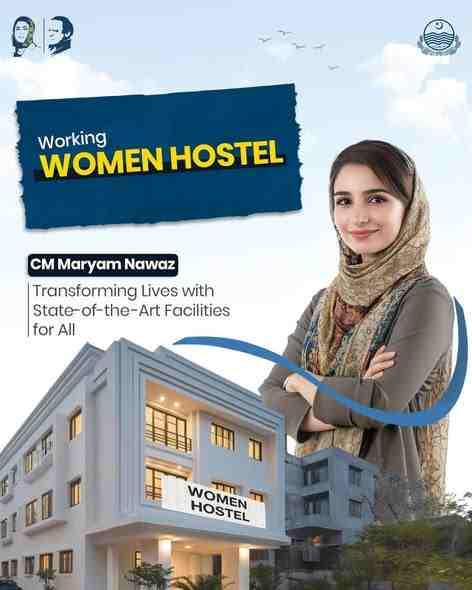
Table of Contents
Understanding the Working Women Hostel Scheme in Pakistan
The Working Women Hostel Scheme represents one of the most impactful government interventions for women’s workforce participation in Pakistan. Established and managed by the Women Development Department through its Directorate of Women Development Punjab, these hostels provide safe, secure, and economically accessible accommodation for women employed away from their permanent residences.
The fundamental problem this scheme addresses is straightforward yet profound. Countless qualified women receive job offers in cities like Lahore, Rawalpindi, Faisalabad, and Multan but must decline because they lack safe housing options. Private accommodation often proves unaffordable, unsafe, or both. Families hesitate to allow daughters and wives to work in unfamiliar cities without guaranteed security. The Working Women Hostel Scheme removes this obstacle entirely.
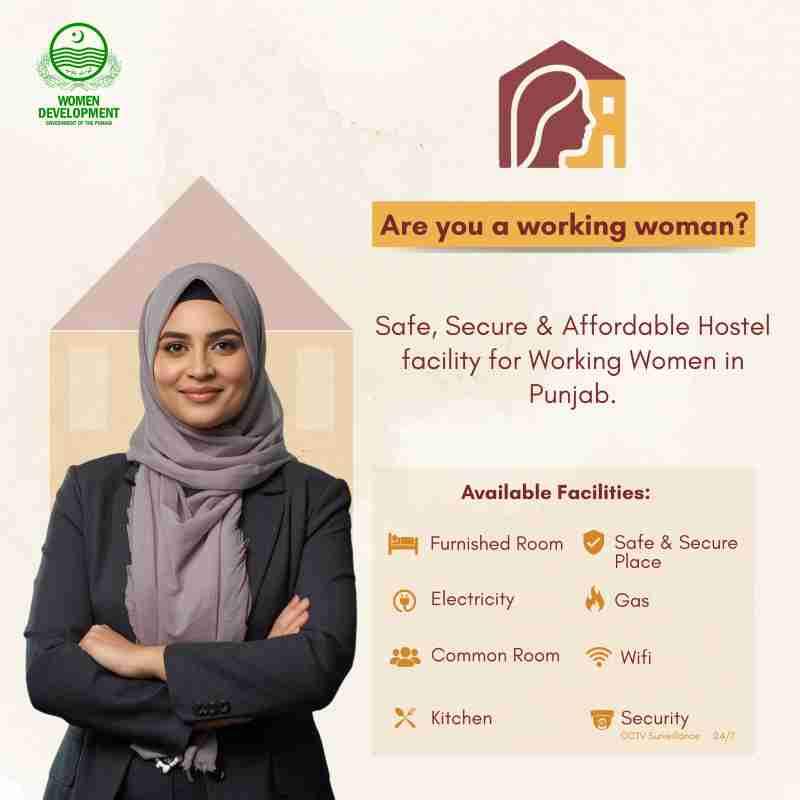
Key features that distinguish these government hostels:
- Subsidized rates significantly below market rent for comparable accommodation
- 24/7 security with female wardens and controlled access
- Strategic locations in major cities near commercial and employment centers
- Supporting facilities including daycare centers for working mothers
- Standardized rules ensuring consistency across all locations
- Government oversight with regular inspections and maintenance
The Women Development Department pursues a phased establishment strategy, aiming to eventually cover all districts of Punjab with working women hostels. Current operations span twelve districts with multiple locations in larger cities, and expansion continues through both new constructions and rehabilitation of existing facilities.
Beyond mere accommodation, these hostels function as enabling environments where women can focus entirely on their professional growth. The availability of daycare means mothers need not choose between careers and children. The secure environment gives families peace of mind. The affordable rates mean women can save and invest in their futures rather than spending excessively on housing.
Complete Eligibility Criteria: Who Can Stay in Working Women Hostels?
Official Eligibility Requirements from Women Development Department
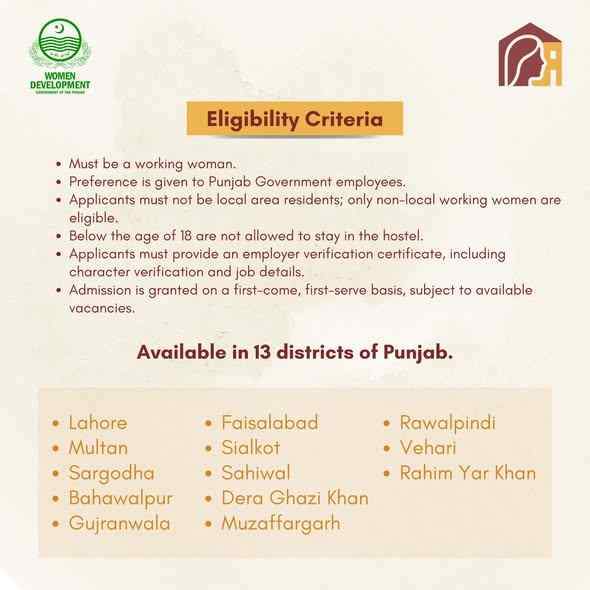
The Women Development Department has established clear, enforceable eligibility criteria that all applicants must satisfy. These requirements ensure that limited seats benefit those genuinely needing accommodation away from home.
Mandatory eligibility conditions:
- Must be a working woman in government or private sector employment
- Must not be a local resident of the district where the hostel is located
- Must be at least 18 years of age
- Must provide employer verification certificate with character verification
- Admission granted on first-come, first-served basis subject to vacancies
The non-local residency requirement deserves particular emphasis. Women holding domicile of the same district where the hostel operates cannot apply, regardless of their employment location within that district. This rule preserves seats for women genuinely displaced from their home areas.
Employment Status Requirements Explained
What constitutes acceptable employment for hostel eligibility extends beyond traditional permanent positions. The Women Development Department recognizes diverse employment arrangements common in Pakistan’s evolving workforce.
Acceptable employment categories:
- Permanent government employees at federal, provincial, or local levels
- Contract employees working for government departments
- Regular private sector employees with formal employer letters
- Self-employed professionals with business registration documents
- Freelancers demonstrating consistent income and professional standing
- Women undergoing formal job training or internships (minimum six months duration)
- Employees of autonomous and semi-autonomous bodies
Each category requires specific documentation. Government employees need departmental verification. Private sector workers need company-letterhead certificates. Self-employed women must provide business registration, tax returns, and bank statements. Freelancers should submit platform profiles, payment records, and income affidavits.
Working Women’s Hostel In Pakistan
| City | Hostel Name | Address / Location | Contact Number |
|---|---|---|---|
| Lahore | Working Women Hostel Model Town | 12-M, Model Town, Lahore | 042-35219198 |
| Lahore | Working Women Hostel Lawrence Road | Kacha Lawrence Road, Jubilee Town / near Lawrence Road, Lahore | +92 331 490 9297 |
| Lahore | Working Women Hostel DWD | Block M Commercial Area, Model Town, Lahore | +92 323 5219198 |
| Lahore | Working Women Hostel Gulshan-e-Ravi | 46-Civic Center, Gulshan-e-Ravi, Lahore | +92 323 7461915 |
| Sahiwal | Working Women Hostel Sahiwal | Kacha Noor Shah Road, Tariq Bin Zyad Colony near Govt Degree College for Women, Sahiwal | 040-4222050 |
| Rawalpindi | Working Women Hostel (Behari Colony) | Chungi #8, Behari Colony Social Welfare Complex, Muslim Town, Rawalpindi | (Check WDD Punjab site for latest) |
| Islamabad | SGA Working Women Hostel | Street No. 1, H-8/1, Islamabad | +92 334 2571948 |
| Islamabad | P.F.B.P.W. Working Women Hostel | Opp Melody Market, G-6/3, Islamabad | 051-2827504 |
| Islamabad | BPWO Girls Hostel (suitable for working women) | Islamabad (specific sector not listed in sources) | +92 331 9758212 |
| Karachi | Sawera Working Women Hostel | Karachi (exact address not specified in public listings) | (Check Facebook page or local directories) |
Age Requirements: Minimum and Maximum Limits
The Working Women Hostel Scheme establishes clear age parameters that all applicants must meet. These requirements align with legal adulthood and employment regulations.
Age requirements:
- Minimum age: 18 years completed at time of application
- Maximum age: No upper limit specified in scheme rules
- Proof required: Computerized National Identity Card (CNIC) showing date of birth
The absence of an upper age limit reflects the scheme’s inclusive philosophy. Women may need accommodation support at any career stage—fresh graduates starting first jobs, mid-career professionals transferring between cities, or senior experts approaching retirement. All receive equal consideration based on other eligibility factors.
Women below 18 cannot be accommodated under any circumstances, regardless of employment status or exceptional circumstances. This protects minors from situations requiring adult independence and decision-making.
Can Self-Employed Women and Freelancers Apply?
Self-employed women and freelancers absolutely can apply for working women hostel accommodation, though their documentation requirements exceed those for traditional employees. The scheme recognizes modern work patterns and accommodates them accordingly.
Required documentation for self-employed applicants:
- Valid CNIC with current permanent address
- Business registration certificate from SECP or relevant authority
- National Tax Number certificate and recent income tax returns
- Bank statements for preceding six months showing business income
- Professional association membership certificates where applicable
- Client contracts or agreements establishing ongoing work
- Platform profile and earnings statements for online freelancers
- Affidavit detailing nature of self-employment and income sources
The verification process for self-employed applicants takes longer because multiple documents require cross-checking. Applicants should apply well before their intended move date to accommodate this extended processing.
Freelancers working through international platforms must provide login-verified screenshots of their profiles, payment receipts, and a history of consistent earnings. Those with fluctuating income should explain their average monthly earnings and demonstrate financial sustainability.
Are Students Eligible for Working Women Hostels?
Students are explicitly not eligible for working women hostel accommodation under any circumstances. This restriction appears clearly in official Women Development Department policy documentation.
Official policy states: “No student will be accommodated in these hostels.”
The rationale behind this restriction is practical and policy-driven:
- Working women hostels receive dedicated funding for employed women
- Students have different accommodation needs and schedules
- Educational institutions operate separate hostel systems
- Social Welfare Department manages hostels for specific student categories
- Mixing student and working populations creates management complications
Women who simultaneously work and study part-time may qualify if employment constitutes their primary status. Such cases require careful documentation proving that work, not education, motivates their need for accommodation.
Income Criteria: Maximum Limits for Metropolitan and Non-Metropolitan Areas
The Working Women Hostel Scheme incorporates income filtering to ensure subsidized accommodation reaches women with genuine financial need. Different income limits apply based on city classification.
Income criteria framework:
- Metropolitan cities (Lahore, Rawalpindi, Faisalabad, Multan): Specific monthly income ceiling applies
- Non-metropolitan districts: Higher income limits generally apply
- Regular review: Limits adjusted periodically for inflation and cost changes
- Verification: Salary slips, employer certificates, and bank statements required
The exact income figures change periodically based on government notifications. Applicants should check the current limits when applying, as exceeding the prescribed ceiling results in automatic rejection.
Income verification proves particularly important because it prevents women who could afford private accommodation from occupying subsidized government seats. The scheme prioritizes those for whom housing costs would otherwise prevent workforce participation.
The Non-Local Rule: Can You Apply in Your Home City?
The non-local residency rule stands as perhaps the most frequently misunderstood eligibility requirement. Simply stated: women cannot apply for hostel accommodation in any district where they hold permanent residency.
How the non-local rule works:
- Permanent residence determined by CNIC address and domicile
- Applicants must apply in districts different from their permanent residence
- Proof of non-local status requires both CNIC and domicile documents
- Local working women explicitly “are not preferred” per official policy
- Exception cases require extraordinary circumstances and high-level approval
This rule prevents women who already have family homes in a city from occupying seats intended for those genuinely displaced. A woman from Lahore cannot apply to any Lahore hostel, even if her workplace is far from her family home. She must make private arrangements or commute.
The rule applies equally to all districts. A woman from Faisalabad cannot apply in Faisalabad. A woman from Rawalpindi cannot apply in Rawalpindi. Only women whose permanent residence lies outside the hostel’s district qualify.
Priority Categories: Who Gets Preference for Limited Seats?
When hostel seats are limited and multiple qualified applicants compete, the Women Development Department applies a clear priority system. Understanding this hierarchy helps applicants assess their chances realistically.
Official priority order:
- Punjab Government employees (highest preference)
- Federal Government employees
- Autonomous and semi-autonomous body employees
- Private sector employees
Within each priority category, the first-come, first-served principle applies. Early application within your category improves chances significantly.
Special priority categories receiving enhanced consideration:
- Widows with valid documentation
- Divorcees with certified divorce decrees
- Separated women with court orders or formal documentation
- Women with disabilities requiring accommodation support
These special categories receive priority within their employment category but do not override the basic government-employee preference. A divorced private sector applicant ranks below a married government employee in the priority order.
What Happens When Income Exceeds Limits During Stay?
The Working Women Hostel Scheme includes provisions for situations where residents’ financial circumstances improve during their stay. Transparency and timely reporting prove essential.
Required procedure for income increases:
- Resident must inform hostel warden in writing within 30 days
- Provide updated salary slips or income documentation
- Administration reviews case for continued eligibility
- Possible outcomes include continued stay at revised rates or required vacating
- Appeals permitted for exceptional circumstances
Residents who fail to report income increases risk disciplinary action including termination of stay and forfeiture of security deposit. The scheme depends on honest self-reporting to maintain fairness.
In practice, moderate income increases often result in continued accommodation but potentially at higher rent rates. Significant increases substantially above prescribed limits typically require vacating within a reasonable notice period.
Complete Step-by-Step Online Application Process
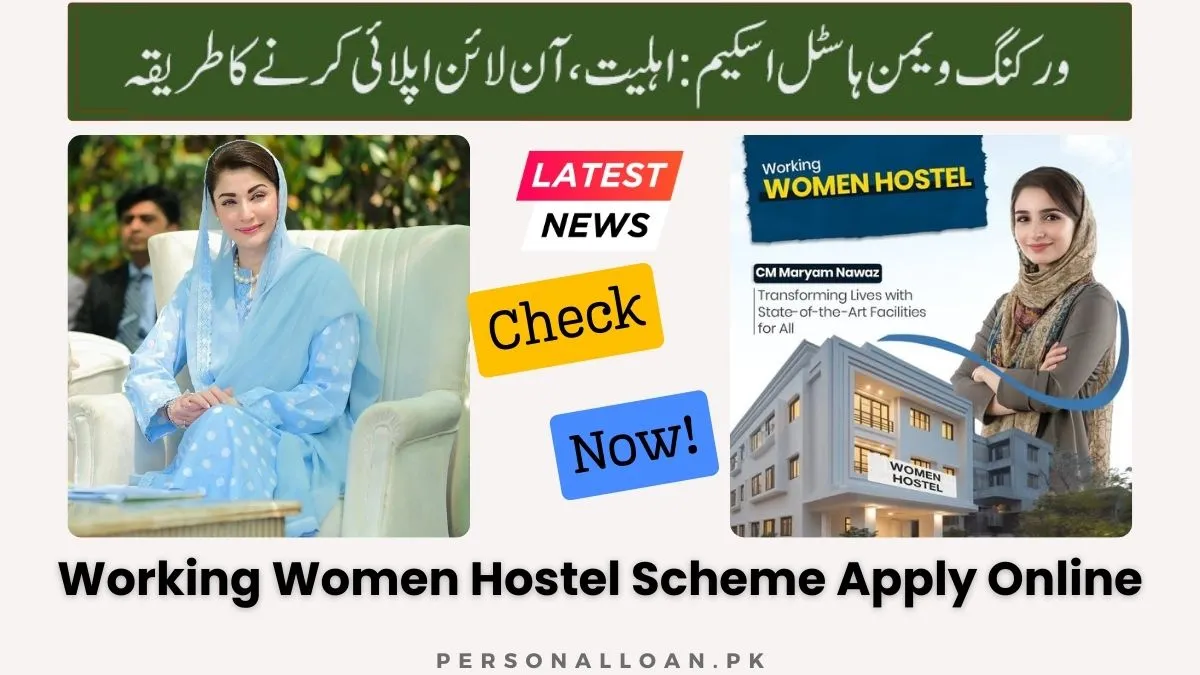
How to Apply Through the New WDD Mobile App and Web Portal
The Women Development Department, in partnership with the Punjab Information Technology Board, has launched a fully digital application system transforming how working women access hostel accommodation. This initiative represents a major step toward transparency and efficiency.
The digital transformation includes:
- Dedicated mobile application for Android and iOS devices
- Comprehensive web portal accessible from any internet-connected device
- Online application submission with real-time validation
- Digital document upload with format verification
- Automated application tracking with status updates
- Integrated payment processing for fees
- SMS and email notifications throughout the process
Secretary Women Development Department has emphasized that this digital initiative significantly simplifies the application process while assisting administration in efficiently managing hostel operations. Women can now complete entire applications from home without repeated government office visits.
Step-by-Step Application Process
The online application process follows a logical sequence designed to minimize errors and ensure complete submissions. Following each step carefully prevents delays and rejections.
Application steps:
Step 1: Portal Access
Visit the official Women Development Department website or download the mobile app from official app stores. Verify you are using the authentic government platform, not third-party imitators.
Step 2: Account Registration
Create your account using your CNIC number as username and your active mobile number for verification. The system sends an OTP code to confirm mobile ownership. Create a secure password meeting specified requirements.
Step 3: Profile Completion
Complete your profile with accurate personal information exactly matching your CNIC. Any discrepancies between profile information and uploaded documents cause automatic validation failures.
Step 4: Application Form
Fill the detailed application form with personal details, employment information, and accommodation preferences. The system validates entries in real-time, flagging incomplete or inconsistent fields.
Step 5: Document Upload
Upload scanned copies of all required documents in accepted formats (PDF, JPG, PNG) within specified size limits. Ensure all documents are clear, legible, and complete.
Step 6: Fee Payment
Pay the application processing fee through integrated payment channels including debit/credit cards, mobile wallets, or bank challan. The system generates payment receipt automatically.
Step 7: Submission Review
Review your complete application before final submission. The system displays all entered information and uploaded documents for verification. Make any corrections before submitting.
Step 8: Track Application
After submission, note your application tracking number. Use this number to monitor progress through the portal or app. Status updates appear in real-time as your application moves through processing stages.
Document Requirements for Online Application
Successful online applications depend on complete, correct documentation. Missing or incorrect documents represent the single most common reason for application rejection.
Required documents checklist:
- CNIC (front and back) – clear, legible scans
- Recent passport-sized photograph – white background, professional appearance
- Employer verification certificate – official letterhead, stamp, signature
- Domicile certificate – issued by competent authority
- Educational certificates – optional but recommended
- Last three months salary slips – for salaried employees
- Character verification certificate – from employer or local police
- Medical fitness certificate – from registered medical practitioner
- Proof of current residence – utility bill or rental agreement
For self-employed applicants, additional documents:
- Business registration certificate
- National Tax Number certificate
- Income tax returns for previous year
- Six months bank statements
- Professional association membership
- Affidavit explaining business nature
All documents must be current and valid. Expired CNIC or outdated certificates cause immediate rejection. Documents should be scanned in color where originals are colored, and black-and-white for documents originally in monochrome.
Understanding the Employer Verification Certificate
The employer verification certificate serves as the single most important document in your application. This certificate confirms your employment status and provides character verification essential for hostel security.
Required elements in employer verification certificate:
- Your full name exactly matching CNIC
- Your CNIC number for cross-verification
- Your designation and job title
- Date of joining the organization
- Workplace address (must be in hostel city)
- Confirmation of regular/permanent employment status
- Character verification statement
- Official stamp of the organization
- Signature of authorized officer with designation
- Contact details for verification purposes
The certificate must be on official letterhead. Handwritten certificates on plain paper are not accepted. The verifying officer’s contact details must be accurate, as the department routinely calls to verify authenticity.
Government employees typically obtain this certificate from their administrative officer or HR department. Private sector employees should approach their HR manager or direct supervisor. Self-employed individuals cannot provide employer certificates and must use alternative documentation.
How to Track Your Application Online
The new digital system provides unprecedented transparency in application tracking. Applicants never need wonder about their application status.
Tracking methods available:
Through web portal:
Log in to your account using CNIC and password. Navigate to “My Applications” section. View current status displayed prominently. Click for detailed stage-by-stage progress.
Through mobile app:
Open the WDD app and log in. The dashboard displays your active applications with status. Push notifications alert you to status changes.
Status indicators and meanings:
| Status | Meaning |
|---|---|
| Submitted | Application received, pending initial review |
| Under Verification | Documents being checked for authenticity |
| Shortlisted | Meets criteria, being considered for allocation |
| Waitlisted | No current vacancy, position on waiting list |
| Allotted | Seat assigned, check allotment letter |
| Rejected | Application not approved, reason provided |
SMS and email notifications:
The system automatically sends alerts at each status change to your registered mobile and email. Save these messages for reference.
Understanding Application Fees and Payment Methods
The Working Women Hostel Scheme requires certain fees at application and admission stages. Understanding these costs helps with financial planning.
Fee structure details:
Admission fee:
- Amount: Rs. 1,000
- Nature: Non-refundable, one-time payment
- Due: At time of application submission
Security deposit:
- Amount: Rs. 5,000
- Nature: Refundable at departure subject to deductions
- Due: At time of admission confirmation
Payment methods accepted:
- Debit and credit cards through secure payment gateway
- Mobile wallet payments (JazzCash, Easypaisa)
- Bank transfer to designated government account
- Bank challan for over-the-counter payment
- Direct deposit at designated bank branches
Payment receipts should be downloaded and saved. The receipt serves as proof of payment if any discrepancies arise. For online payments, the system generates receipts automatically. For bank payments, retain the bank-stamped challan copy.
Processing Time and Application Timeline
Applicants naturally wonder how long the application process takes. While processing times vary based on multiple factors, understanding typical timelines helps manage expectations.
Typical processing timeline:
- Initial review: 3-5 working days
- Document verification: 5-10 working days
- Shortlisting and allocation: 5-7 working days
- Total typical processing: 15-30 working days
Factors affecting processing speed:
- Application completeness (complete applications process faster)
- Document authenticity questions (verification delays)
- Hostel popularity (high-demand hostels take longer)
- Time of year (application surges cause delays)
- Self-employed status (additional verification required)
The portal displays estimated processing times for each hostel based on current workload. Checking this information before applying helps set realistic expectations.
What to Do If Your Application Is Rejected
Application rejection, while disappointing, does not necessarily end your chances. Understanding rejection reasons and appeal procedures helps you respond appropriately.
Common rejection reasons:
- Incomplete documentation
- Employment verification failure
- Income exceeding prescribed limits
- Permanent residence in same city
- Age below minimum requirement
- Negative character verification
- False information in application
Appeal process:
- Review rejection reason in your application dashboard
- Gather additional documents addressing the specific issue
- Submit appeal through portal within 30 days of rejection
- Write covering letter explaining why reconsideration warranted
- Upload supporting documents addressing rejection reason
- Wait for appeal review (typically 15 working days)
If appeal fails, you may reapply after three months with corrected documentation. Repeated rejections for the same issue suggest fundamental ineligibility requiring department consultation.
Complete List of Working Women Hostels Across Punjab
Lahore District Hostels
Lahore, as Punjab’s capital and largest city, hosts multiple working women hostels distributed across different areas to serve women working throughout the metropolitan area.
Working Women Hostel Gulshan-e-Ravi
- Address: 46-Civic Center, Gulshan-e-Ravi, Lahore
- Capacity: Approximately 50 residents
- Area features: Commercial hub with excellent transport access
- Nearby facilities: Banks, markets, restaurants, public transport stops
Working Women Hostel Model Town
- Address: 12-M, Model Town, Lahore
- Capacity: Approximately 40 residents
- Area features: Planned residential community, peaceful environment
- Nearby facilities: Parks, shopping centers, educational institutions
Working Women Hostel Township
- Address: House No. 598, Block III, Sector CI, Township, Lahore
- Capacity: Approximately 35 residents
- Area features: Established middle-class neighborhood
- Nearby facilities: Community centers, local markets, schools
Working Women Hostel Kacha Lawrence Road
- Address: House No. 51/3, Link Kacha Lawrence Road, Lahore
- Capacity: Approximately 30 residents
- Area features: Mixed residential and commercial area
- Nearby facilities: Basic amenities, public transport
Rawalpindi District Hostels
Rawalpindi’s strategic location adjacent to the federal capital makes its hostels particularly important for women working in both Rawalpindi and Islamabad.
Working Women Hostel Muslim Town
- Address: Chungi No. 8, Behari Colony, Social Welfare Complex, Muslim Town, Rawalpindi
- Capacity: Approximately 40 residents
- Area features: Social Welfare Complex location with shared facilities
- Nearby facilities: Multiple amenities within complex
Working Women Hostel Shamsabad
- Address: Shamsabad, Near DPS School, Rawalpindi
- Capacity: Approximately 45 residents
- Area features: Educational institutions nearby
- Nearby facilities: Schools, markets, transport hubs
Working Women Hostel Khanna Road
- Address: Khanna Road, Rawalpindi
- Capacity: Approximately 35 residents
- Area features: Recently rehabilitated with improved facilities
- Nearby facilities: Basic amenities, local transport
Faisalabad District Hostel
Working Women Hostel Faisalabad
- Address: 508-D, Social Welfare Complex, D-Ground, Faisalabad
- Capacity: Approximately 50 residents
- Area features: Central location in industrial city
- Nearby facilities: Social Welfare Complex amenities, commercial areas
- Recent updates: Rehabilitation work completed upgrading facilities
Multan District Hostel
Working Women Hostel Multan
- Address: MDA Road, Multan
- Capacity: Approximately 40 residents
- Area features: Southern Punjab’s commercial hub
- Nearby facilities: City center access, transport links
- Recent updates: Rehabilitation completed with infrastructure improvements
Gujranwala District Hostel
Working Women Hostel Gujranwala
- Address: Jinnah Road, Near Underpass, Gujranwala
- Capacity: Approximately 35 residents
- Area features: Central city location
- Recent updates: Complete reconstruction with modern facilities
Bahawalpur District Hostel
Working Women Hostel Bahawalpur
- Address: Library Chowk, Near Boby Plaza, Sanatzar, Bahawalpur
- Capacity: Approximately 30 residents
- Area features: Historic city location
- Recent updates: Rehabilitation work completed
Dera Ghazi Khan District Hostel
Working Women Hostel Dera Ghazi Khan
- Address: Social Welfare Complex, Jail Road, Dera Ghazi Khan
- Capacity: Approximately 30 residents
- Area features: Southern Punjab district headquarters
- Recent updates: Rehabilitation work completed
Muzaffargarh District Hostel
Working Women Hostel Muzaffargarh
- Address: House No. 3, Street No. 1, Mohallah Dosay wala, Alipur Road, Opposite Fiaz Park, Muzaffargarh
- Capacity: Approximately 25 residents
- Area features: Purpose-built facility
- Status: Construction completed, fully operational
Rahim Yar Khan District Hostel
Working Women Hostel Rahim Yar Khan
- Address: House No. 1, Street No. 4, Madina Town, Rahim Yar Khan
- Capacity: Approximately 25 residents
- Area features: Purpose-built in planned area
- Status: Construction completed, fully operational
Sahiwal District Hostel
Working Women Hostel Sahiwal
- Address: Noor Shah Kacha Lawrence Road, Tariq Bin Zaid Colony, Near Govt. Degree College of Women, Sahiwal
- Capacity: Approximately 30 residents
- Area features: Near women’s college, educational atmosphere
- Recent updates: Rehabilitation completed
Sargodha District Hostel
Working Women Hostel Sargodha
- Address: 98-A, Near Punjab College For Boys, Satellite Town, Sargodha
- Capacity: Approximately 30 residents
- Area features: Planned Satellite Town location
- Recent updates: Rehabilitation completed
Vehari District Hostel
Working Women Hostel Vehari
- Address: House No. 404, 405, Allama Iqbal Block, Tariq Bin Zaid Colony, Vehari
- Capacity: Approximately 25 residents
- Area features: Purpose-built facility in planned colony
- Status: New construction, modern amenities
Major Expansion: Garment City Hostels for Women Workers
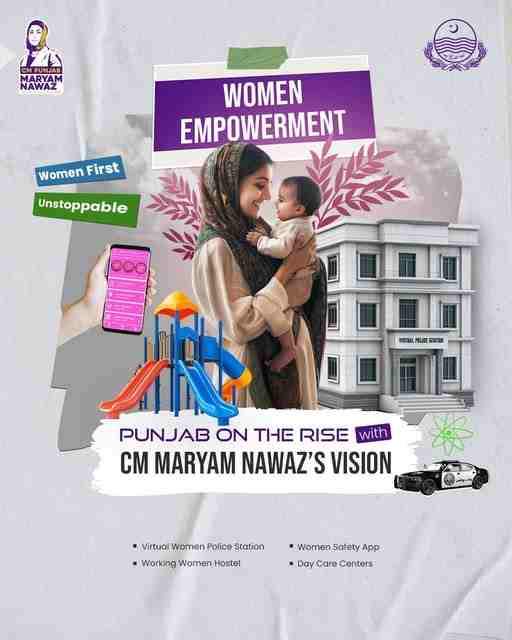
The Punjab government has approved a significant expansion of women’s accommodation specifically targeting industrial workers. Chief Minister Maryam Nawaz announced this initiative as part of broader labor welfare reforms.
Garment City hostel project details:
- Location: Sheikhupura, near Lahore
- Total capacity: 704 women workers
- Number of hostels: Two dedicated facilities
- Target population: Women employed in garment manufacturing
- Status: Approved, under development
- Significance: First major industrial-sector focused accommodation
This expansion recognizes that women workers in manufacturing face similar accommodation challenges as office workers. The Garment City hostels will provide safe, affordable housing specifically designed for industrial workers’ schedules and needs.
Future Expansion Plans
The Women Development Department continues pursuing phased expansion to eventually cover all Punjab districts with working women hostels.
Districts targeted for future hostels:
- Sialkot (under construction)
- Jhang (planning stage)
- Okara (feasibility study completed)
- Additional districts based on demand assessment
New construction projects:
- Multi-Purpose Complex Jubilee Town Lahore (includes hostel accommodation)
- Women Development Office Complex Sabzazar Lahore (includes residential facilities)
- Various rehabilitation projects upgrading existing hostels
Complete Fee Structure and Financial Details
Standardized Fee Structure Across Major Cities
The Women Development Department has established standardized fee structures applicable across all working women hostels. These rates ensure consistency and predictability for applicants regardless of location.
Fee structure for Lahore, Faisalabad, Rawalpindi, and Multan:
| Fee Type | Existing Rate | Current Rate |
|---|---|---|
| Admission fee (non-refundable) | Rs. 1,000 | Rs. 1,000 |
| Security deposit (refundable) | Rs. 3,000 | Rs. 5,000 |
| Monthly rent – single seated room | Rs. 1,500 | Rs. 1,500 |
| Monthly rent – two seated room (per person) | Rs. 1,000 | Rs. 1,000 |
| Monthly rent – three/four seated room (per person) | Rs. 800 | Rs. 800 |
| Female guest charges (per day) | Rs. 100 | Rs. 100 |
Key observations:
- Admission fee unchanged at Rs. 1,000
- Security deposit increased from Rs. 3,000 to Rs. 5,000
- Monthly rent rates remain stable across all room types
- Guest charges unchanged at Rs. 100 per day
The increased security deposit better protects against potential damages while remaining fully refundable for residents leaving in good standing.
Understanding What Fees Cover
Clarity about what your fees include helps avoid misunderstandings and unexpected expenses.
Admission fee covers:
- Application processing
- Document verification
- Administrative setup
- Non-refundable administrative charge
Security deposit covers:
- Potential damages beyond normal wear
- Outstanding dues at departure
- Missing inventory items
- Fully refundable if no deductions apply
Monthly rent covers:
- Basic room accommodation
- Use of common areas and facilities
- Security services
- Basic maintenance
- Water and basic utilities
Utilities not included in rent:
- Electricity consumption (billed separately based on usage)
- Sui gas where applicable
- Telephone charges
- Internet connection (may be available for nominal fee)
- Optional services (mess, laundry)
Residents should budget for utility charges in addition to monthly rent. These charges vary based on consumption and seasonal factors.
Optional Services and Their Costs
Working women hostels offer optional services that residents may choose based on individual preferences and needs.
Mess facility:
- Cooperative arrangement among residents
- Monthly charges: Rs. 2,500 to Rs. 3,500 depending on menu
- Residents can opt in or out monthly
- Special dietary needs accommodated with notice
- Meal timing coordinated with work schedules
Laundry services:
- Shared washing machines and dryers
- Nominal per-use charges or monthly subscription
- Ironing facilities available
- External laundry services permitted
Daycare services:
- Trained childcare staff during working hours
- Safe play area with age-appropriate equipment
- Feeding and napping arrangements
- Monthly charges: Rs. 1,000 to Rs. 2,000 based on child’s age and care hours
- Supported by Punjab Day Care Fund Society
Guest accommodation:
- Female guests permitted for maximum two days per month
- Charges: Rs. 100 per day
- Prior intimation to warden required
- Guest registration mandatory
Payment Procedures and Deadlines
Timely payment of all dues maintains good standing and avoids disciplinary action. Understanding payment procedures helps residents stay compliant.
Monthly rent payment:
- Due by 5th of each month
- Payment to designated account or warden’s office
- Late payment penalties as specified in hostel rules
- Receipt must be obtained and retained
Security deposit payment:
- One-time payment at admission
- Bank draft or online transfer to designated account
- Receipt crucial for future refund
- Retain until departure clearance obtained
Utility bill payments:
- Calculated based on actual consumption
- Usually billed monthly or quarterly
- Separate payment from rent
- Must be cleared before departure
Payment methods accepted:
- Direct bank deposit to designated accounts
- Online transfers through banking apps
- Mobile wallet payments where enabled
- Cash payments against official receipts (limited circumstances)
Living Rules, Regulations, and Code of Conduct
Official Admission Procedure Requirements
The Women Development Department has established a formal admission procedure that all applicants must complete. Understanding this procedure helps ensure smooth admission.
Official admission procedure steps:
Step 1: Written Application
Every working woman desiring admission must apply in writing on the prescribed form. The form must include:
- Personal details and contact information
- Employment verification and antecedents declaration
- Character verification from employer
- Information regarding pay, job posting, and duty timings
- Verified copy of CNIC and permanent address
- Three references with their CNIC numbers, contact numbers, and addresses
Step 2: Document Submission
Complete documentation package submitted with application:
- Employer verification certificate (annually for government employees)
- Updated verification every six months for non-government employees
- CNIC copies and reference details
Step 3: Application Processing
Applications processed on first-come, first-serve basis subject to:
- Preference for Punjab Government employees
- Vacancy availability at requested hostel
- Complete documentation
- Eligibility verification
Step 4: Admission Decision
Successful applicants receive allotment letters specifying:
- Room assignment
- Reporting date
- Fee payment deadline
- Contact information for hostel warden
Duration of Stay Policy
The Working Women Hostel Scheme operates on a fixed duration model designed to ensure fair rotation of limited seats.
Duration rules:
- Maximum continuous stay: Three years
- After three years: Must apply for re-admission
- Re-admission not guaranteed
- Subject to vacancy and renewed eligibility
Important timing considerations:
- Three-year period counted from initial admission date
- No automatic renewal or extension
- Apply for re-admission 2-3 months before stay ends
- Plan alternative accommodation while awaiting decision
Policy applies to:
- All current residents regardless of admission date
- Previous residents seeking re-admission
- Those who have already completed three years
Children Accommodation Rules
The presence of children in working women hostels requires specific rules balancing mothers’ needs with overall hostel management.
Official children policy:
- Children not automatically allowed to stay
- Working women below 18 years not eligible for admission
- Specific provisions for residents with children must be verified at admission
Age limits for children:
- Female children: No upper age limit specified
- Male children: Permitted only up to 12 years
- After 12 years: Alternative arrangements required
Documentation required for children:
- Birth certificate or B-form
- Guardian/custody papers if applicable
- School enrollment proof for school-age children
- Medical records for health tracking
Mothers with children approaching the male child age limit should plan transition arrangements well in advance. The hostel administration typically provides reasonable notice but cannot extend beyond policy limits.
Visitor and Guest Policies
Working women hostels maintain strict visitor policies to ensure all residents’ safety and privacy.
Male visitors policy:
- Strictly prohibited from entering hostel rooms
- May meet residents only in designated common room
- Prior intimation to warden required
- Must provide identification and sign visitor register
- Meeting duration typically limited
- No male visitors after sunset
Female visitors policy:
- Welcome but must follow procedures
- Prior information to warden appreciated
- Registration at reception with identification
- Overnight stays require advance permission
- Maximum stay: Two days per month
- Charges: Rs. 100 per day
Family visitors:
- Fathers, brothers, husbands allowed with prior permission
- Must be accompanied by resident at all times
- Identification and relationship proof required
- Still restricted to common areas
Residents bear full responsibility for their visitors’ conduct. Any issues caused by visitors may affect the resident’s standing and continued stay.
Security and Entry-Exit Procedures
Comprehensive security measures protect all residents while maintaining necessary flexibility for working women’s schedules.
Standard security features:
- 24/7 security staff at entrance
- CCTV surveillance in common areas
- Restricted entry with registration
- Female wardens on duty
- Emergency response protocols
- Regular security audits
Entry-exit procedures:
- Sign in/out register maintained at entrance
- Record time of departure and return
- Destination noted for emergency contact
- Expected return time recorded
Timing guidelines:
- Standard closing: 10:00 PM or 11:00 PM (varies by hostel)
- Morning opening: 5:00 AM or 6:00 AM
- Late returns require prior warden permission
- Night shift workers: Special arrangements available
Night shift provisions:
- Adjusted timings with employer certification
- Enhanced security during late hours
- Transport arrangements verification
- Quiet daytime accommodations
Code of Conduct and Disciplinary Actions
Clear behavioral expectations maintain harmonious living environments. Understanding these expectations helps residents avoid disciplinary issues.
Prohibited activities:
- Physical violence or threats
- Theft or property damage
- Drug or alcohol use on premises
- Allowing unauthorized persons into rooms
- Cooking inside rooms (fire safety hazard)
- Disturbing other residents
- Repeated rule violations
Disciplinary procedure:
- First minor violation: Verbal warning and counseling
- Second violation: Written warning with employer copy
- Serious violations: Show cause notice requiring explanation
- Major violations: Immediate termination of stay
- Criminal matters: Police involvement as appropriate
Termination consequences:
- Immediate loss of accommodation
- Forfeiture of security deposit
- Possible bar from future applications
- Report to employer in serious cases
Grievance and Complaint Procedures
The Women Development Department has established formal mechanisms for residents to register complaints and seek resolution.
Complaint filing methods:
- Through WDD mobile app complaint section
- Via web portal grievance form
- Written complaint to hostel warden
- Direct contact with Women Development Department
Complaint categories addressed:
- Maintenance issues
- Security concerns
- Staff conduct
- Resident disputes
- Facility problems
- Administrative matters
Resolution timeline:
- Acknowledgment within 48 hours
- Investigation initiated promptly
- Resolution communicated to complainant
- Escalation available for unresolved issues
Support Services and Facilities
Daycare Centers for Working Mothers
The Punjab Day Care Fund Society, operating under the Women Development Department, supports daycare centers that enable mothers to work while ensuring quality care for their children.
Daycare services provided:
- Safe supervision during working hours
- Age-appropriate educational activities
- Nutritious meals and snacks
- Rest and nap arrangements
- Basic first aid and emergency protocols
- School pickup/drop for older children where available
Eligibility for daycare:
- Children of working women residents
- Priority for younger children
- Nominal monthly charges apply
- Registration required in advance
Quality standards:
- Trained childcare staff
- Appropriate child-staff ratios
- Safe, child-friendly environment
- Regular inspections
- Compliance with PDCF Society guidelines
Helpline and Emergency Services
The Women Development Department operates dedicated helpline services for women requiring assistance or information.
Women Helpline: 1043
- Available for women-related issues
- Information about departmental services
- Guidance on application procedures
- Complaint registration
- Emergency assistance coordination
Emergency procedures:
- Fire evacuation plans posted prominently
- Regular drills conducted
- Emergency contact numbers displayed
- First aid kits available
- Medical emergency protocols established
Skills Development and Awareness Programs
Beyond accommodation, the Women Development Department conducts programs supporting women’s professional and personal development.
Program offerings:
- Skills training workshops
- Seminars on gender issues
- Awareness campaigns on women’s rights
- Career counseling sessions
- Legal literacy programs
Integration with women with disabilities:
- Data collection on women with disabilities
- Consultative sessions with stakeholders
- Skills development module creation
- Accessibility improvements in facilities
- Enabling environment development
Recent Developments and Future Outlook
Digital Transformation Partnership with PITB
The Memorandum of Understanding signed between Punjab Information Technology Board and Women Development Department marks a significant milestone in service delivery modernization.
Digital initiative components:
- Dedicated mobile application for working women hostels
- Comprehensive web portal for applications and management
- Online application submission from home
- Digital processing, approval, and tracking
- Enhanced transparency and accountability
- Efficient administration and management
Benefits for working women:
- No repeated office visits required
- Real-time application status visibility
- Paperless documentation where possible
- Faster processing through automation
- Convenient payment options
- SMS and email notifications
New Construction and Rehabilitation Projects
The Women Development Department continues investing in infrastructure expansion and improvement across Punjab.
Recent and ongoing projects:
- Construction of Multi-Purpose Complex, Jubilee Town, Lahore (includes hostel accommodation)
- Women Development Office Complex, Sabzazar, Lahore (includes residential facilities)
- Reconstruction of Working Women Hostel, Gujranwala
- Rehabilitation of multiple hostels across all districts
- Provision of missing facilities at 16 working women hostels
Rehabilitation projects completed or underway:
- Working Women Hostel Khanna Road, Rawalpindi
- Working Women Hostel Shamsabad, Rawalpindi
- Working Women Hostel Sargodha
- Working Women Hostel Faisalabad
- Working Women Hostel Gulshan-e-Ravi, Lahore
- Working Women Hostel Sahiwal
- Working Women Hostel Multan
- Working Women Hostel Dera Ghazi Khan
- Working Women Hostel Bahawalpur
Women Facilitation Desks and Safety Initiatives
Beyond hostels, the government has established complementary safety initiatives benefiting women across Pakistan.
Women facilitation desks at police stations:
- Dedicated desks providing safe, supportive environment
- Trained female staff for gender-sensitive service
- Confidential reporting mechanisms
- Digital systems for efficient processing
- Joint patrolling by male and female officers
Safe City Islamabad initiatives:
- Digital records of hostels, hotels, and guest houses
- Software systems for enhanced security monitoring
- Integration with law enforcement databases
- Real-time information access for authorized personnel
Frequently Asked Questions
Who exactly is eligible for working women hostel accommodation?
Eligible applicants must be working women aged 18 or above who are not residents of the district where the hostel is located. They must provide employer verification with character verification. Preference goes to Punjab Government employees, but private sector workers, self-employed women, and freelancers can apply with appropriate documentation. Students are explicitly not eligible.
What documents do I need to apply?
Required documents include CNIC, employer verification certificate, passport photographs, domicile certificate, last three months salary slips, character verification certificate, and medical fitness certificate. Self-employed applicants need additional business registration and income proof.
How much does hostel accommodation cost?
Monthly rent ranges from Rs. 800 for triple sharing to Rs. 1,500 for single rooms. A refundable security deposit of Rs. 5,000 and one-time non-refundable admission fee of Rs. 1,000 apply. Utilities like electricity are billed separately. Optional mess and daycare services cost extra.
How long can I stay in a working women hostel?
Maximum continuous stay is three years. After completing three years, you must apply for re-admission and compete with new applicants. Extensions beyond three years require exceptional circumstances and high-level approval.
Can I bring my children to live with me?
Female children of any age may stay. Male children are permitted only up to 12 years of age. Daycare facilities are available for young children at nominal monthly charges. Proper documentation including birth certificates is required.
How do I apply online?
Download the Women Development Department mobile app or visit their official website. Register using your CNIC and mobile number, complete the application form, upload required documents, pay the fee, and submit. Track your application status through the same platform.
What happens if my application is rejected?
Review the rejection reason in your dashboard. You can appeal within 30 days with additional documentation addressing the specific issue. If appeal fails, you may reapply after three months with corrected documentation.
Are male visitors allowed?
Male visitors are strictly prohibited from entering hostel rooms. They may meet residents only in designated common areas with prior intimation, identification, and registration. No male visitors are permitted after sunset.
What facilities do hostels provide?
Rooms come with bed, study table, chair, and wardrobe. Common areas include bathrooms, lounge, dining hall, and kitchen. Larger hostels offer libraries, gym equipment, and multipurpose halls. Daycare centers support working mothers.
Is there a helpline for complaints or information?
Yes, the Women Helpline 1043 operates for women-related issues, including hostel information and complaint registration. You can also use the mobile app or web portal grievance system.
Conclusion
The Working Women Hostel Scheme represents a transformative intervention in Pakistan’s women workforce participation landscape. By removing the fundamental barrier of safe, affordable accommodation, these hostels enable thousands of women to pursue career opportunities away from their hometowns with dignity and peace of mind.
The recent digital transformation through the PITB partnership makes applying easier than ever. Women can now complete entire applications from home, track progress in real-time, and receive instant notifications—eliminating the uncertainty and inconvenience of traditional paper-based processes.
With standardized fees across major cities, clear eligibility criteria, and consistent rules, the scheme provides predictability and transparency. The three-year maximum stay ensures fair rotation of limited seats while giving residents adequate time to establish themselves professionally and transition to independent living when ready.
Expansion projects including the Garment City hostels for 704 women workers demonstrate government commitment to reaching women across all employment sectors—from office workers to industrial laborers. Every woman deserves safe accommodation that enables her to contribute her talents to Pakistan’s economy and society.
If you are a working woman facing accommodation challenges away from home, the Working Women Hostel Scheme likely offers the solution you need. Check your eligibility, gather your documents, and apply through the new digital platform today. Safe, affordable, dignified accommodation awaits.

Add a Comment