CM-Punjab-Maryam-Nawaz-Gobar-Tax

Gobar Tax (By CM Punjab Rs 30 Per Day) | Cow Buffalo Dung Tax
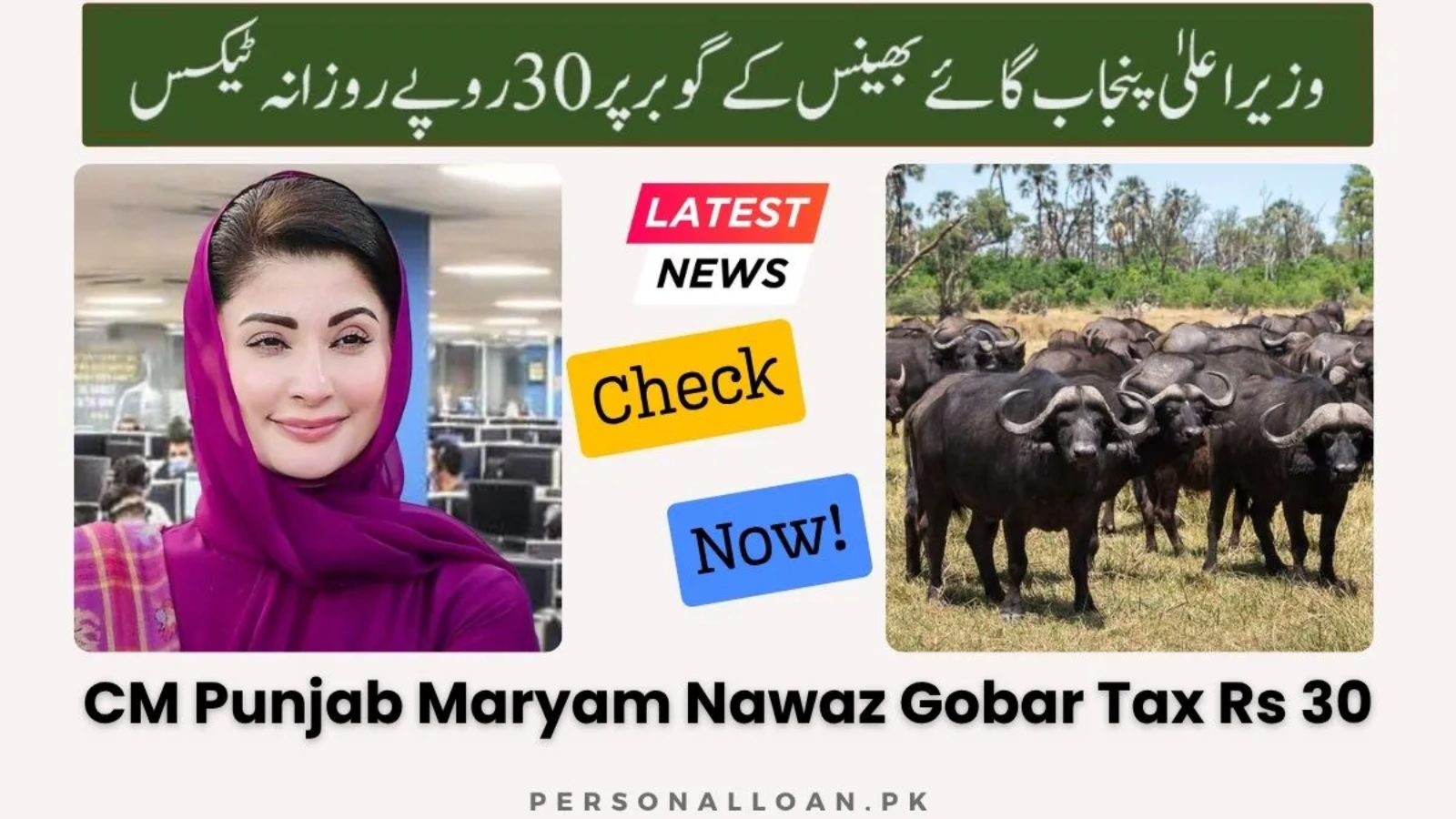
The Punjab government has reportedly imposed a daily levy of PKR 30 on every cow and buffalo across 168 designated cattle colonies, a measure colloquially known as the “Gobar Tax” or dung tax. This fee, part of the Suthra Punjab Biogas Programme, is framed as a service charge for organised waste collection to address severe sanitation issues and produce renewable energy. This comprehensive guide examines the policy from a health and environmental perspective, covering who pays, which areas are affected, exemptions for rural villages, biogas benefits, and farmer concerns.

What You Will Learn From This Guide:

  • Health hazards of untreated animal waste in cattle colonies
  • How the Gobar Tax supports biogas production and clean energy
  • Exact payment rules, penalties, and compliance requirements
  • Complete list of affected districts and cattle colonies
  • Exemptions for small farmers and rural villages
  • Farmer protests, economic impact, and policy alternatives

Key Takeaways

  • Daily Rs 30 Levy: The Gobar Tax is a PKR 30 per day fee on every cow and buffalo in 168 designated cattle colonies across Punjab, officially framed as a service fee for waste collection rather than a traditional tax.
  • Health and Environmental Crisis: Untreated animal waste in cattle colonies causes water contamination, air pollution, methane emissions, and spreads diseases like diarrhoea and respiratory infections.
  • Biogas and Clean Energy: Collected dung will be processed at biogas plants, including a pilot facility already producing 85 kg of CNG daily, with plans for a 50 MW waste-to-energy plant.
  • Rural Exemption: Small villages and households with only 2–3 cows are generally exempt, as the policy specifically targets formalised urban dairy colonies.
  • Farmer Financial Burden: With annual costs approaching PKR 11,000 per animal, dairy farmers face significant pressure during record-high fodder prices and inflation.

Gobar Tax (By CM Punjab Rs 30 Per Day) | Cow Buffalo Dung Tax

CM-Punjab-Maryam-Nawaz-Gobar-Tax

Table of Contents

What Exactly Is the Gobar Tax? A Health and Environmental Perspective

The Gobar Tax is a daily service charge of PKR 30 per cow and buffalo, officially designed to address the severe public health and environmental crisis caused by untreated animal waste in Punjab’s cattle colonies. The Punjab government has decided to impose this daily fee across 168 designated “Gwala” colonies, including major areas in Lahore, as part of the Suthra Punjab Biogas Programme.

From a healthcare standpoint, the rationale behind this levy is rooted in the massive biohazard generated by approximately 5 million buffaloes housed in these colonies. Open dumping of dung creates multiple health risks:

  • Water contamination: Runoff from manure piles seeps into groundwater and surface water, contaminating drinking water sources with pathogens including E. coli and Salmonella
  • Air pollution: Decomposing manure releases ammonia, hydrogen sulfide, and methane, causing respiratory irritation and contributing to greenhouse gas emissions
  • Vector-borne diseases: Manure piles serve as breeding grounds for flies, mosquitoes, and rodents that transmit diseases such as typhoid, cholera, and leptospirosis
  • Drainage blockages: Solid waste clogs urban drainage systems, leading to standing water that becomes a breeding ground for malaria-carrying mosquitoes

The government frames the fee as a service charge rather than a traditional tax. Officials argue that if you own a buffalo, you generate a bio-hazard, and the state now offers a solution for a small fee.

How does this compare to the health impact of proper waste management? Proper dung collection and processing can reduce diarrhoeal diseases by up to 40 percent in communities living near cattle colonies, while biogas combustion produces 70 percent less indoor air pollution than traditional dung cake burning.

Who Announced the Gobar Tax? The Role of CM Maryam Nawaz Sharif

Chief Minister Maryam Nawaz Sharif’s administration is implementing the Gobar Tax as a cornerstone of the Suthra Punjab cleanliness and green energy agenda. The Maryam Nawaz-led government frames the move as a green energy initiative under the ‘Suthra Punjab’ (Clean Punjab) Biogas Programme, though critics view it as a sign of fiscal desperation.

Key leadership and administrative details:

  • Primary authority: Chief Minister Maryam Nawaz Sharif leads the Punjab government
  • Implementing body: Local Government department of Punjab
  • Legal basis: The Punjab Local Governments (Taxation) Rules provide framework for local government taxation
  • Programme umbrella: The tax falls under the “Shandar Suthra Punjab – Waste to Value” project
  • Official denial contradiction: A Punjab Minister has denied rumors of the dung tax, stating reports about charging Rs 30 per buffalo per day as dung tax are baseless and untrue

This contradiction between government denial and media reports of active collection creates significant confusion for livestock owners trying to understand their obligations. The Minister for Local Government has stepped forward to clarify that this isn’t just a revenue grab but a structured plan for renewable energy.

What should farmers believe – the denial or the collection reports? Given that major news outlets report collection has already commenced in Harbanspura and Gujjarpura colonies, farmers in those areas should prepare for compliance while seeking official written confirmation from their local Collecting Officer.

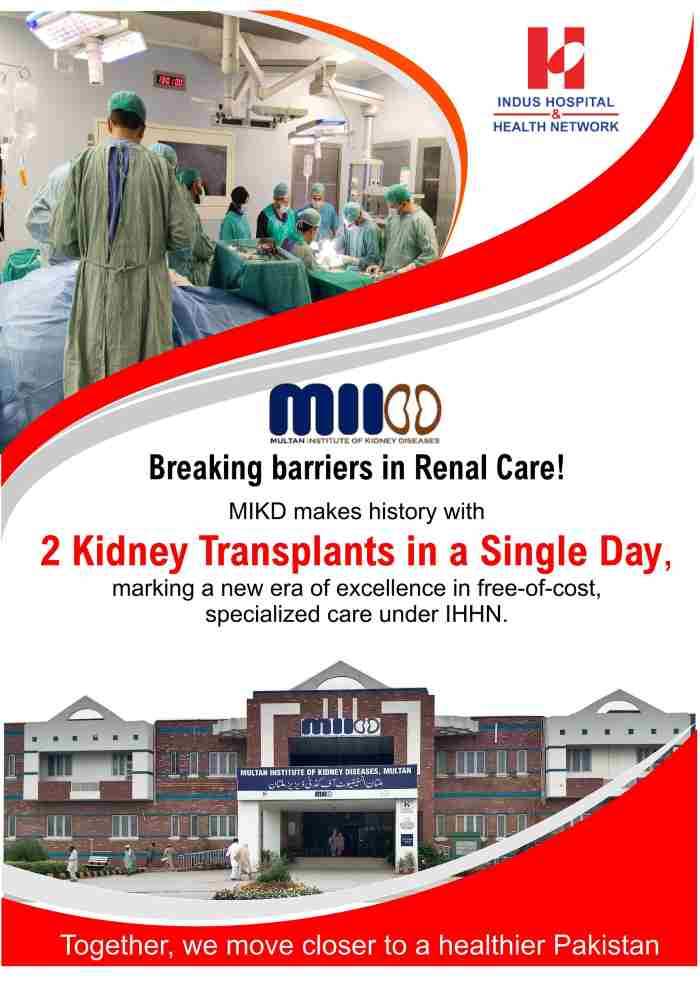
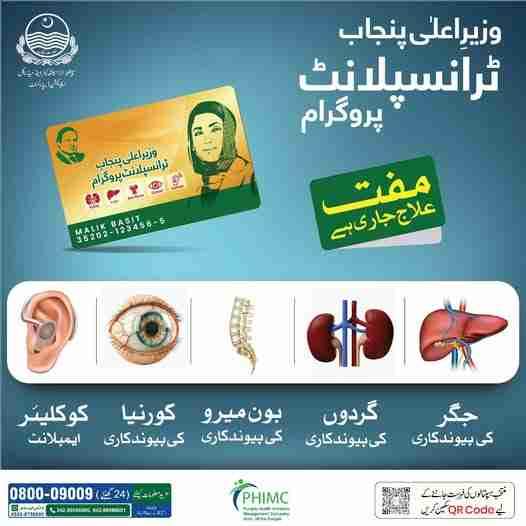
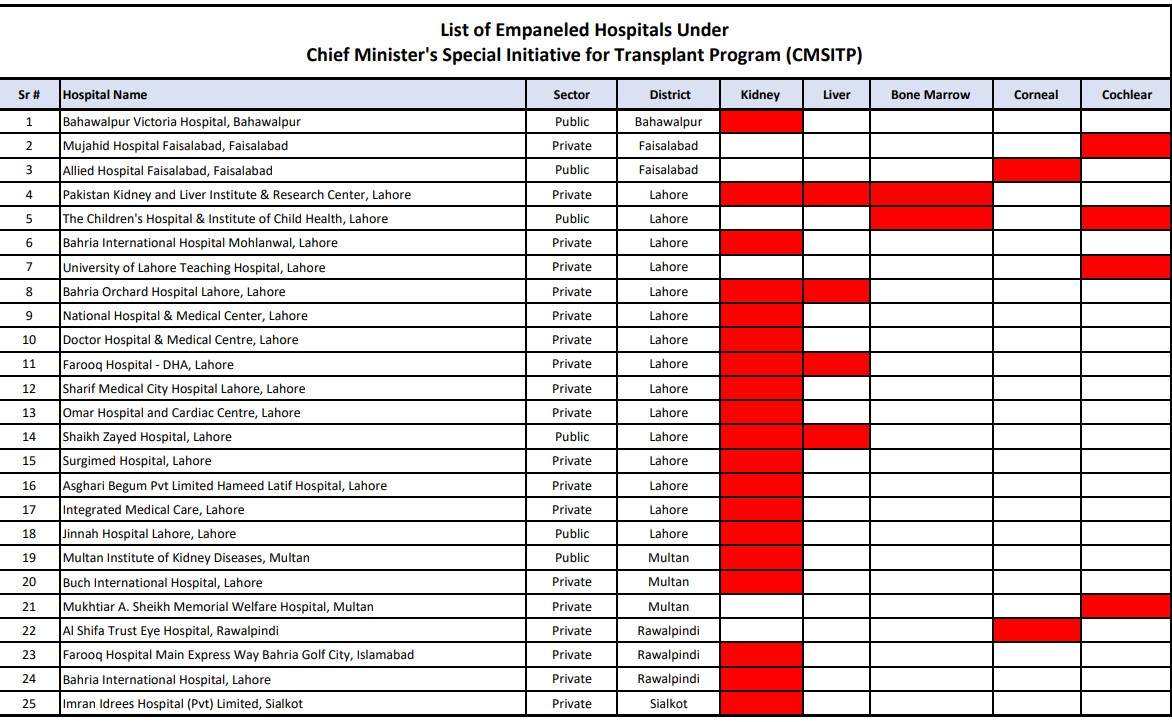
Read More: Top 5 Free Kidney Transplant Hospital In Pakistan

What Health Hazards Does the Gobar Tax Aim to Address?

The Gobar Tax targets the severe public health crisis caused by improper disposal of animal waste in Punjab’s urban cattle colonies, where approximately 5 million buffaloes produce massive amounts of untreated dung daily. The open dumping of this waste creates multiple pathways for disease transmission and environmental degradation.

Waterborne disease risks:
When rainwater mixes with manure piles, contaminated runoff seeps into groundwater aquifers and surface water bodies. Communities relying on well water or nearby rivers face elevated risks of:

  • Diarrhoeal diseases: Including cholera, typhoid, and dysentery
  • Hepatitis A and E: Transmitted through faecal contamination of water sources
  • Gastroenteritis: Causing dehydration, especially dangerous for children and elderly

Respiratory health impacts:
Decomposing dung releases ammonia, hydrogen sulfide, and volatile organic compounds. Residents of cattle colonies and surrounding areas report:

  • Chronic bronchitis: From prolonged exposure to airborne particulates
  • Asthma exacerbation: Ammonia acts as a respiratory irritant
  • Eye and throat irritation: Common among colony residents and waste workers

Vector-borne disease transmission:
Manure piles provide ideal breeding habitats for:

  • Houseflies: Mechanical vectors for Salmonella, Shigella, and E. coli
  • Mosquitoes: Standing water near manure sites breeds Culex and Anopheles species
  • Rodents: Attracted to dung heaps, carrying leptospirosis and hantavirus

What is the estimated disease burden from cattle colony waste? While comprehensive epidemiological studies are lacking, local health facilities near major cattle colonies report higher-than-average rates of diarrhoea, respiratory infections, and vector-borne illnesses compared to other urban areas.

The legal authority for the Gobar Tax derives from the Punjab Local Governments (Taxation) Rules, which empower local governments to levy various fees and charges for services rendered. A local government may, through a notification published in the official Gazette, levy all or any of the taxes, fees, rates, tolls, rent and other charges given in the Fifth Schedule.

Legal framework components:

  • Taxation rules: The Punjab Local Governments (Taxation) Rules provide detailed procedures for assessment and collection
  • Collecting Officers: Appointed officials responsible for assessment and collection
  • Objection process: Persons directly affected by a proposed tax may send written objections within thirty days from publication of notice
  • Constitutional considerations: Agricultural income, including livestock grazing, is exempt from federal taxation under the Income Tax Ordinance
  • Provincial authority: Local government taxation falls within provincial jurisdiction

Legal experts may question whether a per-animal service charge on livestock constitutes an agricultural tax, which remains a complex area under Pakistan’s provincial-federal fiscal division. The government’s framing as a “service fee” rather than a “tax” may be an attempt to navigate these legal complexities.

What recourse do citizens have if they believe the tax is unlawful? Affected persons can file written objections within thirty days of the tax notification, and if unsatisfied with the response, may pursue legal challenges through the provincial court system.

Is the Gobar Tax Part of the “Suthra Punjab” Biogas Programme?

The Gobar Tax is a central component of the Suthra Punjab Biogas Programme, which aims to convert animal waste into clean energy while addressing long-standing sanitation problems in cattle colonies. Under the Suthra Punjab Program, tax will be collected from 168 cattle colonies across the province, including Lahore, with a fee collected for the cleaning and collection of buffalo waste.

Suthra Punjab programme details:

  • Programme launch: Chief Minister Maryam Nawaz Sharif launched the “Waste to Value” project under the ‘Suthra (Clean) Punjab Program’
  • Biogas production: For the first time in history, a successful experiment of producing biogas from biodegradable animal waste has been conducted at Lakhodair
  • Pilot plant output: A pilot bio-CNG plant at the Lakhodeer landfill site has started production, currently producing around 85 kilogrammes of CNG daily from waste
  • Future expansion: A 50 MW waste-to-energy plant is now planned, which will convert 3,000 tons of solid waste into electricity daily
  • Revenue potential: Gas extraction from the landfill site over the next ten years is expected to generate $2.5 million

The minister expressed satisfaction that a pilot bio-CNG plant at the Lakhodeer landfill site has started production, noting that Chief Minister Maryam Nawaz Sharif has directed further upgradation of the project. The government would continue learning from operational experiences to further improve the system.

What is the health benefit of biogas compared to traditional dung burning? Biogas combustion produces 70 percent less particulate matter and carbon monoxide than burning dried dung cakes, significantly reducing indoor air pollution and respiratory disease risk for households that switch to biogas.

Which Cities and Districts Are Currently Collecting the Gobar Tax?

Collection has reportedly already commenced across all 168 designated “Gwala” colonies, with initial implementation focused on Lahore’s major dairy colonies. According to officials, the daily collection of 30 rupees per unit has already commenced across 168 designated “Gwala” colonies.

Geographic scope of implementation:

  • Phase 1 – Lahore: Harbanspura and Gujjarpura cattle colonies are the primary starting points
  • Lahore’s scale: These colonies house approximately 5 million buffaloes
  • Province-wide coverage: All 36 districts of Punjab will eventually be covered
  • South Punjab districts: Multan, Muzaffargarh, Bahawalpur, Rahim Yar Khan, Dera Ghazi Khan
  • Central and Northern Punjab: Gujranwala, Sialkot, Rawalpindi

The government has begun compiling exhaustive lists of 168 cattle colonies across the province that will be brought under the tax net. In cities like Lahore, cattle owners will be required to pay the daily fee of PKR 30 per animal.

Does the Gobar Tax apply to both cows and buffaloes? Yes, the daily Rs. 30 fee applies to both cows and buffaloes within designated cattle colonies. The Punjab government has decided to impose a daily “Gobar Tax” of Rs 30 per cow and buffalo in 168 cattle colonies across the province.

Which Specific Cattle Colonies Are Subject to the Gobar Tax?

The Punjab government has identified 168 designated cattle colonies, also known as Gawala Colonies, across all 36 districts of Punjab for the Gobar Tax. The tax will be collected from 168 cattle colonies across the province, including Lahore, with a fee collected for the cleaning and collection of buffalo waste.

Key characteristics of affected colonies:

  • Total number: 168 cattle colonies identified for tax collection
  • Colony type: Formalised “Gwala” or “Gawala” colonies designated by local government
  • Urban focus: Colonies in and around major cities like Lahore, Rawalpindi, Gujranwala
  • Livestock population: Approximately 5 million cows and buffaloes in these colonies
  • Pilot start: The pilot project will start in Lahore’s Harbanspura and Gujjarpura colonies

Is there a complete public list of the 168 cattle colonies available? The government has begun compiling exhaustive lists, but a public directory is still being developed. Livestock owners should contact their local Collecting Officer for colony-specific information.

Are Small Farmers in Villages Exempt from the Gobar Tax?

The Gobar Tax is generally not collected in small villages or from households with only 2–3 cows for personal use. The current policy specifically targets formalised cattle colonies rather than individual village homes.

Reasons small villages remain exempt:

  • Targeted areas: The tax applies only to 168 designated cattle colonies, not rural villages
  • Service limitation: The government does not provide daily door-to-door manure collection services in small villages
  • Scale consideration: The policy is designed for large-scale urban dairy operations
  • Animal count threshold: Households with just 2–3 animals for personal use are not the current focus
  • Administrative practicality: Enforcing per-animal fees across millions of scattered rural households would be logistically impossible

What applies to rural villages instead of the Gobar Tax? While you won’t pay the daily Gobar Tax, other Suthra Punjab initiatives may affect rural areas. Separate garbage collection fees based on house size or property type may apply in rural towns. In some villages, the government is setting up community biogas plants that buy dung from farmers or provide piped gas back to households in exchange for waste.

Is the Gobar Tax Applicable to Cattle Colonies Only or Residential Areas Too?

The tax is specifically targeted at formalised cattle colonies rather than residential areas. The fee applies only to 168 designated “Gawala Colonies” where large numbers of animals are kept in close quarters.

Key distinctions:

  • Exclusive to cattle colonies: Ordinary residential areas are not subject to the per-animal Gobar Tax
  • Reason for focus: Areas with high animal density cause major drainage and waste issues requiring organised intervention
  • Residential exclusion: Households keeping one or two animals within city limits are not currently targeted
  • Future possibility: Expansion to residential areas has not been announced

What about dairy farms located outside city limits? The policy primarily targets urban and semi-urban formalised colonies, but expansion to peri-urban dairy farms remains possible as the programme matures. Farmers in buffer zones should monitor official announcements.

Does the Gobar Tax Apply to Goats, Sheep, or Other Small Livestock?

Current reports indicate the daily Rs. 30 fee applies only to cows and buffaloes. Goats, sheep, camels, horses, and donkeys are not subject to the Gobar Tax.

Reasons for exclusion:

  • Waste volume: Small livestock produce significantly less waste than cows and buffaloes
  • Biogas focus: Industrial biogas production requires consistent, high-volume feedstock from large ruminants
  • Economic considerations: Small livestock owners typically keep fewer animals, making per-animal fees less practical
  • No official announcement: The government has not indicated any plan to expand the tax to small livestock

Could the tax expand to goats and sheep in the future? While no expansion has been announced, the legal framework for local government taxation could theoretically be amended to include other animals. Livestock owners with mixed herds should stay informed through official government notifications.

How Much Revenue Is the Punjab Government Expecting from the Gobar Tax?

With approximately 5 million buffaloes in the targeted colonies, the daily collection could amount to Rs 150 million per day, translating to nearly PKR 55 billion annually. This represents a significant revenue stream for the provincial government.

Revenue calculations:

  • Daily per-animal rate: PKR 30
  • Affected animals: Approximately 5 million cows and buffaloes in 168 colonies
  • Daily total collection: Approximately Rs 150 million (5 million × Rs 30)
  • Annual potential: Nearly Rs 55 billion (Rs 150 million × 365 days)
  • Per-animal annual cost: PKR 10,950 per year

Is the Rs. 30 fee per animal or per household? The fee is per animal, not per household. A farmer owning 10 buffaloes would pay Rs 300 per day, or approximately PKR 109,500 annually.

Revenue expectations may vary based on compliance rates and accurate animal census. The government is developing a database of livestock farmers to facilitate tax administration, capturing farmer details, contact information, demographic data, and livestock-specific information.

How Does the Annual Cost of Gobar Tax Compare to Farmers’ Income?

The annual cost of nearly PKR 11,000 per animal represents a significant expense, especially during periods of high inflation and record-high fodder prices. For the poor cattle farmers and dairy owners of Punjab, the tax is a “double whammy.”

Financial breakdown for a typical dairy farm:

  • Annual per-animal cost: PKR 10,950 (365 days × PKR 30)
  • Typical dairy farm size in urban colonies: 5–20 animals
  • Annual burden for a 10-animal farm: Approximately PKR 109,500
  • Daily milk revenue per buffalo: A buffalo producing 8–10 litres daily at PKR 120–150 per litre yields daily revenue of PKR 960–1,500
  • Tax as percentage of gross daily revenue: Approximately 2–3% per animal
  • Context of inflation: Farmers already battling record-high fodder prices, expensive electricity for tubewells, and general cost of living spike

Will this tax lead to an increase in milk prices in Punjab? Economists warn that dairy farmers may pass the additional cost to consumers, potentially raising milk prices across the province. A 2-3% increase in production costs could translate to a similar percentage increase in retail milk prices.

What Is the Cost-Benefit Analysis for Farmers Paying the Gobar Tax?

The government promises organised cleaning and manure collection services, which may reduce farmers’ labour and disposal costs in exchange for the daily fee. Whether this represents fair value depends on service quality.

Potential benefits for farmers:

  • Labour saving: Farmers no longer need to arrange waste disposal themselves
  • Reduced disposal costs: Eliminates expenses for manual waste removal
  • Biogas access: Potential cheaper fuel alternative for rural and semi-urban areas
  • Organic fertiliser: Collected manure can be processed into nutrient-rich fertiliser that may be available at subsidised rates
  • Cleaner colony environment: Reduced odour, flies, and disease vectors

Is the value of services received worth the Rs. 30 daily fee? This depends entirely on the quality and reliability of government services, which remain unproven at this early stage. Farmers should document service delivery (or lack thereof) to support any future claims for fee reductions or refunds.

Is the Gobar Tax a Sign of Fiscal Desperation or a Green Energy Investment?

Opposition leaders and critics argue the tax adds a financial burden during high inflation and contradicts the government’s promise of a “tax-free budget.” The government maintains the fee is necessary for environmental management. Critics argue that after years of economic mismanagement and mounting debt, the government has reached a point where it is measuring buffalo droppings to scrape together a few extra rupees.

Critics’ arguments:

  • Promise contradiction: The tax follows a pledge of a tax-free budget
  • Economic context: Record-high fodder prices, expensive electricity, general cost of living spike
  • Opposition label: “Revenue-raising move” disguised as environmental initiative
  • Burden on poor: Small dairy farmers already struggling to make ends meet

Government’s counter-arguments:

  • Environmental necessity: Cattle colonies generate massive untreated waste causing water and air pollution
  • Service fee framing: Not a tax but a charge for services rendered
  • Green energy investment: Biogas production reduces dependence on imported fuel
  • Long-term benefits: Cleaner environment and potentially cheaper energy for communities

The truth likely lies somewhere between these positions. The environmental problems in cattle colonies are real and require solutions, but the timing and implementation method have raised legitimate concerns.

How Will the Collected Dung Be Used for Biogas Production?

The collected manure will be processed in anaerobic digesters to produce methane-rich biogas and organic fertiliser under the Suthra Punjab programme. This waste-to-energy approach is the core environmental justification for the fee.

Biogas production process:

  • Collection: Manure is collected daily from designated colonies
  • Anaerobic digestion: Manure is placed in sealed digesters where bacteria break down organic matter without oxygen
  • Biogas capture: The process releases methane-rich gas that can be used for cooking, heating, electricity generation, or vehicle fuel
  • Slurry by-product: The remaining material is nutrient-rich and can be used as organic fertiliser
  • Pilot success: A pilot bio-CNG plant at the Lakhodeer landfill site has started production, currently producing around 85 kilogrammes of CNG daily from waste

What are the health benefits of transitioning from dung cakes to biogas? Traditional dung cake burning releases harmful particulate matter, carbon monoxide, and volatile organic compounds. Biogas combustion is significantly cleaner, reducing indoor air pollution and lowering the risk of respiratory infections, particularly among women and children who spend the most time near cooking fires.

What Environmental Problems Is the Gobar Tax Trying to Solve?

Cattle colonies generate massive amounts of untreated animal waste that causes water pollution, air pollution, and public health hazards across Punjab’s urban areas. These environmental problems have been ignored for decades.

Environmental issues in cattle colonies:

  • Untreated waste: Millions of tonnes of manure dumped without proper treatment
  • Water pollution: Runoff contaminates groundwater and surface water sources, affecting drinking water quality
  • Air pollution: Decomposing manure releases methane (a potent greenhouse gas) and ammonia (a respiratory irritant)
  • Public health: Breeding grounds for disease vectors like flies and mosquitoes
  • Drainage issues: Waste clogs drainage systems in urban areas, leading to flooding and sanitation failures
  • Greenhouse gas emissions: Methane from decomposing manure is 25 times more potent than carbon dioxide

How does the Gobar Tax compare to India’s GOBAR-Dhan scheme? India’s GOBAR-Dhan (Galvanizing Organic Bio-Agro Resources) scheme focuses on converting cattle and organic waste into wealth in villages, but it is an incentive-based programme rather than a tax. India encourages voluntary participation with support for biogas plant construction, while Pakistan imposes a mandatory service fee.

Can the Gobar Tax Help Pakistan Achieve Its Renewable Energy Targets?

With 5 million buffaloes in targeted colonies alone, the biogas potential is substantial enough to meaningfully contribute to Pakistan’s renewable energy goals. Each buffalo can produce 1–2 cubic metres of biogas daily.

Renewable energy potential:

  • Biogas yield per buffalo: Approximately 1–2 cubic metres of biogas per day
  • Total daily potential from 5 million animals: 5–10 million cubic metres of biogas
  • Energy equivalent: Enough to power thousands of homes or replace significant diesel and LPG consumption
  • Carbon offset: Methane capture prevents release of a greenhouse gas 25 times more potent than CO2
  • Fuel import reduction: Biogas can substitute for imported natural gas, LPG, and diesel

Is the government investing biogas revenue back into clean energy infrastructure? The Suthra Punjab programme envisions using the collected manure to power state-led biogas plants. A 50 MW waste-to-energy plant is now planned, which will convert 3,000 tons of solid waste into electricity daily, with gas extraction from the landfill site over the next ten years expected to generate $2.5 million.

Who Is the Official Authority Responsible for Collecting the Gobar Tax?

The Local Government department of Punjab, through appointed Collecting Officers, is responsible for assessment and collection of the Gobar Tax. These officers have legal authority under the Punjab Local Governments (Taxation) Rules.

Collection authority details:

  • Responsible authority: Local Government department of Punjab
  • Collecting Officers: Officials appointed for assessment and collection
  • Legal basis: Punjab Local Governments (Taxation) Rules
  • Collection mechanism: Daily collection by designated officers in each cattle colony
  • Powers of Collecting Officers: May enter premises, inspect records, and demand payment

The Local Government determines the persons by whom the tax shall be assessed and collected, and makes rules for the assessment and collection process. Farmers should request identification from anyone claiming to be a Collecting Officer before making any payment.

How Can I Pay the Rs. 30 Daily Fee for My Livestock?

While specific Gobar Tax payment channels are still being developed, the Punjab government’s e-Pay system provides digital payment infrastructure for government fees. Farmers should expect multiple payment options.

Available and anticipated payment methods:

  • Digital payments: e-Pay Punjab app and website allow online tax payments
  • Payment methods: Internet banking, ATM, OTC (Over the Counter) banking transactions
  • PSID generation: Citizens can generate a 17-digit PSID number for payment
  • Physical collection: Likely available through designated Collecting Officers in each colony
  • Bank branches: Over-the-counter payments at partner banks

Is there an online portal to register livestock for tax purposes? The government is developing a database of livestock farmers to facilitate tax administration. This database captures farmer details, contact information, demographic data, and livestock-specific information. Farmers in targeted colonies will likely need to register their animals.

Is the Gobar Tax Being Collected Monthly or Daily?

The tax is calculated on a daily basis (Rs. 30 per animal per day), but collection may occur on a weekly or monthly schedule for practical purposes. Daily collection would be administratively burdensome for both farmers and collectors.

Collection frequency details:

  • Daily accrual: Liability accrues daily at Rs. 30 per animal
  • Collection frequency: Likely weekly or monthly to reduce transaction costs
  • Commenced collection: Daily collection has reportedly already commenced in 168 Gwala colonies
  • Payment periods: Farmers may pay in advance or arrears depending on policy
  • Receipt issuance: Official receipts should be provided for each payment period

Farmers should clarify the collection schedule with their local Collecting Officer to avoid misunderstandings about payment due dates.

Is There a Fine for Not Paying the Daily Gobar Tax?

Under the Punjab Local Government legal framework, non-payment of taxes, fees, or rates is an offence punishable by imprisonment up to six months or a fine up to Rs 500,000, or both. These penalties are severe and should not be ignored.

Penalties for non-payment:

  • Criminal offence: Non-payment is classified as an offence under local government rules
  • Imprisonment: Up to six months
  • Fine: Up to Rs 500,000
  • Both penalties: Court may impose both imprisonment and fine
  • Recovery procedures: The tax authority may demand immediate payment even if appeals are pending
  • Asset seizure: In extreme cases, authorities may seize assets to recover unpaid amounts

What happens if a farmer refuses to pay the dung collection fee? Refusal to pay may trigger legal proceedings, including fines, asset seizure, and potential imprisonment. However, farmers who believe the tax is unlawful should seek legal advice before refusing payment, as non-payment carries serious legal risks.

Is There a Specific Receipt or Token Issued for Gobar Tax Payment?

The government is expected to issue official receipts or tokens for each payment, and farmers should always request and retain these documents. Receipts serve as proof of compliance.

Receipt and record-keeping:

  • Digital receipts: e-Pay system generates challans and receipts for payments
  • Physical tokens: Collecting Officers likely issue paper receipts
  • Record keeping: Farmers should retain receipts for dispute resolution
  • Compliance verification: Receipts may be checked during inspections
  • Dispute evidence: Receipts protect farmers from claims of non-payment

Farmers should maintain a dedicated file for all Gobar Tax receipts, organised by date and animal count. This documentation is essential if any dispute arises about payment history.

Will the Government Provide Free Vaccinations or Other Services to Those Paying the Tax?

No official announcement has been made linking the Gobar Tax to free veterinary services or vaccinations. Farmers have raised this question, but the government has not confirmed any ancillary benefits.

Current status of additional services:

  • No official link: No announcement of free vaccinations for tax payers
  • Possible bundled services: Some farmers hope for improved veterinary access
  • Suthra Punjab benefits: Cleaner colonies and potential biogas access
  • Unanswered questions: Whether tax revenue will fund livestock health services
  • Farmer demands: Some have suggested the fee should include veterinary care

Farmers should not assume any services beyond manure collection are included. If the government announces additional benefits, official notifications will provide details.


Are Widows or Poor Farmers Exempt from the Punjab Gobar Tax

Official exemption policies have not been clearly articulated, but the South Punjab government is simultaneously distributing free livestock to widows. This creates potential confusion about tax liability for vulnerable groups.

Current exemption landscape:

  • No clear exemption policy: Official exemption criteria not yet published
  • Context of widows: South Punjab government distributing free livestock to widows
  • Potential contradiction: Widows receiving free livestock may still face Gobar Tax liability
  • Economic hardship concerns: Critics argue the tax disproportionately affects the poor
  • Advocacy for exemptions: Farmer groups are demanding exemptions for vulnerable households

Should widows and poor farmers be exempt? Advocacy groups argue that vulnerable livestock owners should be exempted or charged a reduced rate. No official decision has been announced, but farmers in these categories should contact their local Collecting Officer to inquire about possible relief.


Why Are Farmers Protesting Against the Rs. 30 Daily Gobar Tax?

Farmers are protesting because the tax adds financial burden during record-high inflation, fodder prices, and electricity costs. The agricultural sector is currently battling record-high fodder prices, expensive electricity for tubewells, and a general spike in the cost of living.

Primary protest reasons:

  • Economic burden: Annual cost of nearly PKR 11,000 per animal
  • Record-high fodder prices: Farmers struggling to afford animal feed
  • Expensive electricity: High costs for tubewell irrigation
  • Cost of living spike: General inflation affecting all farming inputs
  • “Double whammy”: Tax on top of existing economic pressures
  • Lack of consultation: Farmers say they were not consulted before implementation

Has the tax dampened cattle supply to colonies? Despite the new levy, the Minister confirmed that cattle arrivals and supply in these colonies have actually increased, suggesting that the tax hasn’t yet dampened the spirits of the province’s dairy farmers.


Has the Punjab Assembly Officially Passed the Gobar Tax Law?

The legal status remains unclear, with government officials denying the existence of the tax while news reports confirm collection has commenced. This ambiguity is itself a point of contention.

Legislative status facts:

  • Minister’s denial: Local Government Minister stated reports are “baseless and untrue”
  • No policy decision: Minister claimed no policy decision has been made
  • Contradictory reports: Major news outlets report collection has already begun
  • Legal authority: May fall under existing local government taxation powers rather than requiring new legislation
  • Public confusion: Farmers are uncertain whether the tax is legally enforceable

Is the Gobar Tax a permanent fee or a temporary measure? The duration of the tax has not been specified, though the Suthra Punjab programme suggests a medium-term commitment. Farmers should assume the fee will continue unless officially discontinued.


Is the Gobar Tax a Tax or a Service Fee? The Semantic Debate

The government’s framing as a “service fee” rather than a “tax” may have legal and political implications, though the distinction may be semantic for farmers’ wallets. The choice of terminology affects legal requirements and public perception.

Key differences between tax and service fee:

  • Legal requirement: New taxes may require legislative approval, while service fees may fall under existing authority
  • Legislative approval: Taxes typically require assembly vote; fees often within executive power
  • Public perception: “Tax” generates more opposition than “fee”
  • Legal challenge basis: Constitutional limits on taxation versus requirement to demonstrate service provided
  • Revenue use: Tax revenue goes to general fund; fee revenue should fund specific service

What do legal experts say about the distinction? The difference may be semantic rather than substantive, as both are compulsory government levies. Courts typically look at the substance of the charge rather than its label. If the government does not actually provide manure collection services, a “service fee” could be challenged as a disguised tax.


Can I Sell My Animal’s Dung Privately If I Pay the Gobar Tax?

This is a key unresolved question. The government may claim ownership of collected manure in exchange for the service fee, potentially restricting private sales. Farmers currently selling dung for income could lose that revenue stream.

Current uncertainty:

  • Unclear policy: No official guidance on private dung sales
  • Potential restriction: Government may require all manure to be turned over to collection services
  • Loss of income: Farmers currently selling dung privately may lose that revenue stream
  • Need for clarification: Farmers should seek official guidance before entering private dung sale agreements
  • Economic impact: Dung currently sells as fertiliser or fuel, providing supplementary income

What is the current market value of buffalo dung in Pakistan? Dung is currently sold as organic fertiliser or dried as fuel (dung cakes), providing supplementary income to farmers. The Gobar Tax may disrupt this informal economy. Farmers should ask their Collecting Officer explicitly whether private dung sales remain permitted after paying the fee.


What Should Farmers Do If They Believe the Gobar Tax Is Unfairly Applied?

Farmers have several avenues for dispute resolution, starting with the Collecting Officer and escalating to legal challenges if necessary. Taking systematic action is essential.

Step-by-step dispute resolution:

  • Step 1 – Contact Collecting Officer: Discuss the matter with the designated officer first
  • Step 2 – File formal complaint: Submit written complaint to Local Government department
  • Step 3 – Legal challenge: File petition in High Court challenging the tax’s legality
  • Step 4 – Political representation: Raise issue with local elected representatives
  • Step 5 – Media advocacy: Report unfair treatment to media outlets
  • Step 6 – Collective action: Join farmer associations already protesting the tax

What legal recourse is available for challenging the tax? Farmers may challenge the tax’s constitutionality, applicability, or assessment method through the court system. Legal aid organisations may assist farmers who cannot afford private lawyers. Before refusing payment, farmers should obtain legal advice, as non-payment carries criminal penalties.


How Does Punjab’s Gobar Tax Compare to Similar Levies in Other Countries?

Several countries have implemented manure management fees or environmental levies on livestock waste, but Punjab’s per-animal daily fee is relatively unique in its structure. International examples provide useful comparisons.

International manure management charges:

  • Netherlands: Phosphate rights system limiting manure production, with farmers paying for rights
  • Denmark: Nitrogen taxes on livestock operations based on environmental impact
  • Germany: Manure management fees under environmental regulations
  • China: Fines for improper manure disposal combined with biogas incentives
  • India: GOBAR-Dhan scheme uses incentives and support rather than taxes

What can Punjab learn from international experiences? Successful programmes combine regulation with incentives, invest revenue visibly in environmental improvements, and engage stakeholders in policy design. Countries with mandatory fees typically provide clear, measurable services in return.


Will the Gobar Tax Expand to Other Provinces in Pakistan?

While no announcements have been made, other provinces may observe Punjab’s implementation before deciding on similar measures. The outcome in Punjab will likely determine whether other provinces follow.

Potential expansion considerations:

  • Sindh: Large cattle population in Karachi and Hyderabad colonies
  • KPK: Significant livestock sector, particularly in rural areas
  • Balochistan: Smaller cattle colony infrastructure
  • Federal observation: Other provinces likely monitoring Punjab’s results
  • No current plans: No official announcements from other provinces

Livestock owners in other provinces should monitor Punjab’s experience. If the Gobar Tax proves successful (high compliance, effective waste management, biogas production), other provincial governments may adopt similar measures.


What Is the Long-Term Vision for the Suthra Punjab Biogas Programme?

The long-term vision likely involves scaling up biogas production across all 168 cattle colonies and reducing Pakistan’s reliance on imported fuel. The programme has ambitious goals.

Long-term vision components:

  • Full coverage: All 168 cattle colonies fully operational with collection systems
  • Biogas infrastructure: Large-scale biogas plants processing all collected manure
  • Fuel substitution: Biogas replacing LPG, diesel, and natural gas in targeted areas
  • Revenue reinvestment: Tax revenue funding further environmental initiatives
  • Formalisation: Informal dairy sector brought into formal economy
  • Carbon credits: Potential to generate carbon credits from methane capture

Could the tax evolve into a carbon credit programme? Capturing methane from manure generates carbon credits under international frameworks. These credits could potentially be sold, with revenue offsetting the tax burden or funding additional farmer benefits. This remains a theoretical possibility rather than an announced plan.


How Can the Gobar Tax Be Improved to Balance Environmental Goals with Farmer Welfare?

Several policy adjustments could make the Gobar Tax more equitable and effective while maintaining environmental benefits. These recommendations come from farmer organisations and policy analysts.

Recommended improvements:

  • Tiered rates: Lower rates for smallholders and vulnerable farmers
  • Exemption thresholds: Exempt first 2–3 animals for subsistence farmers
  • Service guarantees: Clear service-level agreements for waste collection
  • Revenue transparency: Public reporting of revenue collection and spending
  • Biogas rebates: Farmers receive discounted biogas in exchange for manure
  • Stakeholder consultation: Engage farmer representatives in policy design
  • Pilot evaluation: Assess impact before full provincial expansion
  • Grievance mechanism: Clear, accessible process for complaints and disputes

What do farmers want from the government? Farmers seek clarity on services provided, assurance of fair treatment, recognition of their economic challenges, and a voice in policy decisions that affect their livelihoods.

Frequently Asked Questions (FAQ)

Is the Gobar Tax being collected in my area? Check whether your location is within one of the 168 designated cattle colonies. If you live in a rural village or residential area with only 2–3 animals, the tax likely does not apply.

How much will I pay if I own 5 buffaloes? Rs. 150 per day (5 × Rs. 30), or approximately PKR 54,750 annually.

Can I avoid the tax by selling my animals? Selling animals may reduce your liability, but consider the loss of livelihood. Some farmers may reduce herd sizes in response to the tax.

Is the government providing receipts? Yes, official receipts should be provided for all payments. Always request and retain your receipt.

What happens if I don’t pay? Non-payment is an offence punishable by fine (up to Rs 500,000) or imprisonment (up to six months), or both.

Will the tax affect milk prices? Economists expect dairy farmers to pass some of the cost to consumers, potentially raising milk prices across Punjab.

Is the tax permanent? The duration has not been specified; it may continue as long as the Suthra Punjab programme operates.

Can I get my money back if services aren’t provided? This is unclear. Farmers should document service failures (e.g., dates when manure was not collected) for potential claims.

Does the tax apply to calves? Current reports specify “cows and buffaloes” without age distinction. Clarification from the government is needed.

Are religious or charitable organisations with livestock exempt? No specific exemption has been announced for religious or charitable organisations.

CM-Punjab-Bewa-Sahara-Card

CM Punjab Bewa Sahara Card Registration | 2026 Punjab Portal

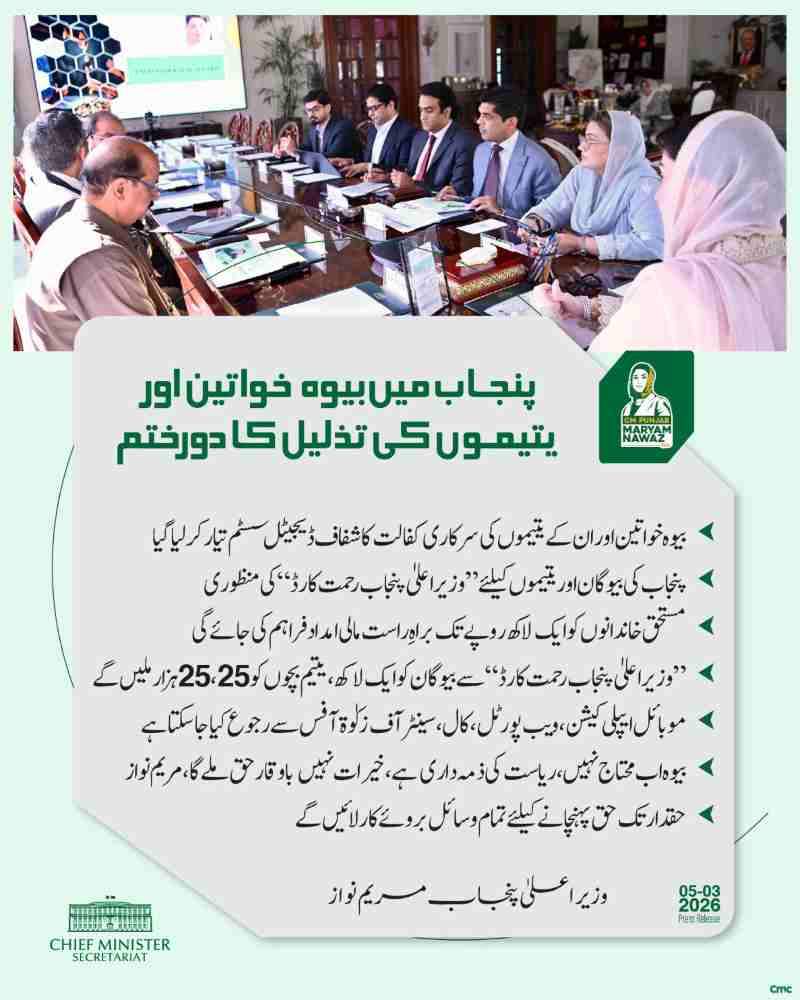
The moment a woman loses her husband, the emotional grief is often accompanied by an immediate and terrifying financial freefall—rent due dates, children’s school fees, and mounting utility bills suddenly become insurmountable mountains. The CM Punjab Bewa Sahara Card 2026 arrives as a transformative government intervention designed specifically to catch these falling families, offering a robust financial package ranging from Rs. 100,000 to Rs. 150,000 alongside a regular monthly stipend of Rs. 10,000. This comprehensive guide walks you through every aspect of the scheme, from understanding eligibility requirements to completing your registration successfully before the March 14 deadline.

Key Takeaways

  • Dual Benefit Structure: Eligible widows receive both a substantial one-time grant of up to Rs. 150,000 and a recurring monthly stipend of Rs. 10,000, creating immediate relief and long-term stability.
  • Child-Sensitive Tiers: The financial assistance increases with dependent children—widows with one child receive Rs. 125,000, while those with two or more children qualify for the maximum Rs. 150,000 grant.
  • Digital-First Implementation: Registration operates through the Punjab Socio-Economic Registry portal, with funds transferred directly to bank accounts or mobile wallets to eliminate middlemen and corruption.
  • Document Precision Matters: Your application success hinges on possessing a NADRA-verified death certificate, valid CNIC, children’s B-Forms, and a mobile number registered in your name.
  • Free Registration Alert: The application process costs absolutely nothing—any individual demanding payment for registration or guaranteed approval is committing fraud and should be reported immediately.

CM Punjab Bewa Sahara Card Registration | Punjab Portal

CM-Punjab-Rehmat-Card

What is the CM Punjab Bewa Sahara Card Scheme 2026 and Why Was It Launched?

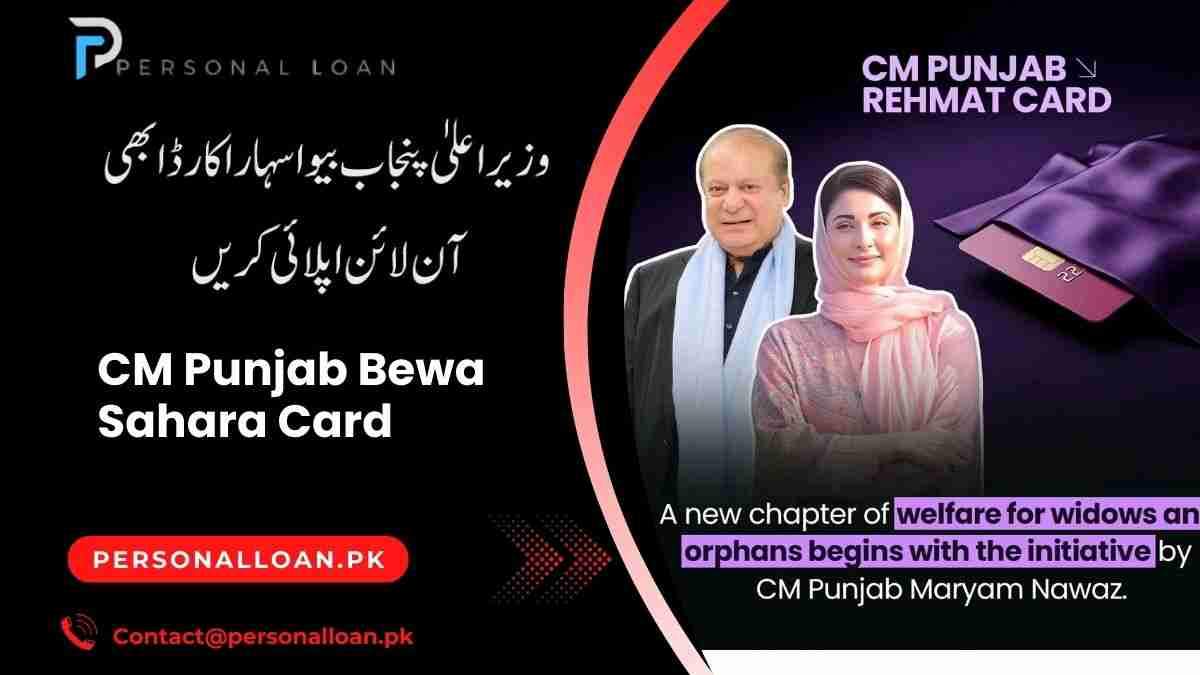
The CM Punjab Bewa Sahara Card 2026 is a landmark social welfare initiative by the Punjab Government, spearheaded by Chief Minister Maryam Nawaz, designed to provide direct financial assistance to widows across the province. This program is not merely a temporary relief measure but a structured, long-term commitment to ensuring financial stability, social dignity, and economic empowerment for women who have lost their primary breadwinner. By leveraging modern digital infrastructure, primarily the Punjab Socio-Economic Registry, the scheme guarantees transparency, efficiency, and targeted delivery of funds to those who need them most.

What exactly is the CM Punjab Bewa Sahara Card 2026?

CM-Rehmat-Card
CM-Rehmat-Card

The CM Punjab Bewa Sahara Card 2026 functions as both a financial instrument and a symbol of state protection for vulnerable widows. It is a government-issued entitlement card that qualifies the holder for substantial monetary benefits. Unlike traditional welfare programs that often get bogged down in bureaucratic red tape, this card is linked directly to the beneficiary’s verified digital identity, enabling seamless and corruption-free transactions. The program is administered under the vigilant oversight of the Punjab Social Protection Authority and relies on the comprehensive data housed within the Punjab Socio-Economic Registry to identify and verify eligible households.

Read More: PEF Phase 3 Online Apply | School List, Last Date to Apply

What is the main purpose and vision behind the Bewa Sahara Card?

Maryam-Nawaz-Rehmat-Card

The core purpose of the Bewa Sahara Card is to uplift widows from the vicious cycle of poverty and financial dependency that often follows the death of a husband. The vision, as articulated by Chief Minister Maryam Nawaz, is that every widow in Punjab deserves respect, financial security, and equal opportunity. This philosophy transforms the initiative from a simple handout into a right-based entitlement. The program aims to provide immediate economic relief by alleviating the acute financial burden covering essential expenses like food, rent, utilities, and healthcare. It fosters long-term empowerment by enabling widows to make independent household decisions, invest in their children’s education, and potentially start small-scale income-generating activities. Additionally, it integrates widows into the formal social safety net, making them automatically eligible for other government benefits like education stipends for children and health coverage schemes.

How is the Bewa Sahara Card different from other government handouts?

The Bewa Sahara Card distinguishes itself from conventional aid programs through its innovative, technology-driven approach. The key differentiators include direct financial transfers where money is sent directly into the beneficiary’s verified bank account or popular mobile wallets like JazzCash and Easypaisa. This mechanism completely eliminates corrupt middlemen, agents, and the need for physical queues at distribution points. Digital verification infrastructure determines eligibility not by local favoritism but through an objective, data-driven process. The system cross-references applicant data with NADRA records and the PSER database, ensuring that only genuinely deserving widows receive assistance and preventing duplicate registrations. The holistic and multi-tiered support uniquely combines a substantial one-time grant with a regular monthly stipend, providing both immediate capital for significant expenses and a steady, predictable income stream for daily needs.
Is the Bewa Sahara Card a one-time payment or a monthly stipend?

CM-Punjab-Bewa-Sahara-Card-Registration

This is one of the most frequently asked questions, and understanding the answer is crucial for all applicants. The CM Punjab Bewa Sahara Card 2026 program actually encompasses two distinct but complementary forms of financial support. The one-time grant, often referred to as the Widow Support Card, is a lump-sum payment ranging from Rs. 100,000 to Rs. 150,000. The exact amount is determined by the number of dependent children a widow has. This fund is primarily sourced through the Zakat and Ushr Department and is designed to provide a financial cushion for major expenses or to serve as capital for a small home-based business. In addition to the one-time grant, eligible widows also receive a recurring monthly stipend of Rs. 10,000. This regular payment is managed by the Punjab Social Protection Authority and is intended to cover ongoing household expenses like groceries, utility bills, and medicines. An eligible widow can potentially benefit from both, creating a robust and multi-layered financial safety net.

Which government departments are managing the Bewa Sahara Card?

The successful implementation of such a large-scale scheme requires the coordinated effort of multiple government bodies, each playing a specialized role. The Punjab Social Protection Authority serves as the lead implementing agency, overseeing the entire program, managing the disbursement of the monthly stipend, and operating the dedicated helpline for beneficiary support. The Punjab Socio-Economic Registry functions as the central digital database and the backbone of the scheme, with all registration, data verification, and eligibility scoring conducted through this portal. A valid PSER profile is the gateway to being considered for the Bewa Sahara Card. The Zakat and Ushr Department administers the one-time grant component, utilizing Shariah-compliant funds collected through the Zakat system. NADRA provides the critical layer of identity verification, confirming the applicant’s identity through her CNIC, validating her marital status as a widow, and verifying the details of her dependent children.

Who is Eligible to Apply for the CM Punjab Bewa Sahara Card?

CM-Punjab-Bewa-Sahara-Card

To qualify for the CM Punjab Bewa Sahara Card 2026, applicants must be widows with a NADRA-verified death certificate of their husband, permanent residents of Punjab, and belong to low-income households not receiving other major provincial stipends. This stringent set of criteria ensures that the program’s substantial resources are directed precisely to the most vulnerable and deserving women across the province.

What is the complete eligibility criteria for the Bewa Sahara Card?

The government has established clear and objective rules to determine eligibility, minimizing ambiguity and potential for manipulation. The fundamental requirements include marital status where the applicant must be a widow with this status verifiable through official NADRA records. Residency requires the applicant to be a permanent resident of the Punjab province, with proof such as a Punjab domicile certificate, a valid Punjabi-issued CNIC, or a long-term utility bill being mandatory. Income level criteria restrict the scheme strictly to widows from low-income households with no stable or sufficient source of income, with the primary focus on those living below or near the poverty line as verified by the PSER survey. Employment status dictates that the applicant must not be a government employee nor be in receipt of a government pension, as the program is designed for those without a formal, state-provided income source. Regarding overlapping benefits, a key condition is that the applicant should not be a beneficiary of another major provincial financial stipend to prevent duplication and ensure wider distribution of resources.

Who gets priority for the Bewa Sahara Card?

CM-Bewa-Sahara-Card
CM-Bewa-Sahara-Card

While all eligible widows are encouraged to apply, the program operates on a prioritization system to ensure that those in the most desperate circumstances receive aid first. Priority is given to widows with dependent children, especially those with two or more children, as their financial responsibilities and household expenses are significantly higher. Women from economically disadvantaged and rural backgrounds who may have limited access to other forms of social or family support receive preference. Those who are already registered in the PSER database are prioritized because their socio-economic status has been officially documented and verified, speeding up the assessment process. Widows with disabilities or serious health conditions face compounded challenges in earning a livelihood and are therefore given special consideration.

What is the age limit for widows to apply for the Bewa Sahara Card?

Officially, there is no rigid upper age limit specified for the CM Punjab Bewa Sahara Card. The primary focus of eligibility is on the applicant’s status as a widow and her proven financial need, rather than her chronological age. However, the applicant must possess a valid and current Computerized National Identity Card. For younger widows, particularly those with children, the program’s additional child support top-up is a critical feature designed to help them provide for their families during their most vulnerable years.

Can divorced women apply for the Bewa Sahara Card?

CM-Punjab-Bewa-Sahara-Card

No, the scheme is explicitly and exclusively designed for widows. Divorced women are not eligible under the core widow status requirement. The program’s entire verification framework, which mandates the submission and NADRA verification of the husband’s death certificate, is specifically designed to confirm widowhood. While divorced women may face significant financial hardship, they are not the target demographic for this particular initiative and are encouraged to explore other social welfare programs that may be applicable to their situation.

Can a widow already receiving BISP or other aid apply for this card?

This depends on the nature and source of the existing aid. The key condition is that the applicant should not be receiving another provincial government stipend. Since the Benazir Income Support Programme is a federal-level program, it may not automatically disqualify a widow. However, to ensure equitable distribution of provincial resources and prevent an individual from accumulating multiple benefits, the final eligibility will be determined during the thorough PSER verification process. It is highly recommended to contact the PSPA helpline at 1221 for a definitive, case-specific answer based on your current beneficiary status. The system is designed to be fair and inclusive while ensuring that the most vulnerable widows who have no other support are prioritized.

What happens if my husband’s death certificate is not from NADRA?

The scheme mandates that the husband’s death certificate must be issued and verifiable by NADRA. If your certificate is from a Union Council but not yet in the NADRA system, you will need to get it registered with NADRA first. This is a crucial step, as the entire verification process relies on NADRA’s database to confirm the applicant’s status. Without a NADRA-verified certificate, your application will likely be rejected. You can visit your nearest NADRA registration center with the original Union Council death certificate and other required documents to have it officially entered into the national database before proceeding with your Bewa Sahara Card application.

What is the Financial Assistance Amount Under the Bewa Sahara Card?

CM-Punjab-Bewa-Sahara-Card

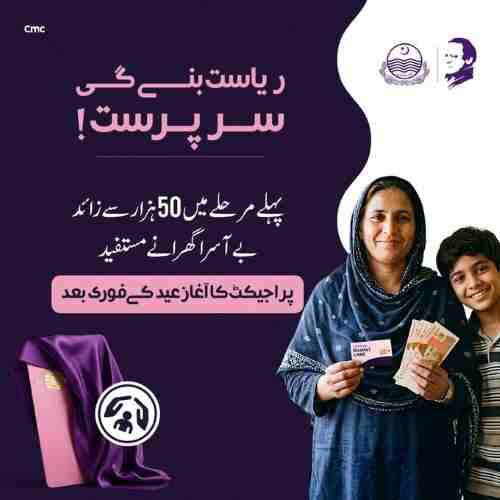
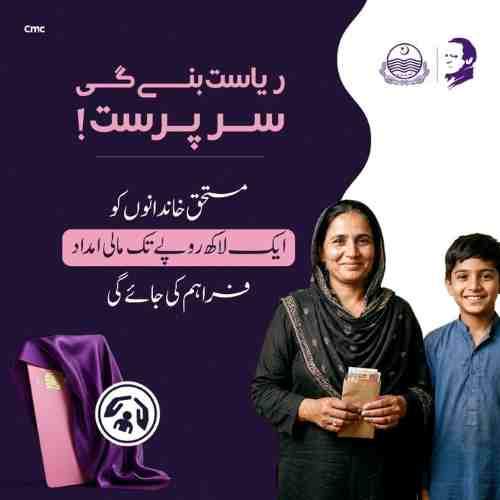
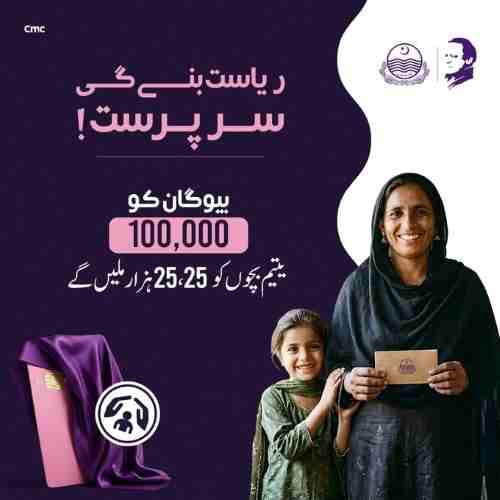
The financial assistance provided through the CM Punjab Bewa Sahara Card is substantial and structured to support families of different sizes with both immediate and ongoing financial needs. Beneficiaries receive a regular monthly stipend of Rs. 10,000 paid directly into their bank account or mobile wallet, ensuring a steady income stream for daily expenses. Additionally, a one-time grant is provided based on the number of children, with a base grant of Rs. 100,000 for widows with no children, Rs. 125,000 for those with one child, and up to Rs. 150,000 for widows with two or more children.

How much extra money is given for one or more children under this scheme?

The scheme provides a significant top-up amount to recognize the increased financial burden of raising children. For widows with one child, an additional Rs. 25,000 is provided, bringing the total one-time grant to Rs. 125,000. For widows with two or more children, a total additional amount of Rs. 50,000 is provided, raising the maximum one-time grant to Rs. 150,000. This structure aims to directly support the education, healthcare, and well-being of orphaned children who have lost their father and are now entirely dependent on their mother’s care.

Can widows with children get more money from the Bewa Sahara Card?

Absolutely yes. The program is explicitly designed to provide greater financial support to widows who are also caring for children. The one-time grant increases by Rs. 25,000 for one child and by Rs. 50,000 for two or more children, acknowledging the higher cost of living and care. This additional support is a cornerstone of the scheme’s goal to protect vulnerable families and ensure that children who have lost their father do not also lose their chance at education, proper nutrition, and a stable upbringing.

What is the total budget allocated for the Bewa Sahara Card scheme?

The Punjab government has demonstrated its strong commitment to this cause by allocating a substantial budget for the welfare of widows. A total of Rs. 4 Billion has been allocated for the Widow Support Card one-time grant scheme alone. This significant financial commitment underscores the government’s intent to reach and support hundreds of thousands of deserving widows across the province. The budgeting reflects a serious policy shift toward institutionalizing social protection rather than offering sporadic, inadequate relief measures.

How is the monthly stipend of Rs. 10,000 disbursed to beneficiaries?

The monthly stipend of Rs. 10,000 is disbursed through modern digital channels to ensure transparency, security, and convenience for the beneficiaries. Once an application is approved and verified, the beneficiary’s bank account details or mobile wallet information is linked to the payment system. On a fixed date each month, the amount is automatically transferred. Beneficiaries receive an SMS notification confirming the credit, after which they can withdraw the money from any ATM using their bank card or visit any JazzCash or Easypaisa retail shop for over-the-counter withdrawal. This system eliminates the need for physical visits to government offices and protects women from the harassment and exploitation often associated with cash distribution.

What Documents are Required for the CM Punjab Bewa Sahara Card Registration?

Ensuring you have all the correct documents is the most critical step for a successful application. The complete document checklist includes the Computerized National Identity Card original and photocopy of the applicant’s CNIC, which must be valid and ideally reflect widow status. The husband’s death certificate must be the original death certificate issued and verified by NADRA, which is non-negotiable proof of widow status. For widows applying for the additional child support top-up, the children’s B-Forms for each child are mandatory. Proof of residence through a recent utility bill, rent agreement, or domicile certificate confirms permanent residency in Punjab. An active mobile number registered in the applicant’s own name with their CNIC is required to receive all SMS notifications. Bank account or mobile wallet details such as bank passbook copy or JazzCash and Easypaisa account information are necessary for receiving payments.
Why is an active mobile number registered in my name so important?

Your mobile number is your primary link to the entire process from start to finish. It is essential because you will receive an SMS confirming your application submission immediately after applying. You will be notified at every stage of the verification process, including any requests for additional information or clarification. You will receive an SMS when your application is approved and when your monthly stipend or one-time grant has been transferred to your account. A number not registered in your name will fail the verification check, leading to significant delays or outright rejection of your application.

Do I need a B-Form for my children to apply for the Bewa Sahara Card?

If you are applying for the higher grant amount based on having children, you absolutely need the B-Form for each child. This document is essential to verify the number of dependent children you have and to qualify for the additional Rs. 25,000 or Rs. 50,000 top-up. The B-Form serves as the official record of the child’s identity and relationship to you. If you do not have a B-Form for your children, you should register them with NADRA first before applying. The verification team will cross-check these B-Form numbers with NADRA’s database, so any discrepancy or missing record will result in your application being processed at the base amount only.

What happens if my documents are incomplete or have errors?

Incomplete documentation or errors in your submitted documents are the leading causes of application rejection and delays. If your application is submitted with missing or incorrect documents, the verification team will flag it as deficient. You may receive an SMS asking you to visit a facilitation center to correct the issues, or your application may simply be rejected without further notification. To avoid this scenario, carefully review every document before submission, ensure all names and numbers match exactly across different documents, and consider visiting an e-Khidmat Markaz where staff can review your documents before you formally apply.

How Can I Apply for the CM Punjab Bewa Sahara Card Registration 2026?

Online registration through the PSER portal is the recommended method for its speed and convenience. The step-by-step process for online application begins by visiting the official PSER portal at pser.punjab.gov.pk, ensuring you are on the official government website. You must create an account by registering using your 13-digit CNIC number and your active, NADRA-registered mobile number. Completing the household survey requires filling out the detailed socio-economic survey form with accurate information about your family, income, and assets. You then upload clear, scanned copies of all required documents including CNIC, death certificate, and B-Forms. After reviewing all the information for accuracy, you submit the form and save the reference number you receive after submission to track your application status.

How do I register on the PSER portal for the Bewa Sahara Card?

Registration on the PSER portal is the gateway to applying for the Bewa Sahara Card. The process involves creating a comprehensive household profile where you will need to provide details about all family members, your income sources, education levels, and housing conditions. This data helps the government calculate a Proxy Means Test score, which objectively determines your eligibility for various welfare programs, including the Bewa Sahara Card. Simply navigate to the PSER portal and follow the New Registration or Sign Up link to begin. The system is designed to be user-friendly, with clear instructions at each step, and you can save your progress and return later if needed.
Can I apply for the Bewa Sahara Card through an SMS code?

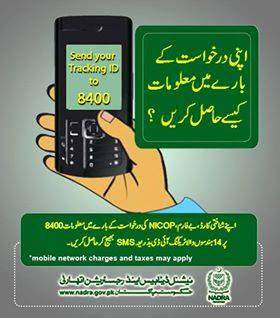
Currently, the primary online method is through the PSER web portal. While SMS services are used for checking eligibility and receiving updates, the initial registration for the CM Punjab Bewa Sahara Card requires a more detailed application. You may be able to send your CNIC to a short code such as 8070 to check if you are pre-qualified based on existing government data, but a full application will still need to be completed online or in-person at a center to provide all the necessary documentation. The SMS service is best utilized for status inquiries after you have submitted your complete application.

Where are the registration centers for the Bewa Sahara Card in Lahore and other cities?

For those who prefer in-person assistance or lack reliable internet access, offline registration is available at multiple locations across every district of Punjab. You can apply at e-Khidmat Markaz, which are one-stop government facilitation centers located in almost every district and tehsil, including all major cities like Lahore, Faisalabad, Rawalpindi, Multan, and Gujranwala. Social Welfare Facilitation Desks under the Social Welfare Department also accept applications. Additionally, over 5,000 PSER Registration Centers have been set up at Union Council offices and local schools specifically for this purpose, ensuring that even women in the most remote villages can access registration services without traveling long distances.
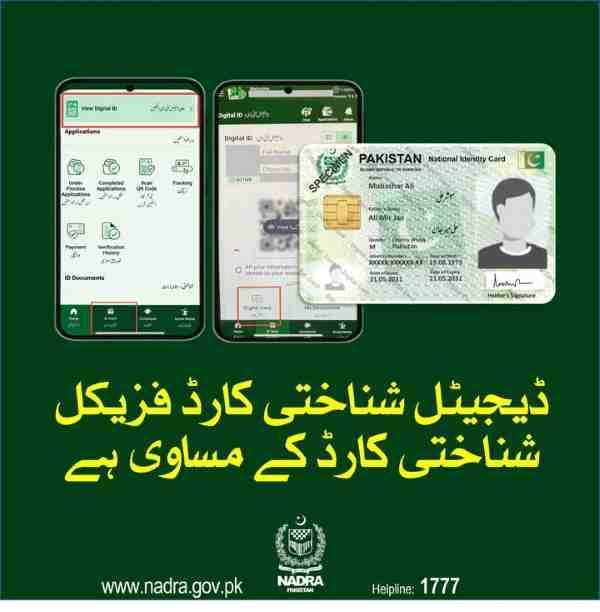
What is the offline registration process for the Bewa Sahara Card?

If you choose to apply offline, the process is simple and supported by trained staff at every step. First, locate your nearest e-Khidmat Markaz or designated PSER registration point. Bring all your original documents along with a set of photocopies when you visit. The staff will help you fill out the application form and will digitally enter your information into the PSER system on your behalf. Your fingerprints will be captured for biometric verification at the center to ensure your identity is securely linked to your application. After completion, you will receive a printed acknowledgment slip or a receipt with a reference number for future tracking. This entire service is completely free, and you should not pay anyone for assistance.

Can I apply for the Bewa Sahara Card through the Maryam Nawaz App?

Yes, the Punjab government is leveraging mobile technology for easier access to its welfare programs. You can use the official Maryam Ki Duniya app or the Maryam Ko Batayn app to submit requests for financial support or find direct links to the registration portal. These apps provide a user-friendly interface for citizens to engage with government services and can be a convenient starting point for your application process. The apps are available for download on both Android and iOS platforms through the official app stores.

What is the Last Date and Timeline for the Bewa Sahara Card Registration 2026?

Yes, the registration for the CM Punjab Bewa Sahara Card 2026 is officially open and accepting applications. The scheme was formally announced and launched in late February 2026 to provide financial relief, particularly in the lead-up to Ramadan when household expenses typically increase for families across Pakistan.
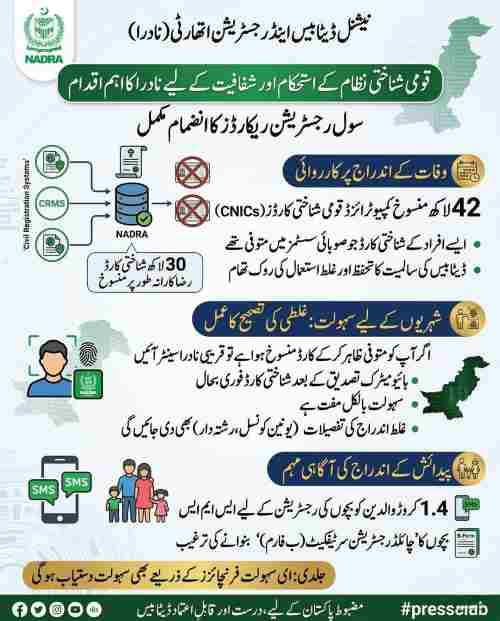
What is the last date to apply for the Bewa Sahara Card?

The government has set a clear deadline for this registration phase to ensure timely processing and fund disbursement before the holy month. The last date to apply for the current phase of the CM Punjab Bewa Sahara Card registration is March 14, 2026. It is crucial to submit your application before this date, as late submissions will not be accepted, and you will have to wait for any future registration windows that may or may not be announced.

When will the Bewa Sahara Card payments start being distributed?

Authorities have confirmed that funds will be transferred directly to beneficiaries soon after the verification process is completed. The first phase of disbursement is targeted for the end of February 2026, immediately after the initial document verification is complete for early applicants. The goal is to ensure that eligible widows receive financial aid before the start of Ramadan, allowing them to prepare for the month with dignity and without financial stress. If you apply now, payments could be processed within weeks, provided your documents are in order and your application passes the verification stage without issues.
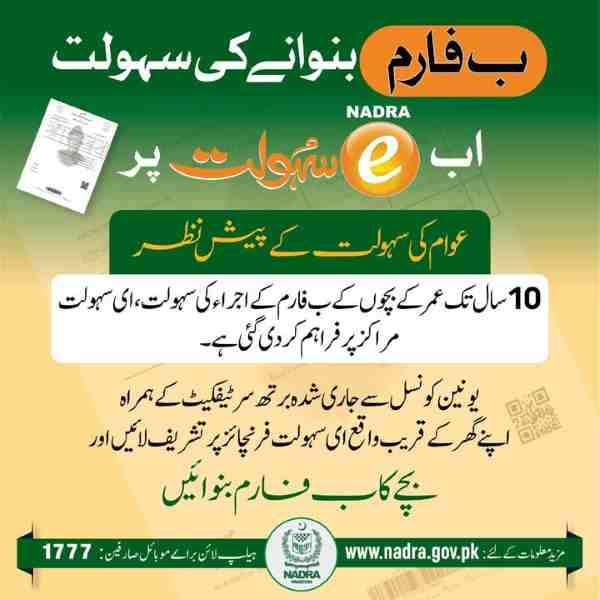
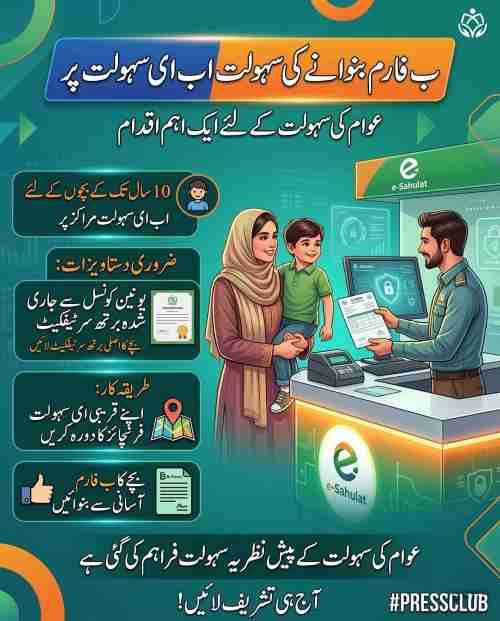
How long does the verification process take for the Bewa Sahara Card?

The verification process is thorough to ensure transparency and prevent fraud, and typically takes between two to four weeks. This timeline depends heavily on the accuracy and completeness of the documents you provide and the current volume of applications being processed. Incorrect information or missing documents will cause significant delays as your application may be set aside for manual review or returned for corrections. During this period, the PSPA and PSER teams cross-check your data with NADRA and other relevant databases, conduct biometric verification, and assign your eligibility score based on your household’s socio-economic profile.

How to Check My Bewa Sahara Card Application Status and Payment?

Once you have applied, you can easily track your application online through the official channels. Simply visit the official PSER portal at pser.punjab.gov.pk and look for the Check Status or Track Application option prominently displayed on the homepage. You will need to enter your 13-digit CNIC number and the reference number you received at the time of application. The portal will display your current status in real-time, showing whether your application is Under Review, Approved, Payment Processed, or Rejected. This transparency allows you to know exactly where you stand in the process without needing to visit any office.

How can I check my Bewa Sahara Card status via SMS?

The government uses SMS alerts to keep applicants informed at every stage, and you can also proactively check your status through SMS. While the primary code for the new system may be confirmed upon application, codes such as 8171 used for BISP and Ehsaas programs and 8070 have been mentioned for checking eligibility in related programs. To check your status, simply type your CNIC number without spaces and send it to 8070 or 8171. You will receive a return SMS with your current application status or eligibility information. Keep an eye on official SMS notifications from these numbers for unsolicited updates on your Bewa Sahara Card application as well.

How do I withdraw money from the Bewa Sahara Card?

Funds are disbursed through modern, secure channels, making withdrawal convenient and accessible even for women in rural areas. If you provided bank account details during registration, the amount will be transferred directly to that account, and you can withdraw it from any ATM using your bank card or visit the bank branch for over-the-counter withdrawal. If you registered a mobile wallet such as JazzCash or Easypaisa, the money will be credited to that account, and you can withdraw it from any affiliated retail shop or ATM that supports mobile wallet withdrawals. Some beneficiaries may receive a specific card that can be used at biometric-enabled ATMs from banks like HBL or Bank Alfalah for secure, fingerprint-verified withdrawals that add an extra layer of protection against fraud.

How can I update my mobile number in the Bewa Sahara database?

If your mobile number changes after you have applied, it is vital to update it immediately to continue receiving notifications about your application and payments. You will need to update your number in the official NADRA database first, as the PSER system pulls its data directly from NADRA records. Visit your nearest NADRA office with your CNIC to update your mobile number officially. Once updated with NADRA, the change will automatically reflect in the PSER system within a few days. You can also contact the PSPA helpline at 1221 for guidance if the update does not reflect automatically or if you need immediate assistance.

What is the PSPA Helpline and Where Can I Get Help?

Yes, the government has set up dedicated helplines to assist applicants with any questions or difficulties they may encounter. The primary helpline for the Bewa Sahara Card, managed by the Punjab Social Protection Authority, is 1221. You can call this number for any queries regarding eligibility, application status, payment issues, or general information about the scheme from anywhere in Punjab.

What is the PSER helpline number for registration issues?

For issues specifically related to registration on the PSER portal, navigating the online application, or technical problems with the survey, a separate helpline is available. You can contact the PSER helpline at 0800-02345 for assistance and to lodge complaints about technical glitches or registration difficulties. The official PSPA helpline 1221 is also a comprehensive resource for all program-related queries and can redirect you to the appropriate department if your issue requires specialized attention.

How can I get help if I am stuck during the Bewa Sahara Card application?

If you encounter any problems during the application process, you have multiple support channels available to assist you. You can call the helpline at 1221 for PSPA or 0800-02345 for PSER to receive telephonic guidance from trained operators who can walk you through the steps. You can visit your nearest e-Khidmat Markaz where staff are trained to assist you with the application, document scanning, and submission from start to finish. Your local social welfare department office can also provide in-person assistance and clarify any confusion about the process or required documents. The key is to seek help early rather than abandoning the application when you encounter difficulty.

What Problems Might I Face and How to Solve Them?

If your application is rejected, do not lose hope as a rejection is not necessarily permanent or final. You should first find out the reason for rejection by checking the PSER portal or calling the helpline to understand why your application was not approved. Common reasons for rejection include incorrect documents, data mismatches with NADRA records, incomplete information, or failure to meet income criteria. Once you understand the reason, you can correct the errors, gather the right documents, and reapply during the same registration period as long as the deadline of March 14 has not passed. Visiting an e-Khidmat Markaz can be very helpful in understanding the reason and preparing a new, correct application with professional assistance.

Is biometric verification mandatory for the Bewa Sahara Card?

Yes, biometric verification is a mandatory and non-negotiable step in the application and disbursement process. It is the primary method used to confirm your identity and ensure that the funds reach the correct, verified beneficiary. Your fingerprints will be verified against NADRA’s database to prevent fraud, impersonation, and multiple registrations by the same individual. This verification is done either at the time of offline registration at a center or at a later verification camp if you applied online. Without successful biometric verification, your application cannot proceed to approval, and funds cannot be disbursed.

What are the common mistakes to avoid during registration?

Avoiding these common pitfalls can save you from significant delays or outright rejection of your application. Mismatched CNIC and mobile number is a frequent error, so ensure your SIM is registered in your own name with NADRA before applying. Submitting incomplete or blurry documents causes verification delays, so always upload clear, legible copies and avoid blurry scans or photographs. Entering incorrect information such as mistyped CNIC numbers or misspelled names causes immediate flags in the system. Missing documents from the checklist leads to incomplete applications, so use the checklist to ensure you have everything before you start. Waiting until the last date creates stress and leaves no time for corrections, so apply early to have buffer time. Submitting multiple applications can lead to automatic rejection as the system flags duplicates. Paying agents who promise guaranteed approval is both unnecessary and risky because the registration process is completely free and no one can guarantee approval.

Are there any fees for the Bewa Sahara Card application?

No, absolutely not under any circumstances. The registration for the CM Punjab Bewa Sahara Card 2026 is completely free of cost from start to finish. The government has explicitly warned against fraudsters who may demand money in exchange for registration, forms, or promises of guaranteed approval through official and unofficial channels. If anyone asks you for a fee, whether at a center, through phone calls, or via agents in your community, it is a scam. Report such individuals to the helpline at 1221 immediately so that action can be taken against them and other vulnerable women can be protected from exploitation.

How Does the Bewa Sahara Card Relate to Other Programs and Systems?

The Punjab Socio-Economic Registry is the digital backbone of all major social welfare programs in Punjab, including the Bewa Sahara Card. It is a comprehensive database containing detailed socio-economic data on low-income families across the province. The PSER is critically important because it serves as the centralized platform for determining eligibility for multiple programs including Bewa Sahara, Rashan Relief, and education stipends through a single registration. It enables transparent verification by allowing the government to cross-check data, prevent duplication, and ensure funds go to genuinely deserving families. It uses a Proxy Means Test score to objectively identify the poorest households based on multiple factors rather than subjective assessments.

How do I register in the PSER for the Bewa Sahara Card?

Registering in the PSER is the essential first step to being considered for the Bewa Sahara Card and all other Punjab government welfare programs. You can register in the PSER through the same methods as the Bewa Sahara Card application. Online registration is available by visiting the official PSER portal at pser.punjab.gov.pk and completing the household survey with accurate information about your family composition, income sources, expenses, and living conditions. Offline registration is available by visiting your nearest e-Khidmat Markaz or designated PSER registration center, where staff will help you complete your registration and enter your information into the system. Once you are registered in the PSER and your data confirms you as a low-income widow, you will be automatically considered for relevant programs without needing to submit separate applications for each.

What is the difference between the Himmat Card and the Bewa Sahara Card?

While both are welfare initiatives by the Punjab government targeting vulnerable populations, they serve distinctly different groups and purposes. The Himmat Card is designed to provide financial assistance to persons with disabilities, helping them access mobility aids, medical care, and livelihood support. In contrast, the Bewa Sahara Card is specifically designed for widows who have lost their husbands and face financial vulnerability as a result. The eligibility criteria, required documents, and the nature of support are tailored to the specific needs of these two distinct vulnerable groups. The Bewa Sahara Card also has a specific top-up for children, which the Himmat Card does not include.

Is there a separate Sahara Card for widows from minority communities?

Yes, the Punjab government has ensured inclusivity in its welfare programs by creating specific provisions for minority communities. There is a separate portal and scheme called the Minority Sahara Card for widows and deserving individuals belonging to minority communities such as Christian, Hindu, Sikh, and others. The application for this can be made through a dedicated portal at mcard.punjab.gov.pk. This ensures that financial assistance reaches vulnerable individuals from all backgrounds regardless of their faith, reflecting the government’s commitment to equal protection for all citizens.

Conclusion and Final Checklist

The CM Punjab Bewa Sahara Card 2026 is far more than a financial aid program; it is a powerful statement of social justice and women’s empowerment that has the potential to transform hundreds of thousands of lives. By leveraging technology to ensure transparency and direct delivery, it restores dignity and provides a financial lifeline to widows who have long been marginalized and forgotten by traditional systems. It empowers them to make independent decisions, support their children’s futures, and rebuild their lives with self-respect rather than dependency on charity or family members. This initiative sets a new standard for social protection in Pakistan, proving that the state can be a true partner in the pursuit of a dignified life for its most vulnerable citizens.

Quick checklist for a successful Bewa Sahara Card application

Before you begin your application, run through this final checklist to ensure a smooth and successful process. Verify your eligibility by confirming you meet all criteria as a widow, Punjab resident, and low-income household. Gather all documents including your CNIC, husband’s NADRA death certificate, children’s B-Forms, proof of residence, and have your active mobile number ready. Register on PSER by completing your profile at pser.punjab.gov.pk or at an e-Khidmat Markaz before applying specifically for the card. Fill the application carefully by providing accurate information and uploading clear, legible copies of all documents. Submit before the deadline of March 14, 2026, to ensure your application is considered in this phase. Save your reference number after submission for future tracking and status checks. Monitor your SMS and the portal regularly for updates on your application status. Never pay anyone for any part of the process, and report any requests for payment to the helpline immediately.

Frequently Asked Questions

What is the CM Punjab Bewa Sahara Card?

The CM Punjab Bewa Sahara Card is a government initiative providing financial assistance to widows in Punjab, including a monthly stipend of Rs. 10,000 and a one-time grant of up to Rs. 150,000 depending on the number of children.

Who is eligible for the Bewa Sahara Card in Punjab?

Widows who are permanent residents of Punjab, have a NADRA-verified death certificate of their husband, belong to low-income households, and are not receiving other major provincial stipends are eligible to apply.

How much money is given through the CM Punjab Bewa Sahara Card?

Beneficiaries receive a monthly stipend of Rs. 10,000 and a one-time grant of Rs. 100,000 for widows with no children, Rs. 125,000 for those with one child, and Rs. 150,000 for those with two or more children.

How can I apply online for the Bewa Sahara Card?

You can apply online by visiting the official PSER portal at pser.punjab.gov.pk, creating an account with your CNIC and mobile number, completing the household survey, and uploading the required documents.

What documents are required for the CM Punjab Bewa Sahara Card?

Required documents include your CNIC, husband’s NADRA-verified death certificate, children’s B-Forms, proof of Punjab residence, an active mobile number registered in your name, and bank account or mobile wallet details.

Is the Bewa Sahara Card registration open for 2026?

Yes, registration is currently open and will continue until March 14, 2026. Applications submitted after this date will not be accepted in the current phase.

How do I check my Bewa Sahara Card application status?

You can check your status online at the PSER portal using your CNIC and reference number, or by sending your CNIC via SMS to 8070 or 8171 to receive an update.

Top-5-Free-Liver-Transplant-Hospital-In-Pakistan

Top 5 Free Liver Transplant Hospital In Pakistan

Every year, thousands of Pakistanis suffering from end-stage liver disease face a terrifying reality: the cost of a liver transplant is far beyond their reach. A life-saving procedure that could give them a second chance often remains a distant dream because private hospitals charge millions of rupees. Yet, many families do not know that free liver transplant programs exist across the country. This guide reveals exactly where to find them, how to apply, and what to expect from start to finish.

What you will learn from this comprehensive resource:

  • The five institutions that perform liver transplants at zero cost to eligible patients.
  • Document checklists and application steps for each free transplant program.
  • Real success rate data from Pakistan’s leading transplant centers.
  • Donor requirements and whether the donor’s surgery is also free.
  • Alternative funding sources like provincial health cards and NGO support.

Key Takeaways

  • Complete Financial Coverage: Hospitals like GIMS Gambat and SIUT Karachi cover every expense—pre-transplant tests, donor evaluation, surgery, ICU stay, and lifelong immunosuppressant medications—without charging a single rupee to the patient.
  • Provincial Government Support: Punjab’s CM Transplant Program allocates approximately 6.5 million rupees per liver transplant for eligible low-income residents, while Khyber Pakhtunkhwa’s Sehat Card Plus provides similar coverage.
  • World-Class Success Rates: Top Pakistani centers report one-year patient survival rates of 85 to 90 percent, matching global benchmarks from developed nations.
  • Donor Surgery Is Fully Included: In all government-funded free transplant programs, the donor’s entire surgical journey—from pre-operative workup to post-operative care—is also provided without any cost.
  • Registration Is the Critical First Step: Without registering with the Punjab Human Organ Transplantation Authority (PHOTA) or the respective hospital’s welfare department, patients cannot access free transplant services.

Top 5 Best Free Liver Transplant Hospitals in Pakistan

Top-5-Free-Liver-Transplant-Hospital-In-Pakistan

Which Hospitals in Pakistan Offer Completely Free Liver Transplants?

CM-Transplant-Program

Five specialized institutions in Pakistan provide 100 percent free liver transplants to eligible patients. These are the Gambat Institute of Medical Sciences (GIMS) in Sindh, the Pakistan Kidney and Liver Institute (PKLI) in Lahore, the Sindh Institute of Urology and Transplantation (SIUT) in Karachi, the CM Punjab Transplant Program operating through Bahria International Hospitals, and the Indus Hospital & Health Network. Each facility covers the full spectrum of transplant-related costs, including donor evaluation, recipient surgery, intensive care, and post-transplant medications.

The Complete List of Free Liver Transplant Centers

CM-Punjab-Transplant-Govt-Hospital-List

  • Gambat Institute of Medical Sciences (GIMS), Gambat, Sindh: This institution stands alone as Pakistan’s first five-organ transplant super center. It performs liver, kidney, bone marrow, cornea, and lung transplants entirely free of charge.
  • Pakistan Kidney and Liver Institute (PKLI), Lahore: Approximately 80 percent of kidney and liver patients receive treatment at no cost. The institute has completed over 1,000 liver transplants.
  • Sindh Institute of Urology and Transplantation (SIUT), Karachi: Founded on a philosophy of free healthcare for all, SIUT provides liver transplants without any fees, relying on government support and public donations.
  • CM Punjab Transplant Program (Bahria International Hospitals, Lahore and Rawalpindi): This government initiative covers liver transplants exclusively for permanent residents of Punjab who meet financial eligibility criteria.
  • Indus Hospital & Health Network (Korangi Campus, Karachi): Through its Firdos Liver Center, this network delivers free liver disease treatment and transplantation funded entirely by Zakat and charitable donations.

How These Free Programs Differ From Each Other

CM-Punjab-Transplant-Private-Hospital-List

FeatureGIMS GambatPKLI LahoreSIUT KarachiCM Punjab ProgramIndus Hospital
Cost to patient100% free80% of patients free100% free100% free for eligible100% free
Geographic restrictionNone (Pakistan & Afghanistan)None (nationwide)None (nationwide)Punjab residents onlyNone (nationwide)
Donor surgery costFreeFreeFreeFreeFree
Post-transplant medicinesFreeFree for eligibleFreeFree for one yearFree
Registration authorityHospital welfarePKLI + PHOTAHospital welfarePHOTA mandatoryHospital welfare

Gambat Institute of Medical Sciences (GIMS) – The Pioneer of Free Transplants

GIMS Gambat has transformed from a small rural dispensary into a world-class medical city. Under the leadership of its visionary director, this institute became Pakistan’s first facility to offer free transplants for five different organs. Liver transplant recipients pay nothing for the procedure, the donor’s surgery, or any follow-up care. The Sindh government fully funds this initiative, making GIMS a beacon of hope for patients from every province and even neighboring Afghanistan.

Is the Entire Liver Transplant Process at GIMS Really Free for Everyone?

Yes, every single component of the liver transplant journey at GIMS Gambat costs the patient absolutely nothing. This includes the initial diagnostic workup, cross-matching tests, radiology imaging, the donor’s medical evaluation, the donor’s surgery, the recipient’s operation, the ICU stay, all medications during hospitalization, and post-discharge follow-up visits. No hidden charges or administrative fees exist. Patients who have received transplants at GIMS confirm that they did not pay for blood transfusions, surgical supplies, or even food during their hospital stay.

What Success Rate Does GIMS Report for Liver Transplants?

GIMS maintains a 90 percent success rate for living donor liver transplants. This figure represents the percentage of patients who survive the first year after surgery with a functioning graft. This achievement places GIMS on par with leading transplant centers in Europe and North America. The institute’s in-house transplant team, which now performs all procedures independently, has honed its skills through thousands of surgeries, contributing directly to these excellent outcomes.

Can Patients From Other Provinces Receive Free Treatment at GIMS?

Absolutely. GIMS does not restrict its free services to Sindh residents. Patients from Punjab, Khyber Pakhtunkhwa, Balochistan, Gilgit-Baltistan, and Azad Kashmir have all received free liver transplants at this facility. The institute has also treated Afghan nationals who crossed the border specifically for this life-saving procedure. The only requirement is medical need and the availability of a suitable donor.

How Many Liver Transplants Has GIMS Performed to Date?

GIMS has successfully completed over 1,100 liver transplants. In addition, the institute has performed more than 200 bone marrow transplants and numerous pediatric heart surgeries, all free of charge. The liver transplant program continues to grow, with the team now performing several transplants each week. This volume of experience translates directly into better surgical techniques, shorter operating times, and improved patient outcomes.

What Are the Donor Requirements at GIMS Gambat?

A living liver donor must be genetically or legally related to the recipient. Acceptable relationships include parents, children, siblings, and spouses. The donor undergoes a rigorous evaluation process that includes blood group matching, cross-matching tests, liver function assessment, and psychological counseling. GIMS also performs swap transplants for pairs who are incompatible. In a swap transplant, two donor-recipient pairs exchange donors to achieve compatibility, and this complex procedure is also provided free of charge.

How to Apply for a Free Liver Transplant at GIMS

Follow these steps to apply for a free transplant at GIMS Gambat:

  1. Visit the outpatient department with the patient’s complete medical history and previous reports.
  2. Obtain a preliminary evaluation from the transplant team to confirm the need for a liver transplant.
  3. Submit a written application to the hospital’s patient welfare committee.
  4. Provide the following documents:
    • Original CNIC of patient and donor.
    • Domicile certificate or proof of residence.
    • All previous medical reports, including liver function tests and imaging scans.
    • A referral letter from a government hospital (if available).
    • An affidavit of financial inability (a simple declaration that the patient cannot afford the procedure).
  5. Undergo donor compatibility testing.
  6. Await the medical board’s approval and placement on the transplant waiting list.

Read More: Maryam Nawaz Insulin Program | Free Insulin Scheme (By Insulin Card)

Pakistan Kidney and Liver Institute (PKLI) Lahore – Advanced Care With Heavy Subsidies

PKLI-Lahore
PKLI-Lahore

PKLI Lahore stands as one of the most technologically advanced transplant centers in South Asia. The institute has equipped its operating rooms with robotic surgery systems, allowing for minimally invasive procedures. Approximately 80 percent of patients who come to PKLI receive either completely free or heavily subsidized treatment. The remaining 20 percent pay reduced rates based on a sliding scale. This model ensures that no deserving patient is turned away due to financial constraints.

What Is the Success Rate of Liver Transplants at PKLI?

PKLI has performed more than 1,000 successful liver transplants. The institute also completed a rare and highly complex domino auxiliary liver transplant for two children, demonstrating its technical expertise. While the exact one-year survival rate is not publicly published, the institute’s volume and case complexity indicate outcomes that align with international standards. The use of robotic surgery for certain liver procedures also reduces complications and shortens hospital stays.

How Much Does a Liver Transplant Actually Cost at PKLI for a Paying Patient?

For patients who do not qualify for free treatment, the government’s actual expenditure per transplant is approximately 6.5 million Pakistani rupees. This covers the surgical team, operating room, ICU stay, medications, and one year of post-transplant immunosuppressants. In the private sector, the same procedure would cost between 7 million and 10 million rupees. PKLI’s subsidized rates for non-qualifying patients fall somewhere in between, but the vast majority of patients receive significant financial assistance.

Step-by-Step Application Process for a Free Transplant at PKLI

Patients seeking a free liver transplant at PKLI must follow this structured pathway:

  • Initial consultation: Visit PKLI’s outpatient department with all existing medical records. The transplant team will determine if the patient is a candidate for transplantation.
  • Financial screening: The hospital’s welfare department will request proof of income, assets, and household size. A social worker will assess the patient’s financial inability.
  • Referral collection: Obtain a referral letter from a government hospital or a registered medical practitioner confirming the need for a liver transplant.
  • Document submission: Submit the following documents to the patient welfare office:
    • Valid CNIC for patient and donor.
    • Domicile certificate.
    • Income certificate from a government authority (union council or district office).
    • Recent utility bills as proof of residence.
    • Passport-size photographs.
    • Donor consent form and proof of relationship (birth certificate, marriage certificate, or family registration certificate).
  • PHOTA registration: The hospital will assist in registering the patient with the Punjab Human Organ Transplantation Authority. This step is mandatory for all transplant patients in Punjab.
  • Medical board review: A committee of doctors and administrators will review the case and approve or deny the application for free treatment.
  • Waiting list placement: Once approved, the patient is placed on the transplant waiting list. The wait time depends on donor availability and medical urgency.

Which Documents Are Absolutely Required for a Free Transplant at PKLI?

  • Patient and donor CNICs (original and photocopies).
  • Domicile certificate of the patient.
  • Medical reports including LFTs, viral serology, ultrasound, and CT scan of the abdomen.
  • Income certificate or affidavit of financial inability.
  • Donor relationship proof (family registration certificate, birth certificate, or marriage certificate).
  • Recent photographs of patient and donor.
  • Referral letter from a government hospital.

Sindh Institute of Urology and Transplantation (SIUT) Karachi – A Legacy of Free Healthcare

SIUT-Karachi
SIUT-Karachi

SIUT Karachi has provided free organ transplants for decades, long before any government program existed. The institute’s founder established a system where no patient pays for any service, from a simple blood test to a complex liver transplant. Funding comes from the Sindh government, Zakat collections, and individual donations. SIUT’s model has inspired similar institutions across Pakistan and has been recognized internationally as a sustainable approach to providing free tertiary care.

SIUT charges absolutely nothing. No registration fee, no consultation fee, no surgical fee, no bed charge, no medication fee, and no follow-up charge. The institute even provides free meals to patients and their attendants. This zero-fee policy applies to every patient, regardless of nationality, province, or financial status. SIUT’s philosophy is simple: healthcare is a human right, not a commodity.

How Long Is the Waiting List for a Liver Transplant at SIUT?

SIUT performs 10 to 12 transplants every week. The institute performed Pakistan’s first liver transplant back in 2003. The waiting list is dynamic and prioritized strictly by medical urgency. Patients with acute liver failure or decompensated cirrhosis are placed higher on the list than those with stable chronic liver disease. The average wait time varies, but SIUT’s high transplant volume helps keep waiting periods reasonable compared to other centers.

Are Post-Transplant Medications Also Free at SIUT?

Yes. SIUT provides all post-transplant immunosuppressant medications free of charge for the patient’s entire life. This includes regular blood tests to monitor drug levels and liver function. The institute also covers the cost of any hospital readmissions related to complications such as rejection, infection, or biliary issues. This lifelong commitment to patient care sets SIUT apart from programs that only cover the surgery itself.

Can Afghan Refugees Receive Free Liver Transplants at SIUT?

Absolutely. SIUT treats all human beings regardless of nationality, legal status, or ability to pay. Afghan refugees residing in Pakistan have received liver transplants at SIUT. The only requirement is a confirmed medical need and the availability of a suitable donor. No special documentation related to refugee status is required beyond standard identity verification.

How to Contact SIUT Karachi for a Liver Transplant Appointment

Patients can initiate the process by visiting SIUT’s main campus at Civil Hospital, New Labour Colony, Nanakwara, Karachi. The outpatient department operates daily. Alternatively, patients can call the main hospital helpline or visit one of SIUT’s regional centers located in various districts of Sindh. These regional centers can perform initial screening and arrange referral to the main Karachi facility.

CM Punjab Transplant Program and Bahria International Hospitals

Chief-minister-transplant-program

The Punjab government launched the CM Special Transplant Programme to provide free organ transplants to low-income residents of the province. To date, 2,001 patients have registered under this program, and 1,574 successful transplants have been performed. This includes 255 liver transplants. The program operates through Bahria International Hospitals located in Lahore (Orchard and main campus) and Rawalpindi (Phase 8 and Safari).

Who Qualifies for the Chief Minister Punjab Free Liver Transplant Program?

Eligibility requires meeting three conditions:

  • Permanent residency: The patient must hold a valid CNIC showing a permanent address in Punjab. Temporary residents or those from other provinces do not qualify.
  • Financial inability: The patient must prove an inability to pay for the transplant. This is verified through income certificates and asset declarations.
  • Medical need: A government hospital must certify that the patient requires a liver transplant and that no cheaper alternative treatment exists.

Additionally, the patient must register with the Punjab Human Organ Transplantation Authority (PHOTA) before the transplant can proceed.

Is Every Patient at Bahria International Hospitals Eligible for a Free Transplant?

CM-Punjab-Transplant-Patient

No. Free liver transplants at Bahria International Hospitals are available only to patients who have been approved through the CM Punjab Transplant Program. Private patients who walk in without going through PHOTA will be charged the hospital’s standard rates. The free program is strictly limited to those who have completed the government registration and approval process.

What Is the Helpline Number for the CM Punjab Transplant Program?

The dedicated helpline is 0800-09009. Patients can call this number to inquire about eligibility, required documents, application status, and the list of empaneled hospitals. The helpline operates during regular business hours and can direct callers to the nearest PHOTA office.

Detailed Application Process for the CM Punjab Free Liver Transplant Program

  1. Obtain a medical referral: Visit any government hospital in Punjab and obtain a written referral stating the need for a liver transplant.
  2. Register with PHOTA: Go to the Punjab Human Organ Transplantation Authority office or apply through their online portal. Submit the medical referral along with the patient’s CNIC and domicile certificate.
  3. Submit financial documents: Provide income certificates, asset declarations, and any other proof of low economic status.
  4. Undergo evaluation at an empaneled hospital: PHOTA will direct the patient to one of the Bahria International Hospitals for a complete medical workup.
  5. Medical board approval: A board of transplant surgeons and physicians will review the case and approve or deny the application.
  6. Transplant scheduling: Once approved, the hospital will schedule the transplant surgery as soon as a suitable donor is available.
  7. Post-transplant follow-up: The program covers immunosuppressant medications for one year after the transplant.

Indus Hospital & Health Network and the Firdos Liver Center

Indus Hospital & Health Network operates on a unique funding model. The hospital accepts no government funding. Instead, it relies entirely on Zakat, donations, and crowdfunding. Every patient receives completely free care, regardless of their ability to pay. The Firdos Liver Center is a dedicated unit within the Korangi Campus that focuses exclusively on liver disease and liver transplantation.

Is the Donor’s Surgery Also Free at Indus Hospital?

Yes. Indus Hospital covers the entire cost of the donor’s evaluation, surgery, and post-operative care. No distinction is made between recipient and donor in terms of billing. The hospital’s Zakat and donation funds are used to pay for both individuals. Donors receive the same quality of care as recipients, including private rooms, medications, and follow-up appointments.

How Can Someone Donate Zakat to Support Free Liver Transplants at Indus Hospital?

Donors can contribute Zakat through the official Indus Hospital & Health Network website. The hospital’s Zakat collection system is Shariah-compliant, and funds are segregated specifically for patient care. Donors can also sponsor an individual patient’s entire transplant by contacting the hospital’s fundraising department. Monthly donation options are available for those who wish to give smaller amounts regularly.

What Services Does the Firdos Liver Center Provide?

  • Comprehensive pre-transplant evaluation including liver biopsy, fibroscan, and portal pressure measurement.
  • Living donor liver transplant surgery performed by a dedicated transplant team.
  • Intensive care unit management for both recipient and donor.
  • Step-down care and rehabilitation.
  • Long-term outpatient follow-up clinics.
  • Free immunosuppressant medications for the lifetime of the patient.
  • Nutritional counseling and psychological support for patients and families.

What Options Exist for Patients Who Do Not Qualify for These Top Five Programs?

Patients who do not meet the eligibility criteria for the top five free transplant centers still have several pathways to affordable or subsidized liver transplants. These include provincial health insurance programs, NGO-sponsored surgeries, and reduced-cost packages at private hospitals.

Does the Sehat Sahulat Card Cover Liver Transplant Costs?

Yes, the Sehat Sahulat Card in Khyber Pakhtunkhwa covers liver transplant procedures for registered residents. The card provides annual coverage of up to 1 million rupees per family for inpatient treatments, including organ transplants. The provincial government has also announced plans to add kidney and liver transplant coverage to universal health programs in other regions. Patients should check with their local Sehat Sahulat office for the current list of covered procedures and empaneled hospitals.

Does Shifa International Hospital in Islamabad Offer Subsidized Transplant Packages?

Shifa International Hospital is a leading private transplant center in the capital. While it does not have a government-funded free transplant program, it offers subsidized packages to patients holding valid Sehat Cards or those referred through specific NGO partnerships. Patients should contact the hospital’s patient welfare department directly to inquire about available financial assistance programs.

Can Patients Receive Free Liver Transplants Through NGOs at Dr. Ziauddin Hospital?

Dr. Ziauddin Hospital in Karachi was the first private institution in Sindh to perform liver transplants. While the hospital itself does not offer a free transplant program, individual patients may receive sponsorship from philanthropic organizations or crowdfunding campaigns. Patients are advised to contact the hospital’s social services department to learn about any active NGO partnerships or Zakat-based funding opportunities.

The Complete Step-by-Step Guide to Applying for a Free Liver Transplant Anywhere in Pakistan

The application process for a free liver transplant follows a similar pattern across all institutions. Patients who understand this process in advance can save weeks or months of delays.

Step One – Obtain a Confirmed Diagnosis and Referral

The journey begins with a confirmed diagnosis of end-stage liver disease. This diagnosis must come from a government hospital or a registered medical practitioner. The doctor should provide a written referral letter stating that the patient requires a liver transplant and has no other treatment options. This referral letter is required by every free transplant program.

Step Two – Choose a Target Hospital and Visit Its Welfare Department

Research the five hospitals listed above and choose the one most accessible based on location, donor availability, and eligibility. Visit the hospital’s patient welfare or Zakat department in person. Bring all medical records and the referral letter. The welfare department will provide a list of required documents specific to that institution.

Step Three – Complete Financial Screening

The welfare department will conduct a financial assessment. This typically involves submitting income certificates, utility bills, and an affidavit of financial inability. Some hospitals may also require a home visit by a social worker to verify the patient’s living conditions. Be honest and thorough during this step, as any discrepancy can lead to rejection.

Step Four – Identify and Evaluate a Living Donor

A living donor, usually a parent, spouse, sibling, or adult child, must come forward voluntarily. The donor undergoes blood group testing, cross-matching, liver function tests, and imaging studies. All of these tests are provided free of cost at the chosen hospital. If the donor is incompatible, some hospitals offer swap transplant programs.

Step Five – Register With the Provincial Authority (Punjab Only)

For patients seeking transplants in Punjab through PKLI or the CM Punjab Program, registration with PHOTA is mandatory. The hospital’s transplant coordinator will assist with this process. Patients in Sindh or other provinces do not need PHOTA registration but must register directly with the hospital’s transplant committee.

Step Six – Medical Board Approval and Waiting List Placement

The hospital’s medical board reviews the patient’s file, including medical urgency, donor suitability, and financial status. Upon approval, the patient is placed on the transplant waiting list. The waiting time varies from a few weeks to several months, depending on donor availability and the patient’s medical condition.

How Much Does a Liver Transplant Cost in Pakistan When Not Covered by Free Programs?

In the private healthcare sector, a liver transplant costs between 6 million and 10 million Pakistani rupees. This wide range reflects differences in hospital prestige, surgeon experience, and the complexity of the case.

Breakdown of Private Liver Transplant Costs

  • Surgical team fees: 1.5 million to 2 million rupees. This includes the lead transplant surgeon, assistant surgeons, anesthesiologist, and supporting staff.
  • ICU stay: 1 million rupees or more for a typical 10 to 14 day stay. Each additional day adds significant cost.
  • Operating room charges: 500,000 to 800,000 rupees. This covers the use of the surgical suite, equipment, and nursing staff.
  • Medications during hospitalization: 300,000 to 500,000 rupees for antibiotics, immunosuppressants, blood products, and other drugs.
  • Donor workup and surgery: 1 million to 1.5 million rupees. This includes the donor’s evaluation, hospitalization, and surgical procedure.
  • Post-transplant immunosuppressants (first year): 1.2 million rupees or more. These medications must be taken for life.

Comparison of Government vs. Private Costs

Expense CategoryGovernment Free ProgramPrivate Hospital
Patient pays0 rupees6-10 million rupees
Donor pays0 rupees0 rupees (recipient pays)
Post-transplant meds (lifetime)Free at SIUT, GIMS; 1 year free at PKLIPatient pays full cost
Hidden feesNoneRegistration, administrative, and miscellaneous fees may apply

Success Rates and Survival Data for Liver Transplants in Pakistan

The best liver transplant hospitals in Pakistan report one-year patient survival rates of 85 to 90 percent. These figures are comparable to leading centers in the United States, Europe, and Japan.

What Is the One-Year Survival Rate for Liver Transplant Patients in Pakistan?

At GIMS Gambat, the one-year survival rate is 90 percent. At PKLI, the rate is similar, though not formally published. SIUT’s long experience suggests comparable outcomes. These rates apply to living donor liver transplants, which constitute the vast majority of procedures performed in Pakistan. Deceased donor liver transplants are rare due to cultural and legal barriers.

Which Hospital Handles the Most Complex Transplant Cases?

GIMS Gambat is widely recognized for taking on the most challenging cases. The institute performs swap liver transplants for incompatible donor-recipient pairs, auxiliary liver transplants for metabolic diseases, and pediatric liver transplants for children as young as a few months old. PKLI recently performed a domino auxiliary transplant for two children, another example of complex case management.

What Is the Quality of Life After a Liver Transplant?

Most patients return to normal daily activities within three to six months after surgery. They can work, travel, and enjoy family life. However, lifelong immunosuppressant medications are required to prevent organ rejection. Regular follow-up visits with blood tests are necessary to monitor liver function and drug levels. Despite these requirements, the quality of life after a transplant is dramatically better than the suffering of end-stage liver disease.

Frequently Asked Questions

Which hospital has the best liver transplant surgeons in Pakistan?

PKLI and GIMS employ the most experienced transplant teams, each having performed over 1,000 liver transplants. GIMS has developed its own in-house team that now handles all procedures with a 90 percent success rate, matching developed countries.

Is there a free liver transplant facility available in Peshawar?

No dedicated free transplant center exists in Peshawar. However, Khyber Pakhtunkhwa residents can use the Sehat Card Plus to receive free liver transplants at empaneled hospitals in other cities, including Islamabad and Lahore.

Which city in Pakistan is best for affordable liver treatment?

Gambat in Sindh and Lahore in Punjab offer the most robust free transplant programs. GIMS Gambat provides 100 percent free transplants to patients from anywhere in the country, while Lahore offers multiple options including PKLI and the CM Punjab Transplant Program.

How to find a free liver donor in Pakistan?

Patients must find a genetically or legally related donor such as a parent, spouse, sibling, or child. If no related donor is available, GIMS Gambat offers swap transplant programs free of cost. No centralized donor list exists due to legal and ethical restrictions.

What is the age limit for receiving a free liver transplant?

No strict upper age limit exists. Patients are evaluated based on their biological age and overall health. Pediatric liver transplants are available at GIMS and PKLI for children with end-stage liver disease.

What tests are mandatory before a liver transplant in Pakistan?

Mandatory tests include liver function tests (LFTs), viral serology for hepatitis B and C, CT abdomen with angiography, cardiac evaluation including echocardiogram, and cross-matching for donor compatibility. All these tests are free at government-funded transplant centers.

Does the Sindh government provide special funds for liver patients?

Yes. GIMS Gambat is fully funded by the Sindh government to provide free transplants. The institute performs 100 percent free liver, kidney, bone marrow, pediatric heart, and open heart surgeries with government support.

Disclaimer: This guide provides general information for educational purposes. Hospital policies, eligibility criteria, and program availability may change. Always verify directly with the hospital before making any medical decisions.

Top-5-Free-kidney-Transplant-Hospital-in-Pakistan

Top 5 Free Kidney Transplant Hospital In Pakistan

The inability to afford a kidney transplant often feels like a death sentence for countless Pakistanis suffering from end-stage renal disease. However, a network of world-class, government-supported, and philanthropic hospitals now provides free kidney transplant hospital in Pakistan services, offering a genuine second chance at life without financial ruin. This definitive medical guide explores the top centers providing zero-cost renal care, the government programs funding them, and the step-by-step process to access this life-saving treatment.

What You Will Learn in This Guide:

  • Detailed profiles of the top 5 institutions offering completely free kidney transplants
  • Step-by-step registration and eligibility criteria for each hospital and government scheme
  • In-depth analysis of costs, success rates, waiting periods, and post-transplant medication coverage
  • Legal and ethical requirements through PHOTA and how to avoid illegal transplants
  • The future landscape of free transplant services across all provinces of Pakistan

Key Takeaways

  • Five Leading Institutions: SIUT Karachi, PKLI Lahore, GIMS Sukkur, Jinnah Hospital Lahore, and MIKD Multan are the primary providers of completely free kidney transplants in Pakistan.
  • Government Coverage Expands: The CM Punjab Transplant Program has successfully performed over 1,000 free transplants, covering procedures that can cost up to Rs6.5 million per patient.
  • Lifelong vs. Limited Medication: SIUT provides lifelong free immunosuppressants, while the Punjab government offers one year of free post-transplant medication under its program.
  • PHOTA Registration is Mandatory: No legal transplant can proceed in Punjab without registration with the Punjab Human Organ Transplantation Authority, which strictly prevents organ trafficking.
  • Regional Expansion is Active: New free transplant services have launched in Quetta (Balochistan) and are planned for Peshawar (KP), significantly improving geographic access.

Top 5 Best Free Kidney Transplant Hospitals In Pakistan

Top-5-Free-kidney-Transplant-Hospital-in-Pakistan

1. The Landscape of Free Kidney Transplants in Pakistan

CM-Transplant-Program

What is the Current State of Kidney Failure and Transplantation in Pakistan?

Approximately 150,000 patients die annually in Pakistan due to the lack of organ transplantation access, highlighting a massive healthcare gap that the government and philanthropic organizations are now aggressively working to fill through free transplant initiatives. The demand for kidney transplants far exceeds the available supply, with thousands of new patients entering dialysis each year and facing prohibitively high costs for private treatment.

The scale of the problem:

  • Over 20 million people in Pakistan are estimated to suffer from some form of kidney disease.
  • End-stage renal disease (ESRD) affects tens of thousands of new patients every year.
  • Dialysis, the only alternative to transplant, costs between Rs25,000 to Rs50,000 per month, a burden most families cannot sustain.
  • Private kidney transplants cost between Rs1.5 million to Rs3 million, placing them out of reach for the average Pakistani household.

Read More: CM Punjab Climate Internship Program (PKR 60K Apply Online)

How Has the Government Responded to This Healthcare Crisis?

CM-Punjab-Transplant-Govt-Hospital-List

In response, both federal and provincial governments have launched landmark programs. The Punjab government, under Chief Minister Maryam Nawaz Sharif, launched the Chief Minister’s Special Initiative for Transplant Program (CMSITP), the most comprehensive transplant initiative in Pakistan’s history. This program covers five major organ transplants free of cost: kidney, liver, bone marrow, cornea, and cochlear implants for children with hearing impairments.

Key government actions:

  • The Government of Punjab has allocated hundreds of millions of rupees annually to fund free transplants.
  • The Sindh government supports SIUT and GIMS through a public-private partnership model.
  • The Government of Balochistan launched kidney transplant services at the Institute for Kidney and Bladder Diseases in Quetta, making it available completely free of charge.
  • The KP government has approved seed money of Rs500 million to establish transplant centers at Khyber Teaching Hospital in Peshawar.

2. Top 5 Hospitals Providing Free Kidney Transplants

CM-Punjab-Transplant-Private-Hospital-List

How Do the Top Free Kidney Transplant Hospitals Compare?

HospitalLocationFree CoverageTotal Free TransplantsKey Unique Feature
SIUT KarachiKarachi100% free including lifelong medicines6,000+Asia’s largest free transplant center
PKLI LahoreLahore80% of patients free, others subsidized1,200+Robotic surgery and 80% free treatment
GIMS SukkurSukkur100% free for five organs1,362+ liver onlyFirst five-organ transplant center
Jinnah Hospital LahoreLahore100% free under CM programFirst completed Jan 2026Newest government teaching hospital program
MIKD MultanMultan100% free (Punjab government funded)100+Regional center for South Punjab

Why is SIUT Karachi the Gold Standard for Free Kidney Transplants?

SIUT-Karachi
SIUT-Karachi

SIUT Karachi is the gold standard because it has pioneered a community-supported, free renal transplantation model since the 1980s, performing over 6,000 renal transplants with a 90% graft survival rate at one year, funded through a 40-60% government-community partnership. All services, from dialysis and kidney transplants to advanced surgeries and oncology treatments, are offered at no cost to patients, preserving their dignity and self-respect.

Key features of the SIUT model:

  • Complete financial coverage: The institute has performed over 5,500 kidney, liver, and cornea transplants free of cost.
  • Lifelong free medication: All transplant patients receive free immunosuppressant medicines, post-checkups, dietary charts, and surveillance for their entire life.
  • Advanced technology: SIUT operates the country’s first clinical transplant immunology laboratory and offers robotic surgery, CT/MRI diagnostics, and lithotripsy.
  • Massive scale: The institute has treated over 35 million patients over its five decades of operation.
  • Ethical transplantation: SIUT is a pioneer in introducing transplant technology in Pakistan with a strong ethical framework.

The unique funding model:
SIUT operates on a community-government partnership model that has increased the number of transplantations and patient and organ survival substantially. The scheme has proven effective, and currently, 110 transplants per year are performed, with free aftercare and immunosuppressive drugs. Confidence has been built in the community, with strong donations of money, equipment, and medicines.

How Does PKLI Lahore Offer Free Kidney Transplants to 80% of Patients?

PKLI-Lahore
PKLI-Lahore

PKLI Lahore offers free treatment to nearly 80% of deserving kidney and liver patients, a fact confirmed by Chairman Professor Dr. Saeed Akhtar, who stated that the institute has successfully carried out more than 1,000 liver transplants and over 1,200 kidney transplants, with a significant portion provided free of cost. The institute has spent approximately PKR 17 billion to support patient care.

PKLI’s impressive achievements:

  • Total transplants: 1,200+ kidney transplants, 1,000+ liver transplants, 16 bone marrow transplants.
  • Surgical volume: Approximately 14,500 surgical procedures completed.
  • Robotic surgeries: Over 500 successful robotic surgeries performed, bringing cutting-edge technology to Pakistan.
  • Free treatment percentage: 80% of patients receive free, technology-driven treatment, underscoring the institute’s commitment to accessible, high-quality healthcare.

How the PKLI financial model works:

  • Financial screening tool: A structured assessment evaluates household income, assets, and family size.
  • 80% threshold: Nearly four out of five patients receive treatment completely free of charge.
  • Subsidized rates for others: Patients who can partially pay receive treatment at significantly reduced costs compared to market rates.
  • Zakat and donations: Philanthropic contributions help fund free treatments for the most vulnerable patients.
  • Government support: The Punjab government backs the institute’s mission.

Future initiatives at PKLI:

  • PKLI University to train healthcare professionals.
  • Pakistan’s first advanced biobank research facility.
  • Medical tourism promotion.
  • A deceased donor transplant program currently in development.

What Makes GIMS Sukkur Pakistan’s First Five-Organ Transplant Super Center?

GIMS Sukkur has transformed into Pakistan’s pioneering center that offers 100% free transplants for five major organs: kidney, liver, bone marrow, cornea, and lung, a feat no other institution in the country can claim. The journey began in 2012 with its first cardiac surgery, and the breakthrough came in 2016 with Pakistan’s inaugural 100% free-of-cost kidney transplant, soon joined by a free liver transplant.

GIMS’s remarkable milestones:

  • 2016: First 100% free kidney transplant in Pakistan.
  • 2018: Launch of cornea transplantation.
  • 2019: Introduction of a Rapid Response unit and Gambat Heart Center.
  • 2021: Addition of hematology and a 100% free bone marrow transplant unit.
  • 2022: Opening of a state-of-the-art Nuclear Medicine Cancer Care and Research Center.
  • 2023: Lung cancer and transplant facilities added.
  • 2024: Over 1,000 free liver transplants completed and crossed 100 free bone marrow transplants.

Patient demographics at GIMS:

  • 47% from Sindh (local patients)
  • 34% from Punjab (the second largest contributor)
  • 15% from Balochistan
  • 4% from Khyber Pakhtunkhwa
  • A smaller fraction from Azad Kashmir, Islamabad, and even Afghanistan

This diverse patient base proves the center’s reach extends beyond provincial borders, welcoming patients from neighboring nations for free treatment. GIMS now stands as a beacon of compassionate, affordable healthcare, proving that cutting-edge medical services can be delivered without cost, empowering the most deprived communities.

Is Jinnah Hospital Lahore Actually Offering Free Kidney Transplants?

CM-Punjab-Transplant-Patient

Yes, Jinnah Hospital Lahore has formally begun offering free kidney transplant services under the Punjab government initiative, with the first successful operation performed on a patient who received a kidney from a family donor, and both patient and donor are recovering well. The hospital received its transplant license from the Punjab Healthcare Commission after a thorough inspection.

Key details about Jinnah Hospital’s transplant program:

  • First transplant completed: The operation was performed as a major step forward under the Chief Minister’s vision.
  • Hospital recognition: Punjab Health Minister Khawaja Salman Rafiq congratulated the doctors on the successful operation.
  • Free surgeries commitment: The Punjab government has confirmed that free surgeries are being provided at this facility.
  • Only government teaching hospital in Punjab offering transplants: Patients from across Punjab, including remote areas, can now access free transplants.

What Makes MIKD Multan a Leading Free Transplant Center for South Punjab?

Multan-Institute-of-Kidney-Diseases

The Multan Institute of Kidney Diseases (MIKD), managed by the Indus Hospital & Health Network, has achieved a remarkable milestone by successfully completing its 100th free-of-cost renal transplant, a major accomplishment reflecting MIKD’s strong commitment to delivering compassionate and high-quality kidney care to underserved communities in South Punjab. Since its first transplant on August 3, 2021, MIKD has been steadily growing as a center of excellence for renal care.

MIKD’s achievements and capabilities:

  • 100th transplant milestone: Completed on April 8, marking a significant achievement.
  • 20 transplants per year average: The institute maintains a steady pace of free transplants.
  • Five-step workup process: Includes advanced diagnostics, donor and recipient screenings, and approval by the Transplant Evaluation Committee.
  • Skilled multidisciplinary team: Led by transplant surgeons including Dr. M. Salman Arshad, Dr. Ali Imran Zaidi, Dr. Nouman Masood, and Dr. Ayyaz Bilal.
  • Advanced infrastructure: Four operation theatres (two modular), dedicated ICU and HDU units with 13 beds, 24/7 emergency room with dialysis machines, and fully functional departments including pathology, radiology, pharmacy, and blood bank.

Post-transplant care at MIKD:

  • Regular checkups, medication support, and follow-up visits for one year.
  • After the first year, patients are enrolled in the hospital’s “Adopt a Patient” program.
  • This ensures continued support for those in need, without any financial burden.

A patient story from MIKD:
Muhammad Naeem, a 53-year-old patient from Multan, spent years relying on a wheelchair and dialysis. With MIKD’s support, he lost weight, completed his transplant workup, and received a kidney from his wife. Six months later, Naeem is now walking again and running a small drink corner to support his family. His story shows how access to quality healthcare can restore dignity, mobility, and livelihood.

3. Government Programs Enabling Free Transplants

What is the CM Punjab Free Transplant Program and Who Qualifies?

The CM Punjab Free Transplant Program, officially the Chief Minister’s Special Initiative for Transplant Program (CMSITP), is a landmark healthcare initiative launched by the Punjab government to provide completely free kidney, liver, bone marrow, corneal, and cochlear implant transplants to underprivileged residents of Punjab. The program is implemented by the Punjab Health Initiative Management Company (PHIMC), which oversees the financial and administrative aspects, ensuring transparency and efficiency.

Program coverage details:

Procedure TypeCoverageGovernment Cost
Kidney Transplant100% freeUp to Rs2 million per patient
Liver Transplant100% freeApproximately Rs6.5 million per surgery
Bone Marrow Transplant100% freeFully covered
Corneal Transplant100% freeFully covered
Cochlear Implant100% freeFully covered

Program performance statistics:

  • 2,001 patients registered under the CM Special Transplant Programme.
  • 1,574 successful transplants performed to date.
  • 799 kidney transplants completed free of charge.
  • 255 liver transplants performed with government spending.
  • 460 cochlear implants successfully completed.
  • 32 corneal transplants performed.
  • 28 bone marrow transplants completed.

Eligibility criteria:

  • Residency requirement: Must be a permanent resident of Punjab with valid proof of residency.
  • Age criteria: Patients aged 18 to 60 are eligible for the program.
  • Financial criteria: Must be classified as financially struggling based on government assessment.
  • Medical need: Must be certified by a specialist as requiring an organ transplant.
  • Legal donor requirement: Must have a legal donor (usually a family member) registered with PHOTA.

Post-transplant medication coverage:

  • One year of free immunosuppressant medicines for kidney and liver transplant recipients.
  • Medicines provided at no cost for twelve months following the procedure.
  • This significantly reduces the financial burden during the critical first year of recovery.

How Can I Register for the CM Punjab Free Transplant Program via PHOTA?

To register for the CM Punjab Free Transplant Program, patients must first register with the Punjab Human Organ Transplantation Authority (PHOTA), which is the mandatory regulatory body responsible for ensuring all organ transplants in Punjab are ethical, legal, and safe. Without this registration, a patient cannot legally receive a transplant under the program.

Step-by-step registration process:

  1. Initial medical evaluation: Consult with a specialist who confirms the medical need for a kidney transplant.
  2. Donor identification: Identify a legal donor (usually a close family member) willing to donate.
  3. Documentation gathering: Collect all required documents including CNIC, proof of residence, income certificate, and medical reports.
  4. PHOTA application submission: Submit the completed application form along with all supporting documents to PHOTA.
  5. Verification process: PHOTA reviews the application to ensure compliance with ethical and legal standards.
  6. Approval and hospital referral: Once approved, PHOTA refers the patient to an empaneled hospital for the transplant procedure.

Required documents for PHOTA registration:

  • Valid CNIC (Computerized National Identity Card) of patient and donor.
  • Proof of Punjab residency (domicile certificate or other government-issued document).
  • Income certificate or proof of financial status.
  • Medical reports from a certified specialist confirming organ failure.
  • Donor consent documents as required by PHOTA regulations.
  • Family tree or relationship proof between patient and donor.

Important notes about PHOTA registration:

  • Registration is absolutely mandatory; no transplant can proceed without PHOTA approval.
  • PHOTA has approved the registration of 28 hospitals across Punjab for transplantation of various organs.
  • The authority takes strict action against illegal organ transplants, including canceling hospital registrations.
  • A toll-free helpline (09009 0800) has been set up for information and assistance.

4. Eligibility, Registration, and Documentation

What Are the Eligibility Criteria for a Free Kidney Transplant in Pakistan?

The eligibility criteria for a free kidney transplant in Pakistan vary by hospital and program, but generally include a confirmed medical diagnosis of end-stage renal disease requiring transplantation, the presence of a legal donor (usually a close family member), financial need as determined by the hospital’s screening process or government program criteria, and valid identification documents proving residency in the relevant province for government-funded programs.

General eligibility requirements across all programs:

  • Medical necessity: Confirmed diagnosis of irreversible kidney failure requiring transplantation.
  • Legal donor availability: A donor who is a close relative (parent, sibling, child, spouse) and willing to donate.
  • Donor health: The donor must be medically fit for donation with no contraindications.
  • PHOTA compliance: For transplants in Punjab, registration with PHOTA is mandatory.
  • Financial assessment: Most programs require proof of financial inability to pay for the transplant.

Hospital-specific eligibility criteria:

HospitalFinancial CriteriaDonor RequirementResidencyAge Limit
SIUT KarachiNo income threshold, need-basedFamily donor preferredNo restrictionNo strict limit
PKLI LahoreFinancial screening toolFamily donor requiredPakistan-wideClinical judgment
GIMS SukkurNeed-based, no income thresholdFamily donor preferredNo restrictionNo strict limit
Jinnah Hospital LahoreUnder CM program criteriaLegal donor with PHOTAPunjab resident18-60 years
MIKD MultanGovernment-funded, need-basedFamily donor requiredPunjab resident18-60 years

What is the Age Limit for Receiving a Free Kidney Transplant in Pakistan?

Generally, patients between 18 and 60 years are eligible for free kidney transplants under most government programs in Pakistan, with children considered for specific treatments like cochlear or cornea transplants, but SIUT Karachi and GIMS Sukkur have no strict age limit and evaluate each patient individually based on clinical condition rather than chronological age.

Age limits by hospital and program:

Institution/ProgramLower Age LimitUpper Age LimitSpecial Considerations
SIUT KarachiNo strict limitNo strict limitCase-by-case clinical evaluation
PKLI LahoreClinical judgmentClinical judgmentFitness more important than age
GIMS SukkurNo strict limitNo strict limitCase-by-case evaluation
CM Punjab Program18 years60 yearsChildren considered for specific treatments
Jinnah Hospital Lahore18 years60 yearsUnder CM program guidelines

Can a Non-Relative Donate a Kidney for a Free Transplant in Pakistan?

A non-relative can donate a kidney for a transplant in Pakistan only under very strict conditions regulated by PHOTA, which requires proof of an emotional attachment such as a long-standing relationship (like a spouse or close friend) and approval from the transplant authority. The donation must be completely altruistic with no financial transaction involved.

Types of donors recognized in Pakistan:

Donor TypeRelationshipPHOTA ApprovalAdditional Requirements
Immediate familyParent, child, siblingStandard processProof of relationship
Extended familyGrandparent, aunt, uncle, cousinEnhanced scrutinyFamily tree documentation
SpouseHusband or wifeEnhanced scrutinyMarriage certificate
Emotional attachmentClose friend, long-term relationshipIntensive scrutinyProof of relationship duration
StrangerNo prior relationshipGenerally not approvedOrgan trafficking concerns

What Documents Are Required for a Free Transplant Application at Major Hospitals?

The documents required for a free transplant application vary by hospital, but generally include CNIC copies of patient and donor, proof of income and financial status, medical reports from a certified nephrologist confirming end-stage renal disease, donor evaluation reports, and a completed financial assessment form.

PKLI required documents checklist:

  • Patient identification: Valid CNIC (original and copies), recent photographs.
  • Donor identification: Valid CNIC, proof of relationship to patient.
  • Financial documentation: Income certificate, proof of assets, utility bills, family size declaration.
  • Medical documentation: Complete medical history, dialysis records, lab reports, imaging studies.
  • Donor medical documentation: Complete health assessment, blood type matching, crossmatch reports.
  • Legal documentation: PHOTA registration (for Punjab residents), donor consent forms.

SIUT required documents checklist:

  • Patient identification: CNIC or B-Form for children, proof of address.
  • Donor identification: CNIC, proof of relationship (family tree or marriage certificate).
  • Medical referral: Referral letter from a nephrologist confirming need for transplant.
  • Medical records: Available medical history and test results (as much as possible).
  • Financial documentation: No formal requirement; financial assessment done through interview.

5. Financial Breakdown: Costs, Subsidies, and Zakat

How Much Does a Kidney Transplant Cost in Pakistan If Not Done for Free?

A kidney transplant in Pakistan costs between Rs1.5 million to Rs3 million for the complete procedure including pre-transplant evaluation, surgery, hospital stay, and initial follow-up care, with PKLI offering treatment at about Rs6 million for paying patients which is still significantly lower than international rates. These costs do not include lifelong immunosuppressant medications, which add significant ongoing expense.

Breakdown of kidney transplant costs in Pakistan:

Cost ComponentEstimated Range (Rs)Notes
Pre-transplant evaluation150,000 – 300,000Donor and recipient testing, crossmatching
Surgery and hospital stay800,000 – 1,500,000Operating room, anesthesia, 2-3 week stay
Surgeon and medical team fees200,000 – 500,000Transplant surgeon, nephrologist, anesthesiologist
Diagnostic and lab work100,000 – 200,000Pre and post-surgery tests
Medications (initial)100,000 – 300,000Immunosuppressants for first few months
Follow-up care (first year)100,000 – 200,000Regular check-ups, lab monitoring
Total estimated cost1,450,000 – 3,000,000Excludes lifelong medication

Comparison of costs across hospitals:

HospitalCost for Paying PatientsSubsidized Rates Available
PKLI LahoreApproximately Rs6 millionYes, for qualifying patients
Private hospitalsRs3 million+Limited
International ratesRs10-50 millionNot applicable

Is the Medicine After a Kidney Transplant Also Free in Pakistan?

The medicine after a kidney transplant is completely free for patients treated at SIUT Karachi for their entire lifetime, while under the CM Punjab Transplant Program, patients receive free immunosuppressant medicines for one year following the transplant, after which they must arrange for their own medications or seek additional support from charitable organizations or hospital assistance programs.

Immunosuppressant medication coverage by hospital:

Hospital/ProgramMedication CoverageDurationTypical Monthly Cost If Not Covered
SIUT Karachi100% freeLifelongRs15,000 – 30,000
CM Punjab ProgramFree1 year post-transplantRs15,000 – 30,000
PKLI LahoreCase-by-caseVariableRs15,000 – 30,000
GIMS Sukkur100% freeLifelongRs15,000 – 30,000

Common immunosuppressant medications used in Pakistan:

  • Tacrolimus (primary calcineurin inhibitor)
  • Mycophenolate mofetil (antiproliferative agent)
  • Prednisolone (corticosteroid)
  • Cyclosporine (alternative calcineurin inhibitor)
  • Sirolimus (mTOR inhibitor, used in specific cases)

How Does PKLI’s Financial Assistance System Work for Needy Patients?

PKLI’s financial assistance system operates on a sliding scale where approximately 80% of deserving patients receive completely free treatment, while the remaining 20% may receive subsidized rates of up to 30% or more off the standard commercial rate, with the specific subsidy amount determined by a structured financial screening tool that evaluates household income, assets, family size, and other socioeconomic factors.

How PKLI determines financial assistance level:

Patient CategoryEstimated Income LevelAssistance ProvidedOut-of-Pocket Cost
Extremely needyBelow poverty line100% freeZero
Very needyLow income, multiple dependents100% freeZero
Moderately needyLower-middle income70-80% subsidy20-30% of standard rate
BorderlineMiddle income30-50% subsidy50-70% of standard rate
AffluentHigh incomeNo subsidyFull commercial rate (~Rs6 million)

How Zakat funding works at PKLI:

  • Zakat collections are maintained in a separate fund designated for patient assistance.
  • Eligible patients (Muslims meeting Zakat criteria) can apply for Zakat support.
  • Zakat funds are distributed according to Islamic principles to the most deserving recipients.
  • Patients do not need to repay Zakat assistance.
  • The Zakat committee reviews applications and determines distribution amounts.

6. Success Rates and Patient Outcomes

What is the Success Rate of Free Kidney Transplants in Pakistan?

The success rate of free kidney transplants in Pakistan at leading institutions like SIUT and PKLI exceeds 90% for the first year post-transplant, with long-term graft survival rates comparable to international standards. SIUT has achieved a 90% graft survival rate at one year, a figure that stands shoulder to shoulder with the world’s best transplant centers.

Success rate comparison by hospital:

Hospital1-Year Graft Survival5-Year Graft SurvivalNotes
SIUT KarachiOver 90%Over 80%Decades of experience, large patient volume
PKLI LahoreOver 90%Data accumulatingNewer institute with modern protocols
International average85-95%70-85%Varies by center and patient population

Factors that influence transplant success:

  • Donor-recipient matching: Better HLA matching leads to lower rejection rates.
  • Age of recipient: Younger patients generally have better outcomes.
  • Cause of kidney failure: Some diseases have higher recurrence rates.
  • Medication adherence: Taking immunosuppressants exactly as prescribed is critical.
  • Quality of follow-up care: Regular monitoring catches problems early.
  • Donor health: Kidneys from healthy donors function better and last longer.

What is Life Like After a Kidney Transplant in Pakistan?

Life after a kidney transplant in Pakistan is transformative for most patients, with successful recipients reporting that they can return to normal activities, work, and family life without the constraints of dialysis. Many describe feeling “reborn” with energy levels they had not experienced in years due to kidney failure.

Common patient-reported improvements after transplant:

Aspect of LifeBefore Transplant (On Dialysis)After Successful Transplant
Energy levelLow, constant fatigueNormal, improved significantly
DietStrict restrictions on fluids, potassium, phosphorusNormal diet with some healthy guidelines
TravelRequires dialysis arrangementsFree to travel with medication
WorkOften unable to work full-timeCan return to employment
SleepOften disrupted by dialysis scheduleNormal sleep patterns
Mental healthDepression and anxiety commonImproved mood and outlook

7. Regional Access: Islamabad, Peshawar, and Balochistan

Are There Any Free Kidney Transplant Hospitals in Islamabad or Rawalpindi?

Free kidney transplant services in Islamabad and Rawalpindi are primarily available through PKLI Rawalpindi (which plans to begin transplant procedures), and through Bahria International Hospital Rawalpindi under the CM Punjab Transplant Program for eligible patients. There is currently no government hospital in Islamabad itself that performs free kidney transplants, so patients must travel to Rawalpindi or Lahore for treatment.

Options for patients in Islamabad and Rawalpindi:

HospitalLocationFree Coverage EligibilityCurrent Status
PKLI RawalpindiRawalpindiUnder CM Punjab Program (30% subsidy or free through Zakat)Planning to start transplants Sep 2025
Bahria International HospitalRawalpindiUnder CM Punjab ProgramActive
Benazir Bhutto General HospitalRawalpindiFree kidney treatments including dialysis and surgeries6 successful transplants conducted

Are There Free Kidney Transplant Facilities in Peshawar and Balochistan?

Yes, significant developments are underway in both provinces. In Khyber Pakhtunkhwa, the government has decided to establish kidney, liver, and bone marrow transplant centers at Khyber Teaching Hospital (KTH), Peshawar, with seed money of Rs500 million approved. In Balochistan, the Institute for Kidney and Bladder Diseases in Quetta has officially launched kidney transplant services completely free of charge.

KP developments:

  • KTH attains quaternary care status: Pakistan’s first quaternary care hospital offering free treatment for community liver, kidney, and bone marrow transplants.
  • Rs500 million seed money: Approved to establish a 300-bed facility.
  • Experienced leadership: Dr. Taqi Taufiq Khan (renal transplant surgeon with 100+ transplants) will supervise kidney transplants.
  • 60-70 transplants per month target: The ambitious plan aims to serve a large patient population.
  • Sehat Card Plus integration: Centers will be connected with SCP to ensure free services on a sustainable basis.

Balochistan developments:

  • Institute for Kidney and Bladder Diseases, Quetta: Officially launched kidney transplant services in accordance with the Human Organ Transplant Act.
  • Completely free of charge: Patients no longer need to travel to other provinces, incurring costs amounting to hundreds of thousands of rupees.
  • State-of-the-art facilities: Expert medical supervision and modern equipment.

What is PHOTA and Why is Registration Mandatory?

PHOTA (Punjab Human Organ Transplantation Authority) is the regulatory body established by the Punjab government to oversee all organ transplantation activities in the province, ensuring that every transplant is ethical, legal, and safe. Registration with PHOTA is mandatory for any patient seeking a free transplant under the CM Punjab Transplant Program because without this registration, the transplant cannot legally proceed.

What PHOTA does:

  • Registration: Approves patients and donors for transplantation.
  • Verification: Confirms relationships between donors and recipients.
  • Oversight: Monitors transplant activities at registered hospitals.
  • Enforcement: Takes action against illegal transplants and organ trafficking.
  • Approval: Authorizes hospital registrations and renewals for transplant services.

Why PHOTA registration is mandatory:

  • Legal requirement: The Transplantation of Human Organs and Tissues Act requires regulatory approval for all transplants.
  • Prevention of organ trade: PHOTA ensures no financial transaction is involved in organ donation.
  • Ethical compliance: Verifies that donations are voluntary and based on genuine relationships.
  • Patient safety: Ensures both donor and recipient meet medical and legal requirements.
  • Program access: Without PHOTA registration, patients cannot access CM Punjab Program benefits.

Is There Strict Action Against Illegal Organ Transplants in Punjab?

Yes, the Punjab government through PHOTA takes strict action against illegal organ transplants in Punjab, including canceling hospital registrations, pursuing criminal charges against medical professionals involved in unauthorized transplants, and actively monitoring transplant activities to prevent organ trafficking. The Health Minister has confirmed that strict action is underway against illegal organ transplants in the province.

Types of enforcement actions taken:

ViolationEnforcement Action
Unregistered transplantHospital registration cancelled, criminal charges filed
Commercial organ tradeArrests, prosecution under Transplantation Act
Fake documentationLegal action against patients and donors involved
Unapproved donor relationshipsTransplant halted, investigation initiated

9. The Future of Free Transplants in Pakistan

Is the Free Kidney Transplant Hospital Network Expanding to Other Cities?

Yes, the free kidney transplant hospital network is actively expanding to other cities in Pakistan. The Punjab government’s CM Transplant Program has already empaneled hospitals in multiple locations including Lahore, Rawalpindi, and Multan, with further expansion planned. SIUT is also expanding with a new campus in Larkana, bringing free transplant services to northern Sindh.

Current expansion initiatives:

LocationCurrent StatusFuture Plans
MultanMIKD fully operational, 100+ transplantsExpand capacity
LarkanaSIUT new campusFree transplant services for northern Sindh
RawalpindiPKLI Rawalpindi planning Sep 2025 startBegin kidney and liver transplant procedures
PeshawarKTH centers under development60-70 transplants per month target
QuettaInstitute for Kidney and Bladder Diseases launchedExpand capacity and services

PKLI’s future initiatives:

  • PKLI University: Training the next generation of transplant professionals.
  • Advanced biobank research facility: Pakistan’s first, supporting transplant research.
  • Medical tourism promotion: Attracting international patients to generate revenue.
  • Deceased donor transplant program: Expanding options for patients without living donors.

Are SIUT-Style Free Treatment Centers Coming to Punjab and KP?

While no exact replica of the SIUT model has been established in Punjab or KP, the Punjab government’s CM Transplant Program represents a different approach to achieving the same goal of free transplants, using government funding rather than philanthropic donations as the primary funding source. This model could potentially be replicated in KP as the province’s health infrastructure develops.

Comparison of funding models:

FeatureSIUT ModelCM Punjab ProgramPKLI Model
Primary fundingPhilanthropic donationsGovernment budgetMixed (govt + donations)
Geographic focusSindh (with national reach)PunjabPunjab
Free medicationLifelong1 yearVariable
Patient volumeVery highGrowing rapidlyHigh

10. Frequently Asked Questions

Which hospital provides 100% free kidney transplants in Pakistan?
SIUT Karachi provides 100% free kidney transplants including all pre-transplant evaluation, surgery, hospital stay, and lifelong immunosuppressant medications. GIMS Sukkur also provides 100% free transplants for five organs. PKLI Lahore provides free transplants to approximately 80% of its deserving patients, while Jinnah Hospital Lahore, MIKD Multan, and Bahria International Hospitals provide free transplants under the CM Punjab Transplant Program for eligible patients.

Is SIUT Karachi completely free for kidney transplants?
Yes, SIUT Karachi is completely free for kidney transplants, including all medical services from initial diagnosis through surgery and lifelong follow-up care, as well as all immunosuppressant medications for the patient’s entire life. The institute has performed over 6,000 renal transplants with a 90% graft survival rate at one year.

How can I register for the CM Punjab Free Transplant Program?
To register for the CM Punjab Free Transplant Program, patients must first register with PHOTA (Punjab Human Organ Transplantation Authority), complete a medical evaluation confirming the need for transplant, identify a legal donor, and then contact the program helpline at 09009 0800 for further guidance on application procedures and empaneled hospital selection.

Does PKLI Lahore offer free kidney transplants to everyone?
No, PKLI Lahore does not offer free kidney transplants to everyone. The institute provides free treatment to nearly 80 percent of deserving kidney and liver patients based on a financial screening process that evaluates household income, assets, and family size. The remaining patients may receive subsidized rates or pay full commercial rates.

What are the eligibility criteria for a free kidney transplant in Pakistan?
The eligibility criteria include confirmed medical diagnosis of end-stage renal disease, availability of a legal donor (usually a family member), financial need as determined by the hospital’s screening process or government program criteria, and valid identification documents proving residency for government-funded programs in Punjab.

Is the medicine after a kidney transplant also free in Pakistan?
Yes, medicine after a kidney transplant is free for patients treated at SIUT Karachi for their entire lifetime, while patients under the CM Punjab Transplant Program receive free immunosuppressant medications for one year post-transplant. GIMS Sukkur also provides lifelong free medications. PKLI may provide free medications to patients who received free transplants, depending on available funding.

Which hospital is better for a kidney transplant: PKLI or SIUT?
Neither hospital is universally better. SIUT offers decades of experience and lifelong free medications, while PKLI offers newer facilities, robotic surgery options, and potentially shorter waiting times. The choice depends on the patient’s location, specific medical needs, and personal preferences. Both achieve success rates exceeding 90%.

Free-Medicines-Program

Free Medicines Program- At Your Doorstep (By CM Punjab Maryam Nawaz)

Every day, thousands of elderly, bedridden, and chronically ill patients across Punjab face an impossible choice: skip life-saving medication or endure painful, costly hospital visits just to collect their monthly prescriptions. This reality changed when Chief Minister Maryam Nawaz Sharif launched the Free Medicines Program at your Doorstep, a revolutionary initiative that delivers a two-month supply of essential drugs for Hepatitis, Tuberculosis, and Cardiac diseases directly to patients’ homes across all 36 districts of Punjab.

In this comprehensive medical guide, you will discover:

  • Step-by-step medical eligibility criteria for heart, TB, and Hepatitis patients
  • The complete registration pathway through Sahulat Markaz and HMIS
  • How the two-month automatic delivery cycle works with private courier partners
  • Medicine quality assurance protocols including drug testing lab procedures
  • Latest expansion updates: TB elimination targets, air ambulance, and cancer hospital

Key Takeaways

  • Two-Month Stock at Once: Every registered patient receives a full 60‑day supply of prescribed medicines in a single delivery, reducing refill hassles and ensuring treatment continuity.
  • Automatic Re‑Delivery After Check‑Up: After the first cycle, medicines are automatically sent following a scheduled medical review, eliminating the need for repeated hospital visits.
  • Massive Reach & Budget: Over 17.8 million patients are enrolled; PKR 9.15 billion worth of cardiac medicines and PKR 39.47 million for Hepatitis/TB have already been delivered.
  • Rigorous Quality Control: A dedicated Drug Testing Lab uses chromatography and drug release testing to verify every batch before dispatch.
  • Free for All Eligible Patients: No hidden fees for delivery or medicines – the government covers everything, even for rural and hard‑to‑reach communities.
  • TB Elimination by 2026: Doorstep TB medicine delivery is a core strategy to eradicate tuberculosis from Punjab within the set timeframe.

CM Punjab Maryam Nawaz Free Medicines Program- At Your Doorstep

CM-Maryam-Nawaz-Free-Medicines-Program

What Exactly Is the Free Medicines Program at Your Doorstep by CM Punjab Maryam Nawaz?

Maryam-Nawaz-Free-Medicines-Program

The Free Medicines Program at your Doorstep is a large‑scale public health intervention that replaces physical medicine pickups from government hospitals with automated home delivery for patients suffering from chronic, long‑term illnesses. It targets three priority disease groups: Hepatitis (B and C), Tuberculosis (all forms), and Cardiac diseases (including post‑PCI and heart failure). The program was revived from a 2013‑2018 initiative that had been abolished, and within just eight weeks of assuming office, Maryam Nawaz expanded it to every district of Punjab.

How This Program Differs from Earlier Free Medicine Schemes

Origin Under Previous Administrations (2009‑2018)

  • 2009: Free medicine distribution began in all Punjab government hospitals.
  • 2016: Coverage extended to ICUs, emergency wards, and OPDs.
  • The Hepatitis Control Program provided free antivirals to over 150,000 patients.
  • Annual budget exceeded PKR 20 billion for hospital‑based free medicines.

Why the Project Was Shut Down (2018‑2022)

  • After the 2018 election, the incoming government abolished the home delivery component.
  • Patients were forced back into long queues at hospital pharmacies.
  • The poor suffered most, as travel costs and time loss became barriers again.

The 2024 Revival by Maryam Nawaz Sharif

  • Launched within 08 weeks of her tenure.
  • Re‑established registration for TB and Hepatitis via Sahulat Markaz.
  • Extended doorstep delivery to all cities, not just Lahore.
  • Introduced private courier partnerships (e.g., TCS riders) for professional logistics.

Key Operational Differences from Hospital Pickup

FeatureOld Hospital PickupNew Doorstep Delivery
Travel requiredYes, every monthNo, zero travel
Waiting timeHours in queuesNone
Delivery costPatient borneFree
Refill processManual revisitAutomatic after check‑up
Medicine stock1 month2 months

Official Goals of the Doorstep Medicine Delivery Project

CM-Punjab-Maryam-Nawaz-Medicines-Program

Reduce Overcrowding in Government Hospitals
By eliminating monthly refill visits, the program frees up hospital resources for acute and emergency care. Doctors and pharmacists can focus on diagnosis and treatment rather than routine prescription refills.

Eliminate Tuberculosis from Punjab by 2026
Doorstep delivery ensures TB patients complete their full DOTS (Directly Observed Therapy, Short‑course) regimen without interruption. Special drug‑resistant TB (DR‑TB) centres are being established for patients who don’t respond to standard treatment.

Protect the Elderly, Bedridden, and Chronically Ill
The program specifically prioritizes patients who cannot easily travel – the elderly, physically disabled, and those with advanced chronic diseases. For these groups, home delivery is not a convenience but a lifeline.

How the Hospital Management Information System (HMIS) Powers Everything

CM-Punjab-Maryam-Nawaz-Free-Medicines-Program

Automatic Second and Third Month Deliveries for Cardiac Patients

  • First month: Patient visits a public cardiac hospital; medicine is prescribed and recorded in HMIS.
  • Second & third months: HMIS automatically triggers doorstep delivery without any patient action.
  • This reduces hospital visits from three to just one for the initial three‑month period.

Integration with Sahulat Markaz for TB and Hepatitis

  • TB and Hepatitis patients register at any Sahulat Markaz (located in Primary & Secondary Healthcare departments).
  • Their data is entered into HMIS, which then schedules two‑monthly deliveries.
  • The system also sends SMS reminders for upcoming check‑ups and delivery dates.

Who Can Receive Free Medicines at Home in Punjab? (Eligibility Criteria)

Eligibility is restricted to permanent residents of Punjab who are diagnosed with one of three conditions: Hepatitis (B or C), Tuberculosis (any form), or Cardiac disease (including angina, post‑stent, heart failure). Priority is given to elderly patients (60+ years), bedridden individuals, and those with chronic illnesses that limit mobility.

Complete List of Covered Medical Conditions

Cardiac Diseases – Full Scope

  • Angina pectoris (stable and unstable)
  • Post‑PCI (stent) patients requiring dual antiplatelet therapy
  • Heart failure with reduced ejection fraction
  • Post‑myocardial infarction (heart attack) maintenance therapy
  • Atrial fibrillation requiring anticoagulation

Hepatitis B and C – All Genotypes

  • Chronic Hepatitis B with elevated viral load
  • Chronic Hepatitis C, all genotypes
  • Patients with compensated cirrhosis (without decompensation)
  • Special antiviral regimens as per national treatment protocols

Tuberculosis – All Forms

  • Pulmonary TB (smear‑positive and smear‑negative)
  • Extra‑pulmonary TB (lymph node, bone, meningeal, etc.)
  • Drug‑sensitive TB (DS‑TB) and drug‑resistant TB (DR‑TB)
  • Pediatric TB cases

Are Surgical Items Provided Free?
No. The program strictly covers prescription oral and injectable medicines for the three disease groups. Surgical supplies, dressings, and medical devices are not included.

Heart Patients: Detailed Coverage and Medicine List

Free-Medicines-Program

Heart patients form the largest beneficiary group. As of the latest data, 585,000 cardiac patients are registered for home delivery. The program covers:

  • Antiplatelets: Aspirin, Clopidogrel, Ticagrelor
  • Statins: Atorvastatin, Rosuvastatin
  • Beta‑blockers: Bisoprolol, Carvedilol, Metoprolol
  • ACE inhibitors/ARBs: Enalapril, Losartan, Valsartan
  • Diuretics: Furosemide, Spironolactone (for heart failure)

Punjab Institute of Cardiology Referral Pathway

  • First prescription must be from any public cardiac hospital (e.g., Punjab Institute of Cardiology, Rawalpindi Institute of Cardiology).
  • After HMIS entry, automatic deliveries follow for months two and three.

TB Patients: How to Apply for Doorstep Delivery

  • Step 1: Visit any Sahulat Markaz at Primary & Secondary Healthcare department.
  • Step 2: Bring your TB diagnosis report (sputum microscopy, GeneXpert, or culture).
  • Step 3: Complete registration with CNIC and address verification.
  • Step 4: Receive first two‑month medicine stock either at the centre or via first delivery.
  • Lady health workers also identify TB patients at household level and help them register.

Hepatitis Patients: Accessing Free Antivirals at Home

  • The Hepatitis Control Program has already served 6,806 patients via home delivery.
  • Major districts: Lahore (3,439), Multan (1,058), Sheikhupura (892), Gujranwala (774), Faisalabad (589).
  • Medicines include direct‑acting antivirals (DAAs) for Hepatitis C and tenofovir/entecavir for Hepatitis B.
  • Patients receive a full two‑month supply, enough to complete a standard treatment course without gaps.

Cancer Patients – What Options Exist?

Cancer patients are not covered under this specific doorstep medicine program. However, the Punjab government is building the first state‑of‑the‑art cancer hospital in Lahore, which will provide free cancer treatment including chemotherapy and radiotherapy. PKR 5 billion has been allocated for cancer machines and access. For now, cancer patients should use the Sehat Sahulat Card for inpatient treatment.

Is the Program Available Only in Lahore or Across All Punjab?

The program is live in all 36 districts. Rural areas are served through:

  • 32 functionalized field hospitals
  • Clinic on Wheels mobile units that visit remote villages
  • Delivery partners reaching even Katchi Abadis (informal settlements)

Rural Reach Data:

  • Even patients in Shaman Katchi Abadi and Shadman Katchi Abadi have received deliveries.
  • The Chief Minister personally visited these areas to demonstrate accessibility.

First Prescription: Do You Need a Government Hospital Visit?

Yes, the first prescription must come from a government hospital.

  • Cardiac patients: Visit any public cardiac hospital for initial diagnosis and prescription.
  • TB/Hepatitis patients: Visit a Sahulat Markaz or a government TB/Hepatitis clinic.
  • Private hospital prescriptions are not accepted. This ensures proper diagnosis and entry into the government health information system.

Read More: Hunarmand Punjab Scholarship Card (Apply Before Last Date)

Step‑by‑Step Registration Guide for Punjab Doorstep Medicine Delivery

Registration follows a disease‑specific pathway. Cardiac patients enroll through HMIS during a hospital visit. TB and Hepatitis patients register at any Sahulat Markaz. The process is designed to be simple and accessible.

Online Registration and Eligibility Check

  • Patients can check their status online via the HMIS portal using their CNIC number.
  • The portal shows:
    • Registration confirmation
    • Scheduled delivery dates
    • Medicine list approved for delivery
  • For assistance, send your CNIC to 8500 via SMS to check eligibility for health programs.

Using the CM Punjab Complaint Cell WhatsApp Number

  • The government operates a WhatsApp helpline for registration queries and delivery complaints.
  • Patients can send a message with their CNIC and issue description.
  • A representative will call back or provide instructions within 24 hours.

Role of Sahulat Markaz in Registration

Sahulat Markaz are one‑stop facilitation centres located at Primary & Secondary Healthcare department offices across Punjab. They handle:

  • Document verification (CNIC, medical reports)
  • Patient enrollment into HMIS
  • First medicine dispensing or delivery scheduling
  • Issuance of a registration slip with patient ID

Documents Required:

  1. Valid CNIC (original and photocopy)
  2. Medical diagnosis report from a government hospital
  3. Prescription from a government doctor (for cardiac patients)
  4. Proof of address (utility bill or NADRA record)

Can Elderly or Bedridden Patients Register by Phone?

Yes. Family members can call the helpline to request a home visit from a field worker. The field worker will:

  • Visit the patient’s home
  • Complete the registration form
  • Take a photo of the patient and CNIC
  • Submit the application on their behalf
  • Arrange the first medicine delivery within 7‑10 days

Helpline Numbers and Online Portal Access

  • SMS eligibility check: Send CNIC to 8500.
  • WhatsApp complaint cell: Available through official Punjab government channels.
  • Toll‑free numbers are displayed at all government hospitals and Sahulat Markaz.
  • No single universal number is provided here because numbers may change; always check at your nearest health facility.

How the Free Medicine Doorstep Delivery Process Works (From Registration to Receipt)

After successful registration, the system triggers a two‑month delivery cycle. Medicines are securely packed, quality‑tested, and handed over to private courier partners. The patient receives an SMS notification on delivery day.

Who Delivers the Medicines?

Private Courier Partners (TCS Riders)

  • The government contracts with established courier services like TCS.
  • Riders are trained in:
    • Proper handling of temperature‑sensitive medicines
    • Secure packing and tamper‑proof seals
    • Patient identification and signature collection

Symbolic Launch by CM Maryam Nawaz

  • The Chief Minister personally delivered medicines to Rasoolan Bibi (cardiac patient) in Shaman Katchi Abadi.
  • She also visited Munawar Malik in Shadman Katchi Abadi, handing over medicines alongside a TCS rider.
  • This demonstration underscored the program’s commitment to reaching the most vulnerable.

How Many Months of Medicine Are Provided in One Delivery?

Standard Rule: Two‑Month Stock

  • Hepatitis and TB patients receive a 60‑day supply.
  • This reduces delivery frequency to once every two months.
  • After the two‑month cycle, the patient must undergo a follow‑up check‑up at a government facility. Following that check‑up, the next two‑month delivery is automatically scheduled.

Special Three‑Month Schedule for Cardiac Patients

  • Month 1: Patient physically visits a cardiac hospital, receives first month’s medicine.
  • Months 2 & 3: Automatic doorstep deliveries (no hospital visit needed).
  • After month 3, the patient returns for a medical review, and the cycle repeats.

Tracking Your Medicine Delivery Status

Live Courier Tracking

  • Once dispatched, the courier service provides a tracking number via SMS.
  • Patients can track the parcel online through the courier’s website.

SMS Notifications

  • Day before delivery: Reminder SMS to be available at home.
  • Day of delivery: SMS with estimated time window.
  • After delivery: Confirmation SMS with next delivery date.

What to Do If Delivery Is Delayed?

Standard Protocol:

  • First, call the helpline number provided on your registration slip.
  • The operator will check the courier status and escalate if needed.
  • If not resolved within 48 hours, escalate to the CM Punjab Complaint Cell via WhatsApp.

Common Delay Reasons & Solutions:

Delay ReasonSolution
Wrong addressUpdate address via helpline; field worker verifies new address
Patient not homeRider leaves a missed delivery slip; reschedule via helpline
Medicine stockoutPharmacy contacts patient; generic substitute provided
Courier issueGovernment switches to alternate rider for next delivery

Changing Your Delivery Address

  • Call the helpline with your CNIC and new address.
  • A field worker may visit the new address for verification (usually within 3‑5 days).
  • Once verified, the address is updated in HMIS, and future deliveries go to the new location.
  • No fee for address change.

Medicine Stockouts: What Happens?

Generic Substitution Policy

  • If a prescribed brand is temporarily unavailable, the program provides a generic equivalent with the same active ingredient and strength.
  • This is standard practice under WHO guidelines and ensures treatment continuity.

Reporting Stockouts

  • Patients can report a stockout via helpline.
  • The Drug Testing Lab monitors supply chain issues and expedites replenishment.
  • In extreme cases, the patient is referred to the nearest government pharmacy for manual pickup as a one‑time measure.

Is the Free Medicine Delivery Truly Free of Cost?

Yes. There are no hidden charges. The government covers:

  • The full cost of all prescribed medicines
  • Courier delivery fees, even for remote rural areas
  • Packing and quality testing costs
  • Administrative expenses of HMIS and Sahulat Markaz

No charges for:

  • Registration
  • Address verification
  • SMS notifications
  • Re‑delivery attempts

How the Government Pays for Delivery

  • Annual healthcare budget includes a dedicated line item for the Free Medicines Program.
  • Private courier services are paid per successful delivery based on a negotiated rate.
  • The government also reimburses hospitals for medicines dispensed through the program.

Financial Outlay – Latest Figures

  • Cardiac medicines: PKR 9.15 billion disbursed since launch.
  • Total registered patients: 17.8 million.
  • Total visits (prescriptions filled): 34.9 million.
  • Hepatitis & TB medicines: PKR 39,470,894 delivered to 14,479 beneficiaries (6,806 Hepatitis, 7,673 TB).
  • Annual budget allocation: Over PKR 20 billion for free medicines in government hospitals (including this program).

Medicine Quality Assurance: How the Government Ensures Safe, Effective Drugs

All medicines distributed under the program undergo rigorous quality testing at a newly established Drug Testing Lab within the Primary & Secondary Healthcare department. This lab is equipped with advanced technology to detect substandard or counterfeit drugs.

Drug Testing Lab Capabilities

Chromatography Section

  • High‑Performance Liquid Chromatography (HPLC) verifies the purity and concentration of active ingredients.
  • Every batch of cardiac and antiviral medicines is tested before release.

Drug Release Lab

  • Tests for dissolution and disintegration (how quickly the medicine releases in the body).
  • Ensures that generics meet the same bioavailability standards as branded drugs.

Hepatitis Reference / Public Health Lab

  • Specialized testing for Hepatitis antivirals.
  • Also monitors for emerging drug resistance in Hepatitis and TB samples.

Drug Sample Receiving Area

  • A secure chain‑of‑custody process for medicine samples.
  • Random samples are collected from warehouses and courier hubs for spot testing.

CM Maryam Nawaz’s Inspection Visit

During the program launch, the Chief Minister personally inspected:

  • The chromatography lab
  • Drug release lab
  • Sample receiving area
  • Hepatitis reference lab
    She also reviewed the medicine packing and delivery process, emphasizing that quality is non‑negotiable.

How Patients Can Verify Medicine Authenticity

  • Each medicine pack carries a unique QR code and batch number.
  • Patients can scan the QR code to view the drug testing certificate.
  • If a patient suspects a quality issue, they can return the medicine via the rider, and a new batch will be sent after testing.

Historical Background: From 2009 to 2026 Revival

Understanding the program’s history explains its current importance and political commitment.

2009‑2016: The Shahbaz Sharif Era

  • 2009: Free medicine distribution launched in all Punjab government hospitals.
  • 2016: Expanded to ICUs, emergency wards, and OPDs.
  • Hepatitis Control Program provided free antivirals to 150,000+ patients.
  • Annual allocation exceeded PKR 20 billion.

2018‑2022: Abolition of Home Delivery

  • After the 2018 election, the new government closed the doorstep delivery component.
  • Patients had to return to hospital pharmacies.
  • The poor were disproportionately affected, as travel costs and time loss increased.

2024: Maryam Nawaz’s Revival

  • Within 08 weeks of taking office, the program was relaunched.
  • Registration for TB and Hepatitis restarted via Sahulat Markaz.
  • The scope was extended to all 36 districts.
  • Private courier partnerships were formalized.

2026 and Beyond: Current Status & Future Roadmap

  • TB elimination by 2026 remains a core target.
  • Special DR‑TB centres are being established.
  • Air ambulance project to launch soon for critically ill patients in remote areas.
  • First state‑of‑the‑art cancer hospital in Lahore – outdoor wing to be functionalized shortly.
  • “Clinic on Wheels” mobile units already operating in rural Punjab.

Challenges and Practical Solutions in the Free Medicines Program

No large‑scale health program is without obstacles. The Punjab government has identified key challenges and implemented systematic fixes.

Delivery Delays in Katchi Abadis and Remote Areas

Challenge: Narrow streets, lack of formal addresses, and unmarked homes.
Solution:

  • Field workers physically map Katchi Abadis during registration.
  • Riders are given GPS coordinates and local landmarks.
  • The Chief Minister’s personal visits to Shaman and Shadman Katchi Abadis set an example for riders.

Medicine Stockouts of Specialized Cardiac Drugs

Challenge: Some high‑demand cardiac medicines occasionally run out.
Solution:

  • Real‑time inventory management via HMIS.
  • Generic substitution as a first response.
  • Expedited procurement from emergency suppliers within 72 hours.

Address Verification Errors

Challenge: Patients move without updating their address, causing failed deliveries.
Solution:

  • Mandatory address verification at registration (NADRA check plus optional field visit).
  • Patients are reminded via SMS to update address if they plan to move.
  • Two failed delivery attempts trigger an automatic helpline callback.

Patient Not Home at Delivery Time

Challenge: Riders arrive when the patient is out.
Solution:

  • SMS notifications with a 2‑hour estimated window.
  • Option to reschedule via helpline.
  • After two failed attempts, the patient must pick up from the nearest Sahulat Markaz (rare).

Comparison with Other Health Schemes in Punjab

The Free Medicines Program is one of several health initiatives. Understanding how it fits with others helps patients choose the right scheme.

SchemeFocusCoverageDelivery Mode
Free Medicines at DoorstepOutpatient chronic medicines (Heart, TB, Hepatitis)3 diseasesHome delivery
Sehat Sahulat CardInpatient treatment & surgeriesAll diseases (up to PKR 1 million per family)Hospital‑based
Nigehban / Sasta RamazanFood subsidiesGroceries & essentialsVoucher/ration
Clinic on WheelsPrimary care & diagnosticsRural populationsMobile van

Key Takeaway: Use the Free Medicines Program for monthly medicine refills. Use the Sehat Sahulat Card for hospitalizations and major surgeries. The two programs are complementary.

Frequently Asked Questions

How do I apply for free medical treatment in Punjab?

Visit any public cardiac hospital (for heart conditions) or any Sahulat Markaz (for TB/Hepatitis). Bring your CNIC and medical reports. The staff will register you in HMIS and schedule your first delivery.

What is the CM Punjab contact number for complaints?

Send your CNIC number to 8500 to check eligibility or register complaints. For urgent delivery issues, use the WhatsApp complaint cell. Toll‑free numbers are also displayed at all government health facilities.

Is free medicine available only in Lahore?

No. The program operates in all 36 districts. Rural areas are served through field hospitals, Clinic on Wheels, and private courier deliveries reaching even Katchi Abadis.

What is the Free Medicine CM Punjab Helpline Number?

There is no single universal number. Patients should send their CNIC to 8500 for eligibility and then call the helpline number provided on their registration slip. Always verify numbers at your nearest government hospital.

Can I get free medicine from government without a CNIC?

No. A valid CNIC is mandatory. The government uses NADRA records to verify identity and address. Without CNIC, registration is impossible.

What is the role of FM Sehat Zindagi in this program?

FM Sehat Zindagi is a health awareness radio and podcast platform. The Chief Minister recorded a podcast there to explain the program to the public. It also broadcasts health tips and program updates.

Where can I listen to CM Maryam Nawaz’s podcast on this scheme?

The podcast is available on the FM Sehat Zindagi Facebook page and audio streaming platforms. Search for “FM Sehat Zindagi Maryam Nawaz free medicines” online.

How many beneficiaries under the Hepatitis Control Program so far?

6,806 patients have received free home delivery of Hepatitis medicines. Top districts: Lahore (3,439), Multan (1,058), Sheikhupura (892).

How many TB patients received doorstep delivery?

7,673 TB patients have benefited from home delivery. The number continues to grow as the program expands.

What is the total worth of medicines delivered so far?

PKR 9.15 billion for cardiac medicines and PKR 39.47 million for Hepatitis/TB medicines, bringing the combined total to over PKR 9.19 billion.

NADRA-ID-Card-Tracking-Pakistan

NADRA ID Card Tracking Pakistan (Track Application Via SMS)

Waiting for your national identity card can feel like watching paint dry—except the stakes are much higher. Without a valid CNIC, you cannot open a bank account, activate a SIM card, process property documents, or receive BISP payments. The National Database and Registration Authority processes millions of applications annually, and its tracking system serves as the critical link between your application submission and the moment you hold your card. This comprehensive guide walks you through every available method to monitor your NADRA application status, from the traditional SMS service to the newly upgraded Pak-ID app with real-time verification history features.

What you will learn in this guide:

  • The exact step-by-step process for SMS tracking using the 8400 short code
  • How to use the new Pak-ID app version 5.4.2 with Verification History feature
  • Detailed breakdown of every status message and what it means for your application
  • Solutions for common tracking problems including “invalid ID” errors and no-reply issues
  • Special procedures for overseas Pakistanis tracking NICOP applications
  • How to protect your personal information using new data monitoring tools

Key Takeaways

  • SMS Tracking Remains Reliable: Send your tracking ID to 8400 for instant updates without internet. Each message costs approximately Rs. 10 plus tax, and the service works on all Pakistani mobile networks 24/7.
  • Pak-ID App Now Shows Verification History: Version 5.4.2 introduces a game-changing feature that lets you see which organizations accessed your CNIC data, when, and for what purpose—giving you unprecedented control over your digital identity.
  • Thirteen-Digit Tracking IDs Are Standard: Most current NADRA applications use 13-digit tracking numbers found on your receipt. Always verify the exact format on your specific receipt before sending queries.
  • Data Accuracy Affects More Than Your Card: Mismatched NADRA records can block BISP payments, delay vehicle transfers, and prevent SIM card activations. Regular tracking helps catch errors early.

NADRA ID Card Tracking Pakistan (Track Application Via SMS)

NADRA-Tracking-ID-Status-Check-SMS

Understanding the NADRA Tracking Ecosystem in 2026

The National Database and Registration Authority has transformed its tracking infrastructure from a simple status-checking tool into a comprehensive identity management ecosystem. When you submit any application at a NADRA Registration Center or through the Pak-ID mobile app, the system generates a unique tracking identifier that serves as your digital key throughout the processing lifecycle. This identifier connects to NADRA’s centralized database, which maintains real-time records of every verification, processing stage, printing operation, and dispatch event.

The tracking ecosystem now encompasses far more than just application status. With the recent launch of the Identity Data Monitoring App and the Verification History feature in Pak-ID version 5.4.2, citizens can monitor exactly how their identity information is being used across public and private sector organizations. This represents a fundamental shift from passive status checking to active identity management, putting control back in the hands of citizens.

For the millions of Pakistanis who depend on NADRA documents for daily life—from SIM card activations to bank account openings to social welfare payments—understanding the tracking system is not merely convenient. It is essential for ensuring timely document delivery and protecting against identity misuse.

What Is the Official NADRA Tracking Service Called?

NADRA-Digital-Card
NADRA-Digital-Card

The official tracking service operates under several recognized names that all connect to the same centralized system:

  • NADRA Pak Identity Tracking: The formal name used on official documentation
  • NADRA ID Card Tracking Pakistan: The complete descriptive title
  • Pak ID tracking: The simplified consumer-facing name
  • NADRA tracking ID check SMS: The technical designation for SMS-based queries
  • www.nadra.gov.pk tracking portal: The web-based access point
  • NICOP Tracking: Specialized service for overseas Pakistanis

All these names refer to the same database accessible through official NADRA channels including the website, mobile app, and SMS short code 8400.

Why Has NADRA Developed Multiple Tracking Channels?

NADRA-B-Form-Online-Apply

NADRA developed multiple tracking channels to address the diverse needs of Pakistan’s population:

Accessibility requirements:

  • Citizens in remote areas without internet connectivity need SMS options
  • Smartphone users benefit from app-based features and notifications
  • Elderly citizens may prefer helpline assistance
  • Overseas Pakistanis require international accessibility

Technical capabilities:

  • Basic phones support SMS only
  • Smartphones enable rich app experiences
  • Computers provide detailed web portal access
  • Tablets offer intermediate viewing options

Information depth needs:

  • Quick status checks work best via SMS
  • Detailed history requires app or web access
  • Urgent inquiries need helpline response
  • Multiple application management suits portal access

Which NADRA Documents Can You Track Through the System?

NADRA-Birth-Certificate-How-To-Apply

The tracking system accommodates every document type issued by NADRA:

Document TypeFull NamePrimary Users
CNICComputerized National Identity CardPakistani citizens over 18
NICOPNational Identity Card for Overseas PakistanisPakistanis living abroad
B-FormChild Registration CertificateChildren under 18
SNICSmart National Identity CardCitizens opting for chip-enabled cards
POCPakistan Origin CardForeign nationals of Pakistani origin
FRCFamily Registration CertificateFamilies needing documented proof
CRCChild Registration CertificateAlternative name for B-Form

Each document type generates a unique tracking ID upon application submission, enabling identical tracking procedures across all categories.

How to Track Your NADRA Application Via SMS to 8400

NADRA-B-Form-Apply
NADRA-B-Form-Apply

The SMS tracking method remains the most accessible option for citizens without smartphones or reliable internet connections. This service requires only a basic mobile phone and works across all Pakistani networks.

Follow these exact steps for successful SMS tracking:

  • Open your mobile phone messaging application
  • Create a new message with no subject line
  • Type your complete tracking ID exactly as shown on your receipt
  • Verify you have entered only digits with no spaces, hyphens, or additional text
  • Send the message to the official NADRA short code 8400
  • Wait for the automated response which typically arrives within 30 seconds
  • Read the status message which confirms your application’s current stage
  • Save the response for future reference if needed

The entire process takes less than one minute and requires no technical expertise beyond basic phone operation.

What Information Must You Send to 8400 for Successful Tracking?

The SMS system requires only your tracking ID and nothing else:

Correct information:

  • Your complete tracking ID number
  • Digits only, exactly as printed on your receipt
  • Current active mobile number with sufficient balance

Information to never include:

  • Your CNIC number
  • Your name or father’s name
  • Your date of birth
  • Any explanatory text like “status” or “track”
  • Spaces, hyphens, or special characters

The system is programmed to recognize pure numeric strings. Adding any extra information confuses the automated processor and results in error messages or no response.

Is the 8400 SMS Service Available 24 Hours Daily?

Yes, the SMS tracking service operates continuously without interruption:

  • 24/7 availability: Send queries at any hour including midnight, weekends, and public holidays
  • Instant processing: Automated systems respond immediately regardless of time
  • No maintenance windows: The service runs continuously without scheduled downtime
  • Peak hour reliability: System capacity handles millions of daily queries without slowing

This round-the-clock availability ensures you can check your application status whenever convenient, whether during work breaks, late nights, or holiday periods when NADRA physical offices remain closed.

Which Mobile Networks Support the 8400 Tracking Service?

NADRA-B-Form-Fee
NADRA-B-Form-Fee

All major Pakistani mobile networks provide access to the 8400 short code:

  • Jazz: Full support with standard SMS rates
  • Telenor: Complete functionality on all packages
  • Zong: Unrestricted access for all subscribers
  • Ufone: Full service availability nationwide
  • Warid: Merged with Jazz, service continues uninterrupted
  • SCOM: Limited availability in special areas

Network compatibility extends across all regions of Pakistan, from major cities to remote rural areas, ensuring universal access to tracking services.

What Is the Cost of Using the SMS Tracking Service?

The SMS tracking service carries a nominal fee structure:

  • Base charge: Rs. 10 per SMS sent to 8400
  • Government taxes: Additional applicable taxes as per current rates
  • Total deduction: Approximately Rs. 11-12 depending on tax rates
  • Balance requirement: Sufficient funds must be available before sending
  • No refund policy: Fee charged regardless of response receipt

The service is not free, but the modest cost provides instant access to application status without requiring internet connectivity or smartphone ownership.

Do You Need to Format Your Tracking ID with Spaces or Hyphens?

Never add formatting characters to your tracking ID when sending SMS queries:

Incorrect formats to avoid:

  • 12345-67890 (includes hyphen)
  • 12345 67890 (includes space)
  • TID-1234567890 (includes letters and hyphen)
  • 1234-5678-90 (multiple hyphens)

Correct format required:

  • 1234567890 (continuous digits only)
  • 9876543210 (no separators)
  • 1122334455 (pure numeric string)

The automated system expects a continuous digit string. Formatting characters trigger “invalid tracking ID” error responses and prevent status retrieval.

What Happens If You Lose Your Tracking ID Before Checking Status?

NADRA-ID-Card-Tracking-Pakistan

Losing your tracking ID does not permanently block access to your application status:

Immediate recovery steps:

  • Search your email inbox for NADRA confirmation messages
  • Check SMS history for any tracking ID texts from NADRA
  • Review the Pak-ID app application history section
  • Log into the online portal to view past applications

In-person recovery:

  • Visit the NADRA center where you submitted your application
  • Bring your original CNIC or passport for identification
  • Request a duplicate receipt from the records section
  • Pay any applicable duplicate receipt fee if required

Helpline assistance:

  • Call 1777 from any Pakistani mobile
  • Provide your CNIC number for identity verification
  • Answer security questions about your application
  • Request tracking ID retrieval from the representative

Alternative NADRA Tracking Methods Beyond SMS

While SMS tracking serves as the universal option, alternative methods provide enhanced features and more detailed information for users with internet access.

How Does the Pak-ID Mobile App Improve Application Tracking?

The Pak-ID mobile app version 5.4.2 introduces revolutionary features beyond basic status checking:

New Verification History feature:

  • View complete log of every organization that accessed your CNIC data
  • See dates and times of each verification request
  • Identify which companies, banks, or agencies checked your identity
  • Report unauthorized verifications directly through the app
  • Receive alerts for suspicious access attempts

Enhanced tracking capabilities:

  • Real-time push notifications when application status changes
  • Multiple application monitoring from single dashboard
  • Detailed status breakdowns showing exact processing stage
  • Estimated completion date based on current processing speeds
  • Document upload status verification

Installation and setup:

  • Download from Google Play Store or Apple App Store
  • Install version 5.4.2 or later for full features
  • Register using CNIC number and mobile number
  • Complete facial biometric verification
  • Access tracking dashboard immediately

The app transforms identity management from passive document tracking to active data protection.

What Can You Track Through the NADRA Online Portal?

The official NADRA website at www.nadra.gov.pk offers comprehensive tracking through its web portal:

Available tracking services:

  • CNIC application status for all domestic applications
  • NICOP tracking for overseas Pakistanis
  • B-Form progress monitoring for child registrations
  • FRC application status for family certificates
  • Smart Card tracking for chip-enabled documents

Portal features:

  • Detailed status information beyond SMS replies
  • Application history showing all status changes
  • Multiple application tracking from single login
  • Downloadable status certificates if needed
  • Links to related services and support

Access instructions:

  • Visit www.nadra.gov.pk using any browser
  • Navigate to the tracking section
  • Select your document type
  • Enter tracking ID and verification code
  • View complete status information

When Should You Call the NADRA Helpline Instead of Using Digital Methods?

The helpline serves as the preferred option in specific situations:

Ideal helpline scenarios:

  • When SMS queries return persistent errors
  • If digital methods show confusing status messages
  • When you need clarification about “Deferred” status
  • If you suspect your application has been stuck for abnormally long
  • When you need guidance on correcting application issues
  • If you cannot access digital methods due to technical problems

Contact information:

  • Domestic callers: Dial 1777 from any mobile
  • Landline users: Call +92 51 111 786 100
  • International callers: Use +92 51 111 786 100
  • Operating hours: Monday to Friday, 9 AM to 5 PM

Preparation for calls:

  • Have your tracking ID ready before dialing
  • Keep your CNIC number accessible
  • Note any error messages you received
  • Prepare questions about specific concerns

Decoding Every NADRA Tracking Status Message

Understanding what each status message means helps you interpret your application’s progress accurately and take appropriate action when necessary.

What Does “Under Process” Actually Mean for Your Application?

The “Under Process” status indicates active movement through NADRA’s verification system:

What happens during this stage:

  • Document verification teams review your submitted paperwork
  • Information cross-checked against existing database records
  • Biometric data compared with previous records if applicable
  • Security checks performed to prevent fraudulent applications
  • Approval workflows initiated based on document type

Typical duration by application type:

  • CNIC normal processing: 15-25 days in Under Process
  • CNIC urgent processing: 8-12 days in Under Process
  • NICOP normal: 20-30 days in Under Process
  • NICOP executive: 5-8 days in Under Process
  • B-Form: 10-20 days in Under Process
  • FRC: 7-15 days in Under Process

What this status does NOT mean:

  • Your application is stuck or forgotten
  • There are problems with your documents
  • You need to take any action
  • NADRA has identified issues

How Can You Tell When Your Card Has Been Printed?

Printing status messages indicate your document has entered physical production:

Printing status indicators:

  • “Card Printed” confirms physical production complete
  • “Printed” indicates document manufactured
  • “SNIC Printed” specifies chip-enabled card completed
  • “Smart Card Printed” confirms advanced features included

What printing involves:

  • Photograph embedded into card surface
  • Signature digitized and printed
  • Biometric data encoded into chip for SNIC
  • Security features like holograms applied
  • Lamination and quality checks performed

Time after printing:

  • Cards move to dispatch within 24-48 hours
  • Collection centers receive cards within 3-5 days
  • Home delivery varies by courier service
  • Tracking updates continue through final delivery

Will Tracking Show When Your Card Has Been Dispatched?

Yes, dispatch status updates provide crucial delivery information:

Dispatch status messages:

  • “Dispatched” confirms card left NADRA facility
  • “Sent for Delivery” indicates transit to destination
  • “Out for Delivery” signals final delivery attempt imminent
  • “Ready for Collection” applies to center pickup options

What dispatch status tells you:

  • Estimated arrival timeframe based on location
  • Whether to expect home delivery or center pickup
  • When to begin watching for delivery personnel
  • Approximate days remaining until card in hand

Delivery preparation tips:

  • Ensure someone is home during expected delivery window
  • Keep original CNIC ready for identity verification
  • Have application receipt available if required
  • Track courier service directly if tracking number provided

What Does “Deferred” Status Mean and What Should You Do?

“Deferred” status signals your application requires attention before processing can continue:

Common reasons for deferral:

  • Submitted documents incomplete or unclear
  • Photograph does not meet NADRA specifications
  • Biometric verification failed or unclear
  • Information inconsistencies detected
  • Supporting documents missing
  • Signature quality insufficient
  • Address verification required
  • Family tree verification needed

Immediate actions required:

  • Visit your nearest NADRA registration center
  • Bring all original documents including CNIC
  • Carry your application receipt with tracking ID
  • Request clarification about specific deferral reason
  • Submit corrected information or missing documents

Consequences of ignoring deferral:

  • Application processing halts completely
  • Card issuance delayed indefinitely
  • Fee may be forfeited after extended period
  • New application required in some cases
  • Previous waiting time lost

Can You See Application History Through Tracking Systems?

Different tracking methods provide varying levels of historical information:

SMS tracking limitations:

  • Current status only, no history
  • Each query returns snapshot at that moment
  • No record of previous statuses
  • Cannot show when changes occurred

Pak-ID app capabilities:

  • Complete status history timeline
  • Dates and times of each status change
  • Verification history showing who accessed your data
  • Application journey from submission to delivery
  • Archive of all past applications

Online portal features:

  • Basic history showing major milestones
  • Status change dates available
  • Application timeline visualization
  • Downloadable history reports

Troubleshooting Common NADRA Tracking Problems

When tracking fails to work as expected, systematic troubleshooting can identify and resolve the underlying issue.

Why Does 8400 Sometimes Return No Reply?

Several factors can cause the frustrating experience of sending a query and receiving nothing back:

Mobile balance issues:

  • Insufficient balance prevents message transmission
  • Service fee deduction fails silently
  • Reply cannot be sent due to negative balance
  • Prepaid users most commonly affected

Network problems:

  • Temporary network congestion delays responses
  • Poor signal strength in your location
  • Network maintenance affecting short codes
  • Roaming issues for users outside home network

Technical glitches:

  • SMS gateway temporary outages
  • NADRA system maintenance windows
  • Message queuing during peak loads
  • Mobile operator filtering issues

Solutions to try:

  • Check and replenish mobile balance
  • Resend message after 30 minutes
  • Try from different location with better signal
  • Use alternative tracking method temporarily
  • Contact mobile operator to check short code status

What Causes “Invalid Tracking ID” Errors?

Invalid ID errors usually indicate correctable issues rather than system problems:

Common causes:

  • Typing errors in digit entry
  • Transposed numbers from misreading receipt
  • Using older tracking ID format incorrectly
  • Including hyphens or spaces in message
  • Sending letters instead of digits
  • Using CNIC number instead of tracking ID

Format verification steps:

  • Compare entered digits with receipt exactly
  • Count digits to confirm correct length
  • Verify you are not using old expired tracking ID
  • Check if application was submitted too long ago
  • Confirm you are using correct document type

Resolution options:

  • Carefully re-enter digits watching each number
  • Ask someone else to verify receipt numbers
  • Try sending from different phone if possible
  • Contact helpline for ID verification
  • Visit NADRA center for receipt confirmation

Is There an Alternative Number If 8400 Stops Working?

While 8400 remains the official tracking short code, alternatives exist for service interruptions:

Official alternatives:

  • No alternative SMS code is authorized
  • NADRA does not operate backup short codes
  • Other numbers claiming tracking services are unauthorized

Alternative methods when 8400 fails:

  • Download and use Pak-ID mobile app
  • Visit www.nadra.gov.pk online portal
  • Call helpline at 1777 for assistance
  • Use NADRA self-service kiosks at centers
  • Email queries through official contact forms

Verification of legitimate services:

  • Only use channels listed on nadra.gov.pk
  • Ignore social media claims of alternative numbers
  • Report fraudulent tracking offers to authorities
  • Never share personal information on unauthorized platforms

Special Tracking Scenarios for Different Applicant Types

Different applicant categories face unique tracking considerations that require specialized approaches.

How Can Overseas Pakistanis Track NICOP Applications From Abroad?

Overseas Pakistanis have multiple tracking options accessible from international locations:

International SMS limitations:

  • 8400 short code works only on Pakistani networks
  • International roaming with Pakistani SIM may work
  • Roaming charges apply in addition to service fee
  • Local international SIM cards cannot access 8400

Recommended international tracking methods:

  • Pak-ID mobile app works globally on any internet connection
  • NADRA website accessible worldwide at www.nadra.gov.pk
  • International helpline at +92 51 111 786 100
  • Pakistan embassy or consulate assistance
  • Email queries through overseas Pakistanis portal

NICOP-specific tracking features:

  • Dedicated NICOP tracking portal on NADRA website
  • Application status available in multiple languages
  • Delivery tracking for international courier services
  • Consular notification options for completed cards

What Tracking Options Exist for Child B-Form Applications?

Parents can monitor child registration applications through standard tracking channels:

B-Form tracking methods:

  • Send child’s tracking ID to 8400 via SMS
  • Use Pak-ID app with parent login credentials
  • Visit NADRA website and select B-Form tracking
  • Call helpline with child’s application details

Information visible in B-Form tracking:

  • Child’s name and parentage verification status
  • Document verification completion
  • Registration number assignment when approved
  • Certificate printing and dispatch status
  • Collection instructions for completed B-Form

Typical B-Form processing timeline:

  • Week 1-2: Initial document verification
  • Week 2-3: Database entry and checks
  • Week 3-4: Final approval and number generation
  • Week 4-5: Certificate printing
  • Week 5-6: Dispatch or collection notification

Can You Track Family Registration Certificate Applications?

Family Registration Certificate applications generate tracking IDs that work through all standard channels:

FRC tracking specifics:

  • Each FRC application receives unique tracking ID
  • Send ID to 8400 for SMS updates
  • Check detailed status through Pak-ID app
  • Monitor all family members included in certificate

What FRC tracking shows:

  • Family composition verification progress
  • Individual member record confirmation
  • Certificate generation stage
  • Printing completion status
  • Delivery or collection readiness

Common FRC tracking scenarios:

  • Inheritance documentation needs
  • Visa application requirements
  • Family tree verification
  • Multiple member identity confirmation
  • Official records for government purposes

Do Urgent Applications Show Different Tracking Updates?

Urgent and normal applications display identical tracking messages with different underlying timelines:

Tracking similarity:

  • Same status messages appear for both categories
  • Status categories are identical regardless of processing speed
  • Users cannot distinguish urgency from messages alone

Timeline differences visible through tracking:

  • Urgent applications move between statuses faster
  • Shorter intervals between status changes
  • Overall processing time significantly reduced
  • Earlier completion notifications received

Expected urgent processing durations:

  • CNIC urgent: 8-12 days total
  • NICOP urgent: 10-15 days total
  • B-Form urgent: 5-8 days total
  • FRC urgent: 3-5 days total

New NADRA Features Enhancing Identity Management

Recent NADRA innovations extend far beyond basic tracking to provide comprehensive identity protection.

What Is the New Verification History Feature in Pak-ID App?

Version 5.4.2 of the Pak-ID app introduces the groundbreaking Verification History feature:

What Verification History shows:

  • Complete log of every CNIC verification request
  • Names of organizations that checked your identity
  • Dates and exact times of each verification
  • Purpose of verification when recorded
  • Location of verification request if available

How this protects citizens:

  • Detect unauthorized identity checks immediately
  • Identify patterns of suspicious access
  • Report fraudulent verification attempts
  • Hold organizations accountable for data use
  • Take action against identity misuse

Using the feature:

  • Open Pak-ID app version 5.4.2 or later
  • Navigate to Verification History section
  • Review complete chronological log
  • Click on entries for additional details
  • Use report function for suspicious activity

How Does Identity Monitoring Prevent Fraud?

NADRA’s identity monitoring tools actively protect citizens from various forms of fraud:

Fraud prevention mechanisms:

  • Real-time alerts for unusual verification patterns
  • Blocking of unauthorized verification attempts
  • Immediate notification of SIM card issuance attempts
  • Bank account opening verification confirmation
  • Passport application cross-checking

Common fraud scenarios detected:

  • Identity theft attempts using stolen CNIC copies
  • Fake SIM card registrations with your data
  • Fraudulent bank account openings
  • Unauthorized company verifications
  • Suspicious government department queries

Citizen benefits:

  • Early warning of identity misuse
  • Ability to stop fraud before damage occurs
  • Evidence collection for legal action
  • Peace of mind about data security
  • Control over personal information

NADRA Tracking Security Best Practices

Protecting your tracking information and identity data requires conscious effort and awareness.

Why Should You Never Share Your Tracking ID Publicly?

NADRA explicitly warns against sharing tracking IDs on social media or public platforms:

Risks of public tracking ID sharing:

  • Confirms you have active NADRA application
  • Reveals personal information to strangers
  • Enables social engineering attempts
  • Provides data points for identity thieves
  • Violates NADRA terms of service

What criminals can do with tracking IDs:

  • Pose as you when contacting NADRA
  • Attempt to gather additional information
  • Track your application progress maliciously
  • Combine with other leaked data
  • Target you for further scams

NADRA’s official stance:

  • No status provided through social media comments
  • Tracking only through official channels
  • Public ID sharing not recognized as verification
  • Users responsible for their own data protection

What Security Features Protect Your Tracking Information?

Multiple security layers safeguard NADRA tracking data:

SMS security:

  • Limited information in responses
  • No personal details revealed
  • One-time status without history
  • Encrypted transmission where available

App security:

  • Biometric login requirement
  • End-to-end encrypted communications
  • Secure data storage on devices
  • Automatic logout after inactivity

Portal security:

  • HTTPS encryption for all connections
  • Session timeout protection
  • Captcha verification against bots
  • IP monitoring for suspicious activity

Database security:

  • Encrypted storage of all records
  • Access logging for all queries
  • Audit trails for data retrieval
  • Regular security audits and updates

How Can You Verify Official NADRA Tracking Channels?

Ensuring you use legitimate tracking channels protects against fraud:

Official tracking methods:

  • SMS to 8400 only
  • Pak-ID app from official app stores
  • Website at nadra.gov.pk domain
  • Helpline 1777 within Pakistan
  • International helpline +92 51 111 786 100

Red flags indicating fake channels:

  • Requests for payment beyond official fees
  • Demands for PINs or passwords
  • Unusual website domains
  • Unsolicited tracking offers
  • Social media tracking promises

Verification tips:

  • Check URLs carefully for misspellings
  • Download apps only from official stores
  • Never share passwords or PINs
  • Confirm helpline numbers on official website
  • Report suspicious contacts to NADRA

Frequently Asked Questions About NADRA Tracking

Can I track my NADRA ID card application via SMS without internet?

Yes, SMS tracking to 8400 requires no internet connection and works on any basic mobile phone. Simply send your tracking ID to 8400 and receive status updates via standard SMS.

What is the official SMS number for NADRA tracking in Pakistan?

The official short code is 8400. No other SMS numbers are authorized for NADRA tracking. Send your tracking ID to this number for instant status updates.

How many digits are in the NADRA tracking ID?

Most current NADRA applications use 13-digit tracking IDs. However, some older applications or specific document types may use 10 digits. Always check your specific receipt for exact format.

Is there a fee for sending SMS to 8400?

Yes, each SMS costs approximately Rs. 10 plus applicable taxes. Ensure sufficient balance before sending, as the fee is deducted regardless of whether you receive a reply.

What should I do if I lost my tracking ID?

Check your email for NADRA confirmation messages, search SMS history, log into Pak-ID app, visit the NADRA center where you applied, or call helpline at 1777 for assistance.

Can I track my child’s B-Form via SMS?

Yes, B-Form applications generate tracking IDs that work with the 8400 SMS service. Send the child’s tracking ID to receive status updates.

Why does 8400 say my tracking ID is invalid?

This usually indicates typing errors, including spaces or hyphens, or using the wrong number. Double-check your receipt and resend digits only without formatting.

What does “Under Process” mean in NADRA tracking?

It means your application is actively moving through verification and processing stages. This is normal and does not indicate problems or delays.

Does NADRA send automatic SMS when card is printed?

NADRA may send automatic notifications, but this is not guaranteed for all applications. Regular tracking queries to 8400 provide the most reliable status updates.

Can I track NICOP applications from abroad via SMS?

Only if you have a Pakistani mobile number with international roaming. Otherwise, use the Pak-ID app or NADRA website for international tracking.

CM-Punajb-Maryam-Nawaz-Insulin-Program

Maryam Nawaz Insulin Program | Free Insulin Scheme (By Insulin Card)

Every morning, thousands of parents across Punjab wake up with a single overwhelming fear: can they afford their child’s insulin today? When a single vial costs anywhere from Rs. 800 to Rs. 2,500 and a child needs multiple vials monthly, the math simply doesn’t work for families surviving on daily wages. This daily crisis has forced many to watch their children suffer preventable complications simply because life-saving medication remained financially out of reach.

The CM Punjab Free Insulin Scheme, officially launched as the Maryam Nawaz Insulin Program, has fundamentally changed this reality by delivering free insulin, glucometers, and testing supplies directly to the homes of registered diabetic children across the province. This comprehensive guide walks you through every aspect of the program, from eligibility verification and registration steps to delivery tracking and troubleshooting common issues.

Key Takeaways

  • Three Registration Pathways Available: Families can enroll through the 1033 helpline, the HISDU mobile application, or by visiting any NCD Clinic, Maryam Nawaz Health Clinic, or government hospital across Punjab without any fees.
  • Complete Diabetes Management Kit: Registered children receive insulin, a digital glucometer, testing strips, lancets, syringes, and needles—everything needed for proper diabetes care at home.
  • Quarterly Health Check-ups Required: To remain in the program, children must complete mandatory follow-up visits every three months at designated government health facilities for dosage adjustments and health monitoring.
  • Cold Chain Home Delivery System: Pakistan Post uses temperature-controlled packaging to deliver three-month insulin supplies directly to registered addresses, eliminating travel costs and clinic visits.
  • Digital Card Verification Process: Each family receives a CM Insulin Card with a unique QR code that delivery riders scan for identity verification before handing over medication.
  • Province-Wide Coverage Achieved: What began as a pilot in three districts has now expanded to all 36 districts of Punjab, reaching thousands of children from low-income households.

Maryam Nawaz Insulin Program | Free Insulin Scheme (By Insulin Card)

CM-Punajb-Maryam-Nawaz-Free-Insulin-Program

Understanding the CM Punjab Free Insulin Scheme and Its Origins

The CM Punjab Free Insulin Scheme represents a fundamental shift in how the provincial government approaches chronic disease management for underprivileged children. This initiative provides completely free insulin and associated diabetes supplies to children diagnosed with Type 1 diabetes, delivered directly to their homes through an innovative partnership with Pakistan Post. The program eliminates the two biggest barriers families face: the crippling cost of insulin and the difficulty of traveling to distant hospitals for regular supplies.

What is the official name of this free insulin initiative?

Maryam-Nawaz-Insulin-Program

The program carries several official designations that you may encounter during registration:

  • CM Insulin for Diabetes Program
  • Maryam Nawaz Free Insulin Scheme
  • Chief Minister Punjab Free Insulin Program
  • Insulin for All Initiative
  • CM Insulin Card Scheme

All these names refer to the same government initiative launched by Chief Minister Maryam Nawaz Sharif. The program uses multiple names across different official communications, applications, and public awareness campaigns to reach diverse audiences.

When and how was the program officially launched?

The program’s launch on May 26, 2025, broke traditional government ceremony protocols in meaningful ways:

Personalized Launch Approach:

  • Chief Minister Maryam Nawaz Sharif personally visited three diabetic children in their homes rather than holding a formal event at the Chief Minister’s House
  • Wasay Adnan from Sabzazar received his insulin card directly from the Chief Minister
  • Zainab Waheed and Zain Shahzad from Jamil Town were also visited personally
  • The Chief Minister spent time with each family, demonstrating genuine engagement

Emotional Connection Established:

  • She hugged Wasay Adnan’s grandmother and spoke with family members
  • Promised to send five-year-old Wasay a toy car as a gift
  • Directed officials to arrange immediate eye check-ups for Zain Shahzad
  • Took selfies with neighborhood children who gathered to welcome her
  • Received prayers and blessings from elderly women in the community

Symbolic Message Conveyed:

  • Government officials should understand ground realities
  • Healthcare delivery requires personal commitment
  • Poor families deserve dignity and respect
  • Children’s health transcends bureaucratic formalities

Read More: How To Apply For CM Punjab Ramzan Nigehban Card (Get 10000)

Why does the program specifically target Type 1 diabetes in children?

CM-Maryam-Nawaz-Insulin-Program

The exclusive focus on pediatric Type 1 diabetes stems from compelling medical and social reasons:

Medical Necessity Factors:

  • Type 1 diabetes results from complete insulin production failure
  • The pancreas produces zero insulin naturally
  • Without external insulin, patients develop diabetic ketoacidosis
  • Ketoacidosis leads to coma within days and death within weeks
  • No alternative treatments exist—insulin is not optional but essential for survival

Pediatric Vulnerability Considerations:

  • Children face lifetime dependency on medication
  • Early-onset diabetes affects growth and development
  • Uncontrolled diabetes stunts physical growth
  • Cognitive development suffers from blood sugar fluctuations
  • Children cannot advocate for themselves or earn money for treatment

Economic Burden Analysis:

  • Monthly insulin costs range from Rs. 5,000 to Rs. 15,000 depending on dosage
  • Additional supplies add Rs. 3,000 to Rs. 5,000 monthly
  • Annual treatment exceeds Rs. 100,000 for a single child
  • Many families earn less than Rs. 25,000 monthly
  • Treatment costs consume 40-60% of household income

Social Impact Dimensions:

  • Parents sell assets or take loans for medication
  • Siblings’ education suffers due to diverted resources
  • Family stress leads to marital conflicts
  • Children miss school due to preventable complications
  • Communities lose productive citizens prematurely

How does this initiative connect with broader healthcare reforms?

CM-Maryam-Nawaz-Free-Insulin-Program

The insulin program operates within the comprehensive “Sehatmand Punjab” framework that includes multiple integrated components:

Maryam Nawaz Health Clinics Network:

  • Over 150 modernized primary care facilities operational
  • Formerly known as Basic Health Units
  • Offer specialized non-communicable disease services
  • Staffed with trained diabetes management personnel
  • Equipped with diagnostic capabilities for regular monitoring

Clinic on Wheels Mobile Units:

  • Fully equipped vans serving remote rural areas
  • Scheduled visits to villages without permanent health facilities
  • Provide diabetes screening and registration assistance
  • Distribute educational materials in local languages
  • Connect isolated families to the healthcare system

CM Punjab Agosh Program:

  • Financial support for pregnant women
  • Healthcare coverage for children under two years
  • Nutrition supplements for malnourished children
  • Vaccination tracking and reminders
  • Maternal health education and counseling

Children Heart Surgery Program:

  • Free cardiac surgeries for congenital heart defects
  • Available at major teaching hospitals
  • Referral system through district health authorities
  • Comprehensive pre and post-operative care
  • Long-term follow-up included

Maryam Ki Dastak Doorstep Services:

  • Insulin delivery through the same infrastructure
  • Medicine delivery for chronic conditions
  • Senior citizen card distribution
  • Disability certificate issuance
  • Birth and death registration services

Complete Eligibility Criteria for the Free Insulin Scheme

Understanding who qualifies for this program is the essential first step for families seeking support. The eligibility criteria have been carefully designed to target the most vulnerable children while ensuring program sustainability.

Who qualifies for the Punjab Free Insulin Scheme?

Punajb-Maryam-Nawaz-Insulin-Program

The program accepts applications for children meeting specific requirements:

Medical Eligibility Requirements:

  • Confirmed Type 1 diabetes diagnosis from any government hospital
  • Medical certificate specifying Type 1 diabetes (not Type 2)
  • Doctor’s prescription detailing insulin requirements
  • Recent blood test reports confirming diagnosis
  • C-peptide test results if available (helps distinguish diabetes types)

Demographic Eligibility Criteria:

  • Age below 18 years at the time of initial registration
  • Permanent residency in any of Punjab’s 36 districts
  • Pakistani citizenship verified through NADRA records
  • Valid B-Form (Child Registration Certificate) with 13-digit number

Socioeconomic Considerations:

  • Priority given to families with limited income sources
  • Preference for households registered with BISP
  • Consideration for families without regular employment
  • Special attention to single-parent households
  • Inclusion of orphaned children under guardianship

Is the program restricted to Punjab residents only?

Yes, the program serves exclusively Punjab residents due to several factors:

Funding Source Limitations:

  • Program financed entirely by the Government of Punjab
  • Provincial budget allocated from Punjab’s tax revenues
  • Resources designated for Punjab residents specifically
  • Healthcare being a provincial subject under the constitution

Verification Requirements:

  • Punjab domicile certificate of either parent required
  • CNIC with current Punjab address mandatory
  • Local union council verification conducted
  • Recent utility bills in parent’s name checked
  • Physical address verification may be conducted

Alternatives for Other Provinces:

  • Sindh residents should check Sindh Health Department programs
  • Khyber Pakhtunkhwa has its own healthcare initiatives
  • Balochistan residents can inquire about provincial schemes
  • Federal government programs may cover Islamabad residents
  • Private charity organizations operate in all provinces

Can adults with Type 2 diabetes benefit from this scheme?

Currently, adults with Type 2 diabetes cannot enroll in this specific program:

Reasons for Type 1 Focus:

  • Type 1 patients face immediate death without insulin
  • Type 2 patients often manage with oral medications
  • Type 2 may respond to diet and lifestyle modifications
  • Limited resources must prioritize most critical cases
  • Infrastructure designed for pediatric care specifically

Alternative Support for Type 2 Patients:

  • Free medicines available at all government hospitals
  • NCD Clinics provide ongoing Type 2 management
  • Maryam Nawaz Health Clinics offer regular check-ups
  • Health awareness programs for lifestyle modification
  • Potential future expansion under consideration

Future Expansion Possibilities:

  • Chief Minister has indicated possible Type 2 inclusion
  • Program success will determine expansion pace
  • Additional funding required for broader coverage
  • Infrastructure must scale up gradually
  • Pilot projects may test Type 2 inclusion

What age limits apply for children seeking registration?

The program establishes clear age parameters:

Standard Age Criteria:

  • Children from birth up to 18 years eligible
  • Infants diagnosed with neonatal diabetes included
  • Toddlers and preschoolers qualify automatically
  • Teenagers up to 18th birthday can register
  • Patients already in program may continue beyond 18

Continuation After 18:

  • Case-by-case evaluation for aging-out patients
  • Consideration for those still in education
  • Assessment of independent earning capacity
  • Review of family’s continued financial situation
  • Possible transition to adult diabetes programs

Special Considerations:

  • Newly diagnosed 17-year-olds can still register
  • Patients turning 18 mid-treatment reviewed individually
  • Those in final school years may receive extensions
  • Disabled children evaluated separately
  • Appeals process available for exceptional cases

Why does the program exclude Type 2 diabetes patients?

The exclusion of Type 2 diabetes is based on fundamental medical differences:

Biological Distinction:

  • Type 1: Pancreas produces zero insulin (absolute deficiency)
  • Type 2: Body produces insulin but cannot use it effectively (resistance)
  • Type 1 requires insulin injections for survival
  • Type 2 may respond to oral medications initially
  • Type 2 can sometimes reverse with lifestyle changes

Treatment Pathway Differences:

  • Type 1: Insulin mandatory from diagnosis onward
  • Type 2: Many patients never need insulin
  • Type 2: Oral medications often sufficient
  • Type 2: Diet control can significantly improve condition
  • Type 2: Exercise improves insulin sensitivity

Resource Allocation Logic:

  • Limited budget must prioritize life-or-death cases
  • Type 1 children die without government intervention
  • Type 2 adults have more management options
  • Program builds infrastructure for eventual expansion
  • Initial focus allows system testing with manageable numbers

Does family income determine eligibility for the insulin card?

Income level plays a significant role in the selection process:

Priority Indicators:

  • Families already registered with Benazir Income Support Programme
  • Households possessing Punjab Socio-economic Registry numbers
  • Daily wage earners with irregular income
  • Families living in rented accommodations
  • Households with multiple members requiring medical attention

Verification Methods:

  • Home visits by health department staff
  • Interviews with neighbors and community members
  • Review of visible living conditions
  • Assessment of parents’ employment type
  • Evaluation of family’s asset ownership

Income Documentation Accepted:

  • BISP registration card or reference number
  • PSER slip from recent surveys
  • Poverty scorecard if previously assessed
  • Salary slips for formally employed parents
  • Income affidavit on stamp paper for self-employed
  • Union Council verification for informal workers

What residency proof satisfies program requirements?

Multiple documents establish Punjab residency:

Primary Residence Proofs:

  • Punjab domicile certificate of either parent
  • Computerized National Identity Card with Punjab address
  • Child’s B-Form showing Punjab as place of birth
  • Current Punjab address on NADRA records

Secondary Residence Proofs:

  • Recent electricity bill (last two months)
  • Sui gas connection bill with current address
  • Water bill if applicable in your area
  • Telephone landline bill in parent’s name
  • Rental agreement attested by property dealer
  • Union Council residence certificate

Verification Process:

  • All documents checked against original records
  • NADRA database verification conducted
  • Physical address may be visited
  • Neighbors may be consulted
  • Discrepancies require explanation and correction

Step-by-Step Registration Process for the CM Insulin Card

The registration process has been designed with multiple access points to ensure no child is left behind due to technological or geographical barriers.

How can families apply for the Maryam Nawaz Insulin Program online?

The digital registration method offers convenience for families with smartphone access:

Application Download and Installation:

  • Open Google Play Store for Android devices
  • Open Apple App Store for iPhones
  • Search for “HISDU” or “Healthline Punjab”
  • Look for the official government app with provincial logo
  • Verify developer name shows Government of Punjab
  • Click install and wait for completion
  • Open app and grant necessary permissions

Account Creation Process:

  • Select “New User Registration” option
  • Enter active mobile number (preferably father’s or mother’s)
  • Receive OTP via SMS and enter correctly
  • Create strong password with letters and numbers
  • Set up security questions for account recovery
  • Accept terms and conditions after reading

Application Form Completion:

  • Enter child’s full name exactly as on B-Form
  • Select date of birth from calendar interface
  • Choose gender from available options
  • Enter father’s CNIC number without dashes
  • Enter mother’s CNIC number if available
  • Provide complete residential address with landmarks
  • Select district, tehsil, and union council from dropdowns
  • Enter nearest police station for location reference

Document Upload Instructions:

  • Take clear photos of child’s B-Form (front and back)
  • Photograph father’s and mother’s CNICs clearly
  • Capture medical certificate from government hospital
  • Take picture of recent passport-size photograph
  • Upload utility bill or domicile certificate
  • Ensure all images are readable and complete
  • Confirm file sizes meet application requirements

Final Submission Steps:

  • Review all entered information thoroughly
  • Check for spelling errors in names
  • Verify CNIC numbers have correct digits
  • Confirm address details are complete
  • Click submit button and wait for processing
  • Note down application ID displayed on screen
  • Take screenshot for future reference
  • Wait for confirmation SMS within 48 hours

What role does the 1033 helpline play in registration?

The 1033 helpline serves as the central communication hub for the entire program:

Registration Assistance Functions:

  • Operators guide callers through the application process
  • Information about required documents provided
  • Nearest verification center locations shared
  • Application status updates given on request
  • Document clarification offered for confused applicants
  • Alternative registration methods explained

Technical Support Services:

  • Help with app download and installation
  • Troubleshooting for OTP not received
  • Guidance for forgotten passwords
  • Assistance with document upload issues
  • Solutions for app crashing problems
  • Support for web portal access

Information Provision:

  • Eligibility criteria explained in simple Urdu
  • Program coverage area details shared
  • Delivery schedule information provided
  • Quarterly check-up requirements clarified
  • Card replacement procedures explained
  • Complaint registration guidance offered

Call Process Flow:

  • Dial 1033 from any phone (landline or mobile)
  • Listen to automated greeting message
  • Select language preference (Urdu or English)
  • Choose option for insulin program
  • Wait for operator connection
  • Provide required information clearly
  • Note down reference number for follow-up
  • Save operator’s name if provided

Where can applicants obtain physical registration forms?

For families preferring offline methods, forms are widely available:

Government Health Facilities:

  • All NCD Clinics across Punjab maintain form stocks
  • Maryam Nawaz Health Clinics have dedicated registration desks
  • District Headquarters Hospitals provide forms in outpatient departments
  • Tehsil Headquarters Hospitals stock forms for local residents
  • Rural Health Centers in larger villages carry limited supplies

Administrative Offices:

  • Union Council offices in every village and town
  • Assistant Commissioner offices at tehsil level
  • Deputy Commissioner offices at district level
  • Punjab Social Protection Authority offices
  • BISP facilitation centers

Community Access Points:

  • Selected schools in major towns
  • Local government dispensaries
  • Community centers in large villages
  • Religious places with community outreach
  • Lady health worker networks

What happens during the medical verification appointment?

The verification process ensures only genuine Type 1 diabetes patients receive benefits:

Appointment Scheduling:

  • SMS notification sent with date and time
  • Location details of nearest NCD Clinic provided
  • List of documents to carry included
  • Estimated duration communicated
  • Contact number for rescheduling given

Documents to Carry:

  • Original B-Form of child
  • Original CNICs of both parents
  • Printed application acknowledgment
  • All previously submitted documents originals
  • Previous medical records if available
  • Passport-size photographs (extra copies)

Medical Examination Process:

  • Doctor reviews child’s medical history
  • Physical examination conducted thoroughly
  • Blood sugar test performed immediately
  • HbA1c test may be ordered (shows three-month average)
  • Weight and height measured and recorded
  • Blood pressure checked for older children
  • Overall health assessment documented

Diagnosis Confirmation:

  • Previous diagnosis verified through tests
  • Type 1 diabetes confirmed through clinical assessment
  • C-peptide test may be ordered if diagnosis unclear
  • Antibody tests in doubtful cases
  • Senior doctor may review complex cases
  • Final confirmation entered in digital record

Biometric Registration:

  • Parent’s fingerprints captured digitally
  • Child’s photograph taken for card
  • Signature or thumb impression obtained
  • All data linked to unique identifier
  • Confirmation sent to central database

How long does complete registration take from start to finish?

The end-to-end process follows a predictable timeline:

Week One: Application Submission

  • Day 1-2: Online or offline application submitted
  • Day 3-4: Initial screening and document verification
  • Day 5-7: Verification appointment scheduled

Week Two: Medical Verification

  • Day 8-10: Child examined at designated health facility
  • Day 11: Test results reviewed by medical board
  • Day 12: Final approval entered in system

Week Three: Card Production

  • Day 13-15: CM Insulin Card printed with unique QR code
  • Day 16-17: Card linked to delivery database
  • Day 18: Card dispatched to Pakistan Post

Week Four: Home Delivery

  • Day 19-22: Card reaches district post office
  • Day 23-25: Sorted for route-wise delivery
  • Day 26-28: Final delivery to home address

Factors Affecting Timeline:

  • Completeness of initial application
  • Availability of verification appointments
  • Distance from verification center
  • Accuracy of contact information
  • Pakistan Post delivery efficiency
  • Weather conditions during delivery

Can families register offline without smartphones or internet?

Yes, extensive offline options exist for technology-limited families:

In-Person Registration Process:

  • Visit nearest NCD Clinic or Maryam Nawaz Health Clinic
  • Request paper application form from registration desk
  • Fill form carefully with black ink in block letters
  • Attach photocopies of all required documents
  • Submit to designated official
  • Receive acknowledgment slip with tracking number
  • Note date for verification appointment

Helpline-Assisted Registration:

  • Call 1033 from any phone
  • Request operator to register over phone
  • Provide all details verbally
  • Note down reference number provided
  • Documents can be submitted later at verification

Union Council Facilitation:

  • Visit local Union Council office
  • Request assistance from designated health facilitator
  • Facilitator helps complete form
  • Documents photocopied at council office
  • Application submitted electronically on your behalf
  • Acknowledgment provided immediately

Lady Health Worker Support:

  • Contact your area’s lady health worker
  • She can guide you through the process
  • May help fill forms correctly
  • Can verify your address locally
  • Often knows the nearest verification center

Required Documents for Successful Registration

Having complete documentation ready significantly speeds up the registration process and prevents frustrating delays.

What documents must families submit for registration?

The complete document package includes:

Identity Documentation:

  • Child’s B-Form (original and two photocopies)
  • Father’s CNIC (original and two copies)
  • Mother’s CNIC (original and two copies)
  • Guardian’s CNIC with guardianship papers if applicable
  • Death certificate if one parent deceased
  • Divorce decree if parents separated

Medical Documentation:

  • Type 1 diabetes diagnosis certificate from government hospital
  • Doctor’s prescription with insulin types and dosages
  • Recent blood test reports (within last three months)
  • Hospital discharge summary if recently admitted
  • Previous treatment records from any hospitals
  • Laboratory test results confirming diagnosis

Residence Documentation:

  • Punjab domicile certificate of either parent
  • Recent electricity bill (last two months)
  • Sui gas bill showing current address
  • Water bill if available in your area
  • Rental agreement attested by property dealer
  • Union Council residence certificate

Income Documentation (Optional but Helpful):

  • BISP registration card or number
  • PSER registration slip
  • Poverty scorecard if previously assessed
  • Salary slips for employed parents
  • Income affidavit on stamp paper
  • Daily wage earner certification from union council

Photographs:

  • Four recent passport-size photos of child with white background
  • Two photographs of mother (for records)
  • Two photographs of father (for records)
  • Family photograph optional but helpful

Why is the Child Registration Certificate (B-Form) mandatory?

The B-Form serves multiple critical functions in the registration process:

Identity Verification:

  • Proves the child’s legal existence
  • Contains unique 13-digit identification number
  • Links child to parents through parent-child relationship
  • Prevents fraudulent registrations of non-existent children
  • Ensures one child cannot register multiple times

Age Determination:

  • Confirms child is under 18 years
  • Date of birth verified through NADRA records
  • Prevents adult patients from enrolling
  • Helps track age for transition planning
  • Ensures pediatric focus maintained

Parentage Establishment:

  • Shows father’s and mother’s names
  • Links to parents’ CNIC numbers
  • Verifies family relationships
  • Helps locate parents if needed
  • Establishes legal guardianship

Duplicate B-Form Process:

  • Visit nearest NADRA registration center
  • Fill duplicate B-Form application
  • Provide parents’ CNICs and marriage certificate
  • Pay nominal government fee
  • Receive new B-Form within 7-10 working days
  • Urgent processing available for medical emergencies

Are both parents’ CNICs required for application?

The program strongly encourages both parents’ CNICs:

When Both Parents Alive and Together:

  • Father’s CNIC mandatory
  • Mother’s CNIC mandatory
  • Both required for complete family record
  • Both used for verification purposes
  • Both may be contacted for follow-up

Single Parent Situations:

  • Custodial parent’s CNIC mandatory
  • Court custody papers required
  • Death certificate if one parent deceased
  • Affidavit explaining absence of other parent
  • Support from extended family documented

Guardian Scenarios:

  • Legal guardian’s CNIC mandatory
  • Court-appointed guardianship papers
  • Orphanage authorization if institutionalized
  • Bait-ul-Mal documentation if applicable
  • Extended family verification through union council

Are private hospital medical records accepted for registration?

Private hospital records have limited acceptance:

Primary Requirement:

  • Government hospital diagnosis mandatory for final approval
  • Verification by government medical officer essential
  • Tests at government lab or approved private lab with attestation
  • Official certificate on government hospital letterhead

Role of Private Records:

  • Support the diagnosis history
  • Help government doctors understand the case
  • Reduce repeat testing if recent and comprehensive
  • Demonstrate treatment history before seeking government help
  • Show parents’ efforts to manage child’s condition

Process for Private Hospital Patients:

  • Collect all medical records from private facility
  • Schedule appointment at nearest government hospital diabetes clinic
  • Present all records to government specialist
  • Doctor reviews and may order confirmatory tests
  • Government hospital issues official diagnosis certificate
  • Certificate used for program registration

What specific medical evidence proves Type 1 diabetes?

The medical certificate must contain specific elements:

Certificate Requirements:

  • Issued on government hospital letterhead
  • Signed by registered medical officer with stamp
  • Hospital registration number included
  • Date of issue clearly mentioned
  • Patient’s full name and B-Form number
  • Diagnosis stating “Type 1 Diabetes Mellitus”
  • ICD-10 code E10 (international disease classification)
  • Date of initial diagnosis included
  • Insulin types prescribed (long-acting, short-acting)
  • Daily dosage requirements specified

Supporting Test Reports:

  • Fasting blood sugar: >126 mg/dL indicates diabetes
  • Random blood sugar: >200 mg/dL with symptoms
  • HbA1c: >6.5% confirms diabetes
  • C-peptide: Low levels indicate Type 1
  • Antibody tests: Positive for Type 1 autoimmune markers
  • Urine ketones: Present in uncontrolled Type 1

Additional Medical Information:

  • Child’s height and weight at diagnosis
  • Presence of diabetic ketoacidosis history
  • Any complications already developed
  • Family history of diabetes
  • Other autoimmune conditions if present

Understanding the Insulin Home Delivery System

The doorstep delivery mechanism through Pakistan Post represents one of the program’s most innovative features, ensuring children never miss medication due to travel difficulties.

How does the doorstep insulin delivery system operate?

The delivery system follows a carefully orchestrated process:

Pre-Delivery Preparation:

  • Central warehouse maintains three-month stock for all registered children
  • Insulin sorted by district and delivery route
  • Cold chain packaging prepared with ice packs
  • Temperature monitors placed in each delivery box
  • Delivery schedules generated by computer system
  • SMS notifications sent to recipients one day before

Delivery Day Process:

  • Riders report to district post office early morning
  • Load assigned deliveries in cold chain boxes
  • Follow GPS-optimized routes for efficiency
  • Receive real-time updates through mobile app
  • Contact recipients if address unclear
  • Attempt delivery between 9 AM and 5 PM

At-Doorstep Verification:

  • Rider scans CM Insulin Card QR code
  • App displays child’s photo and details
  • Parent verifies identity matches
  • Recipient signs digital receipt on rider’s phone
  • Photo of recipient may be captured
  • Delivery confirmation sent to central server

Post-Delivery Procedures:

  • Rider updates delivery status in real-time
  • Central system records successful delivery
  • Next delivery automatically scheduled
  • Recipient receives satisfaction survey SMS
  • Any issues reported immediately

What specific role does Pakistan Post play?

Pakistan Post brings unique capabilities to this partnership:

Infrastructure Advantages:

  • Network of over 13,000 post offices nationwide
  • Presence in every district and tehsil of Punjab
  • Sorting facilities at all administrative levels
  • Trained staff familiar with local geography
  • Existing vehicle fleet for mail delivery

Specialized Training Provided:

  • All riders trained on insulin handling protocols
  • Cold chain importance emphasized in training
  • Emergency procedures for equipment failure
  • Customer service skills for sensitive interactions
  • Privacy and confidentiality instruction

Technology Integration:

  • Delivery app developed specifically for program
  • GPS tracking enabled on all delivery vehicles
  • Real-time status updates to central database
  • Digital signature capture capability
  • Photo documentation features

Coordination Responsibilities:

  • Weekly insulin pickup from central warehouse
  • Temperature monitoring throughout transit
  • Coordination with health department for schedule changes
  • Reporting delivery failures promptly
  • Returning undelivered packages with documentation

How is insulin kept cold during delivery?

The cold chain system maintains insulin effectiveness through multiple safeguards:

Pre-Delivery Cold Storage:

  • Central warehouse with pharmaceutical-grade refrigerators
  • Temperature maintained at 2-8 degrees Celsius consistently
  • Backup generators for power outage protection
  • Daily temperature logs with automated alerts
  • Regular calibration of all cooling equipment

Packaging for Transit:

  • Insulated cold boxes with pharmaceutical-grade insulation
  • Pre-frozen gel packs conditioned to correct temperature
  • Multiple ice packs per box for extended cooling
  • Temperature data loggers in random sample boxes
  • Sealed packaging to prevent temperature fluctuations

During Transportation:

  • Riders carry boxes in insulated bags
  • Motorcycles equipped with cool boxes where possible
  • Direct sunlight avoided during stops
  • Transit time minimized through route optimization
  • Temperature checks at transfer points

Last-Mile Delivery:

  • Riders carry individual deliveries in small insulated bags
  • Cold packs remain effective for 8-10 hours
  • Delivery completed within temperature-safe window
  • Recipient instructed to refrigerate immediately
  • Any compromised insulin replaced without question

What identity verification happens at delivery?

Multiple verification layers prevent wrong deliveries:

CM Insulin Card Scanning:

  • Unique QR code on each card
  • Scanned using Pakistan Post mobile app
  • Instantly displays child’s photograph
  • Shows registered address for confirmation
  • Confirms delivery eligibility

Biometric Verification (Selected Areas):

  • Fingerprint scanning in pilot districts
  • Match against NADRA records
  • Required for high-security deliveries
  • Phased expansion planned

Digital Signature Capture:

  • Recipient signs on rider’s phone screen
  • Signature stored digitally in database
  • Timestamp and GPS location recorded
  • Photo may also be captured
  • Complete audit trail maintained

Manual Verification Backup:

  • CNIC check if app fails
  • Verbal confirmation of child’s details
  • Neighbor verification if recipient unavailable
  • Phone call to registered number
  • Delivery only after positive identification

How frequently do families receive insulin supplies?

The delivery schedule balances convenience with medical needs:

Delivery Frequency:

  • One delivery every three months
  • Four deliveries per year total
  • Scheduled dates provided in advance
  • SMS reminders sent 7 days before
  • Second reminder 24 hours before

Supply Quantity:

  • Three months of insulin based on prescribed dosage
  • Corresponding number of syringes included
  • Adequate test strips for three months
  • Lancets for three months of testing
  • Small buffer for emergencies

Refill Generation:

  • System automatically generates next delivery
  • No need for reapplication each time
  • Quarterly check-up confirmation required
  • Dosage updates reflected automatically
  • Address changes incorporated

What happens when families miss a delivery?

Clear protocols address missed deliveries:

First Delivery Attempt:

  • Rider waits 10-15 minutes at address
  • Makes phone call to registered number
  • Sends SMS notification of arrival
  • If no response, marks as attempted

Second Attempt:

  • Automatically scheduled for next working day
  • SMS notification sent with new date
  • Rider attempts at similar time
  • Additional phone calls made

Third Attempt Protocol:

  • After three failures, package returned to post office
  • Recipient notified to collect within 7 days
  • Package held at designated location
  • After 7 days, returned to central warehouse
  • Card may be temporarily suspended pending contact

Prevention Tips:

  • Keep phone charged and with you
  • Inform family members about expected delivery
  • Update address immediately if moving
  • Authorize neighbor to receive with ID
  • Notify helpline if you will be away

Can families track their insulin deliveries in real-time?

Multiple tracking options provide transparency:

Mobile App Tracking:

  • Open HISDU or Healthline app
  • Navigate to “Delivery Status” section
  • Enter application ID or CNIC
  • View current delivery stage
  • See rider location on map when out for delivery
  • Estimated arrival time displayed

SMS Tracking:

  • Send CNIC number to 1033
  • Receive automated status reply
  • Track through simple text commands
  • No internet required

Helpline Tracking:

  • Call 1033
  • Select delivery tracking option
  • Provide CNIC or application ID
  • Receive verbal update
  • Speak to operator for detailed information

Web Portal Tracking:

  • Visit CM Punjab health website
  • Log in with credentials
  • Access complete delivery history
  • View upcoming schedule
  • Download delivery receipts

Program Coverage Across Punjab Districts

The program has expanded significantly from its initial pilot phase to achieve province-wide coverage.

Which districts currently participate in the free insulin scheme?

The program now covers all 36 districts of Punjab:

Initial Pilot Districts:

  • Lahore (provincial capital, launch site)
  • Multan (southern Punjab hub)
  • Faisalabad (central Punjab industrial center)

Phase One Expansion:

  • Rawalpindi
  • Gujranwala
  • Sargodha
  • Bahawalpur
  • Sialkot
  • Sheikhupura
  • Rahim Yar Khan

Current Full Coverage:
All 36 districts including:

  • Attock, Chakwal, Jhelum in north
  • Kasur, Okara, Pakpattan in central
  • Dera Ghazi Khan, Rajanpur, Muzaffargarh in south
  • Mianwali, Khushab, Bhakkar in west
  • Sahiwal, Vehari, Khanewal in east

Has the program expanded beyond the initial pilot cities?

Yes, successful pilot completion enabled rapid expansion:

Pilot Phase Achievements:

  • First 1,500 children successfully registered
  • Delivery systems tested and refined
  • Cold chain logistics validated
  • Staff training completed
  • Public awareness generated
  • Challenges identified and resolved

Expansion Milestones:

  • Registration opened in all districts within six months
  • Pakistan Post network fully operationalized
  • NCD Clinics established in every district
  • Mobile registration camps in remote areas
  • Helpline capacity increased tenfold

Current Status:

  • Province-wide registration active
  • Deliveries reaching every tehsil
  • Rural areas fully covered
  • Remote communities accessible
  • Mountainous regions included

What hospitals serve as medical verification centers?

A three-tier hospital network handles verification:

Tier One: Teaching Hospitals

  • Services Hospital Lahore
  • Mayo Hospital Lahore
  • Jinnah Hospital Lahore
  • Nishtar Hospital Multan
  • Allied Hospital Faisalabad
  • All medical university teaching hospitals

Tier Two: District Headquarters Hospitals

  • DHQ Hospital in every district capital
  • Specialized diabetes clinics within DHQs
  • Pediatric departments with trained staff
  • Laboratory facilities for confirmatory tests

Tier Three: Tehsil Headquarters Hospitals

  • Selected THQ hospitals with NCD clinics
  • Facilities with trained diabetes staff
  • Locations accessible to rural populations
  • Referral linkage to larger hospitals

What are NCD Clinics and their role in the program?

NCD Clinics form the backbone of ongoing diabetes care:

Purpose and Function:

  • Specialized facilities for chronic disease management
  • Focus on diabetes, hypertension, cardiovascular conditions
  • Staffed with doctors trained in NCD care
  • Equipped with diagnostic equipment
  • Maintain patient registries and records

Services Provided:

  • Initial registration and verification
  • Quarterly check-ups and monitoring
  • Blood sugar testing and HbA1c measurement
  • Dosage adjustments based on results
  • Complication screening
  • Patient and family education
  • Referral to specialists when needed

Location Network:

  • Present in all DHQ hospitals
  • Expanding to THQ hospitals
  • Integrated into Maryam Nawaz Health Clinics
  • Mobile NCD clinics for remote areas
  • Telemedicine connections for consultations

How do Maryam Nawaz Health Clinics support the program?

These modernized primary care facilities play crucial support roles:

Service Integration:

  • Registration assistance for nearby residents
  • Basic blood sugar testing
  • Health education sessions
  • Distribution of educational materials
  • Referral to verification centers
  • Follow-up for stable patients

Accessibility Advantages:

  • Located closer to rural communities
  • Less crowded than large hospitals
  • Shorter waiting times
  • Familiar local staff
  • Lower travel costs for families

Staff Capabilities:

  • Medical officers trained in diabetes basics
  • Lady health visitors for female patients
  • Community health workers for outreach
  • Data entry operators for record keeping
  • Referral coordination with DHQs

Comprehensive Supplies Provided to Registered Children

The program provides a complete diabetes management kit, recognizing that insulin alone is insufficient for proper care.

What items are included in the free diabetes kit?

Registered children receive everything needed for home diabetes management:

Insulin Supplies:

  • Long-acting insulin for basal coverage (1-2 daily injections)
  • Short-acting insulin for meal-time coverage
  • Quantity based on doctor’s prescription
  • Three months supply per delivery
  • Different insulin types as prescribed
  • Clear labeling for easy identification

Blood Glucose Monitoring:

  • One digital glucometer with batteries
  • 100-200 test strips per delivery
  • Lancets for blood sampling (100-200 pieces)
  • Lancing device with adjustable depth
  • Control solution for accuracy testing
  • Logbook for recording readings

Insulin Administration:

  • U-100 insulin syringes (100-200 per delivery)
  • Fine-gauge needles for comfort
  • Individually sterile packaged
  • Alcohol swabs for skin cleansing
  • Sharps disposal container
  • Insulin storage guidance

Educational Materials:

  • Urdu language diabetes guide
  • Insulin injection technique instructions
  • Hypoglycemia recognition and treatment
  • Carbohydrate counting chart
  • Emergency contact card
  • Quarterly check-up reminder

Are glucometers and testing strips truly free?

Yes, these essential monitoring tools are provided completely free:

Glucometer Provision:

  • One digital device provided at first delivery
  • Battery-operated for portability
  • Large display for easy reading
  • Memory function stores previous readings
  • Replacement if device malfunctions
  • No cost ever to family

Test Strip Supply:

  • Quantity based on testing frequency prescribed
  • Typically 2-4 tests daily = 180-360 strips quarterly
  • Compatible with provided glucometer
  • Fresh stock with extended expiry
  • Additional strips for illness or emergencies

Importance of Monitoring:

  • Prevents dangerously low blood sugar
  • Avoids complications from high sugar
  • Guides insulin dose adjustments
  • Helps plan meals and activities
  • Provides peace of mind to parents

Does the program supply both long-acting and short-acting insulin?

Yes, comprehensive insulin coverage includes both types:

Long-Acting Insulin (Basal):

  • Provides background insulin throughout day and night
  • Typically injected once or twice daily
  • Maintains stable sugar between meals
  • Prevents ketone production
  • Brand examples: Lantus, Levemir, Basalog

Short-Acting Insulin (Bolus):

  • Taken before meals to handle food sugar
  • Works within 15-30 minutes
  • Dosage adjusted based on meal size
  • Provides flexibility in eating schedule
  • Brand examples: Humalog, Novorapid, Actrapid

Mixed Insulin Options:

  • Some children use pre-mixed formulations
  • Combination of short and intermediate acting
  • Reduces number of daily injections
  • Prescribed based on individual needs
  • Available through program if prescribed

Are insulin syringes and needles included in each delivery?

Yes, all consumables for insulin administration are provided:

Syringe Supply:

  • U-100 insulin syringes matching insulin concentration
  • 1ml capacity with fine-gauge needles
  • Individually sterile packaged
  • 100-200 syringes per quarterly delivery
  • Various needle lengths for different ages

Safety Features:

  • Fixed needles prevent reuse
  • Protective caps before and after use
  • Clear barrel for accurate measurement
  • Minimal dead space reduces waste
  • Color-coded for easy identification

Disposal Guidance:

  • Instructions for safe needle disposal
  • Puncture-resistant container provided
  • Guidance on returning filled containers
  • Environmental safety emphasized
  • Community disposal options explained

Why is a glucometer essential for diabetes management?

A glucometer serves as the eyes for diabetes management:

Immediate Feedback:

  • Shows blood sugar level in seconds
  • Reveals impact of food choices
  • Indicates correct insulin dosage
  • Alerts to dangerous lows before symptoms
  • Confirms effectiveness of treatment

Pattern Recognition:

  • Tracks readings over time
  • Identifies trends and patterns
  • Shows time of day variations
  • Reveals impact of physical activity
  • Helps predict future needs

Emergency Prevention:

  • Detects hypoglycemia before unconsciousness
  • Identifies hyperglycemia before complications
  • Guides sick-day management
  • Informs when to seek medical help
  • Provides data for doctor consultations

Parental Peace of Mind:

  • Reduces constant worry
  • Provides objective data
  • Empowers informed decisions
  • Builds confidence in management
  • Improves child’s safety

Maintaining Active Status and Ensuring Continuous Supply

Registration is not a one-time event but an ongoing relationship requiring active participation.

Are monthly clinic visits required to keep the card active?

No, monthly visits are not necessary. The requirement is quarterly:

Quarterly Check-up Schedule:

  • One visit every three months
  • Four visits per year total
  • Flexible scheduling within each quarter
  • Advance SMS reminders sent
  • Weekend appointments available at many centers

Purpose of Quarterly Visits:

  • Monitor child’s growth and development
  • Check blood sugar control through HbA1c
  • Adjust insulin dosage as child grows
  • Screen for early complications
  • Update medical records
  • Provide ongoing education

Consequences of Missed Visits:

  • First missed visit: reminder SMS and call
  • Second consecutive missed: warning letter
  • Third missed: temporary card suspension
  • Reactivation after completing check-up
  • Multiple suspensions may lead to review

How can families update their address for delivery?

Address updates are simple through multiple channels:

Mobile App Address Update:

  • Log in to HISDU or Healthline app
  • Navigate to “Profile Settings”
  • Select “Update Address”
  • Enter new complete address with landmarks
  • Upload proof of new residence
  • Submit for verification
  • Receive confirmation within 7 days

Helpline Address Update:

  • Call 1033
  • Request address change
  • Provide new address details to operator
  • Note down reference number
  • Email or WhatsApp proof if requested
  • Confirmation call before next delivery

In-Person Address Update:

  • Visit nearest NCD Clinic
  • Request address change form
  • Fill and submit with proof
  • Receive acknowledgment slip
  • Update processed within one week

Required Address Proof:

  • New electricity bill in parent’s name
  • Sui gas bill with new address
  • Rental agreement if applicable
  • Union Council residence certificate
  • New CNIC if address updated with NADRA

What is the process for replacing a lost or damaged insulin card?

Immediate action prevents delivery disruption:

Lost Card Procedure:

Step One: Immediate Reporting

  • Call 1033 immediately
  • Report card as lost
  • Note down complaint number
  • Request temporary authorization

Step Two: Police Report (Recommended)

  • Visit nearest police station
  • File lost property report
  • Obtain copy for records
  • Helps prevent misuse

Step Three: Duplicate Application

  • Visit nearest NCD Clinic
  • Submit lost card affidavit on stamp paper
  • Provide CNIC and B-Form copies
  • Pay nominal fee if applicable
  • Receive acknowledgment slip

Step Four: Temporary Arrangements

  • Receive temporary authorization letter
  • Valid for 30 days
  • Allows delivery to continue
  • New card issued within 2 weeks

Damaged Card Replacement:

  • Return damaged card to any NCD Clinic
  • Request replacement immediately
  • New card issued free
  • Damaged card deactivated
  • Process takes 3-5 working days

Why are quarterly check-ups mandatory for continued eligibility?

These visits serve medical and program integrity purposes:

Medical Necessity:

  • Children’s insulin needs change with growth
  • Dosage requirements increase with weight
  • Puberty affects insulin sensitivity
  • Uncontrolled diabetes stunts growth
  • Early complication detection saves lives
  • HbA1c testing shows true control

Program Integrity:

  • Confirms patient still alive and eligible
  • Updates contact information regularly
  • Verifies continued medical need
  • Prevents fraud through identity confirmation
  • Allows accurate medicine procurement planning
  • Maintains clean patient database

Educational Opportunity:

  • Parents learn new management techniques
  • Children receive nutritional counseling
  • Emotional support from healthcare team
  • Connection to other families
  • Updates on diabetes research

How does the program handle dosage adjustments?

Quarterly check-ups enable personalized care:

Dosage Review Process:

  • Doctor reviews blood sugar logs
  • HbA1c results indicate average control
  • Growth charts show development
  • Discuss any hypoglycemia episodes
  • Evaluate current eating patterns
  • Assess physical activity level

Adjustment Implementation:

  • New dosage prescribed in writing
  • Updated in central database
  • Next delivery adjusted automatically
  • Parents receive written instructions
  • Follow-up call for complex changes

Emergency Adjustments:

  • Families can visit NCD Clinic anytime
  • Illness may require temporary changes
  • Doctor available for advice by phone
  • Emergency contact for urgent issues
  • Hospital admission for severe cases

Troubleshooting Common Program Issues

Despite best efforts, problems occasionally arise. Knowing how to address them quickly minimizes disruption.

What is the official helpline number for assistance?

The 1033 helpline is your primary contact for all issues:

Helpline Services Overview:

  • Available 24 hours daily, seven days weekly
  • Toll-free from all networks
  • Urdu and English language options
  • Automated system for common queries
  • Live agent transfer for complex issues

Services Available:

  • New registration assistance
  • Application status inquiries
  • Delivery tracking
  • Complaint registration
  • Card loss reporting
  • Address updates
  • General information

Call Preparation Tips:

  • Keep CNIC number ready
  • Have child’s B-Form available
  • Note application ID beforehand
  • Write clear issue description
  • Have pen and paper for reference number

How can families verify their registration approval status?

Multiple methods provide status updates:

Mobile App Status Check:

  • Open HISDU app
  • Go to “Application Status”
  • View current stage display:
    • Received
    • Under Review
    • Verification Scheduled
    • Approved
    • Card Dispatched
    • Card Delivered

SMS Status Inquiry:

  • Send CNIC number to 1033
  • Receive automated reply
  • Status updated in real-time
  • No internet required
  • Works on all phones

Helpline Status Check:

  • Call 1033
  • Select application status option
  • Enter CNIC when prompted
  • Hear automated status
  • Speak to agent for details

Web Portal Access:

  • Visit CM Punjab health website
  • Enter CNIC and application ID
  • View complete status dashboard
  • Download approval letter
  • Print for records

What steps should families take for delayed deliveries?

Delayed deliveries require prompt action:

Immediate Actions:

  • Check SMS for delay notifications
  • Track through app for updates
  • Call 1033 for current status
  • Ensure phone is charged and with you
  • Verify address is clearly visible

Common Delay Reasons:

  • Heavy rain or severe weather
  • Law and order situations
  • High delivery volume in your area
  • Incorrect address in system
  • Rider unable to locate address
  • Technical issues with scanning app

If Delay Exceeds 24 Hours:

  • Register complaint through helpline
  • Request escalation to supervisor
  • Ask for estimated resolution time
  • Inquire about emergency pickup
  • Document complaint number

Emergency Measures:

  • If running low on insulin:
    • Visit nearest NCD Clinic immediately
    • Explain situation to doctor
    • Request emergency supply
    • Bring empty vials if possible
    • Doctor can issue temporary prescription

How to file complaints about delivery or service issues?

Structured complaint process ensures resolution:

Complaint Channels:

Through Mobile App:

  • Open HISDU app
  • Navigate to “Complaints” section
  • Select issue type (delivery, quality, behavior)
  • Fill complaint form with details
  • Upload supporting photos
  • Submit and note complaint number

Through Helpline:

  • Call 1033
  • Select complaint registration option
  • Provide all required information
  • Note complaint tracking number
  • Ask for expected resolution time

Through Email:

  • Send to complaints@punjabhealth.gov.pk
  • Subject: “Insulin Program Complaint – [CNIC]”
  • Include all details and attachments
  • Request acknowledgment
  • Follow up if no response in 48 hours

Information to Provide:

  • Your full name and CNIC
  • Child’s name and B-Form number
  • Complete issue description
  • Date and time of incident
  • Names of involved staff (if known)
  • Desired resolution
  • Contact number for follow-up

What should families do if delivered insulin appears damaged?

Damaged insulin must never be used:

Immediate Actions:

  • Do NOT use damaged insulin
  • Document condition with photos
  • Keep damaged package intact
  • Note rider’s name if still present
  • Refrigerate damaged insulin temporarily

Reporting Process:

  • Call 1033 immediately
  • Report “Damaged Insulin Delivery”
  • Provide delivery date and rider details
  • Upload photos through app
  • Request replacement urgently

Replacement Protocol:

  • Emergency replacement within 24-48 hours
  • Priority delivery arranged
  • Damaged insulin collected for investigation
  • Quality control team reviews incident
  • Preventive measures implemented

Signs of Damaged Insulin:

  • Cloudy appearance (should be clear)
  • Clumps or particles floating
  • Discoloration
  • Cracked vial
  • Expired date passed
  • Warm to touch (not cold)

Can families pick up insulin if home delivery repeatedly fails?

Yes, pickup options exist as backup:

Pickup Eligibility:

  • After three failed delivery attempts
  • During extreme weather emergencies
  • If address is inaccessible
  • At patient’s request for privacy
  • If immediate need before next delivery

Designated Pickup Locations:

  • Nearest NCD Clinic
  • District Post Office main branch
  • Tehsil Post Office
  • Designated collection center

Pickup Process:

  • Call 1033 to request pickup option
  • Select convenient location
  • Receive SMS confirmation
  • Visit with CM Insulin Card and CNIC
  • Collect insulin after verification
  • Sign pickup register

Documents Required for Pickup:

  • CM Insulin Card (or temporary authorization)
  • Parent’s CNIC original
  • Child’s B-Form copy
  • SMS confirmation on phone

Frequently Asked Questions

Can residents of other Pakistani provinces apply for this Punjab program?

No, the program is strictly for Punjab residents only. The initiative is funded entirely by the Government of Punjab through provincial revenues and is designed exclusively for the province’s population. Families from other provinces should contact their respective provincial health departments—Sindh Health Department, Khyber Pakhtunkhwa Health Department, or Balochistan Health Department—to inquire about similar programs in their regions. Some private charitable organizations also operate diabetes support programs nationwide.

Is there any cost for obtaining the CM Insulin Card?

Absolutely not. The CM Insulin Card is completely free of charge. There are no application fees, processing charges, or delivery costs whatsoever. The government bears all expenses to ensure that financial constraints never prevent a deserving child from receiving life-saving medication. If any individual demands payment for registration, card issuance, or delivery, report them immediately to the 1033 helpline. This is a fully subsidized government welfare program.

How can I download the official insulin program app?

The official application is available on both major mobile platforms:

For Android smartphones:

  • Open Google Play Store
  • Search for “HISDU” or “Healthline Punjab”
  • Look for the app with the Government of Punjab logo
  • Verify the developer is “Government of Punjab”
  • Click Install and wait for completion
  • Open app and register using your mobile number

For iPhones:

  • Open Apple App Store
  • Search for “CM Insulin Program” or “HISDU”
  • Verify the official government developer
  • Download and install
  • Follow on-screen registration instructions

For basic phones without internet:

  • Use the 1033 helpline for registration
  • Visit nearest NCD Clinic for paper forms
  • Ask lady health worker for assistance
  • Union Council offices can help

What is the HISDU app mentioned in online searches?

HISDU stands for Health Information System Data Use, and it serves as the technical platform powering multiple health programs:

  • The app manages patient registrations for the insulin program
  • It tracks diabetes patients across all districts
  • Maintains vaccination records for children
  • Monitors maternal health indicators
  • Collects disease surveillance data
  • Tracks health worker performance

The public-facing name “Insulin for All” is used in awareness campaigns, while HISDU remains the technical name used by health officials. Both names lead to the same registration system.

Does Punjab offer other free healthcare programs for children?

Yes, the Punjab government operates several child-focused health initiatives:

The Children Heart Surgery Program provides free life-saving cardiac surgeries for children with congenital heart defects at major teaching hospitals across the province.

The CM Punjab Agosh Program offers financial assistance to pregnant women and healthcare support for children under two years, including nutrition supplements for malnourished children.

School Health Screening programs conduct regular health camps in government schools, providing vision checks, dental examinations, and early detection of chronic diseases with referral to specialized care.

Clinic on Wheels mobile units bring healthcare services to remote rural areas, including diabetes screening and general medical care.

How does this government program differ from NGO insulin initiatives?

The government program offers distinct advantages over non-governmental organization efforts:

Scale and coverage are comprehensive—the program operates across all 36 districts of Punjab, while NGOs typically limit operations to specific cities or communities.

Sustainability is ensured through government budget allocations, whereas NGOs depend on fluctuating donations that may cease unexpectedly.

Integration with the broader health system means patients benefit from referral networks, hospital connections, and coordinated care unavailable in standalone NGO programs.

Doorstep delivery through Pakistan Post eliminates travel costs, while NGO programs usually require clinic visits for collection.

Digital documentation provides permanent records and official CM Insulin Cards, while NGO programs often use paper-based systems.

The Maryam Nawaz Ramzan Package was a separate seasonal initiative focused on providing relief during Ramadan:

Features included free flour distribution to deserving families, discounted kitchen items at utility stores, and cash assistance through the Benazir Income Support Programme.

The connection to the insulin program lies in shared infrastructure—both use the same 1033 helpline for inquiries, may share registration data for beneficiary targeting, and utilize the same Pakistan Post delivery network.

However, the programs are distinct in purpose, timing, and benefits. The Ramzan Package is seasonal while the insulin program provides year-round, ongoing support.

How can families apply for the Punjab Ration Card online?

The Ration Card Punjab is a separate food security program:

Online application steps include:

  • Visiting the official Punjab Food Authority website
  • Clicking on “Ration Card Registration”
  • Entering CNIC number for initial verification
  • Completing family details with all members’ CNICs
  • Providing income and expense information
  • Uploading required documents
  • Submitting and noting the application number
  • Awaiting verification team visit

Required documents include CNIC of household head, CNICs of all adult family members, B-Forms of children, proof of income, and recent utility bill for address verification.

Disclaimer

This article provides comprehensive information about the CM Punjab Free Insulin Scheme based on publicly available sources and official program announcements. While every effort has been made to ensure accuracy, government programs may update their procedures, eligibility criteria, or contact information periodically. Readers are strongly encouraged to verify all details by calling the official 1033 helpline or visiting their nearest NCD Clinic before making decisions based on this information. This content is for informational purposes only and does not constitute an official government document or legal advice.

CM-Dialysis-Card

CM Punjab Dialysis Card | Free Dialysis Scheme (by CM Punjab)

Kidney failure transforms life into a relentless cycle of hospital visits, physical exhaustion, and financial devastation. A single dialysis session in Pakistan costs between PKR 3,000 and PKR 6,000, and patients typically require two to three sessions every single week, meaning monthly expenses can exceed PKR 72,000, a sum completely out of reach for millions of Punjabi families.

The CM Punjab Dialysis Card, launched under the visionary leadership of Chief Minister Maryam Nawaz Sharif, eliminates this impossible burden entirely by providing completely free, cashless dialysis treatment to registered kidney patients across the province. This definitive guide walks you through every aspect of the program: eligibility requirements, step-by-step application procedures, complete hospital lists, coverage details, and answers to the most frequently asked questions.

Key Takeaways

  • Comprehensive Financial Coverage: Each registered patient receives PKR 1,000,000 in annual coverage—PKR 850,000 specifically for dialysis sessions and PKR 150,000 for essential allied treatments including AV Fistula surgeries and medications.
  • Universal Access with Priority Focus: All permanent Punjab residents with confirmed kidney disease qualify, with expedited processing for families already registered in BISP or the National Socio-Economic Registry.
  • Simple Application Process: Registration requires only a visit to any major government hospital with your CNIC and medical reports—no complex paperwork or advance payments needed.
  • Expanding Healthcare Network: Over 215 public and private hospitals across all 36 Punjab districts now accept the card, with additional facilities joining regularly to ensure geographic accessibility.
  • Zero Out-of-Pocket Expense: Patients receive treatment at empaneled hospitals without paying anything—hospitals bill the Punjab Health Initiative Management Company directly for all covered services.

CM Punjab Free Dialysis Scheme | CM Punjab Dialysis Card

CM-Punjab-Dialysis-Card

What Exactly Is the CM Punjab Dialysis Card Program?

CM-Punjab-Dialysis-Program

The CM Punjab Dialysis Card represents a fundamental shift in how the province approaches chronic kidney disease care. Rather than treating dialysis as an insurmountable personal expense, the government has assumed full financial responsibility for every registered patient, transforming a death sentence for the poor into manageable, ongoing treatment.

Understanding the Core Concept

The program functions as a government-funded health entitlement specifically designed for patients diagnosed with chronic kidney disease requiring regular hemodialysis. When a patient receives their card—either as a physical document or a digital record linked to their CNIC—they gain access to completely free treatment at any empaneled hospital within the Punjab network. The Punjab Health Initiative Management Company serves as the implementing agency, managing registrations, monitoring treatment quality, and ensuring transparent fund utilization across the entire system.

The Public Health Crisis That Demanded Action

Pakistan faces an escalating epidemic of kidney disease. Health data from the Pakistan Society of Nephrology reveals that approximately 25,000 new patients enter end-stage renal failure every single year, with Punjab bearing a disproportionate share of this burden due to its large population. Chronic kidney disease has emerged as the 12th leading cause of death nationwide, yet treatment costs have historically placed dialysis far beyond reach for ordinary citizens.

Multiple interconnected factors drive this crisis. Contaminated drinking water sources, particularly across South Punjab, expose millions to arsenic and heavy metals that slowly destroy kidney function over years. Uncontrolled diabetes and hypertension—both rampant across the province—serve as primary drivers of kidney damage. The widespread, unregulated use of painkillers and traditional herbal remedies causes additional nephrotoxicity. Late diagnosis compounds every other problem, as limited awareness means most patients only discover their condition at stage 4 or 5, when dialysis becomes the only viable option.

How This Program Differs From Previous Government Health Initiatives

CM-Dialysis-Program
CM-Dialysis-Program

Earlier health schemes, while valuable, approached healthcare through a hospitalization lens—covering acute events but ill-suited to chronic, recurring needs. The Sehat Sahulat Card, for instance, provides excellent coverage for surgeries, accidents, and inpatient care, but dialysis requires ongoing, predictable access rather than one-time intervention.

The CM Punjab Dialysis Card fills this critical gap through specialized, dedicated coverage. The Rs. 1 million annual limit specifically allocates funds between session costs and supportive care, recognizing that effective dialysis requires more than just the procedure itself. This targeted approach ensures patients receive comprehensive treatment rather than partial coverage that still leaves families struggling with ancillary expenses.

The Role of PHIMC in Program Implementation

The Punjab Health Initiative Management Company brings professional management expertise to the program. PHIMC maintains the hospital network, processes registrations through integrated digital systems, monitors treatment quality against established standards, ensures transparent fund flow from government to healthcare providers, and maintains complete electronic medical records for every enrolled patient. This institutional infrastructure transforms what could be a chaotic rollout into a smoothly functioning healthcare delivery system.

Why Kidney Disease Has Reached Epidemic Proportions in Punjab

Chief-minister-transplant-program

Understanding the scale of the kidney disease crisis requires examining the unique factors affecting Punjab’s population. This context explains why the dialysis card program has become not merely helpful but absolutely essential.

Environmental Factors Driving Kidney Damage

Water quality across large swaths of Punjab poses serious health risks. In districts across South Punjab including Muzaffargarh, Rajanpur, and Rahim Yar Khan, groundwater contains arsenic and heavy metal concentrations far exceeding World Health Organization safety guidelines. People living in these areas consume contaminated water daily for years, with kidney damage accumulating silently until symptoms finally appear at advanced stages.

Agricultural practices contribute additional risks. Pesticide and fertilizer runoff contaminates water sources in rural communities, while industrial waste affects waterways near manufacturing centers. Communities lacking access to clean filtered water face chronic exposure to multiple nephrotoxic substances.

Lifestyle and Disease Patterns Driving Kidney Failure

CM-Punjab-Transplant-Program

Diabetes has reached epidemic proportions across Punjab, with urban areas showing particularly high prevalence rates. Uncontrolled diabetes damages the tiny blood vessels within kidneys, gradually reducing their filtering capacity until they fail completely. Hypertension follows similar patterns—chronically high blood pressure stresses kidney structures until they can no longer function.

Both conditions share troubling characteristics: they develop silently over years, they disproportionately affect lower-income populations with limited healthcare access, and they respond poorly to late intervention. By the time many patients receive diagnosis, significant kidney damage has already occurred.

Healthcare Access Barriers That Compound the Problem

Rural communities face particular challenges accessing preventive care. District headquarters hospitals exist throughout Punjab, but specialist nephrology services concentrate in major cities. Patients in remote areas may travel hours for consultation, making regular monitoring impractical. Transportation costs alone discourage follow-up visits, allowing disease progression to continue unchecked.

Health literacy gaps compound access problems. Many patients fail to recognize early warning signs—fatigue, swelling, changes in urination—as indicators of kidney problems. Traditional healers often provide initial treatment, delaying proper medical evaluation until irreversible damage has occurred.

The Economic Reality of Dialysis Without Government Support

Without government intervention, dialysis creates impossible choices for affected families. Consider a laborer earning PKR 20,000 monthly who requires twice-weekly dialysis. Even at lower-cost public facilities, session expenses consume 30 to 40 percent of household income before accounting for medications, transportation, and lost work time. Families sell assets, borrow from relatives, and eventually abandon treatment entirely when resources run out.

This economic reality explains why the dialysis card has generated such profound relief among affected communities. For the first time, kidney failure patients can access treatment without bankrupting their families in the process.

CM Punjab Transplant Program Hospital List

CM-Punjab-Transplant-Hospital-List

Sr #Hospital NameSectorDistrictKidneyLiverBone MarrowCornealCochlear
1Bahawalpur Victoria HospitalPublicBahawalpurYesNoNoNoNo
2Mujahid Hospital FaisalabadPrivateFaisalabadNoNoNoYesYes
3Allied Hospital FaisalabadPublicFaisalabadNoNoYesNoNo
4Pakistan Kidney and Liver Institute & Research CenterPrivateLahoreYesYesYesNoNo
5The Children’s Hospital & Institute of Child HealthPublicLahoreNoNoYesYesYes
6Bahria International Hospital MohlanwalPrivateLahoreYesNoNoNoNo
7University of Lahore Teaching HospitalPrivateLahoreNoNoNoYesYes
8Bahria Orchard Hospital LahorePrivateLahoreYesYesNoNoNo
9National Hospital & Medical CenterPrivateLahoreYesNoNoNoNo
10Doctor Hospital & Medical CentrePrivateLahoreYesNoNoNoNo
11Farooq Hospital – DHAPrivateLahoreYesYesNoNoNo
12Sharif Medical City Hospital LahorePrivateLahoreYesNoNoNoNo
13Omar Hospital and Cardiac CentrePrivateLahoreYesNoNoNoNo
14Shaikh Zayed HospitalPublicLahoreYesYesNoNoNo
15Surgimed HospitalPrivateLahoreYesNoNoNoNo
16Asghari Begum Pvt Limited Hameed Latif HospitalPrivateLahoreYesNoNoNoNo
17Integrated Medical CarePrivateLahoreYesNoNoNoNo
18Jinnah Hospital LahorePublicLahoreYesNoNoNoNo
19Multan Institute of Kidney DiseasesPublicMultanYesNoNoNoNo
20Buch International HospitalPrivateMultanYesNoNoNoYes
21Mukhtiar A. Sheikh Memorial Welfare HospitalPrivateMultanNoNoNoYesYes
22Al Shifa Trust Eye HospitalPrivateRawalpindiNoNoNoYesNo
23Farooq Hospital Main Express Way Bahria Golf CityPrivateRawalpindiYesNoNoNoNo
24Bahria International HospitalPrivateRawalpindiYesNoNoNoNo
25Imran Idrees Hospital (Pvt) LimitedPrivateSialkotYesNoNoNoNo

Public / Government Hospitals Empaneled Under CM Punjab Transplant Program

CM-Punjab-Transplant-Govt-Hospital-List

Sr #Hospital NameDistrictKidneyLiverBone MarrowCornealCochlear
1Bahawalpur Victoria Hospital, BahawalpurBahawalpurYesNoNoNoNo
2Allied Hospital FaisalabadFaisalabadNoNoYesNoNo
3The Children’s Hospital & Institute of Child Health, LahoreLahoreNoNoYesYesYes
4Shaikh Zayed Hospital, LahoreLahoreYesYesNoNoNo
5Jinnah Hospital LahoreLahoreYesNoNoNoNo
6Multan Institute of Kidney DiseasesMultanYesNoNoNoNo

Total Public Hospitals: 6 Key Observation: Public hospitals tend to focus more on kidney, bone marrow, corneal, and cochlear procedures, with strong pediatric and specialized institute presence (e.g., Children’s Hospital Lahore and Shaikh Zayed).

Private Hospitals Empaneled Under CM Punjab Transplant Program

CM-Punjab-Transplant-Private-Hospital-List

Sr #Hospital NameDistrictKidneyLiverBone MarrowCornealCochlear
1Mujahid Hospital FaisalabadFaisalabadNoNoNoYesYes
2Pakistan Kidney and Liver Institute & Research Center, LahoreLahoreYesYesYesNoNo
3Bahria International Hospital Mohlanwal, LahoreLahoreYesNoNoNoNo
4University of Lahore Teaching Hospital, LahoreLahoreNoNoNoYesYes
5Bahria Orchard Hospital LahoreLahoreYesYesNoNoNo
6National Hospital & Medical Center, LahoreLahoreYesNoNoNoNo
7Doctor Hospital & Medical Centre, LahoreLahoreYesNoNoNoNo
8Farooq Hospital – DHA, LahoreLahoreYesYesNoNoNo
9Sharif Medical City Hospital LahoreLahoreYesNoNoNoNo
10Omar Hospital and Cardiac Centre, LahoreLahoreYesNoNoNoNo
11Surgimed Hospital, LahoreLahoreYesNoNoNoNo
12Asghari Begum Pvt Limited Hameed Latif HospitalLahoreYesNoNoNoNo
13Integrated Medical Care, LahoreLahoreYesNoNoNoNo
14Buch International HospitalMultanYesNoNoNoYes
15Mukhtiar A. Sheikh Memorial Welfare HospitalMultanNoNoNoYesYes
16Al Shifa Trust Eye HospitalRawalpindiNoNoNoYesNo
17Farooq Hospital Main Express Way Bahria Golf CityRawalpindiYesNoNoNoNo
18Bahria International HospitalRawalpindiYesNoNoNoNo
19Imran Idrees Hospital (Pvt) LimitedSialkotYesNoNoNoNo

Total Private Hospitals: 19 Key Observation: Private hospitals dominate the list (especially in Lahore), providing the majority of kidney, liver, corneal, and cochlear services. This public-private partnership significantly expands capacity and geographic reach under the free transplant scheme.

Complete Breakdown of Financial Coverage and Benefits

The CM Punjab Dialysis Card provides remarkably comprehensive coverage designed to address every aspect of dialysis care. Understanding exactly what the card covers helps patients plan their treatment and avoid unexpected expenses.

The PKR 1,000,000 Annual Coverage Package Explained

Every registered patient receives total coverage of PKR 1,000,000 per year. This amount refreshes annually for patients who continue to require dialysis, ensuring uninterrupted lifelong care without requiring reapplication. The government structured this limit after careful analysis of actual treatment costs, ensuring it adequately covers recommended treatment protocols.

Detailed Allocation: PKR 850,000 for Dialysis Sessions

The majority of coverage—PKR 850,000—applies specifically to dialysis sessions themselves. This allocation covers:

  • The dialysis procedure performed by trained nursing staff
  • Use of dialysis machines and monitoring equipment
  • Dialysis filters (dialyzers) for each session
  • Bloodlines and tubing sets required for treatment
  • Sterile supplies and disposable materials
  • Facility overhead and operational costs

This comprehensive session coverage eliminates the hidden costs that often accumulate in healthcare settings. Patients never receive surprise bills for supplies or facility fees—everything required for the actual dialysis session falls under this allocation.

PKR 150,000 for Allied Treatments and Supportive Care

The remaining PKR 150,000 addresses everything beyond the session itself that patients need for effective dialysis:

Vascular Access Procedures:
AV Fistula creation surgery receives full coverage under this allocation. This procedure creates the vascular access point essential for hemodialysis, connecting an artery to a vein in the arm to enable repeated needle insertion. Without this surgery, dialysis cannot proceed. Double Lumen Catheter insertion, used for patients requiring immediate dialysis before fistula maturation, also falls under this coverage.

Laboratory Monitoring:
Regular blood tests receive full coverage, including:

  • Monthly kidney function tests measuring urea and creatinine
  • Complete blood counts monitoring for anemia
  • Electrolyte panels tracking potassium and sodium levels
  • Hepatitis B and C screening required for dialysis center safety
  • Additional tests ordered by treating nephrologists

Essential Medications:
Injectable and oral medications prescribed specifically for dialysis patients qualify for coverage. Erythropoietin injections stimulate red blood cell production, addressing the anemia universal among dialysis patients. Heparin prevents blood clotting during dialysis sessions. Iron supplements and vitamin D preparations maintain nutritional status. Blood pressure medications help manage the cardiovascular stress of kidney failure.

Emergency Care Coverage

If complications arise during dialysis at an empaneled hospital—allergic reactions, blood pressure crashes, cardiac events—the management of these acute complications receives immediate coverage. Patients do not face separate bills for emergency interventions required due to their dialysis treatment.

What the Card Does NOT Cover

Understanding coverage boundaries prevents confusion. The card specifically excludes:

  • Kidney transplant surgery (though covered under separate transplant programs)
  • Treatment for conditions unrelated to kidney disease
  • Cosmetic procedures
  • Outpatient medications for non-kidney conditions
  • Transportation to and from dialysis centers
  • Accommodation for family members accompanying patients

Who Qualifies for the CM Punjab Dialysis Card?

CM-Punjab-Transplant-Program-Helpline

Eligibility requirements balance accessibility with responsible program management. Understanding these criteria helps applicants determine their qualification status before beginning the registration process.

Residency Requirements: Proving Punjab Domicile

The program serves permanent residents of Punjab exclusively. Residency verification occurs through CNIC address verification—if your CNIC shows a Punjab address, you automatically satisfy this requirement. For individuals whose CNIC shows another province but who currently reside in Punjab, additional documentation may be required, though priority processing favors those with established Punjab CNIC records.

Medical Criteria: Documented Kidney Disease Diagnosis

Applicants must present confirmed medical evidence of chronic kidney disease requiring regular dialysis. Acceptable documentation includes:

  • Written diagnosis from a registered nephrologist
  • Laboratory reports showing kidney function parameters
  • Hospital records documenting previous dialysis treatment
  • Referral notes from government hospital dialysis units

Patients already receiving dialysis at government hospitals receive expedited processing, as their medical records already exist within the system.

Financial Targeting: Priority for Low-Income Households

While the program ultimately aims to serve all citizens in need, current implementation prioritizes households facing greatest economic vulnerability:

Automatic Priority Groups:

  • Families registered with Benazir Income Support Programme
  • Households included in National Socio-Economic Registry with poverty scores below designated thresholds
  • Patients already receiving free treatment at government hospitals
  • Individuals with documented disability certifications

General Population Applicants:
Families above poverty thresholds may still qualify, particularly if dialysis costs would create documented financial hardship. District health authorities exercise discretion in approving such applications based on individual circumstances.

Read More: How To Get Rs10,000 Through Nigehban Ramadan Package

Age Requirements: No Upper Limit

The program imposes no maximum age restrictions. Elderly patients qualify equally with younger applicants, reflecting recognition that seniors face particular vulnerability given fixed incomes and limited employment options. Children and adolescents also qualify when diagnosed with kidney failure requiring dialysis.

Who Typically Gets Rejected

Understanding rejection reasons helps applicants address potential issues before applying:

  • Non-residents of Punjab lacking valid CNIC with Punjab address
  • Patients without confirmed medical diagnosis requiring dialysis
  • Individuals whose acute kidney injury may resolve without ongoing dialysis
  • Households with documented ability to afford private treatment (rare)
  • Applications with incomplete or contradictory documentation

Step-by-Step Application Process for the Dialysis Card

The registration process balances accessibility with necessary verification steps. Following this guide ensures smooth application processing.

Initial Step: Obtain Medical Certification

Before approaching registration counters, secure proper medical documentation. Visit the nephrology department at any major government hospital—District Headquarters hospitals work well for this purpose. Request a complete evaluation including:

  • Clinical assessment by qualified nephrologist
  • Laboratory testing confirming kidney function status
  • Written certification documenting need for regular dialysis
  • Referral to dialysis unit within the hospital network

This documentation serves as the foundation for your entire application, so ensure completeness before proceeding.

Document Preparation: What to Bring

Gather these materials before visiting enrollment centers:

Identity Documents:

  • Original CNIC with clear photocopy
  • B-Form for applicants under 18 years
  • Additional identification for verification purposes

Medical Records:

  • Nephrologist certification of kidney disease diagnosis
  • Laboratory reports confirming dialysis necessity
  • Previous dialysis records if applicable
  • Doctor’s prescription or referral note

Supporting Documentation:

  • Recent passport-sized photographs (two copies)
  • BISP registration proof if applicable
  • NSER documentation if available
  • Mobile phone number registered in applicant’s name

Where to Apply: Registration Locations

Several options exist for submitting applications:

Government Hospital Registration Desks:
Most District Headquarters hospitals maintain dedicated CM Punjab Health Card registration counters. Staff at these locations receive training specifically for dialysis card enrollment and can guide applicants through the process.

District Health Authority Offices:
Each district maintains health authority offices where residents can complete registration. These locations prove particularly useful for applicants living far from major hospitals.

Tehsil Headquarters Hospitals:
Expanding network of Tehsil facilities now offers registration services, bringing enrollment closer to rural populations.

Mobile Registration Camps:
Health authorities periodically organize registration camps in underserved areas. Local announcements and community health workers provide information about camp schedules.

Biometric Verification Process

At registration centers, applicants undergo biometric verification through NADRA systems. This step:

  • Confirms identity matches CNIC records
  • Verifies Punjab residency through address data
  • Prevents duplicate registrations
  • Creates permanent digital record linking patient to program

Biometric verification typically takes five to ten minutes and requires no additional documentation.

Processing Timeline and Follow-Up

After submission, applications undergo review by PHIMC officials. Standard processing requires 7 to 15 working days. During this period:

  • Verification teams may contact applicants for clarification
  • Medical records undergo confirmation with issuing hospitals
  • Eligibility determinations receive final approval

Upon approval, applicants receive SMS confirmation on their registered mobile number. The digital card becomes active immediately, enabling treatment access even before physical card delivery.

Complete Hospital Network Accepting the Dialysis Card

Accessing treatment requires knowing which facilities participate in the program. The network continues expanding, but current coverage already spans the entire province.

Major Government Hospitals in Lahore

Lahore patients enjoy access to multiple facilities:

  • Mayo Hospital: Historic teaching hospital with extensive dialysis capacity
  • Jinnah Hospital: Large tertiary facility serving central Lahore
  • Services Hospital: Major referral center with dedicated nephrology unit
  • Punjab Kidney and Liver Institute: Specialized facility focused specifically on kidney care
  • Ganga Ram Hospital: Well-established hospital with dialysis services
  • Shaikh Zayed Hospital: Teaching hospital with comprehensive nephrology
  • General Hospital Lahore: Accessible option for eastern Lahore residents

Rawalpindi Division Facilities

Rawalpindi patients can access:

  • Holy Family Hospital: Major teaching hospital with dialysis services
  • Benazir Bhutto Hospital: Large facility serving Rawalpindi residents
  • District Headquarters Hospital Rawalpindi: Accessible option for district residents
  • Rawalpindi Institute of Cardiology: Provides dialysis for cardiac patients requiring integrated care

Faisalabad Division Hospitals

Faisalabad offers multiple treatment locations:

  • Allied Hospital Faisalabad: Primary teaching hospital with dialysis unit
  • District Headquarters Hospital Faisalabad: Serves district residents
  • Faisalabad Institute of Cardiology Renal Unit: Specialized facility for cardiac-kidney patients
  • Independent University Hospital: Private sector partner offering dialysis services

Multan Division Treatment Centers

South Punjab patients access care at:

  • Nishtar Hospital Multan: Major teaching hospital serving extensive region
  • District Headquarters Hospital Multan: Local access for Multan residents
  • Kidney Center Multan: Specialized facility focused on renal care
  • Chaudhary Pervaiz Elahi Institute of Cardiology: Integrated cardiac-kidney services

Gujranwala Division Options

Gujranwala region patients can visit:

  • District Headquarters Hospital Gujranwala: Central facility for division residents
  • Government Kidney Dialysis Unit Gujranwala: Specialized dialysis center
  • Wazirabad Institute of Cardiology: Serves northern division areas
  • Fatima Bashir Hospital Gakhar: Private partner facility

Bahawalpur and South Punjab Access

Southern districts access treatment at:

  • Bahawal Victoria Hospital Bahawalpur: Major teaching hospital for region
  • Civil Hospital Bahawalpur: Additional capacity for Bahawalpur residents
  • Bahawalpur Institute of Nuclear Oncology: Serves cancer patients requiring dialysis
  • Sheikh Zayed Hospital Rahim Yar Khan: Covers southernmost districts
  • District Headquarters Hospital DG Khan: Serves western Punjab areas

Private Sector Partners

Selected private hospitals participate through partnership agreements:

  • Kidney Centre (multiple locations)
  • Indus Hospital Network dialysis centers
  • Shalimar Hospital Lahore
  • Mukhtar A. Sheikh Memorial Welfare Hospital Multan
  • Al-Shifa Clinic Bahawalpur

How to Verify Hospital Participation

Before visiting unfamiliar facilities, confirm current participation through:

  • PHIMC website hospital locator tool
  • Helpline 0800-09009 operator assistance
  • Local District Health Authority confirmation
  • Direct inquiry with hospital administration

How to Use the Dialysis Card Effectively

Once registered, understanding proper card usage ensures smooth treatment access without complications.

First Visit Protocol

When visiting an empaneled hospital for the first time:

  1. Proceed to the dialysis unit reception desk
  2. Present your CNIC and explain you are a CM Punjab Dialysis Card holder
  3. Staff will verify your registration in the PHIMC system
  4. Complete any facility-specific registration forms
  5. Meet with unit nephrologist for treatment planning
  6. Schedule your regular dialysis sessions

The Hospital Facilitation Officer assigned to each facility can assist with any registration or access issues.

Scheduling Regular Sessions

Most patients require dialysis two to three times weekly. Work with hospital staff to establish a consistent schedule that accommodates:

  • Your medical needs as determined by your nephrologist
  • Hospital capacity and available appointment slots
  • Your transportation and work schedule considerations
  • Emergency backup options if sessions must be rescheduled

Maintaining consistent attendance improves health outcomes significantly compared to irregular treatment.

What to Bring to Each Session

For every dialysis appointment, bring:

  • Original CNIC for verification
  • Your dialysis card (physical or digital)
  • List of current medications
  • Insurance or program information card
  • Emergency contact details

Hospital staff will verify your eligibility before each session, though regular patients often establish streamlined check-in procedures.

Managing Treatment Across Multiple Hospitals

If you need to transfer between facilities temporarily or permanently:

  • Inform your current hospital before leaving
  • Obtain complete medical records and discharge summary
  • Contact the new hospital’s dialysis unit to confirm acceptance
  • Register at the new facility with your card and documents
  • Your digital record enables seamless continuation

Temporary transfers for travel or family visits follow the same general process, though shorter absences may not require full reregistration.

Handling Emergency Situations

If dialysis-related emergencies arise:

  • For acute problems during scheduled dialysis, hospital staff manage emergencies on-site with full coverage
  • For emergencies occurring between sessions, proceed to the nearest empaneled hospital emergency department
  • Inform emergency staff about your dialysis card status immediately
  • Once stabilized, coordinate with regular dialysis unit for follow-up

Treatment at non-empaneled hospitals during genuine emergencies may require subsequent coordination with PHIMC for reimbursement consideration.

Common Challenges and Practical Solutions

Despite program strengths, patients occasionally encounter difficulties. Knowing how to address common problems ensures uninterrupted treatment.

Hospital Capacity Constraints

Popular centers in major cities sometimes face overwhelming demand, causing scheduling delays. Solutions include:

  • Inquire about early morning or evening sessions when demand may be lower
  • Consider alternative empaneled hospitals with available capacity
  • Discuss urgent medical needs with nephrologists who can prioritize high-risk patients
  • Check whether nearby Tehsil hospitals offer available appointments

Supply Shortages

Occasional consumable shortages affect government hospitals nationwide. When supplies run low:

  • Ask staff about expected restock timing
  • Inquire whether partner hospitals in your area have available supplies
  • Discuss temporary schedule adjustments with your nephrologist
  • Report persistent shortages to helpline for escalation

Documentation Problems

If your CNIC fails verification or records show discrepancies:

  • Verify your NADRA record is current and accurate
  • Visit NADRA offices to correct any data errors
  • Obtain updated CNIC if your original has expired
  • Request assistance from hospital facilitation officers who can escalate verification issues

Card Activation Delays

If approved but still awaiting active status:

  • Confirm your SMS confirmation was received
  • Check status online through PHIMC portal
  • Call helpline with your CNIC for status update
  • Visit registration center for in-person assistance

Hospital Refusal to Accept Card

If a facility refuses treatment to cardholders:

  • Remain calm and request to speak with hospital administration
  • Ask for specific reasons for refusal
  • Call helpline 0800-09009 immediately while at the facility
  • Report complete details including hospital name, date, and staff names
  • Seek alternative empaneled hospital for immediate treatment needs

Program Impact and Future Developments

Understanding the program’s broader context helps patients appreciate its significance while anticipating future improvements.

Lives Transformed: Patient Stories

Real experiences illustrate the program’s profound impact. Rashida Bibi from Bahawalpur spent three years watching her husband sink into debt paying for her dialysis. After card enrollment, her treatment became completely free. “Now my husband doesn’t cry at night anymore,” she shared with local media. “We are not rich, but we are not dying either.”

Muhammad Akbar from Gujranwala, a young father of three, was skipping dialysis sessions every other week due to cost constraints. His health deteriorated rapidly until card enrollment restored regular treatment. He now maintains stable health and continues supporting his family. “I can watch my children grow up,” he said. “That’s everything.”

These stories represent thousands of families whose economic and physical survival now depends on uninterrupted program operation.

Current Program Statistics

Within months of launch, the program achieved significant milestones:

  • Over 45,000 dialysis sessions delivered free of charge
  • More than 215 hospitals actively participating across Punjab
  • All 36 districts covered by at least one empaneled facility
  • Thousands of families removed from dialysis-related debt

Planned Expansions and Improvements

Government announcements indicate several upcoming developments:

  • Additional dialysis units in underserved districts, particularly South Punjab
  • Expanded private hospital partnerships to reduce public facility burden
  • Enhanced digital systems for faster registration and verification
  • Telemedicine integration enabling remote nephrology consultations
  • Continued consumable supply chain improvements

Integration With Broader Health Initiatives

The dialysis card operates alongside complementary programs:

  • Sehat Sahulat Card: Covers hospitalization and surgery for non-dialysis needs
  • Transplant Programme: Addresses kidney transplantation for eligible patients
  • Free Medicines Initiative: Provides essential medications through government pharmacies
  • Telemedicine Services: Enables remote specialist consultation for rural patients

Frequently Asked Questions

Q1: What exactly is the CM Punjab Dialysis Card?
It is a government-issued health entitlement providing completely free dialysis treatment to registered kidney patients across Punjab. The card covers PKR 1 million annually, including dialysis sessions, lab tests, essential medicines, and AV Fistula surgeries at empaneled hospitals.

Q2: How do I know if I qualify for the card?
You qualify if you are a permanent Punjab resident with a valid CNIC showing Punjab address, have a confirmed medical diagnosis of chronic kidney disease requiring regular dialysis, and belong to a low-income household (with BISP/NSER registration providing priority processing).

Q3: How many dialysis sessions does the card cover monthly?
There is no fixed monthly limit. The PKR 850,000 allocated for dialysis sessions covers approximately three sessions weekly throughout the year, aligning with standard medical recommendations for chronic kidney disease management.

Q4: Which hospitals accept the dialysis card in my city?
Major government hospitals in every district accept the card, including DHQ hospitals, teaching hospitals, and selected private partners. For specific locations, visit the PHIMC website hospital locator or call helpline 0800-09009 for personalized assistance.

Q5: How long does registration take after applying?
Standard processing requires 7 to 15 working days following complete application submission. You will receive SMS confirmation on your registered mobile number once approved, after which your digital card becomes immediately active.

Q6: What documents must I bring when applying?
Bring your original CNIC with photocopy, medical reports confirming kidney disease diagnosis, nephrologist certification recommending dialysis, recent photographs, and any BISP/NSER registration proof if available.

Q7: Is the dialysis card completely free with no hidden costs?
Yes, absolutely. The card is issued free of charge, and all covered treatment at empaneled hospitals involves no out-of-pocket payments whatsoever. If any facility demands payment, report them immediately to the helpline.

Q8: Does the card cover kidney transplant surgery?
No, the dialysis card specifically covers dialysis and related supportive care. Transplant surgery falls under separate programs, though AV Fistula creation—necessary before transplantation—is covered under allied treatment allocations.

Q9: Can I transfer between hospitals if I move or prefer another facility?
Yes, you can transfer by informing your current hospital, obtaining medical records, and registering at your chosen new empaneled facility. Your digital record enables seamless continuation without restarting the entire application process.

Q10: What should I do if a hospital refuses to accept my card?
Call the official helpline 0800-09009 immediately while at the facility. Report the hospital name, date, and staff involved. The helpline team will intervene and guide you to an alternative facility for immediate treatment needs.