
Every year, thousands of families across Punjab fall into poverty because of preventable diseases like diabetes, hepatitis, and tuberculosis. The CM Punjab Disease Prevention Program, approved by Chief Minister Maryam Nawaz Sharif, fundamentally changes how the province fights these health threats. This guide explains everything you need to know about the program’s disease targets, prevention strategies, free medicine delivery system, anti-quackery crackdown, and how ordinary citizens can access these life-saving services.
Key Takeaways
- Four Priority Diseases: The program focuses exclusively on diabetes, tuberculosis (TB), HIV/AIDS, and hepatitis, which account for the highest preventable disease burden in Punjab.
- Community Health Army: Over 60,000 Lady Health Workers and Community Health Inspectors deliver doorstep diagnostics, medicines, and health education across every district.
- Anti-Quackery Results: More than 69,000 illegal treatment centres have been sealed, and over 30,600 unqualified practitioners have stopped practicing.
- Free Doorstep Medicines: Patients with chronic conditions including diabetes, hepatitis, TB, heart disease, and cancer receive free medicines delivered to their homes.
- Digital Health Records: Every household receives a digital health profile, enabling real-time disease surveillance and early outbreak detection.
- CM Insulin for All: Type-1 diabetic children receive free insulin delivered to their doorstep, preventing life-threatening complications.
- Read More: CM Punjab Scholarship For Balochistan Students | Apply Online
- Read More: School Timing Notification Today Punjab (4 Days/Week)
- Read More: CM Punjab E-Bike Scheme For Teachers (Subsidy+Easy Installments)
- Read More: Maryam Nawaz Sohna Punjab Scheme (51 Cities & 7,500 Villages List)
CM Punjab Disease Prevention Program (Key Aspects & Focus Areas)
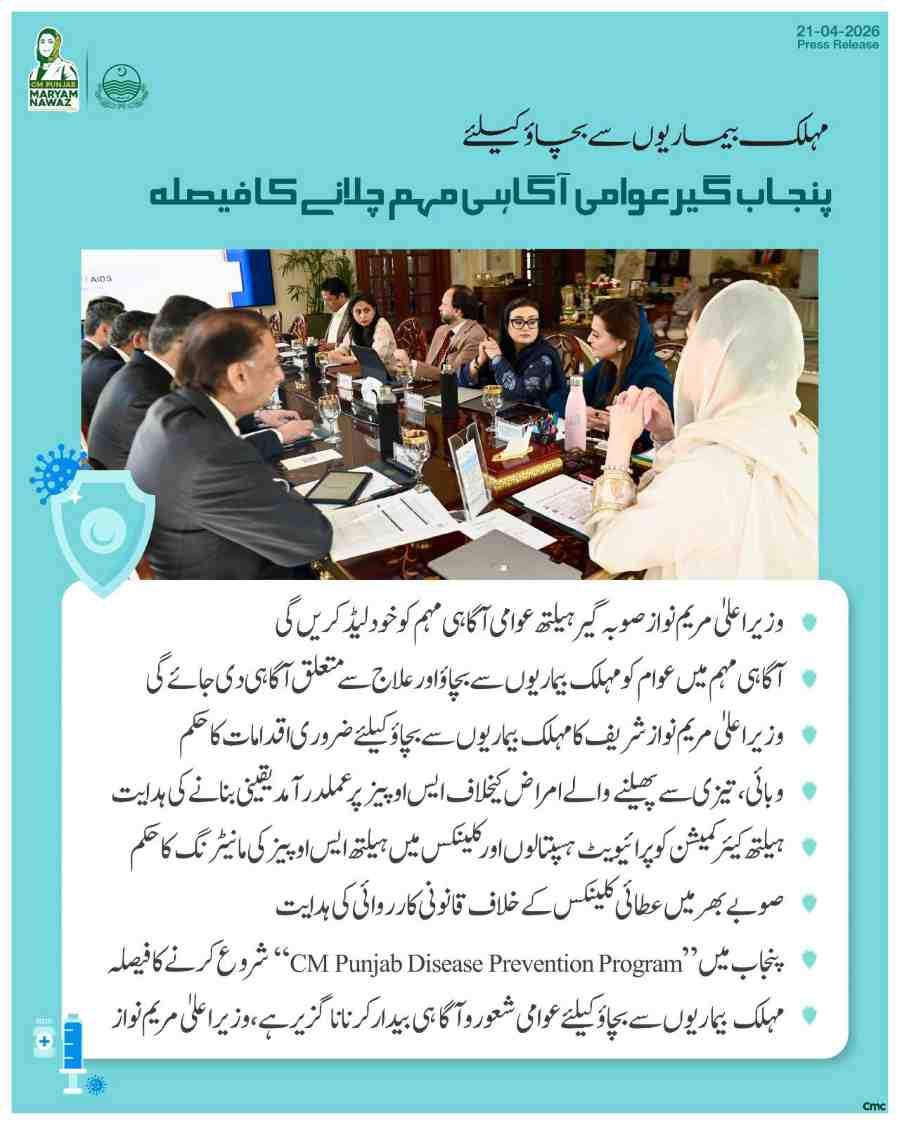
Table of Contents
Understanding the Program’s Origins and Core Mission
What exactly is the CM Punjab Disease Prevention Program?
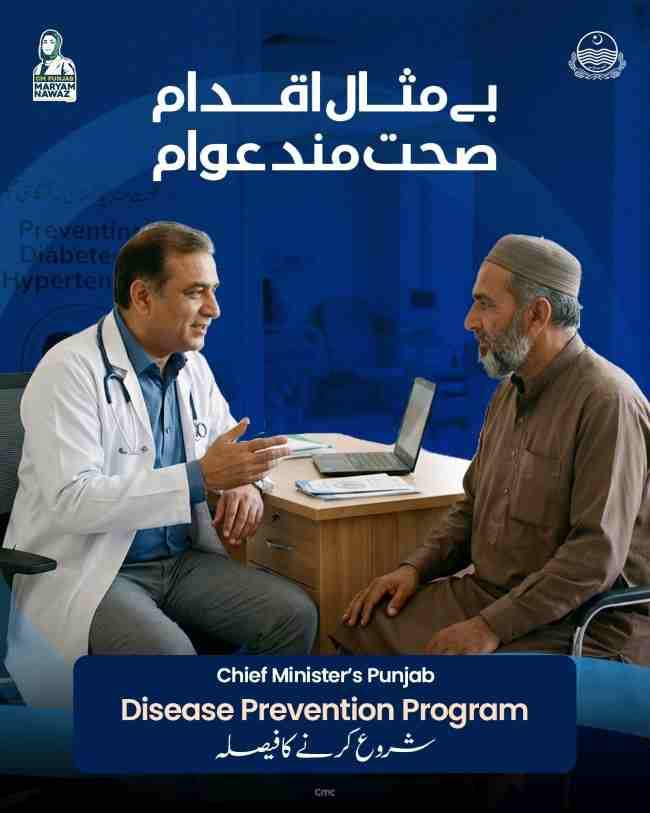
The CM Punjab Disease Prevention Program is a province-wide public health initiative approved by Chief Minister Maryam Nawaz Sharif that shifts healthcare focus from treating sickness to preventing disease before it starts.
The program represents a complete rethinking of how Punjab delivers healthcare. Instead of waiting for people to become severely ill and crowd into hospitals, the initiative sends health workers into communities to catch diseases early, educate families about prevention, and manage chronic conditions at home. This approach saves lives, reduces suffering, and prevents the financial devastation that often accompanies serious illness.
Program fundamentals explained:
- Prevention-first philosophy replaces the old treatment-only model
- Four target diseases: diabetes, tuberculosis, HIV/AIDS, and hepatitis
- Community-based delivery through trained health workers
- Regulatory enforcement through the Punjab Healthcare Commission
- Technology backbone for data tracking and surveillance
Who created this program and why?
Chief Minister Maryam Nawaz Sharif personally championed and approved this program after reviewing alarming disease burden statistics and gaps in the existing healthcare system.
The Chief Minister received detailed briefings from the Secretary of Health and Population, revealing that preventable diseases were overwhelming Punjab’s hospitals and pushing families into poverty. She decided that a fundamental shift was needed—from reactive treatment to proactive prevention. Her vision emphasizes that creating public awareness about disease prevention is essential, and that patients deserve not just treatment but also hope and emotional support.
Key decision-makers involved:
- Chief Minister Maryam Nawaz Sharif provides overall leadership and oversight
- Secretary Health and Population Nadia Saqib briefed the proposal
- Punjab Healthcare Commission handles regulatory enforcement
- District health officers coordinate local implementation
What urgent problem does this program solve?
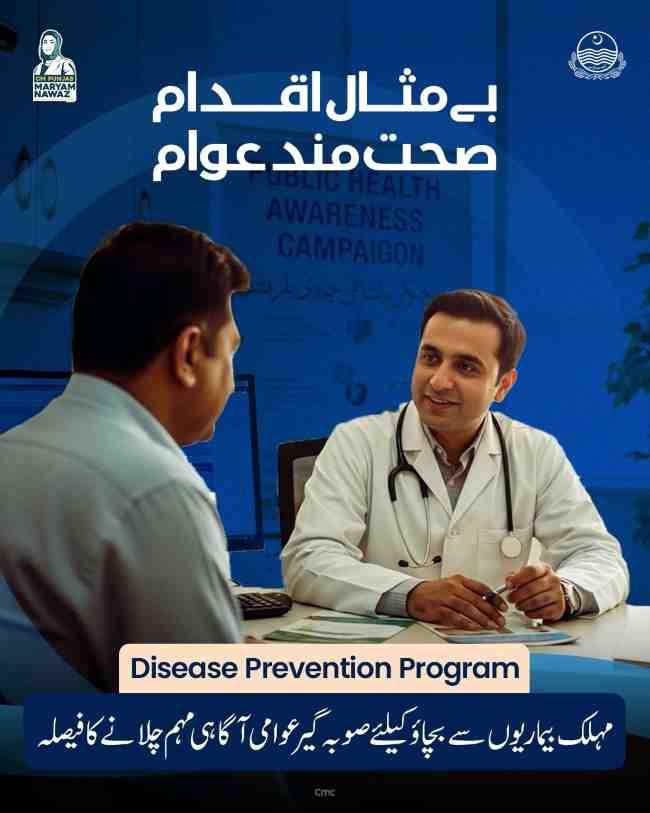
The program solves the crisis of rising preventable diseases that were overwhelming Punjab’s hospitals, draining family savings, and causing unnecessary deaths.
Before this program, Punjab faced alarming statistics. Hepatitis C prevalence was among the highest globally, with unsafe injections and contaminated blood being major transmission routes. Diabetes rates were climbing rapidly due to urbanization and lifestyle changes. Tuberculosis remained a persistent killer, especially in crowded urban slums. HIV/AIDS was spreading among high-risk populations with inadequate prevention services. The healthcare system, designed for treatment rather than prevention, could not keep up.
Problems the program addresses:
- Catastrophic out-of-pocket medical expenses pushing families below poverty line
- Overcrowded tertiary hospitals filled with preventable advanced-stage cases
- Widespread quackery causing misdiagnosis, harm, and treatment delays
- Low public awareness about early symptoms of serious diseases
- Poor infection control and SOP compliance in healthcare facilities
How does this program differ from previous health initiatives?
Unlike previous health programs that focused narrowly on treatment or single diseases, this initiative creates an integrated prevention ecosystem covering multiple conditions with community-based delivery and strict regulatory enforcement.
Previous efforts often operated in silos—a hepatitis program here, a TB program there—without coordination or community reach. This program unifies prevention efforts under one umbrella. It deploys a massive workforce of community health workers. It uses technology to track patients and outbreaks. It enforces standards through the Punjab Healthcare Commission. And it delivers medicines to patients’ homes rather than forcing them to travel to clinics.
Distinctive features of this program:
- Multi-disease approach instead of single-disease focus
- Community health workers as the primary delivery mechanism
- Doorstep medicine delivery for chronic conditions
- Real-time digital health records and disease surveillance
- Strict anti-quackery enforcement as a prevention strategy
The Four Target Diseases – Detailed Prevention Protocols
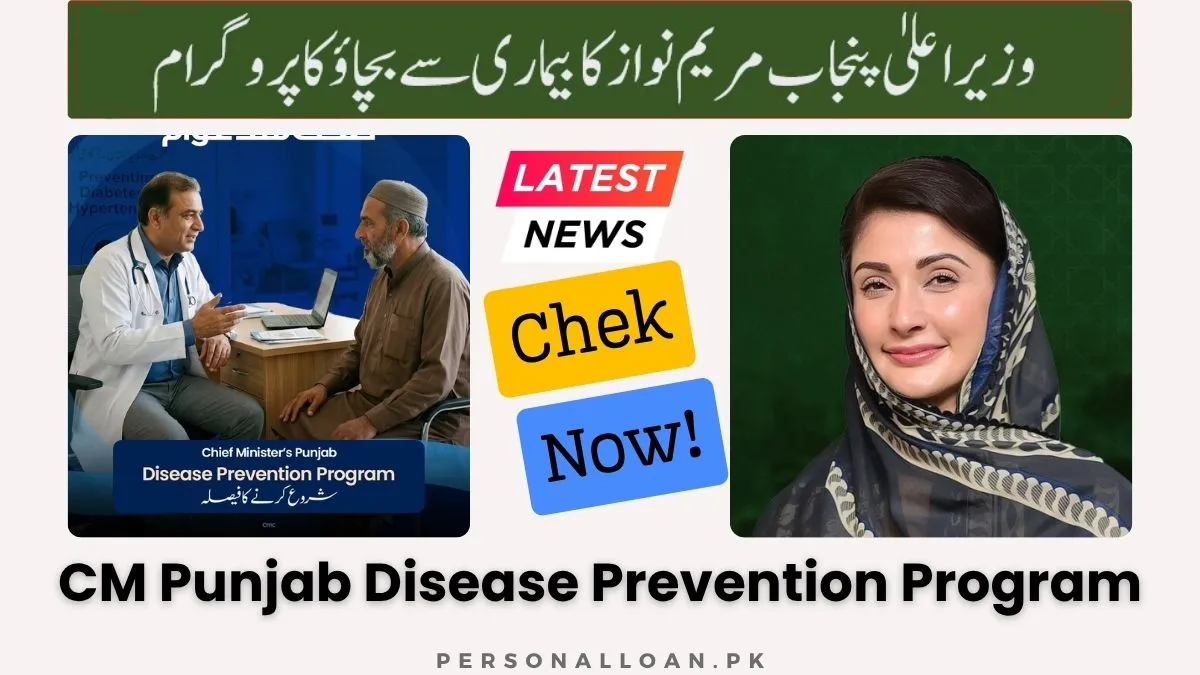
Which four diseases does the program prioritize?
The program prioritizes diabetes mellitus, tuberculosis (TB), HIV/AIDS, and hepatitis B and C based on their high prevalence, preventability, and potential for health impact.
These four diseases were selected after analyzing mortality data, hospitalization rates, and economic impact. Diabetes represents the fastest-growing non-communicable disease threat. TB remains the most common airborne infectious killer. Hepatitis spreads silently through unsafe medical practices. HIV/AIDS requires targeted prevention due to stigma and high-risk behaviors. Together, these conditions cause immense suffering and healthcare expenditure.
Disease burden snapshot:
- Diabetes affects millions across Punjab, with many undiagnosed cases
- Tuberculosis incidence remains high in densely populated urban areas
- Hepatitis C prevalence is among the highest globally
- HIV/AIDS continues to spread among high-risk populations
How does the program prevent and control diabetes?
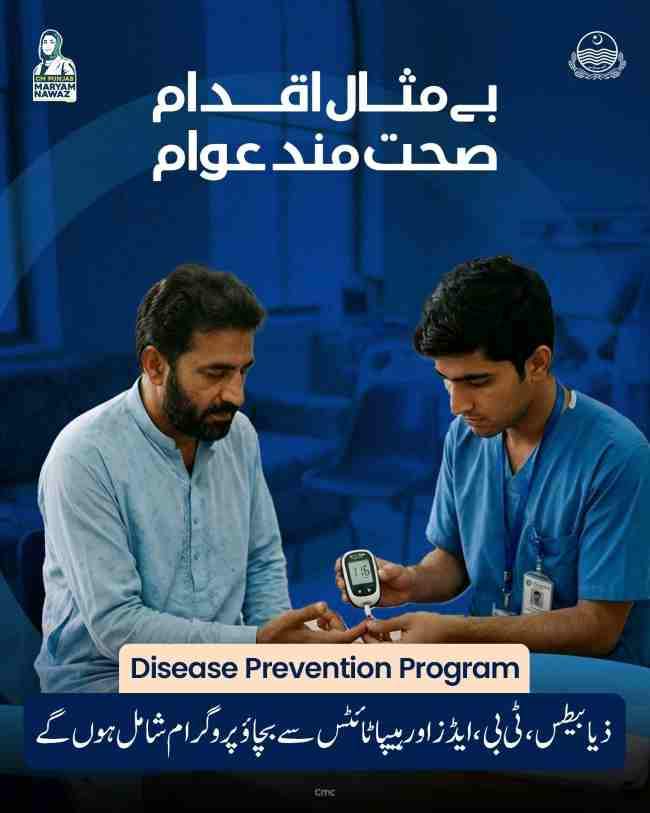
The program prevents diabetes through mass community screening, lifestyle education campaigns, free medicine delivery, and a dedicated insulin program for Type-1 diabetic children.
Community Health Inspectors conduct blood sugar testing during household visits, identifying prediabetic individuals before they develop full diabetes. Public awareness campaigns teach families about healthy eating, physical activity, and weight management. For those already diagnosed, the program delivers free diabetes medicines including metformin and insulin directly to their homes. The CM Insulin for All initiative specifically covers Type-1 diabetic children, providing three-month insulin supplies delivered via cold chain logistics.
Diabetes prevention measures:
- Community-based blood sugar screening at every household visit
- Prediabetes identification and lifestyle intervention counseling
- Public awareness through TV, radio, and social media campaigns
- Doorstep delivery of free diabetes medicines across all districts
- CM Insulin for All: Free insulin for registered Type-1 diabetic children
- Gestational diabetes screening for all pregnant women
What strategies control hepatitis transmission?
Hepatitis control relies on safe blood transfusion protocols, injection safety enforcement, mass screening campaigns, and prevention of mother-to-child transmission.
The program mandates that every blood bank screen all donations for hepatitis B and C before any transfusion. Healthcare facilities must follow strict safe injection protocols, eliminating the dangerous practice of syringe reuse. Mass screening camps identify infected individuals who can then receive free treatment. Pregnant women receive hepatitis testing during antenatal care, enabling preventive treatment to protect newborns.
Hepatitis control strategies:
- Mandatory blood screening for hepatitis B and C at all blood banks
- Safe injection protocols with single-use syringes only
- Mass screening camps in urban and rural areas
- Free antiviral treatment for diagnosed hepatitis patients
- Prevention of mother-to-child transmission through antenatal screening
- Public awareness about transmission risks and prevention
How is tuberculosis being tackled?
Tuberculosis control involves active case finding through household visits, doorstep delivery of TB medicines under DOTS strategy, and strengthening diagnostic infrastructure.
Lady Health Workers visit every household, asking about persistent cough, fever, night sweats, and weight loss—classic TB symptoms. Suspected cases are referred for chest X-rays and sputum testing. Confirmed patients receive doorstep delivery of their full TB medicine course under the directly observed therapy, short-course (DOTS) protocol. Health workers observe patients taking their medicines to ensure treatment completion and prevent drug-resistant TB.
TB control measures:
- Active case finding through door-to-door household screening
- Symptom questionnaires administered by Lady Health Workers
- Free diagnostic testing including chest X-rays and GeneXpert
- Doorstep delivery of TB medicines with DOTS supervision
- Treatment adherence monitoring to prevent drug resistance
- Contact tracing for household members of TB patients
Is HIV/AIDS prevention included in the program?
Yes, HIV/AIDS prevention includes awareness campaigns, targeted interventions for high-risk populations, prevention of mother-to-child transmission, and confidential counseling services.
The program integrates with the Punjab AIDS Control Program to deliver comprehensive prevention services. Awareness campaigns focus on safe practices and reducing stigma. Condoms are distributed freely. Harm reduction services target injection drug users. Pregnant women receive HIV testing, and those who test positive receive antiretroviral therapy to prevent transmission to their babies. Counseling services provide emotional support and treatment adherence help.
HIV/AIDS prevention components:
- Public awareness campaigns on safe practices and stigma reduction
- Free condom distribution and harm reduction services
- Prevention of mother-to-child transmission through antenatal screening
- Antiretroviral therapy for diagnosed patients
- Confidential counseling and support services
- Targeted interventions for high-risk populations
What makes diabetes prevention unique in this program?
The diabetes component stands out because of its combination of population-wide screening, doorstep medicine delivery, and a dedicated insulin program for children—unprecedented in provincial health history.
Most diabetes programs focus only on treatment, not prevention. This program catches prediabetes early when lifestyle changes can reverse the condition. The doorstep medicine delivery removes the excuse of “I can’t afford medicines” or “the clinic is too far.” The CM Insulin for All initiative recognizes that Type-1 diabetic children face a lifelong, life-threatening condition requiring daily insulin. By providing free insulin delivered to their homes, the program prevents diabetic ketoacidosis, hospitalizations, and premature death.
Unique diabetes features:
- Prediabetes identification and reversal through lifestyle counseling
- Free blood sugar testing at household level
- Doorstep delivery of metformin, insulin, and other diabetes medicines
- Dedicated cold chain for insulin delivery via Pakistan Post
- Quarterly check-ups required for continued insulin program eligibility
- Special focus on gestational diabetes in pregnant women
Frontline Health Workers – The Human Engine
What roles do Lady Health Workers play?
Lady Health Workers conduct household-level disease detection, perform basic diagnostic tests, deliver health education, and facilitate doorstep medicine delivery for chronic conditions.
These 39,000 trained women serve as the eyes and ears of the program. Each Lady Health Worker is assigned a specific catchment area of 200-300 households. She visits each family regularly, checking for symptoms of TB, hepatitis, diabetes, and HIV/AIDS. She performs simple tests like blood sugar checks using portable glucometers. She educates families about hygiene, nutrition, and disease prevention. She also coordinates delivery of free medicines for patients on chronic treatment.
Lady Health Worker responsibilities listed:
- Regular household visits to all assigned families
- Symptom screening for TB (cough, fever, weight loss)
- Basic diagnostic tests including blood sugar and blood pressure
- Health education on sanitation, nutrition, and disease prevention
- Referral of suspected cases to nearest healthcare facility
- Doorstep medicine delivery coordination
- Vaccination tracking and promotion
How does the Community Health Inspectors Programme work?
The Community Health Inspectors Programme recruits and trains over 55,000 new health workers who handle 19 essential health tasks including digital health profiling, basic diagnostics, and door-to-door health education.
These inspectors complement the Lady Health Workers. While Lady Health Workers focus on existing families, Community Health Inspectors often cover larger geographic areas and perform more technical tasks. They create digital health profiles for every household using tablet computers. They administer injections and perform more complex diagnostic tests. They also track disease outbreaks and report data through mobile applications.
Community Health Inspector tasks:
- Digital health profiling of every household in assigned area
- Blood sugar testing and blood pressure measurement
- Administration of basic injections and treatments
- Door-to-door health education on 19 essential topics
- Referral of suspected disease cases to healthcare facilities
- Treatment adherence tracking for chronic disease patients
- Outbreak reporting through mobile data collection
What home-based healthcare services are offered?
The program offers doorstep delivery of free medicines, home-based diagnostic testing, household-level health education, and regular follow-up visits for chronic disease patients.
Home-based services remove every barrier to healthcare access. Patients no longer need to spend money on transportation or take time off work to visit clinics. Medicines arrive at their doorsteps. Health workers come to their homes for check-ups. This model is especially valuable for elderly patients, disabled individuals, and those living in remote rural areas with limited transport options.
Home-based services detailed:
- Doorstep delivery of free medicines for diabetes, hepatitis, TB, heart disease, and cancer
- Home-based blood sugar testing and blood pressure monitoring
- Household-level health education on disease prevention
- Follow-up visits for treatment adherence monitoring
- Referral coordination for specialized care when needed
- Vaccination administration at home for bedridden patients
How many community health workers are deployed?
The program deploys over 60,000 health professionals, including 39,000 Lady Health Workers and more than 55,000 Community Health Inspectors, with recruitment ongoing.
This workforce represents one of the largest community health deployments in Pakistan’s history. The geographic coverage spans every district, tehsil, and union council in Punjab. Special attention is given to underserved rural areas, remote hill stations, and urban slums. Each worker receives standardized training and regular performance evaluations.
Workforce statistics:
- 39,000 Lady Health Workers already deployed
- Over 55,000 Community Health Inspectors recruited and trained
- Additional recruitment ongoing to reach full coverage
- Monthly salary of Rs50,000 for Community Health Inspectors
- Performance-based salary increments for high-performing workers
- Coverage of every district, tehsil, and union council
Regulatory Enforcement and Anti-Quackery Drive
What Standard Operating Procedures must hospitals follow?
All public and private hospitals must implement SOPs covering infection prevention, waste management, medication safety, patient admission protocols, and emergency response systems.
These SOPs are not optional suggestions. They are mandatory requirements enforced by the Punjab Healthcare Commission. Infection prevention protocols require proper sterilization of instruments, hand hygiene compliance, and isolation of infectious patients. Waste management rules mandate safe disposal of sharps, blood products, and other biomedical waste. Medication safety protocols prevent prescribing errors, drug interactions, and incorrect dosages.
Mandatory hospital SOP categories:
- Infection prevention: sterilization, hand hygiene, isolation protocols
- Biomedical waste management: safe disposal of sharps and infectious materials
- Medication management: prescribing, dispensing, storage, administration
- Patient admission and discharge: documentation, consent, follow-up
- Emergency response: triage, disaster preparedness, rapid response teams
- Medical records: documentation standards, confidentiality, data security
How does the Punjab Healthcare Commission enforce compliance?
The Commission enforces compliance through regular inspections, gap identification, legal notices, facility sealing, and coordination with district administrations for legal action.
The Punjab Healthcare Commission operates under the Punjab Healthcare Commission Act 2010. Its enforcement teams conduct both scheduled inspections and surprise visits to hospitals, clinics, and diagnostic labs. When they find SOP violations or missing Minimum Service Delivery Standards, they issue legal notices with deadlines for correction. If facilities fail to comply, the Commission can impose fines, suspend licenses, or permanently seal the facility with police assistance.
Enforcement process step by step:
- Scheduled or surprise inspection of healthcare facility
- Assessment against Minimum Service Delivery Standards (MSDS)
- Identification of specific compliance gaps
- Issuance of legal notice with correction deadline
- Follow-up inspection to verify corrections
- Legal action including fines, license suspension, or sealing for non-compliance
- Coordination with district police for enforcement of sealing orders
What is the scope of the anti-quackery crackdown?
The anti-quackery crackdown targets all unqualified medical practitioners including fake doctors, illegal pharmacies, unregistered homoeopaths, hakeems, and traditional bone-setters.
Quackery is not a minor nuisance—it is a major public health threat. Unqualified practitioners misdiagnose serious conditions, prescribe dangerous medications, perform unsafe procedures, and delay proper treatment. The crackdown has already sealed over 69,000 illegal treatment centres following more than 246,000 inspection visits. Over 30,600 quacks have either quit practice or abandoned their illegal establishments. The legal framework includes the Punjab Healthcare Commission Act 2010 and the Drug Act 1976.
Types of quackery being eliminated:
- Unqualified general practitioners with fake medical degrees
- Illegal pharmacies selling prescription-only medicines without licenses
- Unregistered homoeopathic and hakeem clinics
- Traditional bone-setters causing permanent deformities
- Unlicensed injectionists administering dangerous treatments
- Fake specialists claiming expertise in cardiology, gynecology, or surgery
How can citizens report SOP violations or quackery?
Citizens can report violations by calling the Punjab Healthcare Commission helpline, using the online complaint portal, or filing written complaints at district health offices.
The program encourages public participation in monitoring healthcare quality. All complaints are taken seriously and investigated promptly. Whistleblowers are protected through confidentiality policies. Citizens can remain anonymous if they fear retaliation. The complaint process is designed to be simple and accessible even for those with low literacy.
Reporting channels available:
- PHC helpline numbers for immediate voice reporting
- Online complaint portal on the PHC website
- Written complaints accepted at PHC regional offices
- District health office grievance redressal desks
- Anonymous reporting options without providing personal information
- Follow-up SMS or call to inform complainants of action taken
Technology and Digital Health Infrastructure
How does digital health profiling work?
Digital health profiling creates electronic health records for every household, capturing demographic data, medical history, existing diagnoses, and treatment plans.
Community Health Inspectors carry tablet computers loaded with a custom application. During household visits, they enter data for each family member including age, gender, known medical conditions, medications being taken, and any symptoms reported. This data is uploaded to a central cloud server in real-time. Healthcare providers can access these records when patients visit facilities, enabling continuity of care.
Digital health profile contents:
- Household demographic data including family members and ages
- Existing diagnosed conditions (diabetes, hypertension, hepatitis, TB, etc.)
- Current medications being taken
- Allergies and adverse drug reactions
- Vaccination history for children and adults
- Pregnancy status and antenatal care history
- Recent test results (blood sugar, blood pressure, etc.)
What disease surveillance systems are in place?
The Integrated Disease Surveillance System (IDSS) enables real-time outbreak detection through data collection from hospitals, labs, and community health workers.
The IDSS collects data from multiple sources. Hospitals report cases of notifiable diseases. Labs report positive test results for hepatitis, TB, HIV, and other conditions. Community Health Workers report unusual clusters of symptoms in their areas. The Early Warning Alert and Response System (EWARS) algorithms analyze this incoming data to detect patterns that may indicate an outbreak. When a potential outbreak is detected, rapid response teams are deployed within hours.
Surveillance system components:
- Integrated Disease Surveillance System (IDSS) for centralized data collection
- Early Warning Alert and Response System (EWARS) for outbreak detection
- Real-time reporting from hospitals, labs, and community workers
- Predictive analytics for outbreak forecasting
- Automated alerts to district health officers
- Rapid response team deployment protocols
How is blood safety ensured to prevent hepatitis?
Blood safety is ensured through mandatory registration of all blood banks, pre-transfusion screening of every donation for hepatitis and HIV, and strict penalties for non-compliance.
Every blood bank in Punjab must register with the Punjab Healthcare Commission and undergo regular inspections. Before any unit of blood is released for transfusion, it must be tested for hepatitis B surface antigen, hepatitis C antibody, HIV antibody, and syphilis. Any unit testing positive is discarded safely. Blood banks found violating these rules face fines, license suspension, or permanent closure.
Blood safety protocols:
- Mandatory registration of all blood banks with PHC
- Pre-transfusion screening of every donation for hepatitis B, hepatitis C, HIV, and syphilis
- Use of standardized screening kits approved by national authorities
- Safe disposal of reactive blood units
- Regular audits of blood bank operations
- Penalties including fines and license revocation for non-compliance
What AI and IT solutions are being used?
The program uses AI-powered diagnostic support tools, telemedicine platforms, data analytics for disease trend prediction, and mobile applications for community health workers.
AI algorithms assist healthcare providers in interpreting chest X-rays for TB detection and analyzing blood test patterns for diabetes risk. Telemedicine platforms connect patients in remote villages with specialist doctors in major cities. Data analytics identify disease hotspots, predict outbreak risks, and optimize medicine distribution routes. Mobile applications guide Community Health Inspectors through their 19 essential tasks.
Technology applications in use:
- AI-powered chest X-ray interpretation for TB screening
- Predictive analytics for diabetes risk stratification
- Telemedicine consultations for remote patients
- Mobile apps for Community Health Inspector task management
- Cloud-based digital health record storage
- Automated medicine delivery tracking systems
Patient Services, Medicines, and Access
What free medicines are delivered to patients’ homes?
The program delivers free medicines for diabetes, tuberculosis, hepatitis, heart disease, cancer, and other chronic conditions directly to patients’ homes.
Patients registered with the program do not need to visit clinics or pharmacies to obtain their medicines. Instead, a delivery system brings the medications to their doorstep on a regular schedule. For diabetes, this includes metformin, sulfonylureas, insulin, and testing supplies. For hepatitis, antiviral medications are provided. TB patients receive their full DOTS course. Heart disease patients get antihypertensives, statins, and antiplatelet agents.
Free medicine categories:
- Diabetes: metformin, glimepiride, insulin, glucometer strips
- Hepatitis: direct-acting antiviral agents
- Tuberculosis: isoniazid, rifampicin, ethambutol, pyrazinamide
- Heart disease: antihypertensives, statins, aspirin, clopidogrel
- Cancer: selected oral chemotherapy agents
- Chronic respiratory: inhaled corticosteroids, bronchodilators
Where can people find free screening camps?
Free screening camps are organized across all districts, with schedules announced through public awareness campaigns, local health offices, and Community Health Workers.
These camps are set up in accessible locations such as union council offices, schools, mosques, and community centres. They operate on designated days, often weekends, to accommodate working people. The camps offer blood sugar testing, hepatitis B and C rapid testing, HIV rapid testing, and TB symptom screening. All tests are free, and results are provided within minutes.
Screening camp access points:
- Union council offices in rural areas
- Basic Health Units and Rural Health Centres
- Schools and community centres on weekends
- Mobile screening vans in remote villages
- Major hospitals during awareness drives
- Factory and workplace screening for industrial workers
Are there specialized clinics for TB and HIV?
Yes, specialized TB clinics provide DOTS therapy with treatment adherence monitoring, and specialized HIV clinics offer antiretroviral therapy with confidential counseling.
TB clinics are located at district headquarters hospitals and some tehsil hospitals. They offer sputum microscopy, GeneXpert testing, chest X-rays, and DOTS supervision. HIV clinics provide rapid testing, confirmatory Western blot tests, CD4 count monitoring, and antiretroviral therapy. Both types of clinics prioritize patient confidentiality and offer counseling services to address stigma and mental health needs.
Specialized clinic services:
- TB diagnosis: sputum microscopy, GeneXpert, chest X-ray
- TB treatment: DOTS with doorstep medicine delivery
- TB contact tracing for household members
- HIV rapid testing and confirmatory Western blot
- CD4 count monitoring and viral load testing
- Antiretroviral therapy with adherence support
- Confidential counseling and mental health support
Who is eligible for program benefits?
All citizens of Punjab are eligible for prevention services including screening, awareness, and basic diagnostics, with priority access for high-risk populations, low-income families, pregnant women, and children.
The program operates on a universal access principle. No one is turned away based on inability to pay, gender, religion, or ethnicity. For specialized services like free medicine delivery, patients need to register with proof of diagnosis and residence. Low-income families receive priority for expensive treatments like hepatitis antivirals or cancer medications.
Eligibility criteria summarized:
- Universal eligibility for screening, awareness, and basic diagnostics
- No income or documentation barriers for prevention services
- Registration required for free medicine delivery
- Priority for low-income families, pregnant women, children, and elderly
- Equal access for all regardless of socioeconomic status
- Special provisions for transgender and other marginalized populations
How is the diagnostic gap in rural areas being addressed?
Rural diagnostic gaps are addressed through mobile health units, upgraded Basic Health Units, trained Community Health Inspectors, and telemedicine connections to city labs.
Mobile health units travel on scheduled routes, bringing diagnostic equipment like portable ultrasound machines, ECG devices, and basic lab testing to villages that have no permanent healthcare facilities. Basic Health Units are being upgraded with new equipment including glucometers, blood pressure monitors, and rapid test kits. Community Health Inspectors perform basic tests at the household level. For complex tests, samples are sent to city labs with results transmitted via mobile app.
Rural diagnostic solutions:
- Mobile health units with portable diagnostic equipment
- Upgraded Basic Health Units with essential lab capability
- Community Health Inspector testing at household level
- Sample transport networks to district labs
- Telemedicine for remote consultation with radiologists and pathologists
- Rapid test kits for hepatitis, HIV, malaria, and dengue
Governance, Budget, and Future Direction
What budget supports this program?
The Punjab government allocated Rs100 billion for overall health services and free medicines, with specific allocations of Rs100 million for public awareness campaigns and Rs12.6 billion for community-based health outreach.
The budget reflects the program’s priority status. The Chief Minister has committed to protecting health funding even during economic constraints. The Community Health Inspectors Programme alone costs billions annually in salaries, but the government views this as an investment rather than an expense. Early prevention reduces downstream hospitalization costs.
Budget breakdown:
- Rs100 billion for overall health services and free medicines
- Rs100 million for public awareness campaigns
- Rs12.6 billion for community-based health outreach programs
- Rs50,000 monthly salary for each Community Health Inspector
- Rs100 million allocated for insulin procurement
- Free dialysis, transplants, and heart surgeries funded separately
How is program performance measured?
Performance is measured through disease incidence rates, screening coverage percentages, treatment adherence rates, SOP compliance scores, anti-quackery statistics, and public awareness survey results.
Quarterly performance reviews chaired by the Chief Minister assess progress against these KPIs. Monthly monitoring reports from the Health Department track implementation at district level. Independent third-party evaluations provide objective assessments. The program publishes annual performance reports for public transparency.
Key performance indicators:
- Reduction in new cases of hepatitis, TB, diabetes, and HIV
- Percentage of population screened for each target disease
- Treatment completion rates for TB and hepatitis
- Number of healthcare facilities achieving 100% SOP compliance
- Number of illegal treatment centres sealed
- Public awareness survey scores before and after campaigns
- Patient satisfaction ratings for doorstep medicine delivery
What are the biggest implementation challenges?
The biggest challenges include sustaining long-term funding, reaching remote border areas, overcoming cultural resistance to HIV testing, maintaining SOP compliance across thousands of facilities, and coordinating multiple government departments.
Funding sustainability requires continued political commitment beyond the current administration. Geographic barriers include the difficult terrain of southern Punjab and remote hill stations. Cultural resistance particularly affects HIV/AIDS services due to stigma. Maintaining SOP compliance is an ongoing battle as facilities may backslide after inspections. Coordination among health, police, local government, and other departments requires strong leadership.
Implementation challenges detailed:
- Ensuring sustained budget allocation across multiple fiscal years
- Reaching remote populations in Cholistan desert and Murree hills
- Overcoming stigma around HIV testing and hepatitis diagnosis
- Preventing SOP compliance backsliding after inspections
- Coordinating health, police, local government, and education departments
- Retaining trained Community Health Inspectors with competitive salaries
- Maintaining medicine supply chains without disruption
What future expansions are planned?
Future expansions include adding cardiovascular diseases and cancer to the prevention portfolio, scaling up telemedicine services, and integrating more advanced AI for diagnostic support.
The program is designed to be scalable. Once the four initial diseases are under control, new conditions will be added. Cardiovascular diseases and cancers are leading causes of death in Punjab and have strong prevention potential. Telemedicine services will be expanded to every tehsil. AI algorithms will be trained to detect early signs of diabetic retinopathy, TB on chest X-rays, and liver fibrosis on ultrasound.
Expansion roadmap:
- Adding heart disease prevention with blood pressure and cholesterol screening
- Adding breast and cervical cancer screening for women
- Scaling telemedicine to all tehsil headquarters
- AI integration for automated chest X-ray interpretation
- Expansion of doorstep medicine delivery to all villages
- Training of additional Community Health Inspectors for new diseases
Frequently Asked Questions
What is the primary goal of the CM Punjab Disease Prevention Program?
The primary goal is to reduce the incidence and impact of diabetes, tuberculosis, HIV/AIDS, and hepatitis through prevention, early detection, community awareness, and strict healthcare regulation.
How can I register for free doorstep medicine delivery?
You can register through your nearest Basic Health Unit, Rural Health Centre, or by contacting a Lady Health Worker who will facilitate the registration process after verifying your diagnosis.
Are the screening camps really free?
Yes, all screening services including blood sugar tests, hepatitis rapid tests, HIV rapid tests, and TB symptom screening are completely free with no hidden charges.
What should I do if I see a quack clinic operating in my area?
Report the quack clinic immediately to the Punjab Healthcare Commission helpline or online complaint portal. Provide the clinic name, address, and nature of services offered.
Does the program cover children with Type-1 diabetes?
Yes, the CM Insulin for All initiative provides free insulin delivered to the doorstep for all registered Type-1 diabetic children after quarterly check-ups at designated hospitals.
How are Lady Health Workers trained for this program?
Lady Health Workers receive standardized training modules covering disease identification, basic diagnostic testing, patient counseling, and data collection before deployment.
Can I get tested for hepatitis at home?
Yes, Community Health Inspectors can perform rapid hepatitis testing at your home using finger-prick blood samples, with results available within 15 minutes.
What happens if a hospital refuses to follow SOPs?
The Punjab Healthcare Commission will issue a legal notice, conduct a follow-up inspection, and if non-compliance persists, impose fines, suspend the license, or seal the facility.
Disclaimer: This information is for educational purposes only. For medical advice, diagnosis, or treatment, please consult a qualified healthcare provider. Program details may change; refer to official government sources for current information.

Add a Comment