
The CM Punjab Livestock Card Scheme is a transformative initiative by the Government of Punjab designed to empower rural farmers and uplift the agricultural economy. This comprehensive guide provides all the details on eligibility, the online application process, benefits, and crucial deadlines for the scheme, serving as a complete resource for potential beneficiaries.
Here are the key learnings you will gain from this article:
✔️ Complete understanding of the CM Punjab Livestock Card Scheme and its objectives.
✔️ Detailed eligibility criteria and required documentation for application.
✔️ A step-by-step walkthrough of the online and offline application process.
✔️ Insights into the benefits, including animal distribution and healthcare support.
✔️ Information on related career opportunities in livestock management.
✔️ Answers to the most frequently asked questions about the scheme.
Read More:
- Himmat Card Registration: (By CM Punjab Maryam Nawaz)
- CM Internship Program Apply Online (by CM Punjab)
- PM Laptop Scheme Registration (Register to Apply)
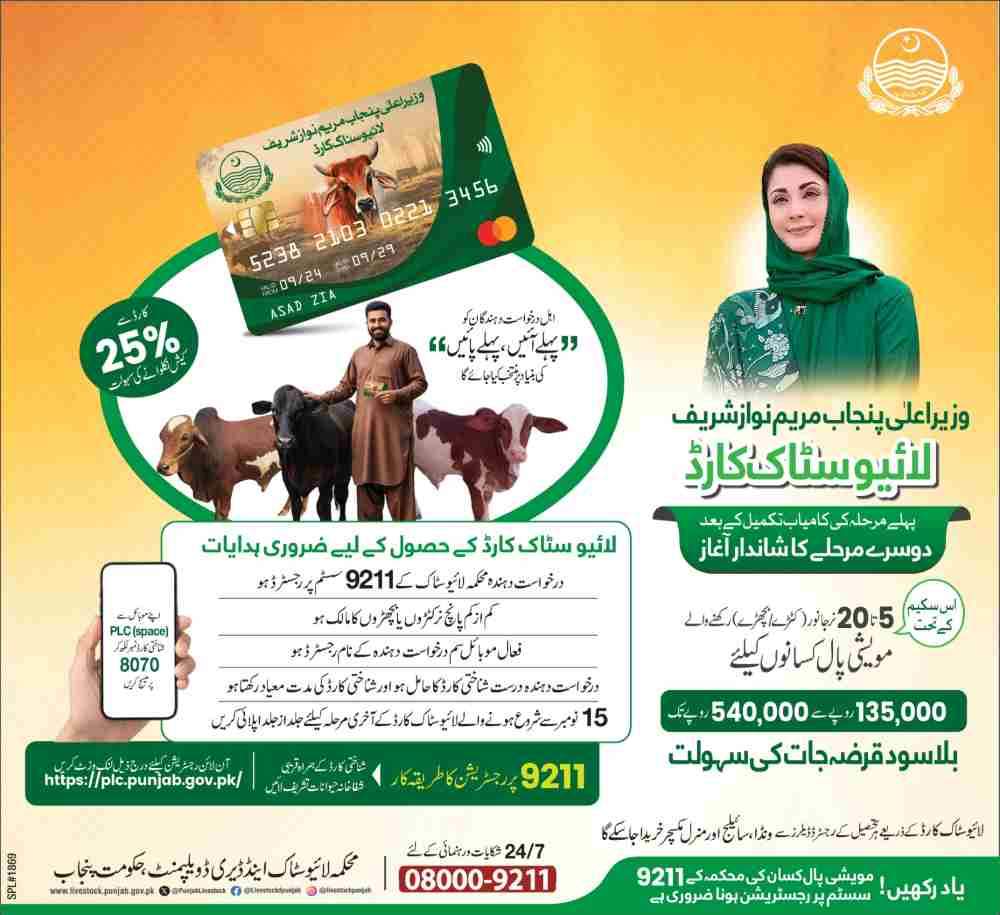
Table of Contents
What is the CM Punjab Livestock Card Scheme?
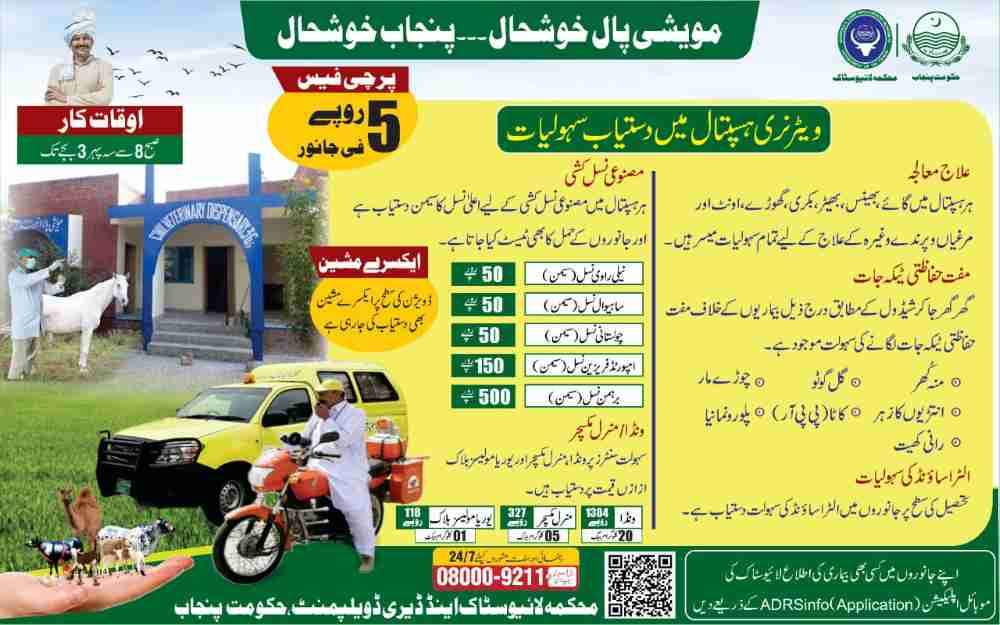
The CM Punjab Livestock Card Scheme is a flagship poverty alleviation and rural development program. Its core objective is to provide sustainable livelihood opportunities to small and marginalized farmers by granting them high-quality livestock along with a comprehensive support ecosystem. This initiative is not merely about animal distribution; it is an integrated program that includes free animal provision, veterinary care, feed subsidies, and technical training. The scheme operates under the auspices of the Punjab Livestock & Dairy Development Department, aiming to enhance the socio-economic status of rural households and boost the province’s meat and milk production. It is a cornerstone of the government’s strategy to transform the agricultural landscape.
Key components of the scheme include:
- Asset Transfer: Free provision of high-breed animals like goats, cows, and buffaloes.
- Healthcare Support: Access to vaccination, deworming, and treatment services.
- Nutritional Backing: Subsidized or free animal feed for a specified period.
- Knowledge Empowerment: Training on modern animal husbandry practices.
CM Punjab Livestock Program Phase 2: What’s New?
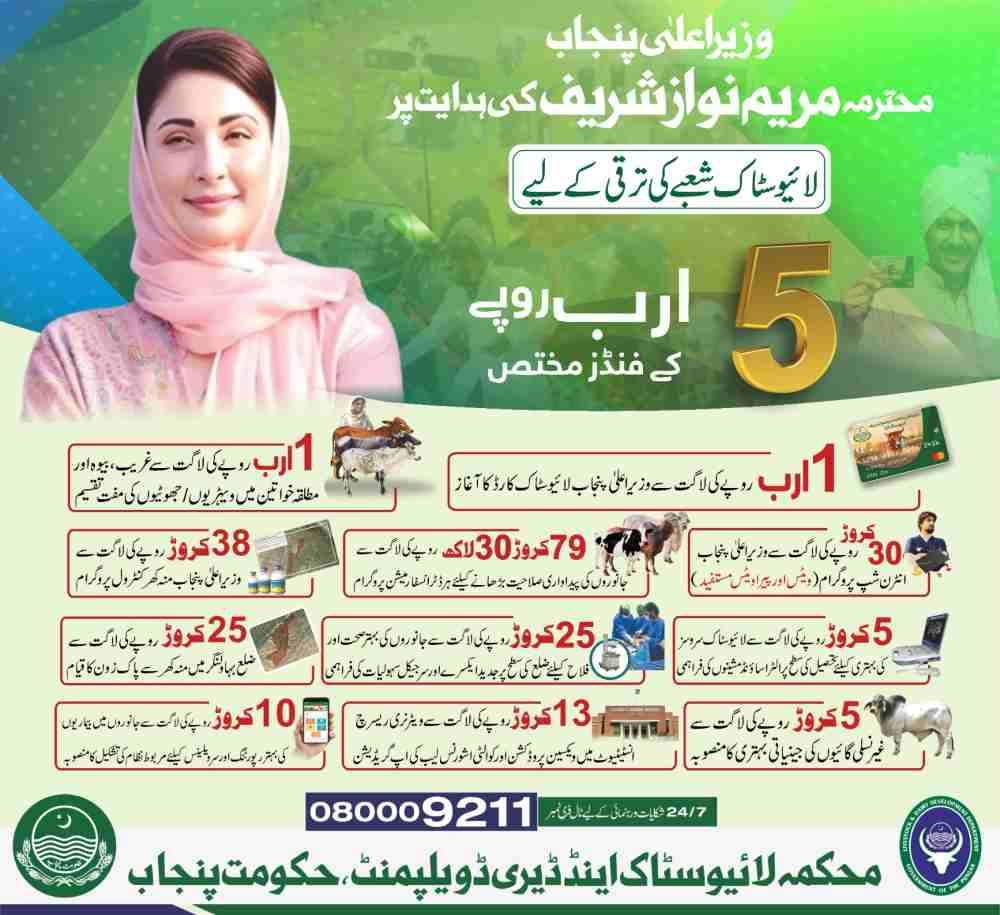
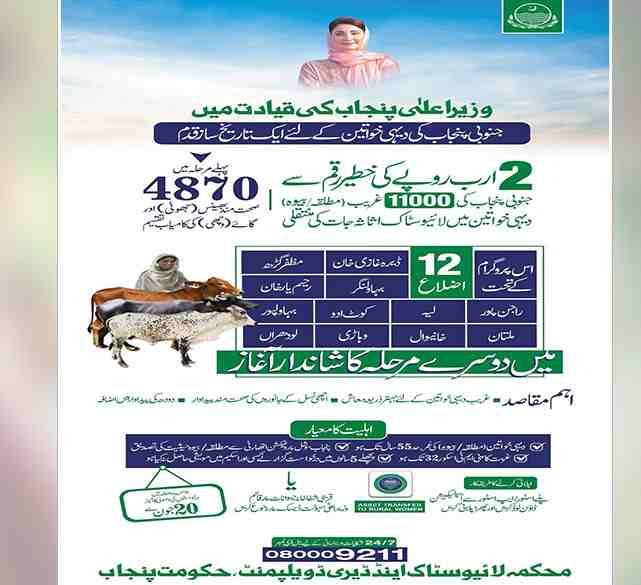
Building on the success of the initial phase, the CM Punjab Livestock Program Phase 2 introduces several enhancements to expand its reach and impact. This phase focuses on refining the beneficiary selection process through a more transparent digital mechanism and incorporating feedback from the first phase. The geographical coverage has been expanded to include more districts and villages, ensuring a wider demographic can benefit. Furthermore, Phase 2 places a stronger emphasis on the participation of women and landless farmers, recognizing their pivotal role in the rural economy.
Notable updates in the current phase of the program are:
- Enhanced Digital Integration: A more robust online application and verification system to minimize errors and delays.
- Broadened Eligibility: Specific quotas for women-headed households and landless agricultural laborers.
- Improved Animal Breeds: Distribution of higher-yield, disease-resistant breeds of livestock.
- Aftercare Focus: Strengthened post-distribution veterinary support and helpline services.
Am I Eligible for the CM Punjab Livestock Card?
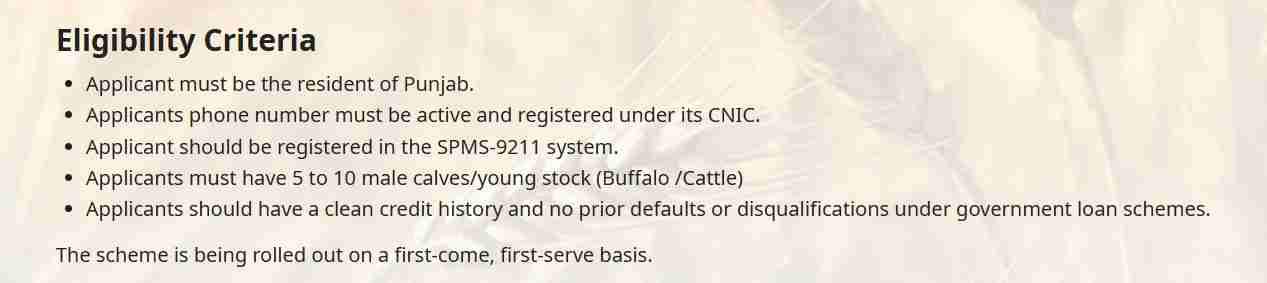
Eligibility for the CM Punjab Livestock Card is designed to target the most deserving segments of the rural population. The primary criterion is financial vulnerability, often determined through proxy means testing and the National Socio-Economic Registry. Applicants must be permanent residents of Punjab, with a valid domicile certificate from the province. While land ownership is a positive factor, it is not an absolute barrier; landless tenants and small-scale farmers with minimal landholding are strongly encouraged to apply. Special provisions are in place to ensure women, transgender individuals, and persons with disabilities are included in the program.
The definitive eligibility criteria for the scheme are:
- Residency: Must be a permanent resident of Punjab with a valid CNIC and domicile.
- Economic Status: Belongs to a low-income household, often verified through a poverty score.
- Profession: Primary occupation should be linked to agriculture or livestock farming.
- Asset Ownership: Preferential treatment for those with minimal or no land assets.
- Previous Beneficiaries: Individuals who have not received benefits from similar government schemes in the recent past are prioritized.
Comprehensive Benefits of the Livestock Card
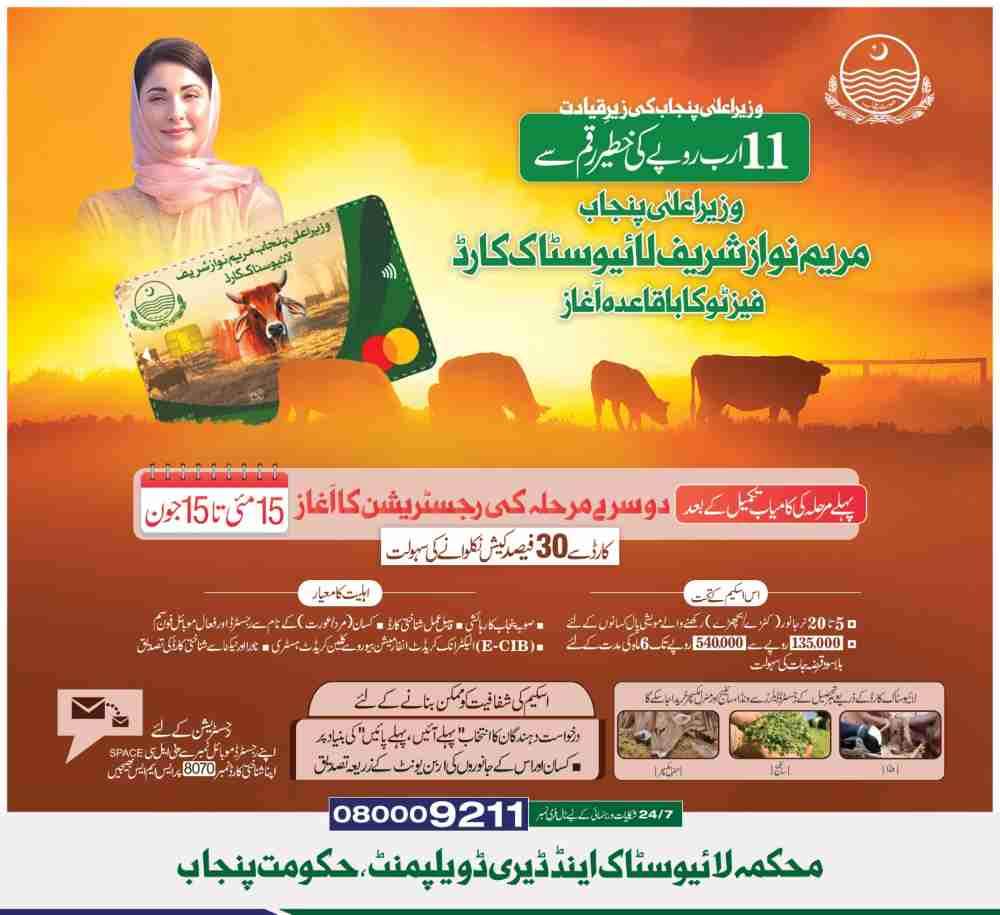
The benefits of the CM Punjab Livestock Card extend far beyond the one-time receipt of an animal. It is a holistic package aimed at ensuring the long-term sustainability of the beneficiary’s livelihood. The core benefit is the free transfer of a productive asset, such as a pregnant goat or a high-milk-yield buffalo. This is coupled with a veterinary care package that includes free vaccinations, regular check-ups, and emergency medical services. Furthermore, beneficiaries receive training on breed improvement, fodder cultivation, and financial literacy, turning them into skilled entrepreneurs.
The multifaceted benefits of the card include:
- Direct Asset Transfer: Receipt of high-breed livestock at no cost.
- Complete Healthcare: Free access to veterinary services and medications.
- Nutritional Support: Subsidized animal feed and guidance on fodder management.
- Insurance Coverage: Risk mitigation through livestock insurance.
- Skill Development: Workshops on modern husbandry, marketing, and business management.
Required Documents for Registration
A smooth application process for the CM Punjab Livestock Card hinges on having the correct and properly attested documents ready. The documents serve as proof of identity, residency, and economic status. The most critical document is the Computerized National Identity Card (CNIC), which must be current and undamaged. The domicile certificate establishes your connection to a specific district within Punjab. For farmers, documents related to land ownership or tenancy are required to validate their profession. It is highly recommended to have both original documents and clear, scanned copies ready for the online application process.
The essential document checklist for the CM Punjab Livestock Card application is:
- Applicant’s original CNIC and copies.
- Domicile certificate of Punjab province.
- Recent passport-sized photographs with a white background.
- Proof of land ownership (Fard) or tenant contract (if applicable).
- Utility bill (electricity or gas) for address verification.
- Any other income or poverty declaration certificate as specified in the application form.
How to Apply for the CM Punjab Livestock Card: A Step-by-Step Guide
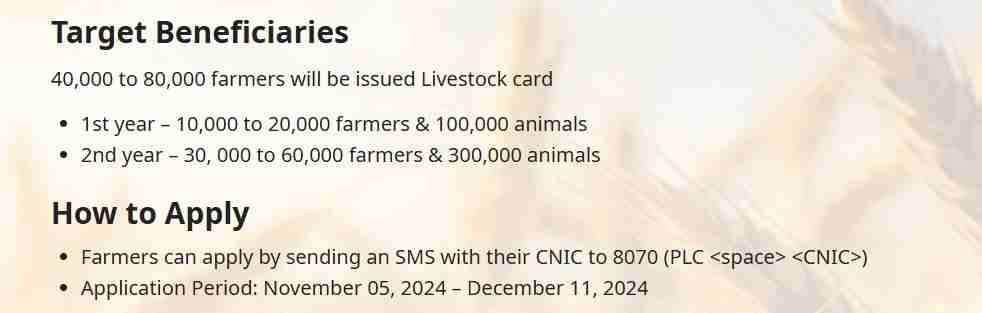
The application process for the CM Punjab Livestock Card has been simplified through a dedicated online portal, making it accessible to a larger population. The government has prioritized the digital method to ensure transparency and efficiency. However, alternative offline methods are also available for those in areas with limited internet access. The process involves form filling, document upload, and submission, followed by a tracking mechanism.
How can I apply for the CM Punjab livestock card online?
The online application is the most efficient way to apply for the scheme. You need a device with internet connectivity and scanned copies of all required documents.
The step-by-step procedure for online application is:
- Visit the Official Portal: Navigate to the official website of the Punjab Livestock Department or the specific portal for the scheme.
- Locate the Registration Form: Find and click on the “CM Punjab Livestock Card Online Registration” link.
- Fill in Personal Details: Enter all required information accurately, including CNIC number, name, address, and contact details.
- Provide Socio-Economic Data: Answer questions related to your land ownership, income, and existing livestock.
- Upload Documents: Attach clear, scanned copies of your CNIC, domicile, photographs, and other necessary documents.
- Review and Submit: Carefully review all entered information for errors and then submit the application.
- Save Confirmation: Note down the application tracking ID or save the confirmation slip for future reference.
Is there an offline method to apply for the livestock card?
For citizens lacking internet access, the government has established facilitation centers at the district and tehsil levels.
The offline application process involves:
- Visiting the nearest office of the Livestock & Dairy Development Department or a designated e-Khidmat Markaz.
- Obtaining a physical application form.
- Filling out the form with the assistance of staff, if needed.
- Submitting the form along with attested copies of all required documents.
- Receiving a stamped receipt as proof of application submission.
CM Punjab Livestock Card Online Registration: Key Dates & Deadlines
Staying informed about the registration timeline is critical, as missing the deadline can result in your application not being considered for the current cycle. The government announces specific registration windows for each phase of the scheme. These dates are prominently displayed on the official website and through local government announcements. It is imperative to complete and submit your application well before the last date to avoid any last-minute technical glitches or server issues.
To ensure your application is considered:
- Monitor Official Channels: Regularly check the official Punjab Livestock Department website for announcements.
- Local Government Notices: Pay attention to announcements made by your local district administration.
- Avoid Procrastination: Do not wait until the final day to submit your application.
- Helpline Information: If in doubt, contact the scheme’s helpline to confirm the current deadline.
How to Check Your Application Status
After successfully submitting your application, you can track its progress through various stages of verification and approval. The status check feature provides transparency and allows applicants to know whether their application is under review, has been approved for the next stage, or requires any corrective action. This is typically done online using the tracking ID received at the time of application or via your CNIC number.
The common application statuses and their meanings are:
- Under Review: Your application is being verified by the relevant department.
- Approved: Your application has been accepted, and you are shortlisted for the next steps.
- Rejected: Your application did not meet the criteria; the reason is often provided.
- Pending Documentation: Additional documents are required from your side.
- Site Visit Scheduled: A field officer is assigned to verify your details physically.
What to Do If Your Application is Rejected?
Application rejection can occur due to various reasons, but it is not necessarily the end of the road. Common reasons include incomplete information, incorrect data entry, missing documents, or not meeting the eligibility criteria. The first step is to understand the reason for rejection, which is usually communicated via SMS or can be checked on the portal. If the rejection is due to a correctable error, most schemes allow for an appeal or a re-application in the next cycle.
Steps to take if your application is rejected:
- Identify the Reason: Check the official portal or contact the helpline to get the specific reason for rejection.
- Rectify Errors: If the reason is incorrect information or missing documents, correct the mistakes.
- Appeal Process: Check if there is a formal appeal procedure and the deadline for it.
- Re-apply: If the current cycle is closed, prepare a corrected application for the next registration window.
Building a Career in Livestock: Related Educational Opportunities
The CM Punjab Livestock Card Scheme has also highlighted the demand for skilled professionals in the sector. For individuals interested in building a formal career in animal health and management, several diploma and certificate courses are available. These qualifications, such as the Livestock Assistant Diploma or a Diploma in Veterinary Science, provide the technical knowledge required for roles in both the public and private sectors. These programs are typically offered by vocational training institutes and agricultural universities across Punjab.
What is the qualification for a livestock assistant diploma?
The Livestock Assistant Diploma is a popular vocational course that equips students with practical skills in animal husbandry.
The typical eligibility and structure of the program are:
- Entry Requirement: Minimum qualification of Matriculation (Grade 10).
- Duration: Usually a one-year program.
- Curriculum: Covers subjects like Animal Anatomy, Physiology, Nutrition, Disease Control, and Farm Management.
- Practical Training: Includes hands-on training in veterinary clinics or farms.
Which diploma course is best for veterinary and livestock management?
The best diploma depends on your career goals. A Diploma in Veterinary Science (DVM) is highly comprehensive, while a Diploma in Livestock Management is more focused on farm operations.
A comparison of popular courses:
| Diploma Course | Focus Area | Duration | Career Path |
|---|---|---|---|
| Diploma in Veterinary Science | Animal medicine, surgery, and disease control. | 2-3 Years | Veterinary Assistant, Livestock Officer |
| Diploma in Livestock Management | Farm economics, breed management, and production. | 1-2 Years | Farm Manager, Production Supervisor |
| Diploma in Poultry Science | Exclusive focus on commercial poultry farming. | 1 Year | Poultry Farm Manager, Hatchery Manager |
Career Prospects and Salary for Livestock Professionals
The livestock sector in Pakistan offers stable and growing career opportunities. With initiatives like the CM Punjab Livestock Card Scheme, the demand for trained veterinary assistants, livestock technicians, and farm managers is on the rise. Employment can be found in government departments, private dairy and meat companies, pharmaceutical firms, and non-governmental organizations. The salary for these positions varies based on qualification, experience, and the employing organization.
What is the salary of a veterinary assistant in Pakistan?
The salary for a veterinary assistant can range widely. In the public sector, starting salaries are often aligned with government pay scales. In the private sector, compensation can be higher, especially in large corporate farms.
A breakdown of expected salaries is:
- Entry-Level (0-2 years experience): PKR 25,000 – PKR 35,000 per month.
- Mid-Level (2-5 years experience): PKR 35,000 – PKR 50,000 per month.
- Experienced (5+ years experience): PKR 50,000 – PKR 70,000+ per month, particularly in managerial roles.
Frequently Asked Questions (FAQs)
How can I get a livestock card if I missed the online registration?
If you have missed the online registration deadline for the current phase, you will need to wait for the government to announce the next registration window. Regularly monitor the official Punjab Livestock Department website and local government advertisements for news about new phases or extended deadlines.
Is the CM Punjab Livestock Card Scheme authentic?
Yes, the CM Punjab Livestock Card Scheme is a 100% authentic and official initiative of the Government of Punjab. It is administered by the Punjab Livestock & Dairy Development Department. All information and applications should be processed through their official channels to avoid scams.
Can I apply for the scheme if I am a landless farmer?
Yes, the scheme specifically targets and encourages applications from landless farmers and tenant farmers. Your application will be assessed based on your overall economic status and involvement in the agricultural sector, not solely on land ownership.
What breeds of animals are distributed under the program?
The program typically distributes high-yield and disease-resistant breeds. For goats, this may include the Beetal or Nachi breeds. For cattle, Sahiwal and Cholistani cows are common, and for buffaloes, Nili-Ravi is the preferred breed due to its high milk production.
How will I be notified if my application is successful?
Successful applicants are usually notified via an official SMS sent to the mobile number provided during registration. Additionally, the application status will be updated on the official portal to “Approved.” In some cases, a formal letter may be sent, or a field officer may visit for a final verification.
What is the contact information for the Punjab Livestock Department?
For the most accurate and up-to-date contact information, including helpline numbers and regional office addresses, please visit the official website of the Punjab Livestock & Dairy Development Department. This ensures you are getting direct and correct information.
Disclaimer: This article is a comprehensive guide for informational purposes. All details are based on publicly available information and are subject to change as per the official notifications of the Punjab Government.

Add a Comment