
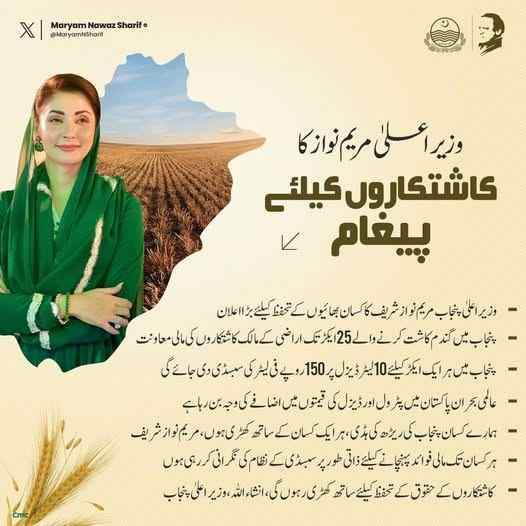
The cost of agricultural production in Punjab has skyrocketed due to a sharp increase in global petroleum prices, forcing small-scale wheat growers to struggle with basic cultivation expenses. In direct response to this crisis, Chief Minister Maryam Nawaz Sharif launched the Diesel Subsidy Scheme in April 2026, providing a substantial relief of Rs 150 per liter on up to 10 liters of diesel per acre exclusively for wheat farmers owning up to 25 acres of land.
What This Comprehensive Guide Covers
- Eligibility Breakdown: Who qualifies as a beneficiary of the Rs 150 per liter diesel subsidy in Punjab.
- Application Walkthrough: How to register via the Maryam Ko Batayen portal, mobile app, and helpline 1000.
- Financial Mechanics: How the Rs 23 billion budget is distributed and how the subsidy is transferred.
- Disbursement Process: The step-by-step journey from application approval to receiving funds in your bank account.
- Troubleshooting Advice: What to do if your application is rejected or your payment is delayed.
Key Takeaways
- Rs 150 Per Liter Direct Subsidy: Eligible wheat farmers receive a significant reduction in fuel costs, with Rs 150 subsidized on every liter of diesel, making agricultural operations more affordable during the critical harvesting season.
- 25-Acre Cap for Small Growers: The program is deliberately capped at landowners with up to 25 acres, ensuring that relief is targeted to small and medium-scale farmers who are most vulnerable to input cost inflation.
- Rs 23 Billion Provincial Budget: The Punjab government has committed a massive Rs 23 billion to this initiative, with an estimated 4 million farmers expected to receive financial assistance directly into their bank accounts or Kissan Cards.
- MKB Digital Ecosystem: Registration is streamlined through the Maryam Ko Batayen (MKB) web portal and mobile application, alongside the 1000 helpline, creating a transparent and accessible digital application process for all farmers.
- No Pump Discounts, Only Bank Transfers: The subsidy is disbursed as a cash transfer, not a point-of-sale discount, which eliminates middlemen and ensures that the full financial benefit reaches the farmer without leakage.
- Read More: Diesel Subsidy Scheme (Rs. 150/Liter) – Fuel Subsidy App
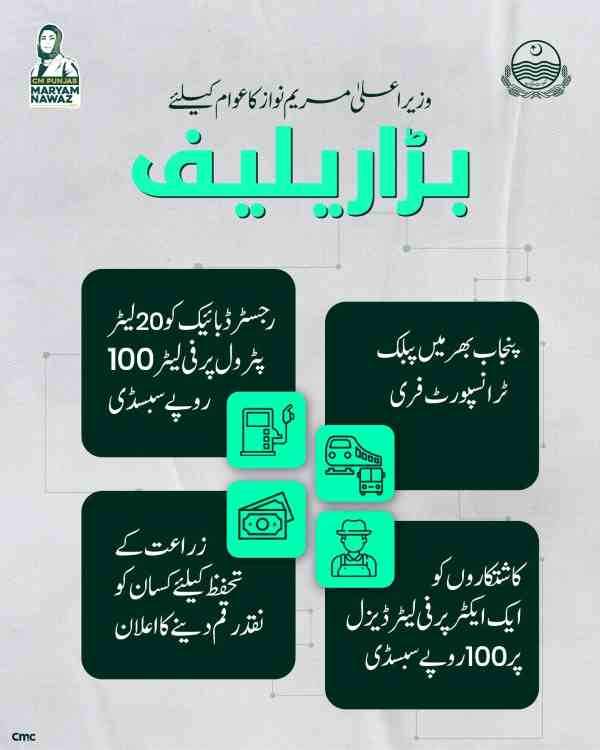
- Read More: Bike Petrol Subsidy App – Apply via SMS | Get 20L Fuel
- Read More: Petrol Subsidy App – Apply via SMS (9771) | Get 20L Fuel
Diesel Subsidy Scheme (For Farmers) – Rs 150/L Subsidy by Maryam Nawaz
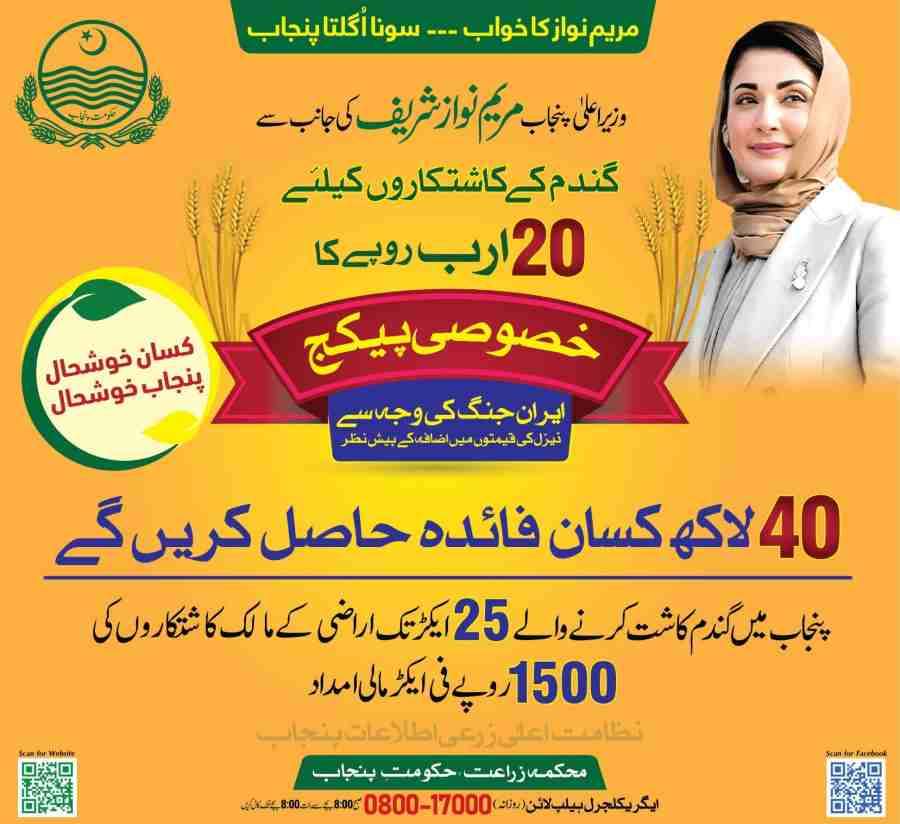
Table of Contents
What is the Diesel Subsidy Scheme Announced by CM Maryam Nawaz?
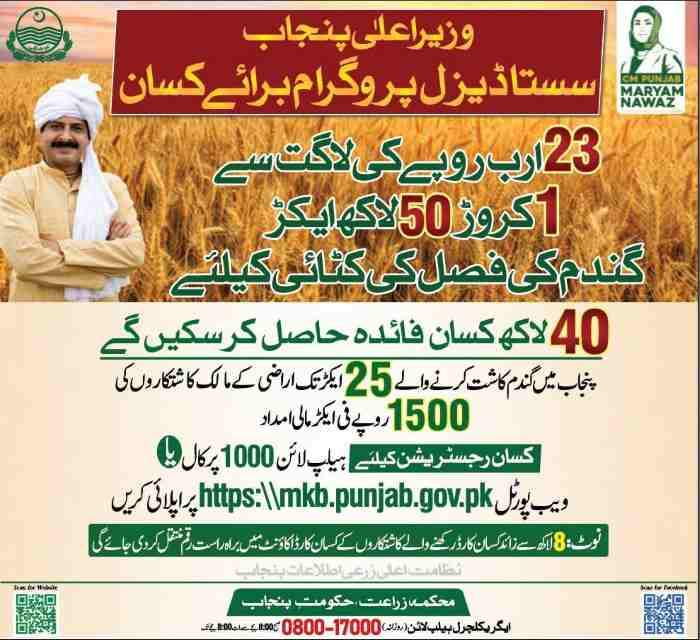
The Diesel Subsidy Scheme is a targeted provincial intervention designed by the Punjab government to cushion wheat farmers from the devastating impact of soaring fuel prices, providing a direct subsidy of Rs 150 per liter on a maximum of 10 liters per acre for farmers with land holdings up to 25 acres. This program represents a strategic shift from blanket subsidies to a focused relief mechanism that prioritizes the agricultural backbone of the province.
Read More: Sasta Petrol Subsidy Scheme – Petrol Subsidy For Bikers
Key Financial Parameters of the Relief Package
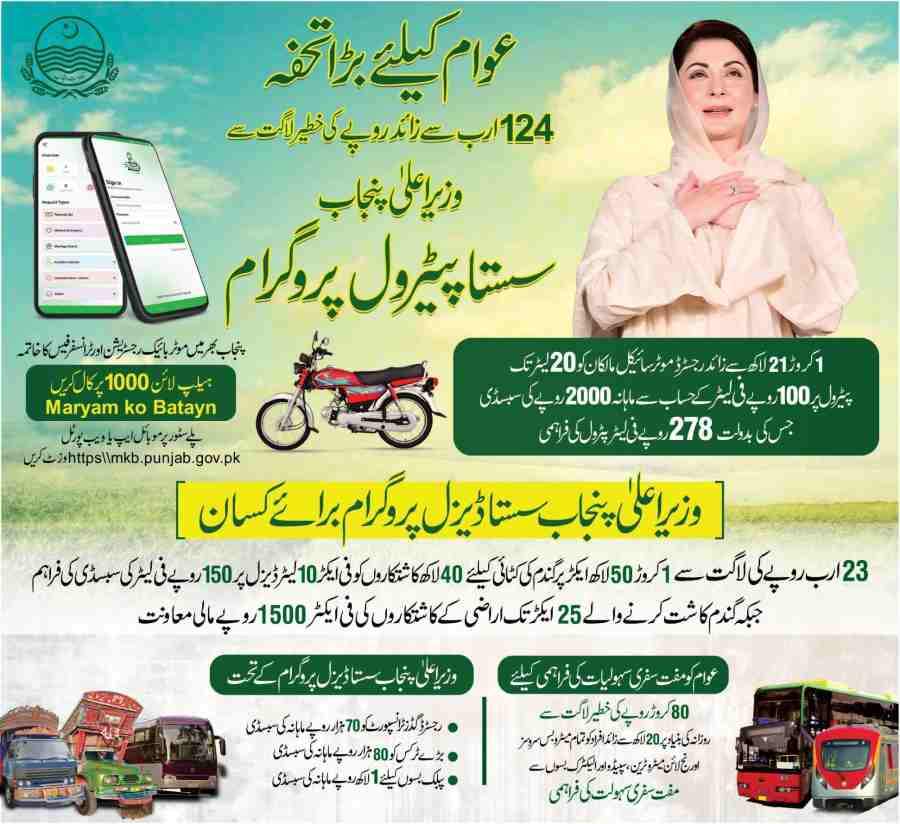
The program’s structure is defined by clear, quantifiable limits that ensure equitable distribution of the Rs 23 billion budget.
- Total Allocated Budget: The Punjab government has earmarked Rs 23 billion specifically for this Kissan Diesel Subsidy Program, making it one of the largest agricultural input subsidies in the province’s recent history.
- Subsidy Amount Per Liter: Eligible farmers receive a direct reduction of Rs 150 on every liter of diesel purchased for approved agricultural activities, significantly lowering the effective price they pay.
- Maximum Subsidized Diesel Per Acre: The subsidy applies to a limit of 10 liters of diesel for each acre of declared wheat cultivation, which aligns with standard fuel consumption patterns for small farms.
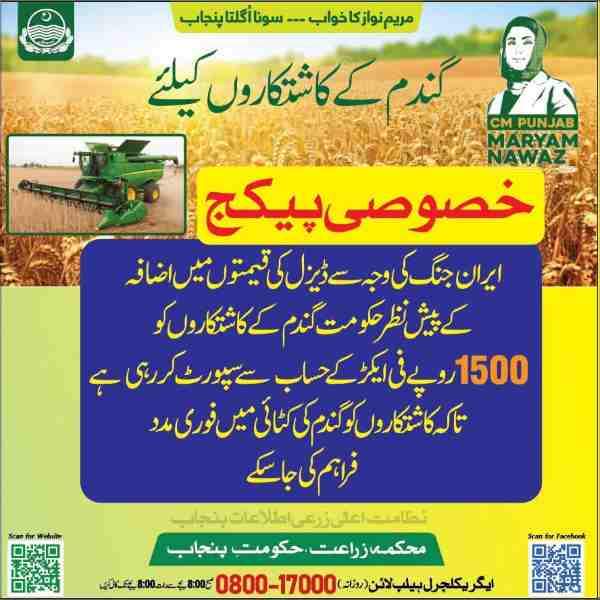
- Total Financial Assistance Per Acre: When calculated, a farmer receives Rs 1,500 in total subsidy per acre (Rs 150 multiplied by 10 liters), providing substantial relief per unit of cultivated land.
- Maximum Payout for 25-Acre Farmer: A farmer with the maximum eligible land of 25 acres can receive a total subsidy of up to Rs 37,500, representing a significant injection of liquidity into their farming operations.
- Total Beneficiary Count: Official government estimates indicate that approximately 4 million farmers across Punjab are expected to benefit from this relief package, covering a wide spectrum of small and medium-scale wheat growers.
Official Announcement and Policy Context
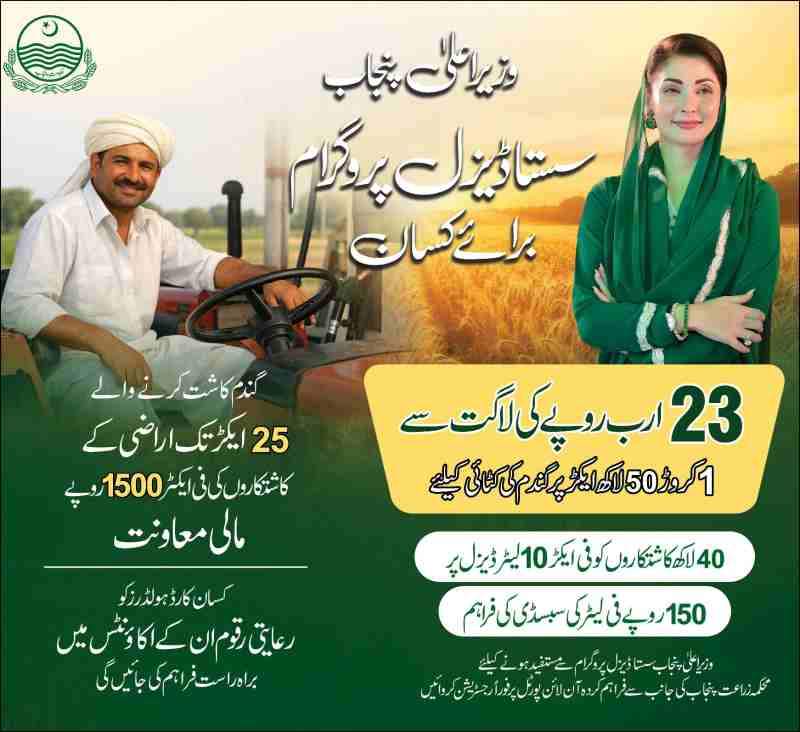
The scheme was announced at a critical time when global and domestic economic pressures were converging to create an unsustainable environment for small farmers.
- Announcement Date: Chief Minister Maryam Nawaz Sharif publicly unveiled the relief package on April 4, 2026, through a post on the social media platform X, detailing the key components for farmers and the general public.
- Triggering Global Crisis: The primary catalyst for this intervention was the sharp increase in global oil prices, driven by ongoing international conflicts and regional tensions, which directly impacted fuel costs in Pakistan.
- Direct Impact on Farmers: The Chief Minister explicitly acknowledged that escalating global oil prices were causing a surge in petrol and diesel prices in Pakistan, which was directly increasing the cultivation expenses for local farmers.
- Government’s Stated Commitment: In her announcement, Maryam Nawaz reaffirmed the government’s commitment to stand by farmers during these challenging times, stating that she is personally overseeing the subsidy mechanism to ensure transparent and effective delivery of financial assistance to every eligible farmer.
Geographic Applicability of the Scheme
The subsidy is strictly a provincial program with defined geographic boundaries and no cross-province applicability.
- Exclusive to Punjab Residents: The Diesel Subsidy Scheme is available only to farmers who are permanent residents of the Punjab province and whose agricultural land is located within its territorial limits.
- Not Available in Other Provinces: The subsidy is not available for farmers residing in Sindh, Khyber Pakhtunkhwa, Balochistan, or any other region, as it is funded entirely by the Punjab provincial government.
- Coverage Across All 36 Districts: Within Punjab, the scheme extends to all 36 districts, ensuring that wheat farmers from Attock in the north to Rahim Yar Khan in the south can access the relief.
- Special Focus on South Punjab: The government has placed particular emphasis on reaching farmers in remote and underserved areas of South Punjab, including the divisions of Bahawalpur, Multan, and Dera Ghazi Khan, where agricultural communities often face greater challenges in accessing digital services.
Who is Eligible for the Rs 150 Per Liter Diesel Subsidy in Punjab?
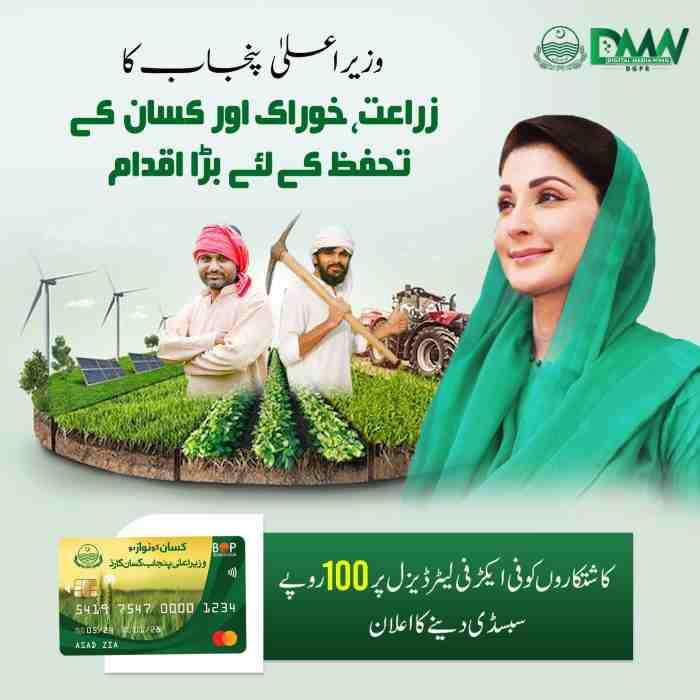
Eligibility for the diesel subsidy is strictly defined by a combination of land ownership limits, crop type, and provincial residency, ensuring that the relief is channeled to small and medium-scale wheat growers who are most vulnerable to fuel price shocks.
Land Ownership and Cultivation Requirements
The cornerstone of the eligibility criteria is the size of the agricultural land holding, which determines the maximum subsidy a farmer can receive.
- Maximum Land Cap of 25 Acres: The program is exclusively designed for small and medium landowners. Farmers with total agricultural land holdings exceeding 25 acres are not eligible for this scheme, as it is targeted specifically at smaller operations.
- No Minimum Land Size Restriction: There is no lower limit on land ownership. Farmers cultivating as little as one acre of wheat are fully eligible for the subsidy on their respective land holding, making the program inclusive of the smallest growers.
- Ineligibility for Larger Landowners: Any farmer whose total land holding surpasses the 25-acre cap is automatically disqualified from the scheme, as the system does not allow for partial claims or pro-rated subsidies.
- Tenant Farmer (Muzara) Inclusion: Tenant farmers are explicitly eligible to apply. To qualify, they must provide a valid, documented tenancy agreement (Muzara Nama) or a registered cultivation certificate issued by the local patwari, which proves their right to cultivate the land.
How To Apply For The Diesel Subsidy Scheme By Maryam Ko Batain Portal
The Bike Petrol Subsidy Scheme, facilitated through the Maryam Ko Batain portal, offers eligible citizens financial relief on fuel costs for two-wheelers. Below is a streamlined, step‑by‑step guide to completing your application online.
Step‑by‑Step Application Process

Step 1: Access the official portal and log in
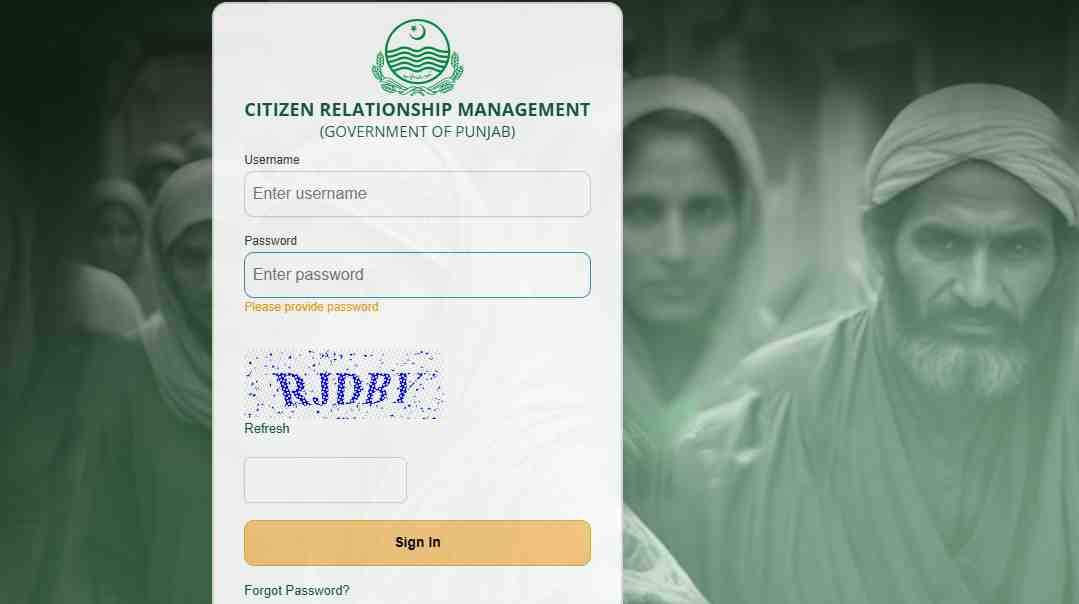
Open the official Maryam Ko Batain portal by navigating to https://crm.punjab.gov.pk/. Enter your registered credentials to log in to your account.
Step 2: Select the Maryam Ko Batain portal option
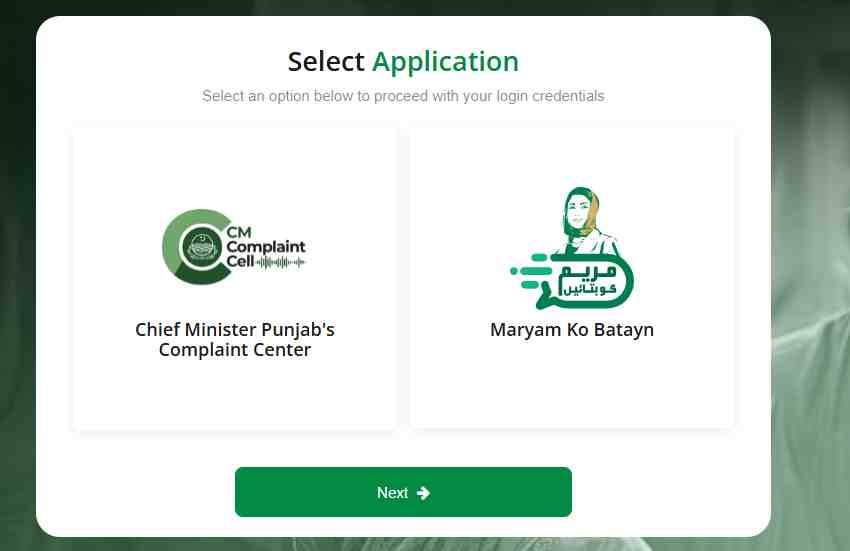
After successful login, locate and select the “Maryam Ko Batain” portal option from the available services. Then, click NEXT to proceed.
Step 3: Complete and submit the online application form
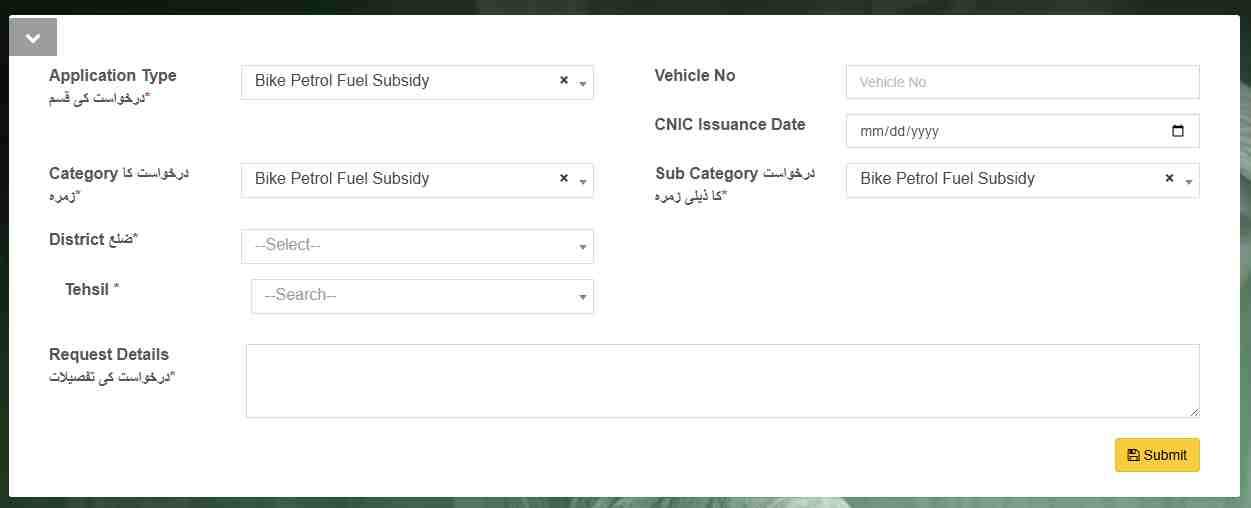
Fill out the online application form by providing all required details accurately. Once the form is complete, click SUBMIT. Use the following link to access the submission page directly:
https://crm.punjab.gov.pk/Complaint/AddComplaint
Note: Ensure all information entered is correct before final submission to avoid processing delays. For further assistance, refer to the official portal’s help section.
Crop-Specific Eligibility Criteria
The subsidy is not a general agricultural input subsidy; it is tied exclusively to wheat cultivation to ensure targeted support.
- Exclusive Focus on Wheat Growers: In its current phase, the Diesel Subsidy Scheme is strictly for farmers who have cultivated wheat on their land. The relief is intended to offset fuel costs for activities directly related to wheat production, such as land preparation, sowing, irrigation, and harvesting.
- No Coverage for Other Crops: The subsidy is not available for farmers cultivating rice, maize, sugarcane, or any other cash crop in this phase. The government has indicated that future phases may consider expanding the program to other staple crops based on its success.
- Exclusion of Horticulture: Farmers engaged in horticulture, including fruit orchards and vegetable farming, are not eligible under this specific wheat-focused scheme, as their fuel consumption patterns and support needs differ.
- No Eligibility for Livestock or Poultry: The subsidy is strictly for crop cultivation diesel use. Poultry farmers, livestock herders, and dairy operators are not covered by this program, as they fall under a different agricultural support category.
The Role of the Kissan Card in the Application Process
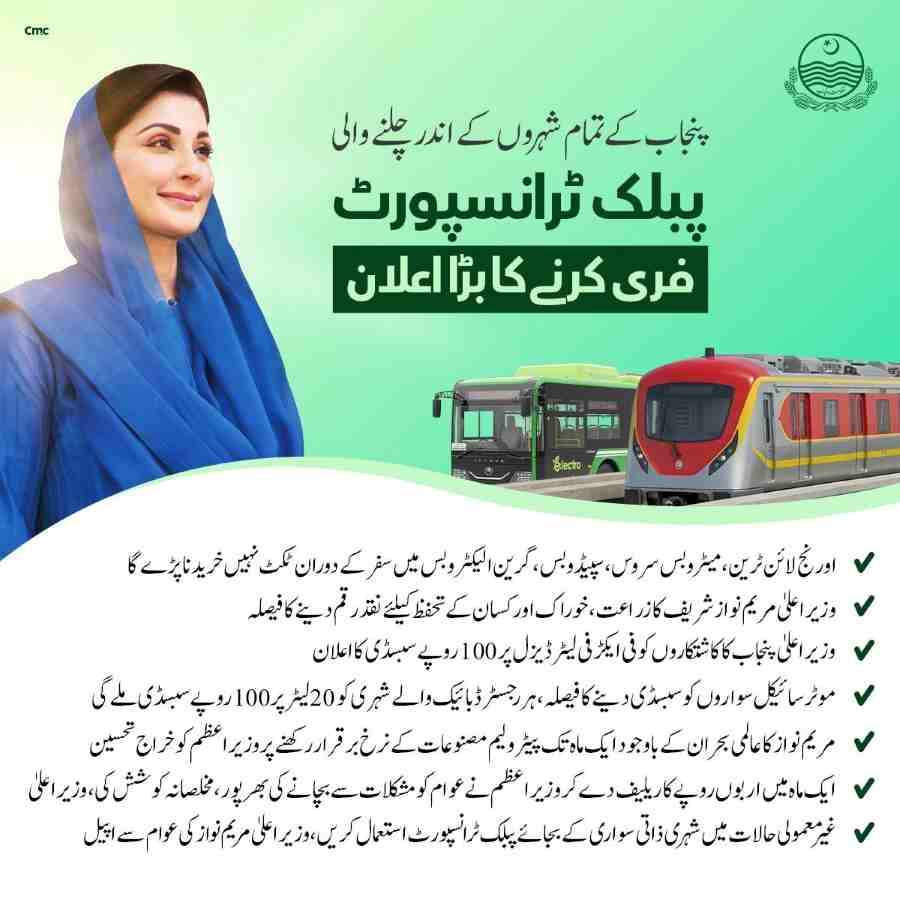
The Kissan Card acts as a pre-verified digital identity for farmers, significantly accelerating the application and disbursement process.
- Preference for Kissan Card Holders: While not strictly mandatory, possessing a Kissan Card is highly preferred because it pre-verifies a farmer’s identity, land records, and bank account information, leading to automated and faster processing.
- Direct Disbursement to Card Holders: Over 800,000 existing Kissan Card holders will receive their subsidy amounts directly into their linked bank accounts, ensuring transparent and timely disbursement without manual intervention.
- How to Obtain a Kissan Card: Farmers who do not have a Kissan Card can apply for one at their local Agriculture Department office or designated bank branches. Possessing this card will simplify future claims for not only this subsidy but also other agricultural support programs.
- Accelerated Verification Timeline: The verification and payment processing timeline for Kissan Card holders is significantly shorter compared to non-cardholders, as their core data is already validated and stored in the government’s central agricultural database.
Complete Documentation Checklist for Applicants
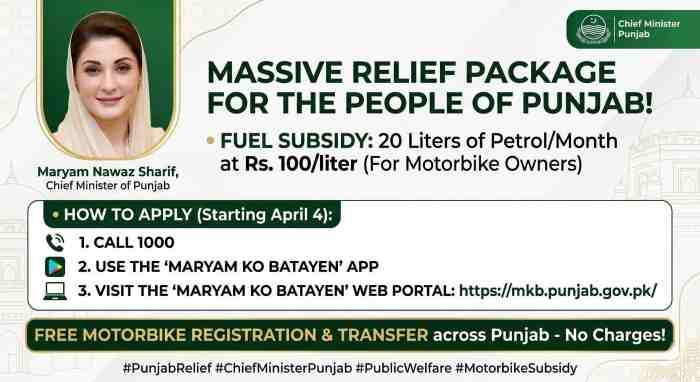
Gathering the correct documents in advance is crucial for a smooth and error-free application process.
- Mandatory CNIC: A valid Computerized National Identity Card (CNIC) is required for identity verification. The name on the CNIC must match the name on the land ownership documents to avoid rejection.
- Land Ownership Proof: Farmers must provide official land ownership documents, such as a Fard (ownership certificate) or Malba (land register extract), which clearly state the land’s size, location, and the owner’s name.
- Tenancy Agreement for Tenant Farmers: Tenant farmers who do not own the land they cultivate must submit a registered tenancy agreement (Muzara Nama) or a cultivation certificate issued by the local patwari as proof of their right to farm the land.
- Bank Account Information: A valid bank account in the farmer’s name is required for the direct transfer of the subsidy amount. The account’s IBAN number must be provided accurately during registration.
- Valid Mobile Number: A working mobile number registered in the farmer’s name is essential for receiving application confirmations, OTP codes for verification, and SMS updates regarding application status and payment disbursement.
Read More: Sindh Govt Petrol Subsidy Scheme – Petrol Subsidy App
How to Apply for the Punjab Diesel Subsidy Scheme Step by Step
Farmers can access the Diesel Subsidy Scheme through four distinct channels designed to cater to varying levels of digital literacy and internet access, including the MKB web portal, the Maryam Ko Batayen mobile app, the 1000 helpline, and in-person assistance at agriculture department offices.
Registration via the MKB Punjab Gov PK Web Portal
The MKB web portal is the primary digital gateway for the scheme, designed to facilitate a paperless, transparent, and efficient application process.
- Official Portal Address: The official website for registration is the Maryam Ko Batayen (MKB) portal, accessible at mkb.punjab.gov.pk. Farmers should verify that they are on the correct site to avoid fraudulent pages.
- Creating a New User Account: On the portal, farmers must click the “Register” or “Sign Up” option. They will need to provide their CNIC number and a valid mobile number to create a secure account.
- Filling the Online Application Form: After logging in, farmers must complete the diesel subsidy application form, accurately providing details about their land size, location, crop type (wheat), and bank account information.
- Uploading Required Documents: The system requires clear scanned copies or photographs of the required documents, including the CNIC, land ownership proof or tenancy agreement, and a recent passport-sized photograph.
- Submission and Tracking ID Generation: Before final submission, farmers should review all entered information for errors. Upon clicking “Submit,” the system generates a unique application tracking ID, which should be saved for future reference and status checks.
Applying Through the 1000 Helpline and SMS Service
The helpline and SMS service provide an accessible alternative for farmers who do not have reliable internet access or are less comfortable with digital technology.
- Central Helpline Number: The official helpline number for the Diesel Subsidy Scheme is 1000. Farmers can call this number from any mobile or landline phone to initiate the registration process.
- Operating Hours and Language Support: The helpline operates seven days a week, from 8:00 AM to 8:00 PM, and provides support in multiple languages, including Urdu, Punjabi, and English, to assist farmers from all regions of Punjab.
- SMS Registration Process: For a quick eligibility check, farmers can send their CNIC number (without any spaces) via SMS to 1000. The automated system will reply with their eligibility status and provide instructions on how to complete the full application.
- Agent-Assisted Registration: Farmers can speak directly to a trained helpline agent who will guide them through the entire registration process step-by-step, collecting the necessary information and entering it into the system on their behalf.
Using the Maryam Ko Batayen Mobile Application
The Maryam Ko Batayen (MKB) mobile app provides a convenient, on-the-go solution for farmers who own smartphones, offering all the functionality of the web portal in a mobile-optimized format.
- App Availability and Download: The “Maryam Ko Batayen” (MKB) mobile application is available for download exclusively on the Google Play Store for Android devices. Farmers should search for the exact name and verify that the developer is the “Government of Punjab” before installing.
- Quick and Simple App Registration: After installation, farmers open the app and follow the on-screen instructions. The process involves entering the CNIC number, verifying it with a one-time password (OTP) sent to the mobile phone, and then filling out the digital application form.
- Key Features of the App: Beyond registration, the app allows farmers to check their real-time application status, view their payment history, download official acknowledgment receipts, and submit complaints directly from their smartphones.
- Offline Functionality: The app is designed with offline capabilities, allowing farmers to fill out the application form in areas with poor or no internet connectivity. The data is stored locally and automatically submitted once a stable connection is restored.
Offline Application at Agriculture Department Offices
For farmers without access to smartphones or the internet, the government has established physical support centers to ensure no one is excluded from the program.
- In-Person Application Availability: Farmers can obtain and submit a physical copy of the application form by visiting their local Agriculture Department office or the Chief Minister’s Helpdesk located in their district.
- Helpdesk Locations: Chief Minister’s Helpdesks are strategically located in local veterinary hospitals and major district agriculture offices across all 36 districts of Punjab to maximize accessibility.
- Assistance for Remote Villages: Agriculture extension officers are being deployed to remote villages to help farmers fill out their forms, collect them, and submit them for processing, ensuring that geographic isolation does not become a barrier to receiving relief.
- Manual Application Process: A farmer can request a physical form, fill it out with the assistance of a staff member, attach photocopies of the required documents, and submit it on the spot. They will receive a stamped acknowledgment receipt as proof of submission.
How the Rs 150/L Diesel Subsidy is Disbursed to Farmers
The Rs 150 per liter diesel subsidy is disbursed exclusively as a direct cash transfer to the farmer’s registered bank account or loaded onto their linked Kissan Card, a mechanism designed to eliminate intermediaries, prevent fraud, and ensure the full financial benefit reaches the intended recipient.
Disbursement Method: Cash Transfer vs. Pump Discount
The government has deliberately chosen a post-purchase cash transfer model over a point-of-sale discount to maximize transparency and control.
- Exclusive Direct Cash Transfer Method: The full subsidy amount is transferred directly into the farmer’s registered bank account or loaded onto their Kissan Card. This is the only method of disbursement authorized by the government.
- No Discount at Petrol Pumps: The subsidy is not provided as a discount at the time of diesel purchase. Farmers pay the full market price at the pump and receive the subsidy amount as a separate cash reimbursement in their bank account.
- Rationale for Direct Transfer: The government opted for direct cash transfers to eliminate fraud and prevent middlemen from exploiting the system, ensuring that the entire subsidy amount, without any deductions, reaches the farmer.
- Farmer’s Responsibility for Receipts: While not required for the subsidy calculation, farmers are advised to keep their diesel purchase receipts for their own records, as the subsidy amount is calculated based on their declared land acreage, not on the actual volume of diesel purchased.
Designated Banks for Payment Processing
A network of major commercial banks has been designated to handle the processing and distribution of subsidy payments across the province.
- List of Designated Banks: The primary banks processing payments include the Bank of Punjab, National Bank of Pakistan, Habib Bank Limited (HBL), and other major commercial banks that have partnered with the government for this initiative.
- No Requirement for a Special Account: Farmers do not need to open a new, special-purpose bank account to receive the subsidy. Any existing valid bank account is acceptable, provided the account holder’s name exactly matches the CNIC used for registration.
- Kissan Card as a Payment Instrument: For Kissan Card holders, the subsidy amount is directly loaded onto their card, which can then be used to withdraw cash from any ATM or make payments at partner retailers.
- Linking Existing Accounts: During the online application process, farmers are prompted to enter their bank account details, including the complete IBAN number. Accuracy at this stage is crucial to ensure successful and timely transfer.
Payment Timeline and Schedule
Understanding the payment timeline helps farmers plan their finances and manage expectations regarding when they will receive the relief.
- One-Time Payment Per Crop Cycle: The diesel subsidy is structured as a one-time payment for the current wheat crop season. It is not a recurring monthly subsidy and is intended to cover fuel expenses for the complete cultivation cycle.
- Expected First Batch Release: The first batch of payments is expected to be processed and released after the post-harvest verification phase, with disbursements likely commencing in late May or early June.
- Verification Before Payment: Payments are released only after the Agriculture Department completes its verification process, confirming that the declared land was indeed used for wheat cultivation and that all provided information is accurate.
- Future Phases Under Consideration: While currently a one-time payment, the government has publicly stated that a second phase for the next crop cycle is under active consideration, pending a review of the success and fiscal impact of the current program.
How to Check Your Payment Status
Multiple channels are available for farmers to track their application and payment status, providing transparency throughout the process.
- MKB Portal Status Check: Farmers can log in to the MKB Punjab gov pk portal, navigate to the “Check Status” section, and enter their CNIC number to view the real-time status of their application and any associated payments.
- SMS Status Inquiry: A quick and convenient method is to send the CNIC number via SMS to 1000. The automated system will immediately reply with the current application and payment status.
- Interpreting “Payment Processed” Status: When the status displays “Payment Processed,” it indicates that the funds have been successfully transferred from the government’s account to the farmer’s bank account. It may take 2-3 additional business days for the amount to appear in the account, depending on bank processing times.
- Action for Delayed Payments: If the status shows “Payment Processed” for more than a week but the amount is not credited, the farmer should contact the 1000 helpline with their application ID and CNIC for further investigation and resolution.
What is the Financial Impact of the Diesel Subsidy on Farmers?
The Maryam Nawaz Diesel Subsidy reduces a farmer’s per-acre diesel cost from approximately Rs 2,500 to Rs 1,000, resulting in a substantial 60% saving on fuel expenses for wheat cultivation, which directly improves the profitability and sustainability of small farming operations.
Calculating Per-Acre Financial Relief
The financial benefit is directly proportional to the size of the land holding, with a clear and transparent calculation method.
- Current Market Price of Diesel: The current market price of high-speed diesel in Punjab is approximately Rs 250 to Rs 280 per liter, driven by global price trends and import costs.
- Effective Price After Subsidy Application: After applying the Rs 150 per liter subsidy, the farmer effectively pays only Rs 100 to Rs 130 per liter of diesel, significantly reducing the out-of-pocket expense for fuel.
- Total Savings for a 1-Acre Farmer: A farmer with a single acre of wheat receives a total subsidy of Rs 1,500 (10 liters x Rs 150), directly reducing their input costs by that amount and improving their net margin.
- Total Savings for a 12.5-Acre Farmer: A mid-sized farmer with 12.5 acres of land will receive a total subsidy of Rs 18,750, representing a substantial injection of liquidity into their farm operations.
- Total Savings for a 25-Acre Farmer: A farmer with the maximum eligible land of 25 acres will receive the highest subsidy amount of Rs 37,500, providing significant financial breathing room for a small-scale agricultural enterprise.
Comparison with Previous Government Relief Programs
This scheme stands out as the most generous agricultural fuel subsidy in recent Pakistani history, surpassing previous federal and provincial initiatives in both scope and per-unit benefit.
- Comparison with 2023 Federal Programs: Previous federal fuel subsidy programs for farmers in 2023 offered only Rs 50 to Rs 70 per liter, which was less than half of the current subsidy amount and often criticized for being inadequate.
- Comparison with Other Provinces: The Punjab government’s Rs 150 per liter subsidy is significantly higher than similar programs in other provinces. For example, the Sindh government announced a subsidy of approximately Rs 100 per liter for its farmers, making Punjab’s program the most generous in the country.
- Comparison with BISP Structure: Unlike the Benazir Income Support Program (BISP), which is an unconditional cash transfer for low-income households, this diesel subsidy is a targeted input subsidy designed specifically to lower the cost of agricultural production and boost wheat output.
Projected Economic Impact on Punjab’s Agriculture
The subsidy is expected to have a multiplier effect on the province’s agricultural economy, stabilizing production and supporting rural livelihoods.
- Boost to Wheat Production: By making cultivation more affordable, the subsidy is expected to prevent land abandonment and encourage farmers to bring their full acreage under wheat cultivation, leading to a potential increase in total provincial wheat production.
- Prevention of Land Abandonment: Without the subsidy, high diesel costs could have made wheat farming unprofitable for small landowners, leading them to leave their land fallow. The subsidy directly prevents this negative outcome, preserving agricultural land in production.
- Contribution to Provincial GDP: The agricultural sector is a significant contributor to Punjab’s Gross Domestic Product (GDP). By supporting farmers and stabilizing production, the subsidy program is projected to have a positive impact on the province’s overall economic growth and food security.
What to Do If Your Diesel Subsidy Application Is Rejected
If your application for the diesel subsidy is rejected, you have a 15-day window to file a formal appeal through the same MKB portal or by personally visiting the District Agriculture Officer with corrected documents, providing a clear path to rectify errors.
Most Common Reasons for Application Rejection
Understanding the most frequent causes of rejection can help farmers avoid making the same mistakes when reapplying or filing an appeal.
- CNIC and Land Record Mismatch: The most common reason for rejection is a mismatch between the CNIC number or name provided and the information recorded in the official land record database. This is often due to spelling variations or differences in name order.
- Land Exceeding the 25-Acre Cap: Applications from farmers whose total land holdings exceed the 25-acre limit are automatically rejected by the system. The program does not allow for partial claims or pro-rated subsidies.
- Incorrect Crop Declaration: If a farmer declares wheat cultivation on their application but an on-ground inspection or satellite imagery reveals a different crop (such as rice or sugarcane), the application will be rejected for incorrect declaration.
- Duplicate Applications: Submitting more than one application from the same CNIC number will lead to the rejection of all subsequent applications, as the system flags them as duplicates and identifies them as potential fraud.
How to Check Your Application Status Online
The MKB portal provides a transparent and real-time view of an application’s journey through the verification and approval process.
- Accessing the MKB Portal: Farmers can log in to their existing account on the MKB Punjab gov pk portal and navigate to the “Check Status” or “My Applications” section to view their current status.
- Understanding “Pending Verification”: When the status reads “Pending Verification,” it means the application has been successfully received and is in the queue for document and land record checks. No further action is required from the farmer at this stage.
- Understanding “Eligible – Awaiting Disbursement”: This positive status indicates that the application has been fully approved after successful verification, and the farmer’s name has been added to the official payment list. The funds will be transferred in the next disbursement batch.
- Understanding “Ineligible”: If the status displays “Ineligible,” a specific reason for ineligibility will be provided (for example, “Land exceeds 25 acres” or “CNIC not verified”). The farmer can then use this information to proceed with an appeal.
Step-by-Step Appeal Process for Rejected Applications
Farmers have a formal and time-bound process to challenge a rejection they believe to be incorrect.
- Strict 15-Day Appeal Deadline: Farmers have a strict 15-day window from the date of the rejection notification to file an appeal. Appeals submitted after this deadline will not be considered by the review committee.
- Where to Submit an Appeal: Physical appeals must be submitted to the office of the District Agriculture Officer in the farmer’s respective district. For online appeals, the MKB portal has a dedicated “File an Appeal” section that guides the user through the process.
- Required Documents for Appeal: The appeal submission must include a copy of the rejection letter (or a screenshot of the online rejection notification) along with any corrected or additional documents that address the reason for rejection, such as a corrected Fard or a fresh tenancy agreement.
- Appeal Review Timeline: The appeal review process typically takes between 7 to 10 working days. The farmer will be notified of the final decision via SMS and can also check the updated status on the MKB portal.
Official Resources and Support Channels
The official digital ecosystem for the Maryam Nawaz Diesel Subsidy includes the MKB Punjab gov pk web portal, the Maryam Ko Batayen mobile app, the 1000 helpline, and the Agriculture Department’s district offices, providing multiple layers of support.
Maryam Ko Batayen Web Portal and Mobile App
The MKB platform serves as the central digital hub for the entire subsidy program, from registration to payment tracking.
- Official Web Portal URL: The legitimate and official URL for the Maryam Ko Batayen portal is mkb.punjab.gov.pk. Farmers should be cautious of fake websites that mimic this address and always verify the “.gov.pk” domain.
- Mobile App Download: The official mobile application, “Maryam Ko Batayen,” is available for download on the Google Play Store for Android devices. Farmers should search for the exact name and verify the developer as “Government of Punjab.”
- Features of the Digital Platform: The MKB platform allows users to complete the full registration process, check their application status, download official receipts, lodge complaints, and receive important notifications and updates.
Helpline 1000 and Its Services
The 1000 helpline is the central point of contact for all scheme-related inquiries, complaints, and registration assistance.
- Primary Helpline Number: The official helpline number for the Diesel Subsidy Scheme is 1000, accessible from any mobile or landline network across Punjab.
- Services Provided: The helpline provides a range of services, including answering eligibility questions, assisting with the registration process, providing status updates, and registering formal complaints about application rejections or payment delays.
- Language Support: The helpline operates in multiple languages, including Urdu, Punjabi, and English, to ensure that farmers from all regions and linguistic backgrounds can receive assistance.
- Callback System: During periods of high call volume, the system allows farmers to request a callback, ensuring that no query goes unanswered and that every farmer receives the support they need.
Frequently Asked Questions (FAQ)
This FAQ section provides direct, concise answers to the most common questions about the Maryam Nawaz Diesel Subsidy Scheme, organized by topic for quick reference.
Eligibility and Land Questions
- How many acres of land do I need to qualify for the subsidy? You need to own or cultivate a maximum of 25 acres of land, with no minimum land requirement, meaning even a one-acre farmer is eligible.
- Is the diesel subsidy only for wheat farmers? Yes, in its current phase, the subsidy is exclusively for farmers who have cultivated wheat on their land.
- Can tenant farmers (muzara) apply? Yes, tenant farmers can apply by providing a valid, registered tenancy agreement or a cultivation certificate issued by the local patwari.
- Are poultry or livestock farmers eligible? No, the subsidy is strictly for crop farmers, specifically those growing wheat, and does not extend to livestock or poultry operations.
Application and Registration Questions
- How can I apply for the Punjab Diesel Subsidy Scheme? You can apply through four channels: the MKB web portal at mkb.punjab.gov.pk, the Maryam Ko Batayen mobile app, the 1000 helpline, or in person at your local Agriculture Department office.
- How do I register for the Diesel Subsidy Scheme via SMS? Send your CNIC number (without spaces) to 1000 to receive an automated reply with your eligibility status and further registration instructions.
- What documents are required for the diesel subsidy registration? You will need a valid CNIC, land ownership proof (Fard) or tenancy agreement, and your bank account details, including the IBAN number.
- Do I need to visit the Agriculture Department office to apply? No, the process is designed to be completed online or over the phone, but in-person assistance is available at local offices for those who need it.
Payment and Disbursement Questions
- How will the subsidy amount be transferred to the farmers? The subsidy amount will be transferred directly to your registered bank account or loaded onto your Kissan Card as a direct cash transfer.
- Will the subsidy be given in cash or as a discount at petrol pumps? It is a cash transfer to your bank account, not a discount at the time of diesel purchase. You will pay full price at the pump and receive the subsidy as a reimbursement.
- How long does the verification process take after applying? The verification process typically takes between 7 to 14 working days, depending on the volume of applications and the accuracy of the documents provided.
- What is the maximum limit of subsidized diesel per acre? The subsidy applies to a maximum of 10 liters of diesel per acre of declared wheat cultivation.
Problem-Solving Questions
- What should I do if my application for the diesel subsidy is rejected? You have 15 days from the date of rejection to file an appeal at your local District Agriculture Office or through the dedicated section on the MKB portal.
- Can I get the subsidy if my land is not registered in my name? Yes, as a tenant farmer, you can apply with a notarized tenancy agreement or a registered cultivation certificate.
- Is there a helpline number for the Maryam Nawaz Diesel Subsidy Scheme? Yes, you can call the central helpline at 1000 for assistance with registration, status checks, and complaints.
- How do I check my eligibility status for the diesel subsidy online? Log in to the MKB portal and enter your CNIC number in the “Check Status” section to view your real-time application status.
Scope and Limitations Questions
- Is this subsidy available for farmers in Sindh or KPK? No, this scheme is exclusively for farmers who are permanent residents of the Punjab province.
- Can farmers with more than 25 acres apply? No, the scheme is specifically capped at landowners with up to 25 acres and does not allow for partial claims or pro-rated subsidies.
- How many total farmers will benefit from the Rs 150/L subsidy? The program is expected to benefit approximately 4 million farmers across Punjab.
- What is the deadline to apply for the Punjab Diesel Subsidy? Check the official MKB portal for the current deadline, as it is typically set for 30 to 45 days from the official announcement date.
Digital Platform Questions
- What is the official web portal for MKB Punjab gov pk registration? The official website is mkb.punjab.gov.pk. Farmers should be cautious of fake websites and always verify the “.gov.pk” domain.
- How do I use the “Maryam Ko Batayen” app for the diesel scheme? Download the app from the Google Play Store, register with your CNIC, and follow the in-app instructions for the diesel subsidy application.
- Which banks are processing the diesel subsidy payments? The designated banks include the Bank of Punjab, National Bank of Pakistan, HBL, and other major commercial banks partnered with the government.
- Is a Kissan Card mandatory to receive the Rs 150 diesel subsidy? No, it is not mandatory, but it is highly preferred for faster processing and automated disbursement.
Conclusion: Summary and Action Plan for Punjab Farmers
The Maryam Nawaz Diesel Subsidy Scheme provides a substantial relief of Rs 150 per liter on 10 liters per acre for up to 25 acres of wheat cultivation in Punjab, representing a Rs 23 billion investment in the province’s agricultural sector. Eligible farmers are urged to act immediately and register through the official MKB portal or by calling the 1000 helpline before the application deadline. No payment is required for registration, and farmers should immediately report any requests for bribes or unofficial fees to the 1000 helpline. For the latest updates on the program, farmers should regularly check the official MKB portal or monitor their SMS messages for notifications from the government.
Disclaimer: The information provided in this guide is based on official government announcements and public statements regarding the Diesel Subsidy Scheme. While all efforts have been made to ensure accuracy, farmers are strongly advised to confirm all details, including eligibility criteria, application deadlines, and disbursement procedures, directly through the official MKB portal or by calling the 1000 helpline before taking any action.

Add a Comment