
You have just purchased a brand new iPhone from Dubai, or perhaps a relative has sent you a Samsung Galaxy from the UK as a gift. The excitement of unboxing a premium device quickly turns to confusion when you hear unfamiliar terms like DIRBS, PTA approval, and non-compliant status. Without understanding how to check PTA tax on mobile and complete the registration process, that expensive smartphone could become useless for calls and data within just two months. This comprehensive guide walks you through every aspect of Pakistan’s mobile device registration system, ensuring your phone remains connected to local networks without interruption while saving you money through legal channels.
Key Takeaways
- Always Verify Before Buying: Never purchase an imported phone without checking its IMEI on the official PTA portal first to avoid inheriting unpaid taxes or blocked status.
- Passport Registration Offers Savings: Overseas Pakistanis and foreign visitors can register devices on their passport for significantly lower tax rates compared to CNIC-based registration.
- Temporary Registration Available: The 120-day temporary registration facility allows visitors to use personal phones tax-free during their stay in Pakistan.
- Tax Rates Have Decreased: Recent FBR valuation updates have substantially reduced taxes on popular used smartphone models, making legal registration more affordable.
- Both IMEIs Matter for Dual SIM: Dual SIM phones require separate registration for each IMEI slot, and both must be compliant for full functionality.
- Read More: How To Check IMEI Number (For Free All Mobiles)
- Read More: PTA Approved Check | PTA Tax Calculator
- Read More: PTA Mobile Tax List | PTA Mobile Tax Check Online
Understanding Pakistan’s Mobile Device Registration Framework
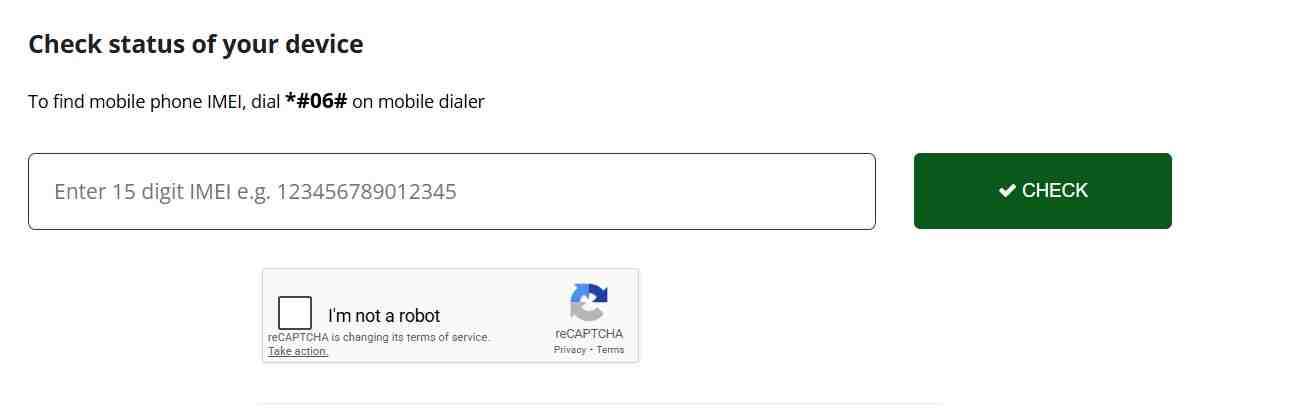
Table of Contents
What is PTA tax and why does it exist?
PTA tax represents the collective customs duties and government levies imposed on all mobile devices imported into Pakistan for personal or commercial use. This mandatory payment ensures your device becomes legally recognized within the Device Identification, Registration and Blocking System (DIRBS) database maintained by the Pakistan Telecommunication Authority.
The tax structure encompasses multiple components including customs duty calculated at 20% on the value exceeding $30, regulatory duty applied at 25% primarily for devices valued above $350, sales tax fixed at 18% on the cumulative amount after duties, withholding tax ranging from 10% to 15% determined by your taxpayer status, and a nominal PTA processing fee between Rs. 250 to Rs. 5,000. When you check PTA tax on mobile through official channels, these individual components combine to show your total liability.
How does the DIRBS system actually work?
The Device Identification, Registration and Blocking System functions as a centralized database that continuously monitors every mobile device accessing Pakistani cellular networks. When your phone connects to a local tower, its unique 15-digit IMEI number is instantly checked against this database to determine its authorization status. Devices fall into three distinct categories within the system. Compliant devices appear on the whitelist with all taxes paid and enjoy uninterrupted network access indefinitely.
Valid non-compliant devices possess genuine IMEI numbers allocated by the GSMA but have unpaid taxes, triggering a 60-day grace period for registration. Invalid non-compliant or blocked devices have counterfeit IMEIs, duplicated numbers, or have exceeded their grace period, resulting in immediate or eventual service suspension.
What triggers the 60-day registration countdown?
The 60-day registration period begins automatically the moment your device successfully registers with any Pakistani cellular network for the first time. This critical event, technically termed the First Latch Date, is permanently recorded against your IMEI in the DIRBS database. Many users mistakenly believe that removing the SIM card, performing a factory reset, or traveling abroad and returning will reset this timer. The reality is far more strict.
The 60-day countdown is hardware-locked to your specific IMEI and continues regardless of your actions. On day 61, all mobile operators receive automated instructions from DIRBS to block your IMEI completely. Your phone will display no service, and all cellular functions including calls, SMS, and mobile data become permanently unavailable until you pay the full tax amount.
Which devices require PTA registration beyond smartphones?
PTA regulations extend comprehensively to any device capable of connecting to cellular networks through SIM card insertion. This includes tablets with cellular capability such as iPad Pro models with 5G, Samsung Tab S series, and Lenovo Yoga tablets. Smartwatches featuring eSIM technology like Apple Watch Series with cellular, Samsung Galaxy Watch, and Huawei Watch models require registration.
Portable WiFi devices including Zong, Jazz, and Ufone branded MiFi routers fall under the same rules. Vehicle tracking devices and IoT equipment with SIM connectivity must also comply. However, devices limited to WiFi connectivity only, such as standard laptops and WiFi-only tablets, face no registration requirements as they cannot access mobile networks.
Why did Pakistan implement this comprehensive registration system?
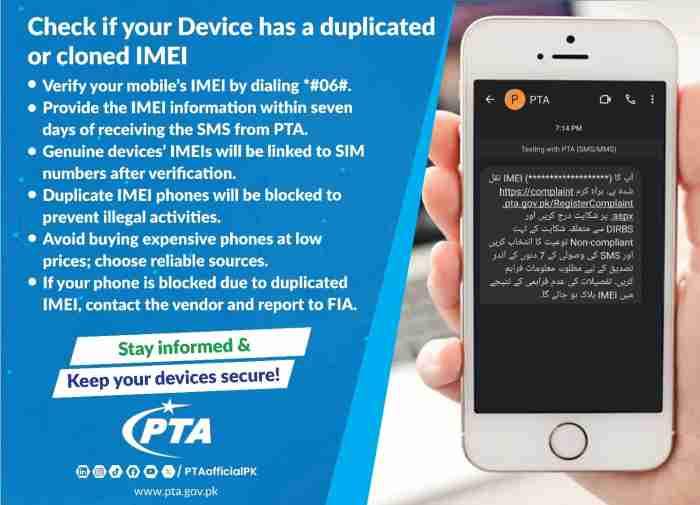
The DIRBS framework emerged from multiple national priorities requiring coordinated action. Revenue collection represents a primary objective, as previously billions of rupees in customs duties went uncollected due to widespread mobile phone smuggling. National security considerations drove the need for device traceability, enabling law enforcement agencies to track criminal communications through verified IMEI numbers.
Consumer protection against stolen devices became possible through centralized blacklisting that all operators must enforce. The system also helps combat counterfeit phone proliferation by identifying and blocking invalid IMEIs. When you check PTA tax on mobile through official channels, you participate in this national framework designed to create a more secure and regulated telecommunications environment.
Comprehensive Methods to Check PTA Tax Status
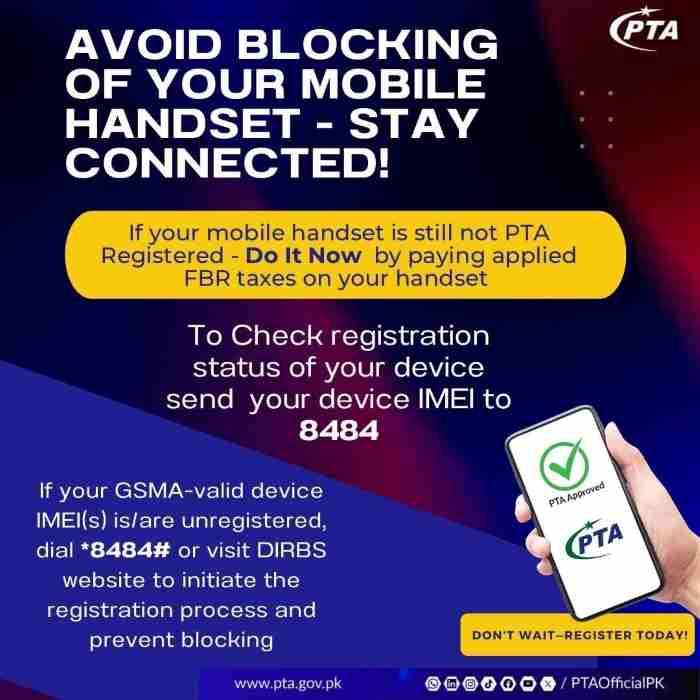
How to check PTA tax on mobile using SMS to 8484?
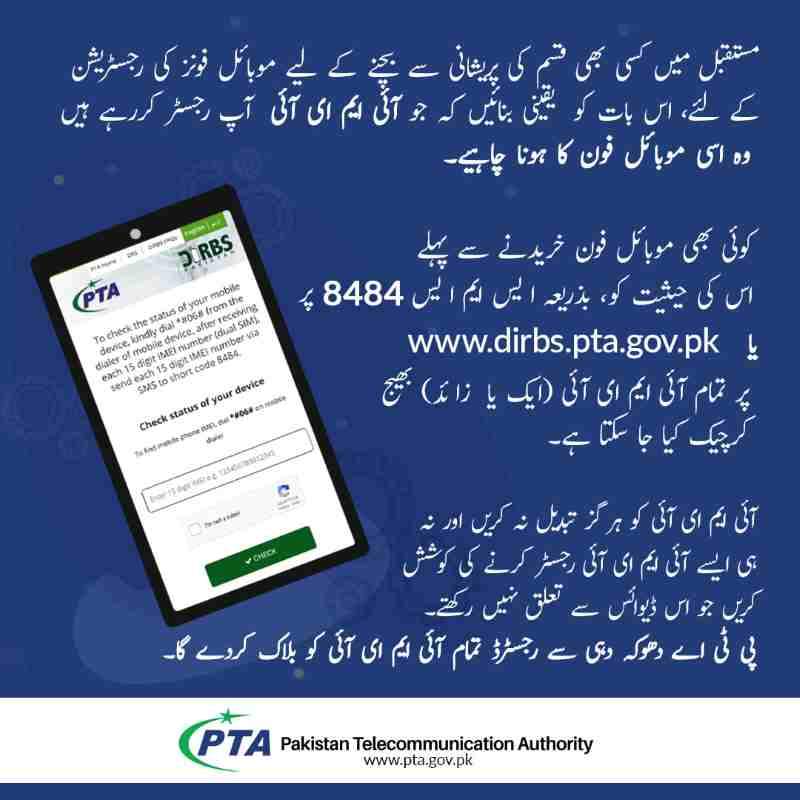
The SMS verification method remains the most accessible option for all mobile users regardless of their phone type or internet connectivity. To perform this check, first obtain your device’s unique 15-digit IMEI number by opening your phone dialer and entering the universal code *#06#. The screen instantly displays one or two 15-digit numbers depending on whether your phone supports single or dual SIM functionality. Write these numbers down carefully, ensuring you capture every digit correctly.
Open a new SMS message, type the 15-digit number exactly as displayed without adding any words, spaces, or punctuation, and send it to the short code 8484. Within seconds, you receive an automated reply from PTA containing your device’s current compliance status. This service works on all Pakistani networks including Jazz, Telenor, Zong, and Ufone, and costs only the standard SMS rate applicable to your mobile package.
What do the different SMS responses actually mean?
When you check PTA tax on mobile via SMS, the response uses specific terminology that directly indicates your device’s legal standing. A message stating “Compliant” or “PTA Approved” confirms your device has cleared all customs requirements and will function normally on all Pakistani networks permanently. A response reading “Valid Non-Compliant” indicates your device possesses a genuine GSMA-allocated IMEI but the required taxes remain unpaid, activating the 60-day grace period.
A message saying simply “Non-Compliant” without the word “Valid” warns that your IMEI is either counterfeit, duplicated, or not officially recognized, which may result in immediate blocking. A “Blocked” response confirms your device has already been disconnected from all cellular networks due to expired grace period, theft reporting, or IMEI duplication issues.
How to check PTA tax online through the official DIRBS portal?

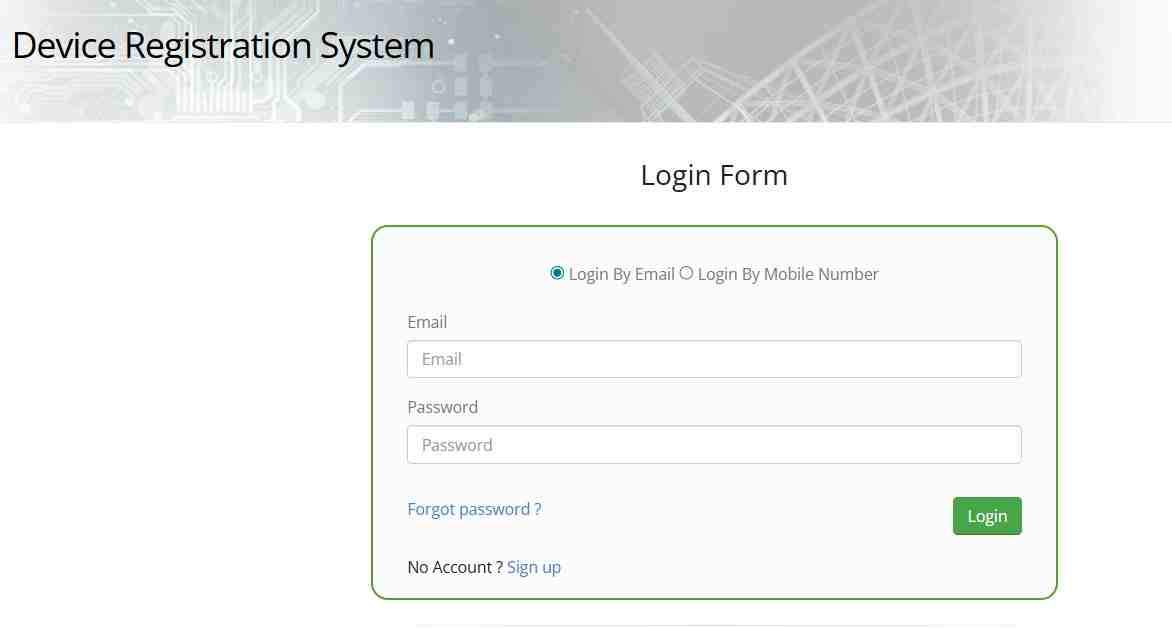
The DIRBS website at dirbs.pta.gov.pk provides the most comprehensive verification experience with additional details not available through SMS. Navigate to the portal and locate the “Verify Device” section prominently displayed on the homepage. Enter your complete 15-digit IMEI number in the designated field, complete the simple captcha verification to prove you are human, and click the submit button.
The system queries the central database and returns your device’s current status along with supplementary information including the manufacturer name, model designation, and compliance date if applicable. This web-based method proves particularly valuable when checking phones before purchase, as you can verify using any internet-connected device without needing the physical phone present.
What color codes indicate on the DIRBS web portal?
The DIRBS online interface employs an intuitive color-coding system that enables instant status recognition at a glance. A prominent green display indicates a fully Compliant device with all taxes paid and permanent network authorization granted. A yellow status represents Valid Non-Compliant, meaning your device has a legitimate IMEI but requires tax payment within the remaining grace period.
A red status appears for Non-Compliant or Blocked devices, signaling either an invalid IMEI or a phone that has exceeded its 60-day allowance and been disconnected. When you check PTA tax on mobile through the web portal, these visual cues help you immediately assess whether a device is safe to purchase or requires urgent action.
How to use the DVS mobile app for IMEI verification?
The Device Verification System (DVS) mobile application, available for free download from both Google Play Store and Apple App Store, offers the convenience of automated IMEI scanning. After installing the official PTA DVS app, open it and grant the requested camera permissions. The app’s built-in scanner can read IMEI barcodes typically printed on phone packaging, or you can use the manual entry option for devices without accessible barcodes.
Once the IMEI is captured, the app communicates with DIRBS servers and displays your device’s complete status information. This application proves especially useful for retailers who frequently verify multiple devices and individuals who prefer visual confirmation over manual number entry.
What is the USSD code *8484# and how does it work?
The USSD code *8484# provides an interactive menu-based verification service accessible from any mobile phone without requiring internet connectivity. Dial *8484# and press the send button to launch the PTA mobile registration interface. Follow the on-screen prompts by selecting options such as “Register Mobile Device” or “Check Registration Status.”
The system requests your CNIC or passport number and the IMEI of your device, which you enter using your keypad. Within moments, you receive a response displaying your current status and, if applicable, a Payment Slip ID (PSID) showing the exact tax amount owed. This method combines the speed of SMS with the interactivity of a menu system, making it ideal for users comfortable with text-based interfaces.
How to check PTA tax for dual SIM phones properly?
Dual SIM phones require special attention because each SIM slot possesses its own unique IMEI number that must be verified and registered separately. When you dial *#06# on a dual SIM device, the screen displays IMEI 1 typically associated with SIM slot 1, followed by IMEI 2 associated with SIM slot 2. You must check PTA tax on mobile for both IMEIs individually by sending each 15-digit number to 8484 in separate SMS messages or entering them separately on the DIRBS portal.
A concerning practice in the grey market involves sellers paying tax on only one IMEI to reduce costs, leaving the second slot unregistered. If you later use a SIM card in the unregistered slot, that slot will be blocked after 60 days even if the first slot remains fully functional.
Calculating PTA Tax for Different Phone Models and Categories
How is PTA tax calculated for iPhone models?
iPhone tax calculations depend entirely on the depreciated customs value assigned to each model by FBR’s periodic valuation rulings. The iPhone 15 Pro Max currently carries a customs value of approximately $460, placing it in the premium slab above $350. For this device, passport-based registration costs approximately Rs. 41,960 while CNIC-based registration reaches around Rs. 50,352. The iPhone 15 Pro at $390 valuation falls in the same premium category with similar tax amounts.
The iPhone 15 and iPhone 14 series, valued between $210 and $320, fall within the $200 to $350 slab attracting passport taxes near Rs. 31,640 and CNIC taxes around Rs. 37,968. Older models like the iPhone 13 at $170 valuation enjoy significantly lower taxes around Rs. 13,000 for passport and Rs. 15,600 for CNIC. When you check PTA tax on mobile for any iPhone, these slab-based calculations determine your final liability.
What are the current PTA tax slabs based on customs value?
The PTA tax structure operates through clearly defined value slabs that determine applicable duties regardless of the specific phone brand or model. The entry slab covers devices valued up to $30, attracting minimal tax around Rs. 1,500 primarily consisting of the PTA processing fee. The low slab from $30 to $100 results in taxes approximately Rs. 4,500, making budget smartphones affordable to register.
The mid slab covering $100 to $200 commands taxes around Rs. 13,000, applying to many mid-range Android devices and older iPhone models. The high slab from $200 to $350 sees taxes near Rs. 31,640 for passport and Rs. 37,968 for CNIC, covering recent mid-range flagships. The premium slab for devices above $350 starts from Rs. 41,960 for passport and increases proportionally with value, applying to all current-generation flagship devices from Apple, Samsung, and Google.
How does filer status affect your final tax amount?
Your status on the Active Taxpayers List (ATL) maintained by the Federal Board of Revenue directly impacts the withholding tax component of your total PTA liability. Tax filers who regularly submit income tax returns benefit from a reduced withholding tax rate of approximately 10% applied to the cumulative duty amount.
Non-filers face a higher withholding tax rate around 15%, which can add thousands of rupees to the final bill depending on your device’s value. When you check PTA tax on mobile through official channels and enter your CNIC, the system automatically queries the ATL database to determine your status and applies the correct withholding rate. This difference typically amounts to 5% to 10% of your total tax obligation, providing meaningful savings for compliant taxpayers.
How much tax applies to a $500 mobile phone?
A mobile phone with a customs value of $500 falls squarely within the premium slab and attracts substantial duties requiring careful budgeting. Using the prevailing exchange rate and complete tax structure, a $500 device valued at approximately Rs. 140,000 undergoes a multi-step calculation process. Customs duty applies at 20% on the amount exceeding $30.
Regulatory duty adds 25% for devices exceeding the $350 threshold. Sales tax at 18% applies to the cumulative value after these duties. Withholding tax adds another 10% to 15% based on filer status. The final tax amount for a $500 phone typically ranges from Rs. 60,000 to Rs. 75,000. This explains why flagship devices like the iPhone 16 Pro Max, Samsung Galaxy S24 Ultra, and Google Pixel 8 Pro command such significant registration costs when brought from abroad.
What tax applies to Samsung flagship models after recent valuation updates?
Samsung’s premium devices have benefited substantially from the January 2026 FBR valuation updates that reduced customs values on popular used smartphones. The Samsung Galaxy S23 Ultra, now valued at $255, comfortably sits in the $200 to $350 slab with passport tax approximately Rs. 31,640 and CNIC tax around Rs. 37,968. The Samsung Galaxy S22 Ultra at $160 valuation falls within the $100 to $200 slab attracting passport taxes near Rs. 13,000 and CNIC taxes around Rs. 15,600.
The Samsung Galaxy S21 Ultra and S21 Plus, valued between $69 and $80, enjoy the low slab rate of approximately Rs. 4,500 total tax. When you check PTA tax on mobile for any Samsung device, these reduced valuations apply automatically, making premium Android phones significantly more affordable to register legally compared to previous years.
How is tax calculated for used phones brought from abroad?
Used phones benefit from substantially reduced customs valuations compared to their original retail prices, reflecting depreciation and market realities. When you import a used phone from destinations like Dubai, UK, USA, or China, the FBR applies valuation based on the device’s age, model, and condition rather than its original purchase price. A used iPhone 15 Pro Max that originally retailed for $1,200 may be valued at only $400 to $450 for tax purposes if it is one year old and in good condition.
This depreciation dramatically reduces the final tax obligation from potentially over Rs. 150,000 to approximately Rs. 45,000 to Rs. 55,000. The system automatically applies these reduced values when you check PTA tax on mobile, as the valuation is algorithmically determined based on the specific model and its manufacturing date encoded in the IMEI.
Step-by-Step Payment and Registration Process
How to generate a Payment Slip ID for tax payment?
The Payment Slip ID (PSID) serves as your unique identifier for completing the PTA tax transaction through banking channels. To generate your PSID, visit the DIRBS portal at dirbs.pta.gov.pk or dial the USSD code *8484# from your mobile phone. Select the option for mobile device registration or tax payment. Enter your CNIC number for Pakistani residents or passport number for overseas Pakistanis and foreign nationals.
Input the 15-digit IMEI number of your device carefully, double-checking for any typing errors. The system instantly calculates your exact tax liability based on current valuations and generates a 16-digit PSID valid for seven calendar days. Write down this PSID number or take a screenshot, as you will need it for payment. The PSID links specifically to your IMEI and CNIC combination and cannot be used for any other device.
What payment methods are available for PTA tax?
Once you have generated your PSID, multiple convenient payment channels allow you to complete the transaction without visiting a bank branch. Mobile wallet users can pay through JazzCash by opening the app, navigating to “Payments,” selecting “Taxes,” choosing “FBR” or “PTA,” entering the 16-digit PSID, verifying the displayed amount, and confirming payment from your balance. Easypaisa offers an identical process under “Payments” then “Tax Collection.”
Most commercial banking apps including HBL NayaPay, UBL Digital, Meezan Bank, Alfalah Mobile, and Standard Chartered provide dedicated sections for “Tax Payments” or “FBR Payments” where you enter the PSID and pay directly from your account. For those preferring traditional methods, you can visit any branch of designated banks including National Bank, Habib Bank, United Bank, or Allied Bank, provide your PSID to the teller, and pay in cash or via debit card. Always obtain and save the transaction receipt or confirmation SMS as proof of payment.
How long does registration take after payment?
The DIRBS system processes payments through an automated reconciliation mechanism that typically completes within 24 hours. After successful payment, your transaction details are transmitted from the banking system to FBR and then to PTA’s DIRBS database. This reconciliation process usually takes between 4 to 24 hours, after which your device status automatically updates from “Valid Non-Compliant” to “Compliant.”
Most users receive confirmation via SMS from 8484 within one business day confirming their device is now PTA approved. During peak periods or if technical issues arise, processing may extend to 48 or even 72 hours. If your device remains non-compliant after 72 hours with payment confirmed, contact PTA support through their official channels with your PSID number, IMEI, and payment receipt attached for manual resolution.
What should you do if your PSID fails to generate?
PSID generation failures typically stem from correctable data issues that you can resolve without professional assistance. First, verify that your IMEI shows as “Valid Non-Compliant” on the status check, as “Compliant” devices cannot generate new PSIDs and “Non-Compliant” without “Valid” indicates IMEI problems requiring different handling. Double-check your CNIC or passport number entry for any digit errors, as government databases require exact matches.
Ensure your device is not already registered to another person’s CNIC, which would prevent new PSID generation. If you receive a valuation error, the specific model may be temporarily missing from the FBR database, requiring you to try again after 24 to 48 hours. Attempt the USSD method via *8484# as an alternative to the web portal, as different systems may yield different results. Persistent failures may indicate underlying IMEI issues requiring direct communication with PTA support.
How to verify payment confirmation and download receipt?
After completing your tax payment, you should verify the transaction and obtain official documentation for your records. Return to the DIRBS portal and use the “Check Payment Status” feature by entering your PSID number. The system displays whether payment has been received and applied to your IMEI. For comprehensive documentation, log into your DIRBS account if you created one during registration, navigate to “Payment History” or “My Devices,” select the relevant IMEI, and choose “Download Receipt” to obtain an official PDF receipt bearing government authentication.
This certificate serves as definitive proof of PTA registration and may be required when selling the device, dealing with customs authorities, or resolving future compliance disputes. Keep both the SMS confirmation and downloaded receipt in a safe location for future reference.
Special Provisions for Overseas Pakistanis and Visitors
How can overseas Pakistanis check PTA tax on mobile using passport?
Overseas Pakistanis enjoy distinct advantages when registering mobile devices, including preferential tax rates and simplified documentation requirements. When you check PTA tax on mobile as an overseas Pakistani, always select the “Passport” or “Overseas Pakistani” option on the DIRBS portal rather than using CNIC.
The system applies significantly reduced tax rates that are typically 15% to 20% lower than standard CNIC-based calculations. This preference recognizes the foreign currency spent on device purchase abroad and encourages legal registration rather than smuggling. To access these rates, you will need your valid passport number, NICOP number if applicable, and sometimes proof of overseas residence. The reduced rates apply automatically when you correctly identify yourself as an overseas Pakistani during the PSID generation process.
What is the one phone tax-free allowance for overseas Pakistanis?
Overseas Pakistanis can bring one personal mobile device completely duty-free per calendar year under the baggage rules administered by customs authorities. This valuable concession applies to used phones intended for personal use, not new devices for commercial resale. To claim this exemption, you must apply through the DIRBS portal within the temporary registration period after arrival.
Required documentation includes your passport showing entry stamp, NICOP, boarding pass or flight ticket, and sometimes proof of overseas residence such as utility bills or employment documents. The system verifies your eligibility including checking whether you have already claimed this exemption within the past 12 months. If approved, your device is marked compliant without any tax payment, saving you thousands of rupees. This allowance represents one of the most significant benefits available to overseas Pakistanis bringing personal phones into the country.
How does temporary 120-day registration work for visitors?
The Temporary Mobile Registration System (TMRS) allows foreign nationals and overseas Pakistanis to use their personal phones tax-free for up to 120 days during each visit to Pakistan. This facility can be availed repeatedly, with a fresh application required for each new visit. To register, visit the DIRBS portal and create an account by providing your email address and mobile number.
Select “Temporary Registration for Overseas Pakistanis/Foreign Nationals” from the available options. Enter your passport number, exact arrival date, planned departure date, and the IMEI numbers of your devices. Once submitted and approved, your device is whitelisted for the duration of your stay. When you check PTA tax on mobile after approval, the status will show as temporarily compliant with an expiration date matching your declared departure. This free registration ensures visitors stay connected without the burden of paying full import duties for short stays.
What tax differences exist between passport and CNIC registration?
Passport-based registration differs fundamentally from CNIC-based registration in both cost and duration. Passport registration available to overseas Pakistanis and foreign nationals offers 15% to 20% lower tax rates due to preferential treatment designed to encourage remittances and foreign travel. However, this registration is temporary, typically tied to the validity of your visit or passport, and may require renewal on subsequent trips.
CNIC-based registration for Pakistani residents carries higher tax rates but provides permanent approval that lasts indefinitely. This permanent status transfers with the device if you sell it within Pakistan, increasing its resale value. When you check PTA tax on mobile, always select the appropriate identification type to see your accurate tax amount, and consider whether temporary savings outweigh permanent registration depending on your long-term plans.
How to register a phone at the airport upon arrival?
For travelers seeking immediate registration upon entering Pakistan, customs kiosks at major international airports offer on-the-spot processing. Upon arrival at airports including Islamabad, Karachi, Lahore, or Sialkot, proceed to the customs declaration area before exiting the arrivals hall. Inform the customs officer that you wish to declare and register a personal mobile device. Present your passport, boarding pass, and the physical phone for inspection.
The officer will verify the IMEI by dialing *#06# on your device and may ask about its value and age. For phones claiming the one-duty-free allowance, the officer will verify your eligibility and issue approval documentation. For devices requiring tax payment, you may pay directly at the airport bank branch or receive instructions for online payment. This airport registration provides immediate peace of mind and official documentation of your device’s legal status.
Troubleshooting Common PTA Verification and Payment Issues
What does a “Blocked” status mean and how to fix it?
A “Blocked” status on any PTA verification channel indicates your device has been permanently blacklisted from all Pakistani cellular networks for specific reasons requiring different resolution approaches. If blocked due to expired 60-day grace period without tax payment, you can resolve the issue by generating a PSID and paying the full tax amount, after which the system automatically unblocks your device within 24 to 48 hours. If blocked due to theft reporting by the original owner, you must provide proof of legitimate purchase and ownership documentation to PTA for review and potential reinstatement.
If blocked due to IMEI duplication where the same number appears on multiple devices, you may need to apply for “pairing” through PTA by submitting purchase proof and explaining your legitimate ownership. Blocked status from counterfeit IMEIs may be impossible to resolve, as invalid numbers cannot be registered in the authentic GSMA database.
Why does your IMEI show “Non-Compliant” without the word “Valid”?
When your IMEI check returns “Non-Compliant” without the crucial word “Valid” preceding it, this indicates a fundamental problem with the IMEI itself rather than simply unpaid taxes. This status typically means the IMEI number is not recognized in the international GSMA database, suggesting it is counterfeit, cloned from another device, or improperly generated.
Such IMEIs are common on cheaply manufactured phones, refurbished devices with replaced motherboards, or phones that have undergone unauthorized repairs. In many cases, these devices cannot be registered at all, as there is no legitimate IMEI to associate with tax payment. If you encounter this status on a phone you already own, contact the manufacturer’s authorized service center to verify whether the IMEI can be restored to legitimacy. If you encounter it on a phone you are considering purchasing, walk away from the deal immediately.
What to do when payment is confirmed but status remains non-compliant?
Payment confirmation delays create anxiety for users who have completed their tax obligation but cannot yet use their devices normally. If you have paid and received bank confirmation but your status remains non-compliant after 48 hours, follow this systematic troubleshooting approach. First, verify your payment details by checking your bank transaction history to confirm the PSID was entered correctly and the amount was fully paid. Save your payment receipt or confirmation SMS as evidence.
Visit the DIRBS portal and use the “Check Payment Status” feature entering your PSID to see if the system has recorded your payment. If payment shows as received but status not updated, the automated reconciliation between banking systems and DIRBS may have encountered a delay. Contact PTA support through their official helpline or email, providing your PSID, IMEI, CNIC or passport number, and payment proof attached. Most manual resolutions complete within one to two business days.
How to resolve IMEI duplication errors?
IMEI duplication errors occur when the DIRBS system detects multiple mobile devices using identical IMEI numbers, a situation indicating cloning or counterfeit manufacturing. This problem commonly affects popular phone models targeted by counterfeiters or devices that have undergone motherboard replacements with copied IMEIs. If your device shows duplication error, first verify the IMEI by dialing *#06# and comparing it to any stickers on the device body or original packaging.
If they match and you have legitimate purchase documentation, you can apply for resolution through PTA. Submit a formal application via the DIRBS portal including scanned copies of your original purchase invoice, passport or CNIC, and a detailed explanation of how you obtained the device. PTA technical teams may investigate and if satisfied that your device represents legitimate ownership despite the duplication, they can manually whitelist your specific unit. This process typically takes several weeks and requires patience.
Frequently Asked Questions
How can I check PTA tax on my phone by IMEI instantly?
The instant method to check PTA tax by IMEI involves dialing *#06# to display your 15-digit IMEI number, then sending that exact number via SMS to 8484. You receive an automated reply within seconds showing your device’s compliance status. For the exact tax amount, you must generate a PSID through the DIRBS website or *8484# which calculates and displays the precise figure.
What is the code to check PTA tax in Pakistan via mobile?
The official PTA short code for all mobile verification and registration services is 8484. You can send your IMEI number to 8484 via SMS, or dial *8484# to access the interactive USSD menu. Both methods work on all Pakistani networks including Jazz, Telenor, Zong, and Ufone.
How to check if my mobile is PTA approved before buying?
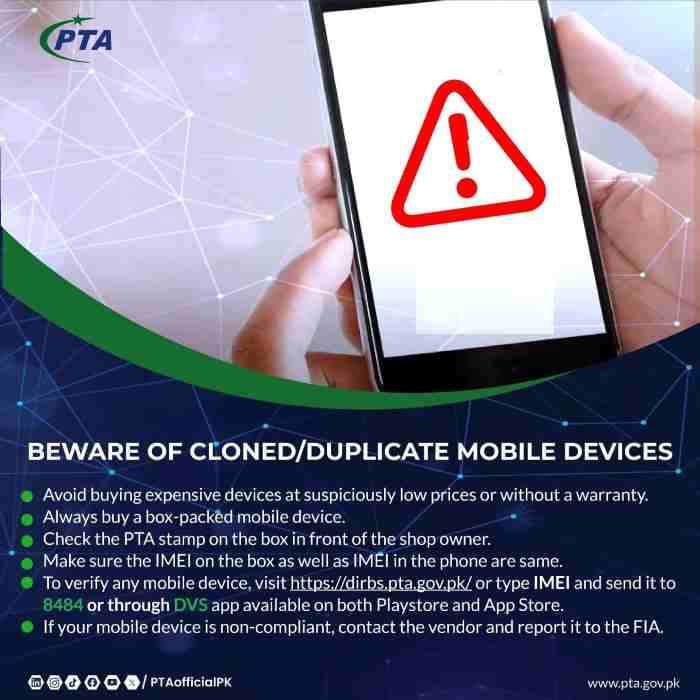
Before purchasing any imported phone, request the seller to dial *#06# on the device and read you both IMEI numbers if dual SIM. Send these numbers via SMS to 8484 yourself using your own phone, or enter them on the DIRBS website. Verify that the returned device model matches what you are buying and that status shows “Compliant” or “PTA Approved.” Never accept screenshots or verbal assurances from sellers.
Is there any way to avoid paying PTA tax on a personal phone?
The only legal ways to avoid PTA tax are through the Temporary Mobile Registration System allowing 120 days tax-free use for overseas Pakistanis and foreign nationals, and the one phone per year duty-free allowance for overseas Pakistanis under baggage rules with proper documentation. All methods claiming tax avoidance through CPID patches, software modifications, or JV phones are illegal and risk permanent device blocking.
How to check PTA tax for a dual SIM phone with different IMEIs?
For dual SIM phones, you must check each IMEI separately by sending both 15-digit numbers to 8484 in individual SMS messages or entering them separately on the DIRBS portal. The system treats each IMEI as an independent device for registration. Both must show “Compliant” status for full functionality of both SIM slots.
Does PTA tax vary for 5G phones compared to 4G phones?
PTA tax depends entirely on the device’s customs value, not its technology generation. A 5G phone generally carries higher tax because 5G devices are typically newer and more expensive, placing them in higher value slabs. However, a budget 5G phone may have lower tax than a premium 4G flagship depending on their respective customs valuations.
Can I check PTA tax for someone else using my phone?
Yes, you can check PTA tax for any device using your phone by entering the IMEI number provided to you. The SMS method to 8484 works regardless of whose phone you use. However, when generating a PSID for payment, you will need the owner’s CNIC or passport number as the tax liability is tied to their identity.
How to download PTA tax paid certificate online?
After successful tax payment, log into your DIRBS account on the official portal and navigate to “Payment History” or “My Devices.” Select the relevant IMEI number and click “Download Receipt” to obtain an official PDF certificate bearing government authentication. This receipt serves as proof of registration for future reference.
What is the difference between PTA approved and PTA compliant?
PTA approved and PTA compliant are identical terms used interchangeably to indicate a device that has cleared all customs duties and is legally registered in the DIRBS database. Both mean the phone will work permanently on all Pakistani networks without restrictions. You may see either term in SMS replies or portal status messages.
How to check PTA tax for a locally purchased phone with no proof?
Locally purchased phones from authorized retailers are typically pre-registered and should show “Compliant” status when you check by IMEI. If you bought a phone within Pakistan but it shows non-compliant, it was likely smuggled or imported unofficially. In this case, you are responsible for paying the tax to make it compliant, as the seller did not handle registration.

Add a Comment