
Every morning, thousands of parents across Punjab wake up with a single overwhelming fear: can they afford their child’s insulin today? When a single vial costs anywhere from Rs. 800 to Rs. 2,500 and a child needs multiple vials monthly, the math simply doesn’t work for families surviving on daily wages. This daily crisis has forced many to watch their children suffer preventable complications simply because life-saving medication remained financially out of reach.
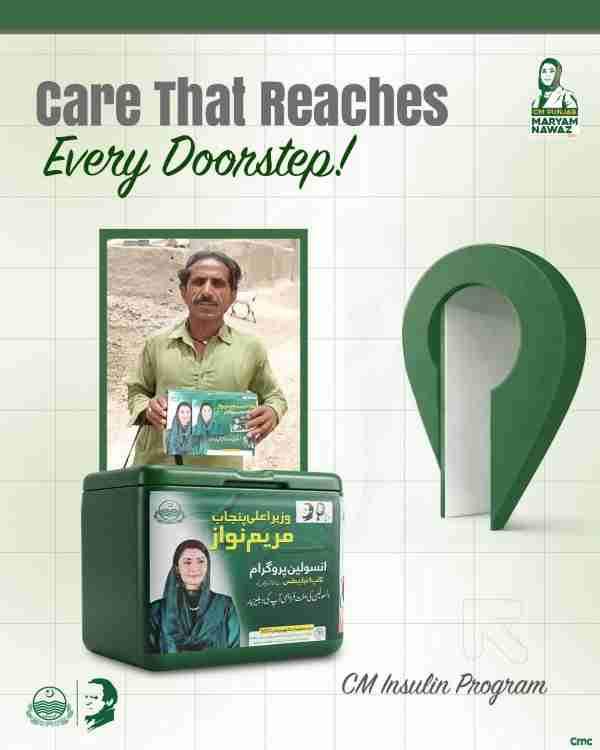
The CM Punjab Free Insulin Scheme, officially launched as the Maryam Nawaz Insulin Program, has fundamentally changed this reality by delivering free insulin, glucometers, and testing supplies directly to the homes of registered diabetic children across the province. This comprehensive guide walks you through every aspect of the program, from eligibility verification and registration steps to delivery tracking and troubleshooting common issues.
Key Takeaways
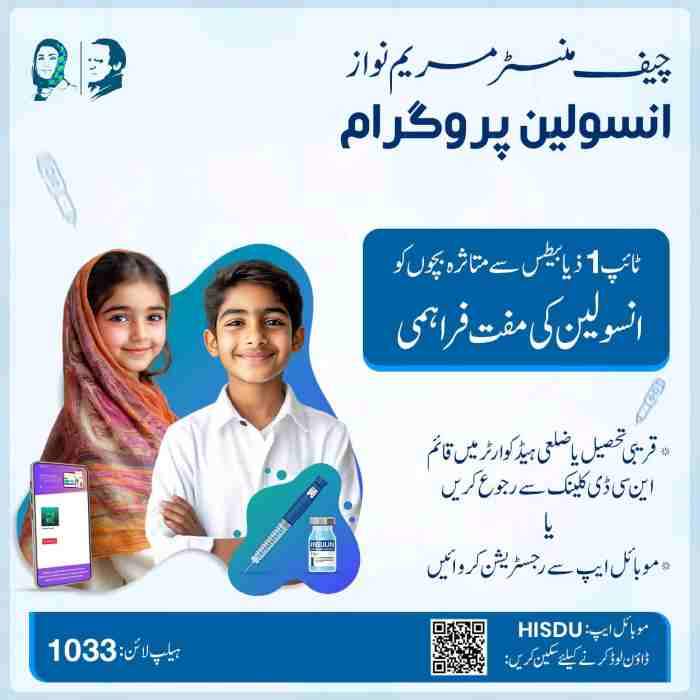
- Three Registration Pathways Available: Families can enroll through the 1033 helpline, the HISDU mobile application, or by visiting any NCD Clinic, Maryam Nawaz Health Clinic, or government hospital across Punjab without any fees.
- Complete Diabetes Management Kit: Registered children receive insulin, a digital glucometer, testing strips, lancets, syringes, and needles—everything needed for proper diabetes care at home.
- Quarterly Health Check-ups Required: To remain in the program, children must complete mandatory follow-up visits every three months at designated government health facilities for dosage adjustments and health monitoring.
- Cold Chain Home Delivery System: Pakistan Post uses temperature-controlled packaging to deliver three-month insulin supplies directly to registered addresses, eliminating travel costs and clinic visits.
- Digital Card Verification Process: Each family receives a CM Insulin Card with a unique QR code that delivery riders scan for identity verification before handing over medication.
- Province-Wide Coverage Achieved: What began as a pilot in three districts has now expanded to all 36 districts of Punjab, reaching thousands of children from low-income households.
- Read More: CM Punjab Climate Internship Program (PKR 60K Apply Online)
- Read More: Hunarmand Punjab Scholarship Card (Apply Before Last Date)
- Read More: How To Get Rs10,000 Through Nigehban Ramadan Package
Maryam Nawaz Insulin Program | Free Insulin Scheme (By Insulin Card)
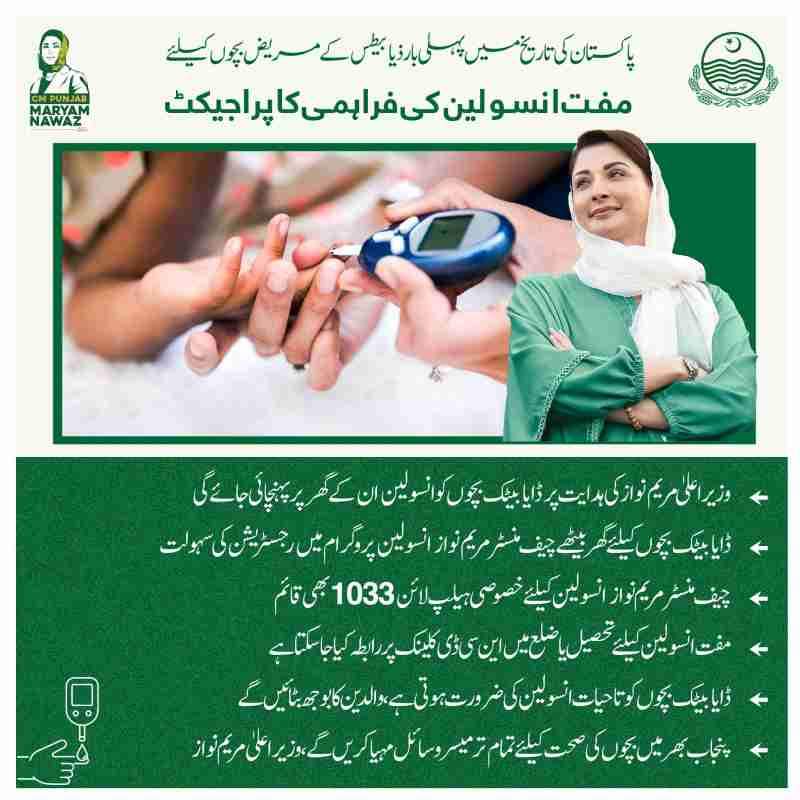
Table of Contents
Understanding the CM Punjab Free Insulin Scheme and Its Origins
The CM Punjab Free Insulin Scheme represents a fundamental shift in how the provincial government approaches chronic disease management for underprivileged children. This initiative provides completely free insulin and associated diabetes supplies to children diagnosed with Type 1 diabetes, delivered directly to their homes through an innovative partnership with Pakistan Post. The program eliminates the two biggest barriers families face: the crippling cost of insulin and the difficulty of traveling to distant hospitals for regular supplies.
What is the official name of this free insulin initiative?
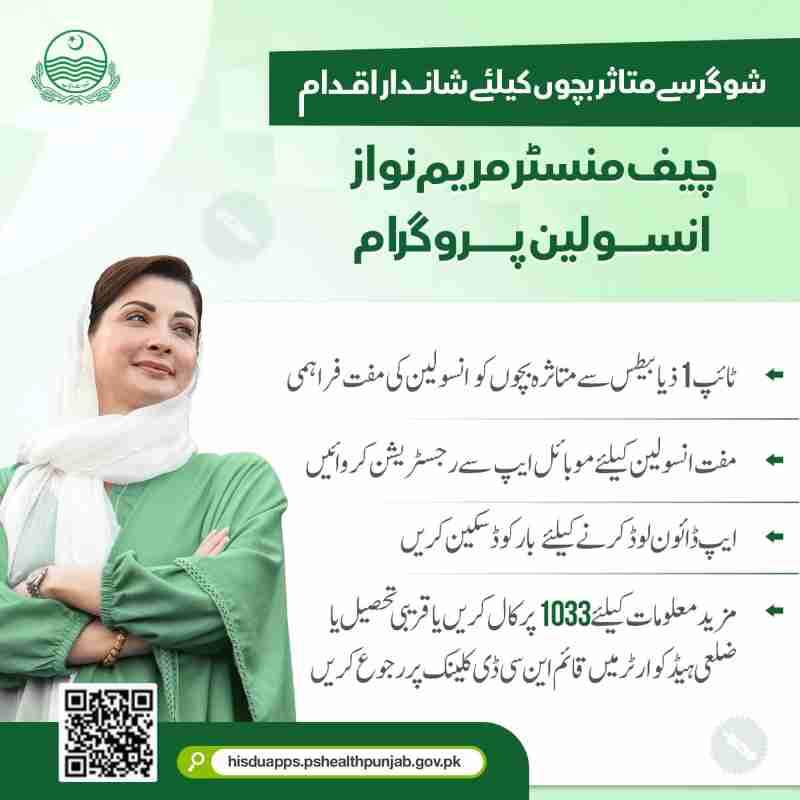
The program carries several official designations that you may encounter during registration:
- CM Insulin for Diabetes Program
- Maryam Nawaz Free Insulin Scheme
- Chief Minister Punjab Free Insulin Program
- Insulin for All Initiative
- CM Insulin Card Scheme
All these names refer to the same government initiative launched by Chief Minister Maryam Nawaz Sharif. The program uses multiple names across different official communications, applications, and public awareness campaigns to reach diverse audiences.
When and how was the program officially launched?
The program’s launch on May 26, 2025, broke traditional government ceremony protocols in meaningful ways:
Personalized Launch Approach:
- Chief Minister Maryam Nawaz Sharif personally visited three diabetic children in their homes rather than holding a formal event at the Chief Minister’s House
- Wasay Adnan from Sabzazar received his insulin card directly from the Chief Minister
- Zainab Waheed and Zain Shahzad from Jamil Town were also visited personally
- The Chief Minister spent time with each family, demonstrating genuine engagement
Emotional Connection Established:
- She hugged Wasay Adnan’s grandmother and spoke with family members
- Promised to send five-year-old Wasay a toy car as a gift
- Directed officials to arrange immediate eye check-ups for Zain Shahzad
- Took selfies with neighborhood children who gathered to welcome her
- Received prayers and blessings from elderly women in the community
Symbolic Message Conveyed:
- Government officials should understand ground realities
- Healthcare delivery requires personal commitment
- Poor families deserve dignity and respect
- Children’s health transcends bureaucratic formalities
Read More: How To Apply For CM Punjab Ramzan Nigehban Card (Get 10000)
Why does the program specifically target Type 1 diabetes in children?
The exclusive focus on pediatric Type 1 diabetes stems from compelling medical and social reasons:
Medical Necessity Factors:
- Type 1 diabetes results from complete insulin production failure
- The pancreas produces zero insulin naturally
- Without external insulin, patients develop diabetic ketoacidosis
- Ketoacidosis leads to coma within days and death within weeks
- No alternative treatments exist—insulin is not optional but essential for survival
Pediatric Vulnerability Considerations:
- Children face lifetime dependency on medication
- Early-onset diabetes affects growth and development
- Uncontrolled diabetes stunts physical growth
- Cognitive development suffers from blood sugar fluctuations
- Children cannot advocate for themselves or earn money for treatment
Economic Burden Analysis:
- Monthly insulin costs range from Rs. 5,000 to Rs. 15,000 depending on dosage
- Additional supplies add Rs. 3,000 to Rs. 5,000 monthly
- Annual treatment exceeds Rs. 100,000 for a single child
- Many families earn less than Rs. 25,000 monthly
- Treatment costs consume 40-60% of household income
Social Impact Dimensions:
- Parents sell assets or take loans for medication
- Siblings’ education suffers due to diverted resources
- Family stress leads to marital conflicts
- Children miss school due to preventable complications
- Communities lose productive citizens prematurely
How does this initiative connect with broader healthcare reforms?
The insulin program operates within the comprehensive “Sehatmand Punjab” framework that includes multiple integrated components:
Maryam Nawaz Health Clinics Network:
- Over 150 modernized primary care facilities operational
- Formerly known as Basic Health Units
- Offer specialized non-communicable disease services
- Staffed with trained diabetes management personnel
- Equipped with diagnostic capabilities for regular monitoring
Clinic on Wheels Mobile Units:
- Fully equipped vans serving remote rural areas
- Scheduled visits to villages without permanent health facilities
- Provide diabetes screening and registration assistance
- Distribute educational materials in local languages
- Connect isolated families to the healthcare system
CM Punjab Agosh Program:
- Financial support for pregnant women
- Healthcare coverage for children under two years
- Nutrition supplements for malnourished children
- Vaccination tracking and reminders
- Maternal health education and counseling
Children Heart Surgery Program:
- Free cardiac surgeries for congenital heart defects
- Available at major teaching hospitals
- Referral system through district health authorities
- Comprehensive pre and post-operative care
- Long-term follow-up included
Maryam Ki Dastak Doorstep Services:
- Insulin delivery through the same infrastructure
- Medicine delivery for chronic conditions
- Senior citizen card distribution
- Disability certificate issuance
- Birth and death registration services
Complete Eligibility Criteria for the Free Insulin Scheme
Understanding who qualifies for this program is the essential first step for families seeking support. The eligibility criteria have been carefully designed to target the most vulnerable children while ensuring program sustainability.
Who qualifies for the Punjab Free Insulin Scheme?
The program accepts applications for children meeting specific requirements:
Medical Eligibility Requirements:
- Confirmed Type 1 diabetes diagnosis from any government hospital
- Medical certificate specifying Type 1 diabetes (not Type 2)
- Doctor’s prescription detailing insulin requirements
- Recent blood test reports confirming diagnosis
- C-peptide test results if available (helps distinguish diabetes types)
Demographic Eligibility Criteria:
- Age below 18 years at the time of initial registration
- Permanent residency in any of Punjab’s 36 districts
- Pakistani citizenship verified through NADRA records
- Valid B-Form (Child Registration Certificate) with 13-digit number
Socioeconomic Considerations:
- Priority given to families with limited income sources
- Preference for households registered with BISP
- Consideration for families without regular employment
- Special attention to single-parent households
- Inclusion of orphaned children under guardianship
Is the program restricted to Punjab residents only?
Yes, the program serves exclusively Punjab residents due to several factors:
Funding Source Limitations:
- Program financed entirely by the Government of Punjab
- Provincial budget allocated from Punjab’s tax revenues
- Resources designated for Punjab residents specifically
- Healthcare being a provincial subject under the constitution
Verification Requirements:
- Punjab domicile certificate of either parent required
- CNIC with current Punjab address mandatory
- Local union council verification conducted
- Recent utility bills in parent’s name checked
- Physical address verification may be conducted
Alternatives for Other Provinces:
- Sindh residents should check Sindh Health Department programs
- Khyber Pakhtunkhwa has its own healthcare initiatives
- Balochistan residents can inquire about provincial schemes
- Federal government programs may cover Islamabad residents
- Private charity organizations operate in all provinces
Can adults with Type 2 diabetes benefit from this scheme?
Currently, adults with Type 2 diabetes cannot enroll in this specific program:
Reasons for Type 1 Focus:
- Type 1 patients face immediate death without insulin
- Type 2 patients often manage with oral medications
- Type 2 may respond to diet and lifestyle modifications
- Limited resources must prioritize most critical cases
- Infrastructure designed for pediatric care specifically
Alternative Support for Type 2 Patients:
- Free medicines available at all government hospitals
- NCD Clinics provide ongoing Type 2 management
- Maryam Nawaz Health Clinics offer regular check-ups
- Health awareness programs for lifestyle modification
- Potential future expansion under consideration
Future Expansion Possibilities:
- Chief Minister has indicated possible Type 2 inclusion
- Program success will determine expansion pace
- Additional funding required for broader coverage
- Infrastructure must scale up gradually
- Pilot projects may test Type 2 inclusion
What age limits apply for children seeking registration?
The program establishes clear age parameters:
Standard Age Criteria:
- Children from birth up to 18 years eligible
- Infants diagnosed with neonatal diabetes included
- Toddlers and preschoolers qualify automatically
- Teenagers up to 18th birthday can register
- Patients already in program may continue beyond 18
Continuation After 18:
- Case-by-case evaluation for aging-out patients
- Consideration for those still in education
- Assessment of independent earning capacity
- Review of family’s continued financial situation
- Possible transition to adult diabetes programs
Special Considerations:
- Newly diagnosed 17-year-olds can still register
- Patients turning 18 mid-treatment reviewed individually
- Those in final school years may receive extensions
- Disabled children evaluated separately
- Appeals process available for exceptional cases
Why does the program exclude Type 2 diabetes patients?
The exclusion of Type 2 diabetes is based on fundamental medical differences:
Biological Distinction:
- Type 1: Pancreas produces zero insulin (absolute deficiency)
- Type 2: Body produces insulin but cannot use it effectively (resistance)
- Type 1 requires insulin injections for survival
- Type 2 may respond to oral medications initially
- Type 2 can sometimes reverse with lifestyle changes
Treatment Pathway Differences:
- Type 1: Insulin mandatory from diagnosis onward
- Type 2: Many patients never need insulin
- Type 2: Oral medications often sufficient
- Type 2: Diet control can significantly improve condition
- Type 2: Exercise improves insulin sensitivity
Resource Allocation Logic:
- Limited budget must prioritize life-or-death cases
- Type 1 children die without government intervention
- Type 2 adults have more management options
- Program builds infrastructure for eventual expansion
- Initial focus allows system testing with manageable numbers
Does family income determine eligibility for the insulin card?
Income level plays a significant role in the selection process:
Priority Indicators:
- Families already registered with Benazir Income Support Programme
- Households possessing Punjab Socio-economic Registry numbers
- Daily wage earners with irregular income
- Families living in rented accommodations
- Households with multiple members requiring medical attention
Verification Methods:
- Home visits by health department staff
- Interviews with neighbors and community members
- Review of visible living conditions
- Assessment of parents’ employment type
- Evaluation of family’s asset ownership
Income Documentation Accepted:
- BISP registration card or reference number
- PSER slip from recent surveys
- Poverty scorecard if previously assessed
- Salary slips for formally employed parents
- Income affidavit on stamp paper for self-employed
- Union Council verification for informal workers
What residency proof satisfies program requirements?
Multiple documents establish Punjab residency:
Primary Residence Proofs:
- Punjab domicile certificate of either parent
- Computerized National Identity Card with Punjab address
- Child’s B-Form showing Punjab as place of birth
- Current Punjab address on NADRA records
Secondary Residence Proofs:
- Recent electricity bill (last two months)
- Sui gas connection bill with current address
- Water bill if applicable in your area
- Telephone landline bill in parent’s name
- Rental agreement attested by property dealer
- Union Council residence certificate
Verification Process:
- All documents checked against original records
- NADRA database verification conducted
- Physical address may be visited
- Neighbors may be consulted
- Discrepancies require explanation and correction
Step-by-Step Registration Process for the CM Insulin Card
The registration process has been designed with multiple access points to ensure no child is left behind due to technological or geographical barriers.
How can families apply for the Maryam Nawaz Insulin Program online?
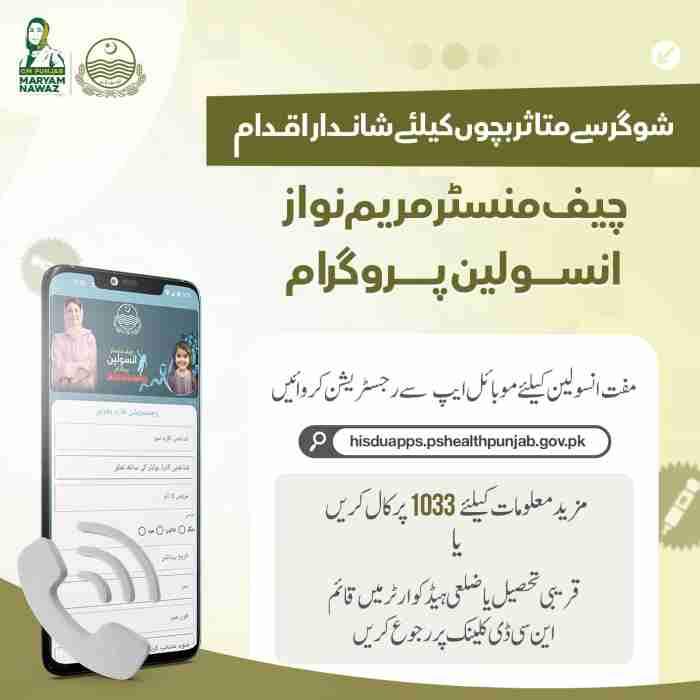
The digital registration method offers convenience for families with smartphone access:
Application Download and Installation:
- Open Google Play Store for Android devices
- Open Apple App Store for iPhones
- Search for “HISDU” or “Healthline Punjab”
- Look for the official government app with provincial logo
- Verify developer name shows Government of Punjab
- Click install and wait for completion
- Open app and grant necessary permissions
Account Creation Process:
- Select “New User Registration” option
- Enter active mobile number (preferably father’s or mother’s)
- Receive OTP via SMS and enter correctly
- Create strong password with letters and numbers
- Set up security questions for account recovery
- Accept terms and conditions after reading
Application Form Completion:
- Enter child’s full name exactly as on B-Form
- Select date of birth from calendar interface
- Choose gender from available options
- Enter father’s CNIC number without dashes
- Enter mother’s CNIC number if available
- Provide complete residential address with landmarks
- Select district, tehsil, and union council from dropdowns
- Enter nearest police station for location reference
Document Upload Instructions:
- Take clear photos of child’s B-Form (front and back)
- Photograph father’s and mother’s CNICs clearly
- Capture medical certificate from government hospital
- Take picture of recent passport-size photograph
- Upload utility bill or domicile certificate
- Ensure all images are readable and complete
- Confirm file sizes meet application requirements
Final Submission Steps:
- Review all entered information thoroughly
- Check for spelling errors in names
- Verify CNIC numbers have correct digits
- Confirm address details are complete
- Click submit button and wait for processing
- Note down application ID displayed on screen
- Take screenshot for future reference
- Wait for confirmation SMS within 48 hours
What role does the 1033 helpline play in registration?
The 1033 helpline serves as the central communication hub for the entire program:
Registration Assistance Functions:
- Operators guide callers through the application process
- Information about required documents provided
- Nearest verification center locations shared
- Application status updates given on request
- Document clarification offered for confused applicants
- Alternative registration methods explained
Technical Support Services:
- Help with app download and installation
- Troubleshooting for OTP not received
- Guidance for forgotten passwords
- Assistance with document upload issues
- Solutions for app crashing problems
- Support for web portal access
Information Provision:
- Eligibility criteria explained in simple Urdu
- Program coverage area details shared
- Delivery schedule information provided
- Quarterly check-up requirements clarified
- Card replacement procedures explained
- Complaint registration guidance offered
Call Process Flow:
- Dial 1033 from any phone (landline or mobile)
- Listen to automated greeting message
- Select language preference (Urdu or English)
- Choose option for insulin program
- Wait for operator connection
- Provide required information clearly
- Note down reference number for follow-up
- Save operator’s name if provided
Where can applicants obtain physical registration forms?
For families preferring offline methods, forms are widely available:
Government Health Facilities:
- All NCD Clinics across Punjab maintain form stocks
- Maryam Nawaz Health Clinics have dedicated registration desks
- District Headquarters Hospitals provide forms in outpatient departments
- Tehsil Headquarters Hospitals stock forms for local residents
- Rural Health Centers in larger villages carry limited supplies
Administrative Offices:
- Union Council offices in every village and town
- Assistant Commissioner offices at tehsil level
- Deputy Commissioner offices at district level
- Punjab Social Protection Authority offices
- BISP facilitation centers
Community Access Points:
- Selected schools in major towns
- Local government dispensaries
- Community centers in large villages
- Religious places with community outreach
- Lady health worker networks
What happens during the medical verification appointment?
The verification process ensures only genuine Type 1 diabetes patients receive benefits:
Appointment Scheduling:
- SMS notification sent with date and time
- Location details of nearest NCD Clinic provided
- List of documents to carry included
- Estimated duration communicated
- Contact number for rescheduling given
Documents to Carry:
- Original B-Form of child
- Original CNICs of both parents
- Printed application acknowledgment
- All previously submitted documents originals
- Previous medical records if available
- Passport-size photographs (extra copies)
Medical Examination Process:
- Doctor reviews child’s medical history
- Physical examination conducted thoroughly
- Blood sugar test performed immediately
- HbA1c test may be ordered (shows three-month average)
- Weight and height measured and recorded
- Blood pressure checked for older children
- Overall health assessment documented
Diagnosis Confirmation:
- Previous diagnosis verified through tests
- Type 1 diabetes confirmed through clinical assessment
- C-peptide test may be ordered if diagnosis unclear
- Antibody tests in doubtful cases
- Senior doctor may review complex cases
- Final confirmation entered in digital record
Biometric Registration:
- Parent’s fingerprints captured digitally
- Child’s photograph taken for card
- Signature or thumb impression obtained
- All data linked to unique identifier
- Confirmation sent to central database
How long does complete registration take from start to finish?
The end-to-end process follows a predictable timeline:
Week One: Application Submission
- Day 1-2: Online or offline application submitted
- Day 3-4: Initial screening and document verification
- Day 5-7: Verification appointment scheduled
Week Two: Medical Verification
- Day 8-10: Child examined at designated health facility
- Day 11: Test results reviewed by medical board
- Day 12: Final approval entered in system
Week Three: Card Production
- Day 13-15: CM Insulin Card printed with unique QR code
- Day 16-17: Card linked to delivery database
- Day 18: Card dispatched to Pakistan Post
Week Four: Home Delivery
- Day 19-22: Card reaches district post office
- Day 23-25: Sorted for route-wise delivery
- Day 26-28: Final delivery to home address
Factors Affecting Timeline:
- Completeness of initial application
- Availability of verification appointments
- Distance from verification center
- Accuracy of contact information
- Pakistan Post delivery efficiency
- Weather conditions during delivery
Can families register offline without smartphones or internet?
Yes, extensive offline options exist for technology-limited families:
In-Person Registration Process:
- Visit nearest NCD Clinic or Maryam Nawaz Health Clinic
- Request paper application form from registration desk
- Fill form carefully with black ink in block letters
- Attach photocopies of all required documents
- Submit to designated official
- Receive acknowledgment slip with tracking number
- Note date for verification appointment
Helpline-Assisted Registration:
- Call 1033 from any phone
- Request operator to register over phone
- Provide all details verbally
- Note down reference number provided
- Documents can be submitted later at verification
Union Council Facilitation:
- Visit local Union Council office
- Request assistance from designated health facilitator
- Facilitator helps complete form
- Documents photocopied at council office
- Application submitted electronically on your behalf
- Acknowledgment provided immediately
Lady Health Worker Support:
- Contact your area’s lady health worker
- She can guide you through the process
- May help fill forms correctly
- Can verify your address locally
- Often knows the nearest verification center
Required Documents for Successful Registration
Having complete documentation ready significantly speeds up the registration process and prevents frustrating delays.
What documents must families submit for registration?
The complete document package includes:
Identity Documentation:
- Child’s B-Form (original and two photocopies)
- Father’s CNIC (original and two copies)
- Mother’s CNIC (original and two copies)
- Guardian’s CNIC with guardianship papers if applicable
- Death certificate if one parent deceased
- Divorce decree if parents separated
Medical Documentation:
- Type 1 diabetes diagnosis certificate from government hospital
- Doctor’s prescription with insulin types and dosages
- Recent blood test reports (within last three months)
- Hospital discharge summary if recently admitted
- Previous treatment records from any hospitals
- Laboratory test results confirming diagnosis
Residence Documentation:
- Punjab domicile certificate of either parent
- Recent electricity bill (last two months)
- Sui gas bill showing current address
- Water bill if available in your area
- Rental agreement attested by property dealer
- Union Council residence certificate
Income Documentation (Optional but Helpful):
- BISP registration card or number
- PSER registration slip
- Poverty scorecard if previously assessed
- Salary slips for employed parents
- Income affidavit on stamp paper
- Daily wage earner certification from union council
Photographs:
- Four recent passport-size photos of child with white background
- Two photographs of mother (for records)
- Two photographs of father (for records)
- Family photograph optional but helpful
Why is the Child Registration Certificate (B-Form) mandatory?
The B-Form serves multiple critical functions in the registration process:
Identity Verification:
- Proves the child’s legal existence
- Contains unique 13-digit identification number
- Links child to parents through parent-child relationship
- Prevents fraudulent registrations of non-existent children
- Ensures one child cannot register multiple times
Age Determination:
- Confirms child is under 18 years
- Date of birth verified through NADRA records
- Prevents adult patients from enrolling
- Helps track age for transition planning
- Ensures pediatric focus maintained
Parentage Establishment:
- Shows father’s and mother’s names
- Links to parents’ CNIC numbers
- Verifies family relationships
- Helps locate parents if needed
- Establishes legal guardianship
Duplicate B-Form Process:
- Visit nearest NADRA registration center
- Fill duplicate B-Form application
- Provide parents’ CNICs and marriage certificate
- Pay nominal government fee
- Receive new B-Form within 7-10 working days
- Urgent processing available for medical emergencies
Are both parents’ CNICs required for application?
The program strongly encourages both parents’ CNICs:
When Both Parents Alive and Together:
- Father’s CNIC mandatory
- Mother’s CNIC mandatory
- Both required for complete family record
- Both used for verification purposes
- Both may be contacted for follow-up
Single Parent Situations:
- Custodial parent’s CNIC mandatory
- Court custody papers required
- Death certificate if one parent deceased
- Affidavit explaining absence of other parent
- Support from extended family documented
Guardian Scenarios:
- Legal guardian’s CNIC mandatory
- Court-appointed guardianship papers
- Orphanage authorization if institutionalized
- Bait-ul-Mal documentation if applicable
- Extended family verification through union council
Are private hospital medical records accepted for registration?
Private hospital records have limited acceptance:
Primary Requirement:
- Government hospital diagnosis mandatory for final approval
- Verification by government medical officer essential
- Tests at government lab or approved private lab with attestation
- Official certificate on government hospital letterhead
Role of Private Records:
- Support the diagnosis history
- Help government doctors understand the case
- Reduce repeat testing if recent and comprehensive
- Demonstrate treatment history before seeking government help
- Show parents’ efforts to manage child’s condition
Process for Private Hospital Patients:
- Collect all medical records from private facility
- Schedule appointment at nearest government hospital diabetes clinic
- Present all records to government specialist
- Doctor reviews and may order confirmatory tests
- Government hospital issues official diagnosis certificate
- Certificate used for program registration
What specific medical evidence proves Type 1 diabetes?
The medical certificate must contain specific elements:
Certificate Requirements:
- Issued on government hospital letterhead
- Signed by registered medical officer with stamp
- Hospital registration number included
- Date of issue clearly mentioned
- Patient’s full name and B-Form number
- Diagnosis stating “Type 1 Diabetes Mellitus”
- ICD-10 code E10 (international disease classification)
- Date of initial diagnosis included
- Insulin types prescribed (long-acting, short-acting)
- Daily dosage requirements specified
Supporting Test Reports:
- Fasting blood sugar: >126 mg/dL indicates diabetes
- Random blood sugar: >200 mg/dL with symptoms
- HbA1c: >6.5% confirms diabetes
- C-peptide: Low levels indicate Type 1
- Antibody tests: Positive for Type 1 autoimmune markers
- Urine ketones: Present in uncontrolled Type 1
Additional Medical Information:
- Child’s height and weight at diagnosis
- Presence of diabetic ketoacidosis history
- Any complications already developed
- Family history of diabetes
- Other autoimmune conditions if present
Understanding the Insulin Home Delivery System
The doorstep delivery mechanism through Pakistan Post represents one of the program’s most innovative features, ensuring children never miss medication due to travel difficulties.
How does the doorstep insulin delivery system operate?
The delivery system follows a carefully orchestrated process:
Pre-Delivery Preparation:
- Central warehouse maintains three-month stock for all registered children
- Insulin sorted by district and delivery route
- Cold chain packaging prepared with ice packs
- Temperature monitors placed in each delivery box
- Delivery schedules generated by computer system
- SMS notifications sent to recipients one day before
Delivery Day Process:
- Riders report to district post office early morning
- Load assigned deliveries in cold chain boxes
- Follow GPS-optimized routes for efficiency
- Receive real-time updates through mobile app
- Contact recipients if address unclear
- Attempt delivery between 9 AM and 5 PM
At-Doorstep Verification:
- Rider scans CM Insulin Card QR code
- App displays child’s photo and details
- Parent verifies identity matches
- Recipient signs digital receipt on rider’s phone
- Photo of recipient may be captured
- Delivery confirmation sent to central server
Post-Delivery Procedures:
- Rider updates delivery status in real-time
- Central system records successful delivery
- Next delivery automatically scheduled
- Recipient receives satisfaction survey SMS
- Any issues reported immediately
What specific role does Pakistan Post play?
Pakistan Post brings unique capabilities to this partnership:
Infrastructure Advantages:
- Network of over 13,000 post offices nationwide
- Presence in every district and tehsil of Punjab
- Sorting facilities at all administrative levels
- Trained staff familiar with local geography
- Existing vehicle fleet for mail delivery
Specialized Training Provided:
- All riders trained on insulin handling protocols
- Cold chain importance emphasized in training
- Emergency procedures for equipment failure
- Customer service skills for sensitive interactions
- Privacy and confidentiality instruction
Technology Integration:
- Delivery app developed specifically for program
- GPS tracking enabled on all delivery vehicles
- Real-time status updates to central database
- Digital signature capture capability
- Photo documentation features
Coordination Responsibilities:
- Weekly insulin pickup from central warehouse
- Temperature monitoring throughout transit
- Coordination with health department for schedule changes
- Reporting delivery failures promptly
- Returning undelivered packages with documentation
How is insulin kept cold during delivery?
The cold chain system maintains insulin effectiveness through multiple safeguards:
Pre-Delivery Cold Storage:
- Central warehouse with pharmaceutical-grade refrigerators
- Temperature maintained at 2-8 degrees Celsius consistently
- Backup generators for power outage protection
- Daily temperature logs with automated alerts
- Regular calibration of all cooling equipment
Packaging for Transit:
- Insulated cold boxes with pharmaceutical-grade insulation
- Pre-frozen gel packs conditioned to correct temperature
- Multiple ice packs per box for extended cooling
- Temperature data loggers in random sample boxes
- Sealed packaging to prevent temperature fluctuations
During Transportation:
- Riders carry boxes in insulated bags
- Motorcycles equipped with cool boxes where possible
- Direct sunlight avoided during stops
- Transit time minimized through route optimization
- Temperature checks at transfer points
Last-Mile Delivery:
- Riders carry individual deliveries in small insulated bags
- Cold packs remain effective for 8-10 hours
- Delivery completed within temperature-safe window
- Recipient instructed to refrigerate immediately
- Any compromised insulin replaced without question
What identity verification happens at delivery?
Multiple verification layers prevent wrong deliveries:
CM Insulin Card Scanning:
- Unique QR code on each card
- Scanned using Pakistan Post mobile app
- Instantly displays child’s photograph
- Shows registered address for confirmation
- Confirms delivery eligibility
Biometric Verification (Selected Areas):
- Fingerprint scanning in pilot districts
- Match against NADRA records
- Required for high-security deliveries
- Phased expansion planned
Digital Signature Capture:
- Recipient signs on rider’s phone screen
- Signature stored digitally in database
- Timestamp and GPS location recorded
- Photo may also be captured
- Complete audit trail maintained
Manual Verification Backup:
- CNIC check if app fails
- Verbal confirmation of child’s details
- Neighbor verification if recipient unavailable
- Phone call to registered number
- Delivery only after positive identification
How frequently do families receive insulin supplies?
The delivery schedule balances convenience with medical needs:
Delivery Frequency:
- One delivery every three months
- Four deliveries per year total
- Scheduled dates provided in advance
- SMS reminders sent 7 days before
- Second reminder 24 hours before
Supply Quantity:
- Three months of insulin based on prescribed dosage
- Corresponding number of syringes included
- Adequate test strips for three months
- Lancets for three months of testing
- Small buffer for emergencies
Refill Generation:
- System automatically generates next delivery
- No need for reapplication each time
- Quarterly check-up confirmation required
- Dosage updates reflected automatically
- Address changes incorporated
What happens when families miss a delivery?
Clear protocols address missed deliveries:
First Delivery Attempt:
- Rider waits 10-15 minutes at address
- Makes phone call to registered number
- Sends SMS notification of arrival
- If no response, marks as attempted
Second Attempt:
- Automatically scheduled for next working day
- SMS notification sent with new date
- Rider attempts at similar time
- Additional phone calls made
Third Attempt Protocol:
- After three failures, package returned to post office
- Recipient notified to collect within 7 days
- Package held at designated location
- After 7 days, returned to central warehouse
- Card may be temporarily suspended pending contact
Prevention Tips:
- Keep phone charged and with you
- Inform family members about expected delivery
- Update address immediately if moving
- Authorize neighbor to receive with ID
- Notify helpline if you will be away
Can families track their insulin deliveries in real-time?
Multiple tracking options provide transparency:
Mobile App Tracking:
- Open HISDU or Healthline app
- Navigate to “Delivery Status” section
- Enter application ID or CNIC
- View current delivery stage
- See rider location on map when out for delivery
- Estimated arrival time displayed
SMS Tracking:
- Send CNIC number to 1033
- Receive automated status reply
- Track through simple text commands
- No internet required
Helpline Tracking:
- Call 1033
- Select delivery tracking option
- Provide CNIC or application ID
- Receive verbal update
- Speak to operator for detailed information
Web Portal Tracking:
- Visit CM Punjab health website
- Log in with credentials
- Access complete delivery history
- View upcoming schedule
- Download delivery receipts
Program Coverage Across Punjab Districts
The program has expanded significantly from its initial pilot phase to achieve province-wide coverage.
Which districts currently participate in the free insulin scheme?
The program now covers all 36 districts of Punjab:
Initial Pilot Districts:
- Lahore (provincial capital, launch site)
- Multan (southern Punjab hub)
- Faisalabad (central Punjab industrial center)
Phase One Expansion:
- Rawalpindi
- Gujranwala
- Sargodha
- Bahawalpur
- Sialkot
- Sheikhupura
- Rahim Yar Khan
Current Full Coverage:
All 36 districts including:
- Attock, Chakwal, Jhelum in north
- Kasur, Okara, Pakpattan in central
- Dera Ghazi Khan, Rajanpur, Muzaffargarh in south
- Mianwali, Khushab, Bhakkar in west
- Sahiwal, Vehari, Khanewal in east
Has the program expanded beyond the initial pilot cities?
Yes, successful pilot completion enabled rapid expansion:
Pilot Phase Achievements:
- First 1,500 children successfully registered
- Delivery systems tested and refined
- Cold chain logistics validated
- Staff training completed
- Public awareness generated
- Challenges identified and resolved
Expansion Milestones:
- Registration opened in all districts within six months
- Pakistan Post network fully operationalized
- NCD Clinics established in every district
- Mobile registration camps in remote areas
- Helpline capacity increased tenfold
Current Status:
- Province-wide registration active
- Deliveries reaching every tehsil
- Rural areas fully covered
- Remote communities accessible
- Mountainous regions included
What hospitals serve as medical verification centers?
A three-tier hospital network handles verification:
Tier One: Teaching Hospitals
- Services Hospital Lahore
- Mayo Hospital Lahore
- Jinnah Hospital Lahore
- Nishtar Hospital Multan
- Allied Hospital Faisalabad
- All medical university teaching hospitals
Tier Two: District Headquarters Hospitals
- DHQ Hospital in every district capital
- Specialized diabetes clinics within DHQs
- Pediatric departments with trained staff
- Laboratory facilities for confirmatory tests
Tier Three: Tehsil Headquarters Hospitals
- Selected THQ hospitals with NCD clinics
- Facilities with trained diabetes staff
- Locations accessible to rural populations
- Referral linkage to larger hospitals
What are NCD Clinics and their role in the program?
NCD Clinics form the backbone of ongoing diabetes care:
Purpose and Function:
- Specialized facilities for chronic disease management
- Focus on diabetes, hypertension, cardiovascular conditions
- Staffed with doctors trained in NCD care
- Equipped with diagnostic equipment
- Maintain patient registries and records
Services Provided:
- Initial registration and verification
- Quarterly check-ups and monitoring
- Blood sugar testing and HbA1c measurement
- Dosage adjustments based on results
- Complication screening
- Patient and family education
- Referral to specialists when needed
Location Network:
- Present in all DHQ hospitals
- Expanding to THQ hospitals
- Integrated into Maryam Nawaz Health Clinics
- Mobile NCD clinics for remote areas
- Telemedicine connections for consultations
How do Maryam Nawaz Health Clinics support the program?
These modernized primary care facilities play crucial support roles:
Service Integration:
- Registration assistance for nearby residents
- Basic blood sugar testing
- Health education sessions
- Distribution of educational materials
- Referral to verification centers
- Follow-up for stable patients
Accessibility Advantages:
- Located closer to rural communities
- Less crowded than large hospitals
- Shorter waiting times
- Familiar local staff
- Lower travel costs for families
Staff Capabilities:
- Medical officers trained in diabetes basics
- Lady health visitors for female patients
- Community health workers for outreach
- Data entry operators for record keeping
- Referral coordination with DHQs
Comprehensive Supplies Provided to Registered Children
The program provides a complete diabetes management kit, recognizing that insulin alone is insufficient for proper care.
What items are included in the free diabetes kit?
Registered children receive everything needed for home diabetes management:
Insulin Supplies:
- Long-acting insulin for basal coverage (1-2 daily injections)
- Short-acting insulin for meal-time coverage
- Quantity based on doctor’s prescription
- Three months supply per delivery
- Different insulin types as prescribed
- Clear labeling for easy identification
Blood Glucose Monitoring:
- One digital glucometer with batteries
- 100-200 test strips per delivery
- Lancets for blood sampling (100-200 pieces)
- Lancing device with adjustable depth
- Control solution for accuracy testing
- Logbook for recording readings
Insulin Administration:
- U-100 insulin syringes (100-200 per delivery)
- Fine-gauge needles for comfort
- Individually sterile packaged
- Alcohol swabs for skin cleansing
- Sharps disposal container
- Insulin storage guidance
Educational Materials:
- Urdu language diabetes guide
- Insulin injection technique instructions
- Hypoglycemia recognition and treatment
- Carbohydrate counting chart
- Emergency contact card
- Quarterly check-up reminder
Are glucometers and testing strips truly free?
Yes, these essential monitoring tools are provided completely free:
Glucometer Provision:
- One digital device provided at first delivery
- Battery-operated for portability
- Large display for easy reading
- Memory function stores previous readings
- Replacement if device malfunctions
- No cost ever to family
Test Strip Supply:
- Quantity based on testing frequency prescribed
- Typically 2-4 tests daily = 180-360 strips quarterly
- Compatible with provided glucometer
- Fresh stock with extended expiry
- Additional strips for illness or emergencies
Importance of Monitoring:
- Prevents dangerously low blood sugar
- Avoids complications from high sugar
- Guides insulin dose adjustments
- Helps plan meals and activities
- Provides peace of mind to parents
Does the program supply both long-acting and short-acting insulin?
Yes, comprehensive insulin coverage includes both types:
Long-Acting Insulin (Basal):
- Provides background insulin throughout day and night
- Typically injected once or twice daily
- Maintains stable sugar between meals
- Prevents ketone production
- Brand examples: Lantus, Levemir, Basalog
Short-Acting Insulin (Bolus):
- Taken before meals to handle food sugar
- Works within 15-30 minutes
- Dosage adjusted based on meal size
- Provides flexibility in eating schedule
- Brand examples: Humalog, Novorapid, Actrapid
Mixed Insulin Options:
- Some children use pre-mixed formulations
- Combination of short and intermediate acting
- Reduces number of daily injections
- Prescribed based on individual needs
- Available through program if prescribed
Are insulin syringes and needles included in each delivery?
Yes, all consumables for insulin administration are provided:
Syringe Supply:
- U-100 insulin syringes matching insulin concentration
- 1ml capacity with fine-gauge needles
- Individually sterile packaged
- 100-200 syringes per quarterly delivery
- Various needle lengths for different ages
Safety Features:
- Fixed needles prevent reuse
- Protective caps before and after use
- Clear barrel for accurate measurement
- Minimal dead space reduces waste
- Color-coded for easy identification
Disposal Guidance:
- Instructions for safe needle disposal
- Puncture-resistant container provided
- Guidance on returning filled containers
- Environmental safety emphasized
- Community disposal options explained
Why is a glucometer essential for diabetes management?
A glucometer serves as the eyes for diabetes management:
Immediate Feedback:
- Shows blood sugar level in seconds
- Reveals impact of food choices
- Indicates correct insulin dosage
- Alerts to dangerous lows before symptoms
- Confirms effectiveness of treatment
Pattern Recognition:
- Tracks readings over time
- Identifies trends and patterns
- Shows time of day variations
- Reveals impact of physical activity
- Helps predict future needs
Emergency Prevention:
- Detects hypoglycemia before unconsciousness
- Identifies hyperglycemia before complications
- Guides sick-day management
- Informs when to seek medical help
- Provides data for doctor consultations
Parental Peace of Mind:
- Reduces constant worry
- Provides objective data
- Empowers informed decisions
- Builds confidence in management
- Improves child’s safety
Maintaining Active Status and Ensuring Continuous Supply
Registration is not a one-time event but an ongoing relationship requiring active participation.
Are monthly clinic visits required to keep the card active?
No, monthly visits are not necessary. The requirement is quarterly:
Quarterly Check-up Schedule:
- One visit every three months
- Four visits per year total
- Flexible scheduling within each quarter
- Advance SMS reminders sent
- Weekend appointments available at many centers
Purpose of Quarterly Visits:
- Monitor child’s growth and development
- Check blood sugar control through HbA1c
- Adjust insulin dosage as child grows
- Screen for early complications
- Update medical records
- Provide ongoing education
Consequences of Missed Visits:
- First missed visit: reminder SMS and call
- Second consecutive missed: warning letter
- Third missed: temporary card suspension
- Reactivation after completing check-up
- Multiple suspensions may lead to review
How can families update their address for delivery?
Address updates are simple through multiple channels:
Mobile App Address Update:
- Log in to HISDU or Healthline app
- Navigate to “Profile Settings”
- Select “Update Address”
- Enter new complete address with landmarks
- Upload proof of new residence
- Submit for verification
- Receive confirmation within 7 days
Helpline Address Update:
- Call 1033
- Request address change
- Provide new address details to operator
- Note down reference number
- Email or WhatsApp proof if requested
- Confirmation call before next delivery
In-Person Address Update:
- Visit nearest NCD Clinic
- Request address change form
- Fill and submit with proof
- Receive acknowledgment slip
- Update processed within one week
Required Address Proof:
- New electricity bill in parent’s name
- Sui gas bill with new address
- Rental agreement if applicable
- Union Council residence certificate
- New CNIC if address updated with NADRA
What is the process for replacing a lost or damaged insulin card?
Immediate action prevents delivery disruption:
Lost Card Procedure:
Step One: Immediate Reporting
- Call 1033 immediately
- Report card as lost
- Note down complaint number
- Request temporary authorization
Step Two: Police Report (Recommended)
- Visit nearest police station
- File lost property report
- Obtain copy for records
- Helps prevent misuse
Step Three: Duplicate Application
- Visit nearest NCD Clinic
- Submit lost card affidavit on stamp paper
- Provide CNIC and B-Form copies
- Pay nominal fee if applicable
- Receive acknowledgment slip
Step Four: Temporary Arrangements
- Receive temporary authorization letter
- Valid for 30 days
- Allows delivery to continue
- New card issued within 2 weeks
Damaged Card Replacement:
- Return damaged card to any NCD Clinic
- Request replacement immediately
- New card issued free
- Damaged card deactivated
- Process takes 3-5 working days
Why are quarterly check-ups mandatory for continued eligibility?
These visits serve medical and program integrity purposes:
Medical Necessity:
- Children’s insulin needs change with growth
- Dosage requirements increase with weight
- Puberty affects insulin sensitivity
- Uncontrolled diabetes stunts growth
- Early complication detection saves lives
- HbA1c testing shows true control
Program Integrity:
- Confirms patient still alive and eligible
- Updates contact information regularly
- Verifies continued medical need
- Prevents fraud through identity confirmation
- Allows accurate medicine procurement planning
- Maintains clean patient database
Educational Opportunity:
- Parents learn new management techniques
- Children receive nutritional counseling
- Emotional support from healthcare team
- Connection to other families
- Updates on diabetes research
How does the program handle dosage adjustments?
Quarterly check-ups enable personalized care:
Dosage Review Process:
- Doctor reviews blood sugar logs
- HbA1c results indicate average control
- Growth charts show development
- Discuss any hypoglycemia episodes
- Evaluate current eating patterns
- Assess physical activity level
Adjustment Implementation:
- New dosage prescribed in writing
- Updated in central database
- Next delivery adjusted automatically
- Parents receive written instructions
- Follow-up call for complex changes
Emergency Adjustments:
- Families can visit NCD Clinic anytime
- Illness may require temporary changes
- Doctor available for advice by phone
- Emergency contact for urgent issues
- Hospital admission for severe cases
Troubleshooting Common Program Issues
Despite best efforts, problems occasionally arise. Knowing how to address them quickly minimizes disruption.
What is the official helpline number for assistance?
The 1033 helpline is your primary contact for all issues:
Helpline Services Overview:
- Available 24 hours daily, seven days weekly
- Toll-free from all networks
- Urdu and English language options
- Automated system for common queries
- Live agent transfer for complex issues
Services Available:
- New registration assistance
- Application status inquiries
- Delivery tracking
- Complaint registration
- Card loss reporting
- Address updates
- General information
Call Preparation Tips:
- Keep CNIC number ready
- Have child’s B-Form available
- Note application ID beforehand
- Write clear issue description
- Have pen and paper for reference number
How can families verify their registration approval status?
Multiple methods provide status updates:
Mobile App Status Check:
- Open HISDU app
- Go to “Application Status”
- View current stage display:
- Received
- Under Review
- Verification Scheduled
- Approved
- Card Dispatched
- Card Delivered
SMS Status Inquiry:
- Send CNIC number to 1033
- Receive automated reply
- Status updated in real-time
- No internet required
- Works on all phones
Helpline Status Check:
- Call 1033
- Select application status option
- Enter CNIC when prompted
- Hear automated status
- Speak to agent for details
Web Portal Access:
- Visit CM Punjab health website
- Enter CNIC and application ID
- View complete status dashboard
- Download approval letter
- Print for records
What steps should families take for delayed deliveries?
Delayed deliveries require prompt action:
Immediate Actions:
- Check SMS for delay notifications
- Track through app for updates
- Call 1033 for current status
- Ensure phone is charged and with you
- Verify address is clearly visible
Common Delay Reasons:
- Heavy rain or severe weather
- Law and order situations
- High delivery volume in your area
- Incorrect address in system
- Rider unable to locate address
- Technical issues with scanning app
If Delay Exceeds 24 Hours:
- Register complaint through helpline
- Request escalation to supervisor
- Ask for estimated resolution time
- Inquire about emergency pickup
- Document complaint number
Emergency Measures:
- If running low on insulin:
- Visit nearest NCD Clinic immediately
- Explain situation to doctor
- Request emergency supply
- Bring empty vials if possible
- Doctor can issue temporary prescription
How to file complaints about delivery or service issues?
Structured complaint process ensures resolution:
Complaint Channels:
Through Mobile App:
- Open HISDU app
- Navigate to “Complaints” section
- Select issue type (delivery, quality, behavior)
- Fill complaint form with details
- Upload supporting photos
- Submit and note complaint number
Through Helpline:
- Call 1033
- Select complaint registration option
- Provide all required information
- Note complaint tracking number
- Ask for expected resolution time
Through Email:
- Send to complaints@punjabhealth.gov.pk
- Subject: “Insulin Program Complaint – [CNIC]”
- Include all details and attachments
- Request acknowledgment
- Follow up if no response in 48 hours
Information to Provide:
- Your full name and CNIC
- Child’s name and B-Form number
- Complete issue description
- Date and time of incident
- Names of involved staff (if known)
- Desired resolution
- Contact number for follow-up
What should families do if delivered insulin appears damaged?
Damaged insulin must never be used:
Immediate Actions:
- Do NOT use damaged insulin
- Document condition with photos
- Keep damaged package intact
- Note rider’s name if still present
- Refrigerate damaged insulin temporarily
Reporting Process:
- Call 1033 immediately
- Report “Damaged Insulin Delivery”
- Provide delivery date and rider details
- Upload photos through app
- Request replacement urgently
Replacement Protocol:
- Emergency replacement within 24-48 hours
- Priority delivery arranged
- Damaged insulin collected for investigation
- Quality control team reviews incident
- Preventive measures implemented
Signs of Damaged Insulin:
- Cloudy appearance (should be clear)
- Clumps or particles floating
- Discoloration
- Cracked vial
- Expired date passed
- Warm to touch (not cold)
Can families pick up insulin if home delivery repeatedly fails?
Yes, pickup options exist as backup:
Pickup Eligibility:
- After three failed delivery attempts
- During extreme weather emergencies
- If address is inaccessible
- At patient’s request for privacy
- If immediate need before next delivery
Designated Pickup Locations:
- Nearest NCD Clinic
- District Post Office main branch
- Tehsil Post Office
- Designated collection center
Pickup Process:
- Call 1033 to request pickup option
- Select convenient location
- Receive SMS confirmation
- Visit with CM Insulin Card and CNIC
- Collect insulin after verification
- Sign pickup register
Documents Required for Pickup:
- CM Insulin Card (or temporary authorization)
- Parent’s CNIC original
- Child’s B-Form copy
- SMS confirmation on phone
Frequently Asked Questions
Can residents of other Pakistani provinces apply for this Punjab program?
No, the program is strictly for Punjab residents only. The initiative is funded entirely by the Government of Punjab through provincial revenues and is designed exclusively for the province’s population. Families from other provinces should contact their respective provincial health departments—Sindh Health Department, Khyber Pakhtunkhwa Health Department, or Balochistan Health Department—to inquire about similar programs in their regions. Some private charitable organizations also operate diabetes support programs nationwide.
Is there any cost for obtaining the CM Insulin Card?
Absolutely not. The CM Insulin Card is completely free of charge. There are no application fees, processing charges, or delivery costs whatsoever. The government bears all expenses to ensure that financial constraints never prevent a deserving child from receiving life-saving medication. If any individual demands payment for registration, card issuance, or delivery, report them immediately to the 1033 helpline. This is a fully subsidized government welfare program.
How can I download the official insulin program app?
The official application is available on both major mobile platforms:
For Android smartphones:
- Open Google Play Store
- Search for “HISDU” or “Healthline Punjab”
- Look for the app with the Government of Punjab logo
- Verify the developer is “Government of Punjab”
- Click Install and wait for completion
- Open app and register using your mobile number
For iPhones:
- Open Apple App Store
- Search for “CM Insulin Program” or “HISDU”
- Verify the official government developer
- Download and install
- Follow on-screen registration instructions
For basic phones without internet:
- Use the 1033 helpline for registration
- Visit nearest NCD Clinic for paper forms
- Ask lady health worker for assistance
- Union Council offices can help
What is the HISDU app mentioned in online searches?
HISDU stands for Health Information System Data Use, and it serves as the technical platform powering multiple health programs:
- The app manages patient registrations for the insulin program
- It tracks diabetes patients across all districts
- Maintains vaccination records for children
- Monitors maternal health indicators
- Collects disease surveillance data
- Tracks health worker performance
The public-facing name “Insulin for All” is used in awareness campaigns, while HISDU remains the technical name used by health officials. Both names lead to the same registration system.
Does Punjab offer other free healthcare programs for children?
Yes, the Punjab government operates several child-focused health initiatives:
The Children Heart Surgery Program provides free life-saving cardiac surgeries for children with congenital heart defects at major teaching hospitals across the province.
The CM Punjab Agosh Program offers financial assistance to pregnant women and healthcare support for children under two years, including nutrition supplements for malnourished children.
School Health Screening programs conduct regular health camps in government schools, providing vision checks, dental examinations, and early detection of chronic diseases with referral to specialized care.
Clinic on Wheels mobile units bring healthcare services to remote rural areas, including diabetes screening and general medical care.
How does this government program differ from NGO insulin initiatives?
The government program offers distinct advantages over non-governmental organization efforts:
Scale and coverage are comprehensive—the program operates across all 36 districts of Punjab, while NGOs typically limit operations to specific cities or communities.
Sustainability is ensured through government budget allocations, whereas NGOs depend on fluctuating donations that may cease unexpectedly.
Integration with the broader health system means patients benefit from referral networks, hospital connections, and coordinated care unavailable in standalone NGO programs.
Doorstep delivery through Pakistan Post eliminates travel costs, while NGO programs usually require clinic visits for collection.
Digital documentation provides permanent records and official CM Insulin Cards, while NGO programs often use paper-based systems.
What was the Maryam Nawaz Ramzan Package, and is it related?
The Maryam Nawaz Ramzan Package was a separate seasonal initiative focused on providing relief during Ramadan:
Features included free flour distribution to deserving families, discounted kitchen items at utility stores, and cash assistance through the Benazir Income Support Programme.
The connection to the insulin program lies in shared infrastructure—both use the same 1033 helpline for inquiries, may share registration data for beneficiary targeting, and utilize the same Pakistan Post delivery network.
However, the programs are distinct in purpose, timing, and benefits. The Ramzan Package is seasonal while the insulin program provides year-round, ongoing support.
How can families apply for the Punjab Ration Card online?
The Ration Card Punjab is a separate food security program:
Online application steps include:
- Visiting the official Punjab Food Authority website
- Clicking on “Ration Card Registration”
- Entering CNIC number for initial verification
- Completing family details with all members’ CNICs
- Providing income and expense information
- Uploading required documents
- Submitting and noting the application number
- Awaiting verification team visit
Required documents include CNIC of household head, CNICs of all adult family members, B-Forms of children, proof of income, and recent utility bill for address verification.
Disclaimer
This article provides comprehensive information about the CM Punjab Free Insulin Scheme based on publicly available sources and official program announcements. While every effort has been made to ensure accuracy, government programs may update their procedures, eligibility criteria, or contact information periodically. Readers are strongly encouraged to verify all details by calling the official 1033 helpline or visiting their nearest NCD Clinic before making decisions based on this information. This content is for informational purposes only and does not constitute an official government document or legal advice.

Add a Comment