
Every 30 minutes, another Pakistani family hears the devastating words “it’s cancer.” For decades, that diagnosis carried a double burden: the fight for survival and the crushing weight of treatment costs that could destroy a family’s financial future. The Nawaz Sharif Institute of Cancer Treatment and Research (NSICT&R) in Lahore changes this reality entirely.
As Pakistan’s largest public-sector cancer hospital, this 915-bed facility offers completely free, comprehensive cancer care to every patient who walks through its doors, regardless of which province they call home. This guide walks you through everything you need to know from eligibility and appointment booking to the full spectrum of treatments available and the latest operational updates as the hospital begins serving patients in 2026.
What you’ll discover in this guide:
- Exactly who qualifies for free treatment and what services are covered at no cost
- The complete step-by-step process for booking appointments and registering as a new patient
- Detailed explanations of all cancer treatments available, from chemotherapy to bone marrow transplants
- Practical information about accommodation, transportation, and support services for out-of-town patients
- The latest status on hospital operations, job opportunities, and how to access care right now
Key Takeaways
- Universal Free Care: Every single patient receives completely free treatment—including consultations, diagnostics, chemotherapy, radiation, surgery, and palliative care—with no income tests or provincial quotas.
- Massive Scale and Capacity: The 915-bed facility spans 333 kanals and includes 10 radiation therapy bunkers, 8 modular operation theatres, a 110-bed bone marrow transplant centre, and a 100-bed palliative care block.
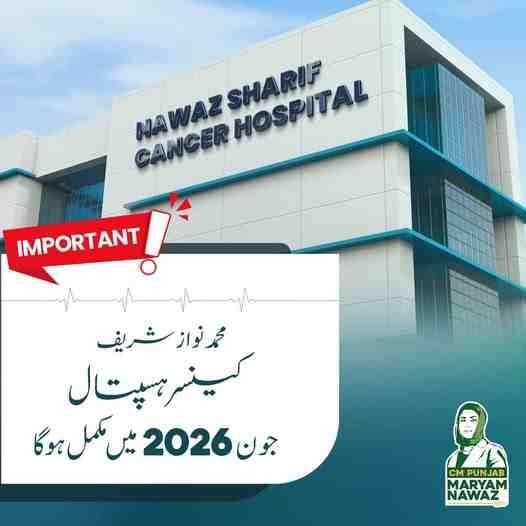
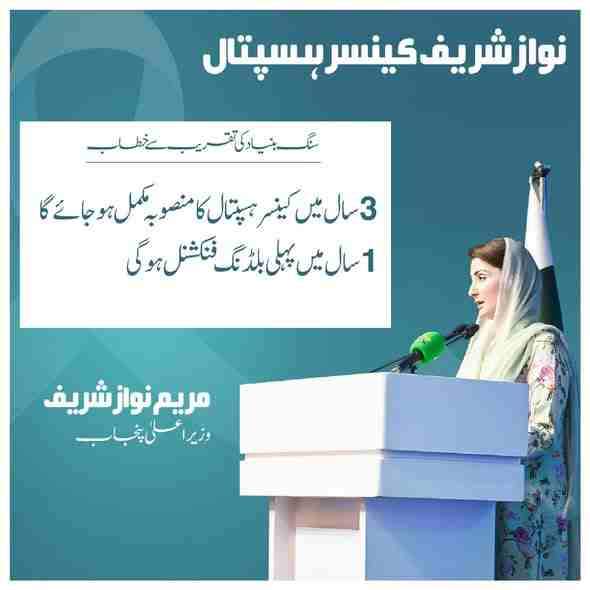
- Operational Timeline 2026: The Outpatient Department began serving patients in January 2026, with full hospital operations including inpatient wards and specialized centres expected by June 2026.
- Advanced Genetic Capabilities: A collaboration with China’s BGI Group brings a Center of Excellence for Genetic Science to the hospital, enabling advanced genetic testing and personalized cancer treatment.
- Comprehensive Patient Support: Free medicines, on-site blood bank, 24-bed attendants’ hostel, and social services for out-of-town patients ensure treatment is accessible regardless of where patients come from.
- Read More: CM Punjab Field Hospital Program (Area + Helpline)
- Read More: CM Punjab School Nutrition Program: Districts and Food Items List
- Read More: Sehat Sahulat Program (By CM Punjab) | Free Insulin, Dialysis, & Medicines
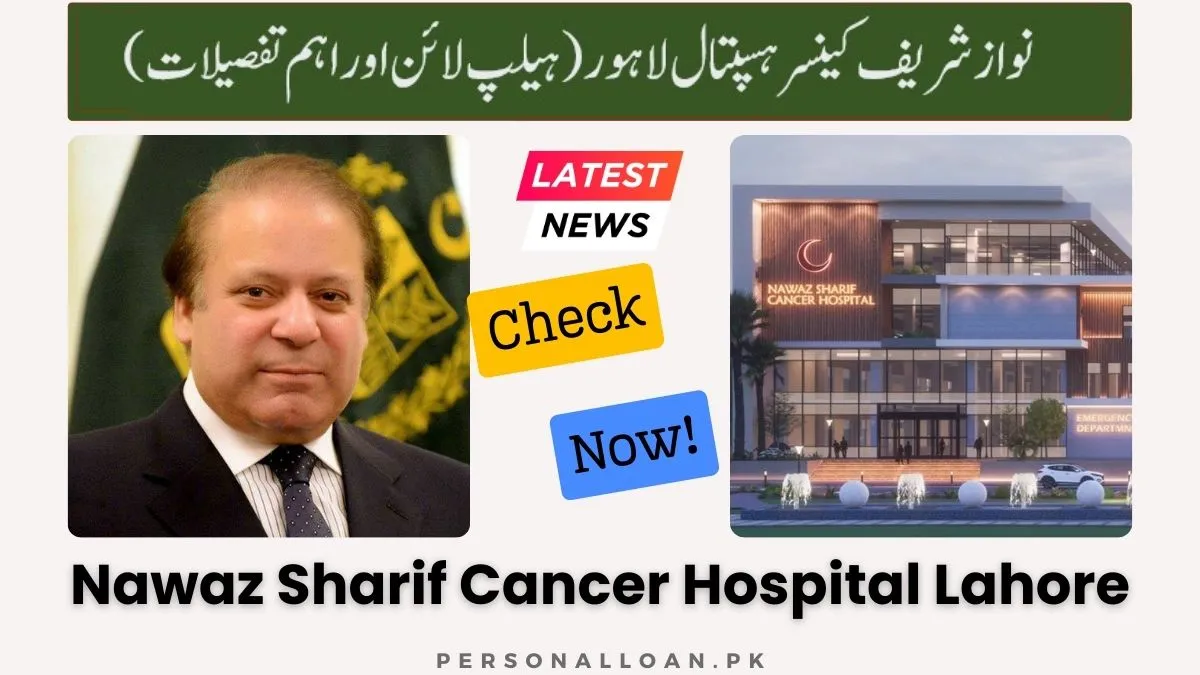
Nawaz Sharif Institute of Cancer Treatment and Research
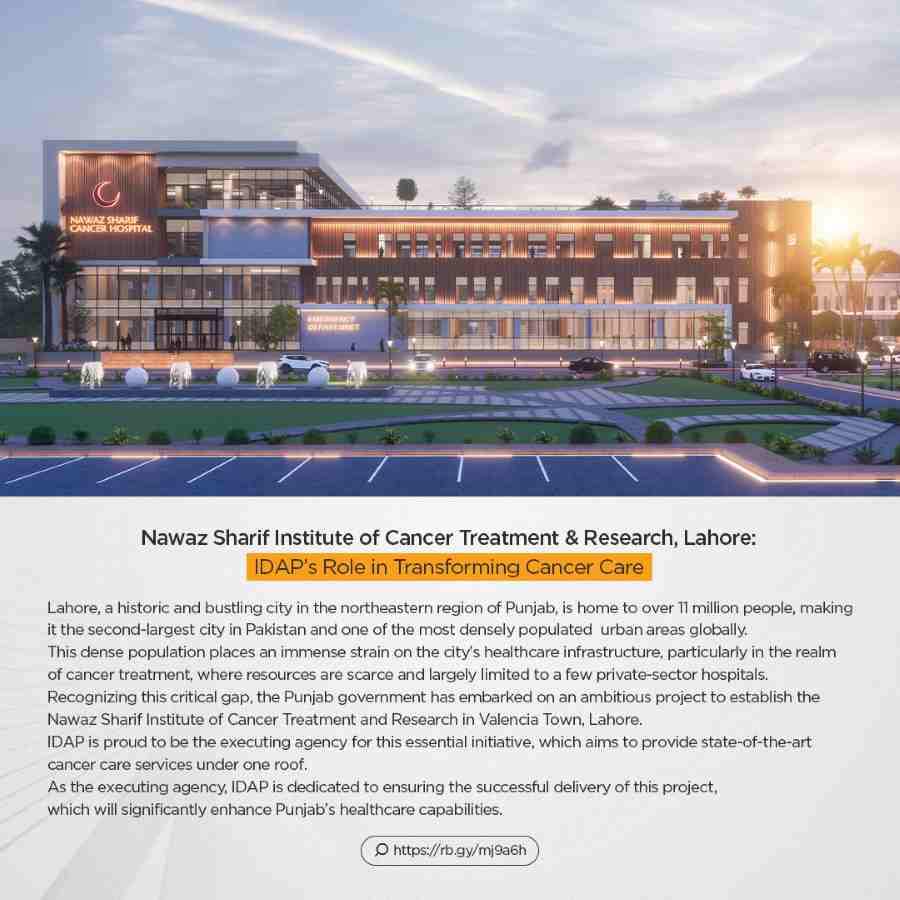
Table of Contents
Who Can Receive Free Treatment at Nawaz Sharif Cancer Hospital?
The Nawaz Sharif Cancer Hospital provides completely free treatment to all patients without exception. This policy represents a fundamental shift in healthcare accessibility, removing financial barriers that have historically prevented countless Pakistanis from receiving adequate cancer care.
Eligibility criteria are deliberately minimal:
- All Pakistani citizens from every province and territory qualify immediately
- No domicile requirement means Punjab residency is not required
- No income testing or means assessment is conducted
- No referral needed from another doctor or hospital
- All cancer stages from early detection to terminal illness receive care
What this means for patients:
A family from Karachi, Quetta, or Peshawar can walk into the hospital and receive exactly the same free treatment as a Lahore resident. The hospital administration has explicitly stated that treatment decisions are based purely on medical need, never on ability to pay or province of origin.
Beyond Pakistani citizens:
- Overseas Pakistanis with valid NICOP receive the same free treatment
- Afghan refugees holding valid Proof of Registration (POR) cards are eligible
- Other foreign nationals receive treatment free of charge in emergency situations
- International patients from neighbouring countries may access services through coordination with the international desk
The financial impact of free treatment:
- Private sector chemotherapy costs range from Rs 50,000 to Rs 500,000 per cycle
- Radiation therapy in private hospitals costs Rs 300,000 to Rs 1,000,000 for a full course
- Cancer surgery with hospital stay can exceed Rs 1,000,000
- Bone marrow transplants in private facilities cost Rs 3,000,000 to Rs 5,000,000
- All these expenses are zero at Nawaz Sharif Cancer Hospital
What Specific Services Are Included in Free Treatment?
The scope of free treatment at Nawaz Sharif Cancer Hospital encompasses every aspect of cancer care, from initial consultation through long-term follow-up. Nothing is excluded, and there are no hidden charges.
Outpatient services covered:
- Specialist consultations with oncologists of all subspecialties
- Follow-up visits for treatment monitoring
- Second opinion consultations with different specialists
- Multidisciplinary tumor board reviews for complex cases
- Telemedicine consultations for follow-up when appropriate
Diagnostic services at no cost:
- Complete blood work including comprehensive panels
- Tumor marker testing for all cancer types
- Genetic and molecular testing for treatment selection
- Biopsy procedures and pathology interpretation
- Immunohistochemistry for precise cancer subtyping
- Flow cytometry for blood cancers
- Imaging including X-ray, ultrasound, CT scan, MRI, and PET-CT
- Nuclear medicine studies
- Endoscopy and colonoscopy with biopsy capability
Treatment services provided free:
- All chemotherapy protocols including targeted therapy and immunotherapy
- Radiation therapy using advanced linear accelerators
- All surgical procedures from minor to complex operations
- Bone marrow transplantation (autologous and allogeneic)
- Hormonal therapy for breast and prostate cancers
- Pain management and palliative care
- Supportive medications including anti-nausea drugs and pain relievers
Hospitalization and inpatient care:
- Ward accommodation with nursing care
- Intensive care unit stays when medically necessary
- Operation theatre and recovery room services
- All medications administered during hospital stay
- Blood and blood products from the on-site blood bank
- Nutritional support and dietary services
Are There Any Exceptions or Hidden Costs?

Patients often worry about hidden charges or services that might require payment despite the “free treatment” promise. The hospital’s policies are designed to eliminate this uncertainty completely.
Services that are 100% free:
- Registration and file creation
- All doctor consultations
- All diagnostic tests regardless of complexity
- All cancer treatments including the most expensive drugs
- All surgical procedures and implants
- Hospital stays of any duration
- Emergency department visits
- Follow-up care and monitoring
- Palliative and hospice care
What patients might need to arrange themselves:
- Transportation to and from the hospital
- Meals for attendants (though subsidized options exist)
- Personal toiletries and comfort items
- Accommodation for attendants beyond the free hostel capacity
- Travel expenses for family members
Addressing common concerns:
- No, you don’t need to pay for registration forms
- No, there are no “processing fees” for free treatment
- No, expensive imported drugs are provided free when medically necessary
- No, you won’t receive bills later for “free” services
- No, there’s no limit on how many times you can visit
- No, you don’t need to purchase supplies from outside
How Does the Hospital Verify Eligibility Without Creating Barriers?
The hospital has designed its registration process to be simple and welcoming while maintaining proper documentation for medical records. The goal is to verify identity without creating obstacles to care.
Required documentation explained:
| Document | Purpose | Acceptable Alternatives |
|---|---|---|
| CNIC (patient) | Primary identification | Passport for overseas Pakistanis |
| CNIC (next of kin) | Emergency contact | Passport, driver’s license |
| B-Form (children) | Age verification | School ID, guardian affidavit |
| Recent photographs | Medical record | Photos taken at hospital if needed |
| Previous medical records | Treatment history | Verbal history accepted initially |
Special situations handled compassionately:
- Patients without CNIC due to recent issuance delays can register with other ID
- Women who never obtained CNIC can register with guardian’s CNIC and affidavit
- Transgender persons are registered with their preferred name and gender marker
- Unaccompanied minors are registered through child protection protocols
- Unconscious emergency patients are registered as “unknown” and identified later
No documentation barriers:
- Lack of previous medical records never prevents registration
- Missing documents can be submitted later during follow-up
- Illiterate patients receive assistance completing forms
- Patients from remote areas without formal ID receive social worker assistance
- No one is turned away for documentation issues alone
Locating and Contacting the Hospital
What Is the Exact Location and How Do I Reach There?
The Nawaz Sharif Cancer Hospital is strategically positioned in Lahore’s Valencia Town development, chosen specifically for its excellent connectivity to major transportation routes serving all of Punjab and beyond.
Complete address for navigation:
Nawaz Sharif Institute of Cancer Treatment and Research
Pine Avenue Road
Valencia Town Housing Scheme
Lahore, Punjab
Pakistan
GPS coordinates for digital navigation:
- Google Maps: Search “Nawaz Sharif Cancer Hospital Lahore”
- Latitude: 31.4289° N
- Longitude: 74.2678° E
- What3Words: ///sector.rocket.spice
Route guidance from major entry points:
From Motorway M2 (Islamabad/Faisalabad direction):
- Exit at Thokar Niaz Baig interchange
- Proceed toward Multan Road for 3 kilometers
- Turn right at Valencia Town signal
- Continue straight on main boulevard for 2.5 kilometers
- Turn left at Pine Avenue Road intersection
- Hospital entrance visible on right after 500 meters
From Lahore Ring Road:
- Take Southern Loop toward Multan Road
- Exit at Valencia Town interchange
- Follow access road directly to Valencia Town main gate
- Continue straight to Pine Avenue Road
- Hospital on right side
From Allama Iqbal International Airport:
- Take Main Boulevard to Ring Road entrance
- Follow Ring Road Southern Loop to Valencia Town exit
- Journey time approximately 35-45 minutes
- Airport taxis and ride-hailing services available
From Lahore Railway Station:
- Take McLeod Road to Circular Road
- Connect to Multan Road via Data Darbar intersection
- Continue south on Multan Road for 12 kilometers
- Turn left at Valencia Town signal
- Follow signs to Pine Avenue Road
What Public Transportation Options Serve the Hospital?
Patients relying on public transportation have multiple options for reaching the hospital, with the Valencia Town location well-connected to Lahore’s public transport network.
Metro bus system connectivity:
- Orange Line Metro: Nearest station is Ali Town Station
- From Ali Town Station: Valencia Town shuttle service (10-15 minutes)
- Feeder buses connect Ali Town to Valencia Town every 30 minutes
- Fare from any Orange Line station to Ali Town: Rs 50-80
Public bus routes serving the area:
| Route Number | Starting Point | Stops Near Hospital |
|---|---|---|
| Route 12 | Bhatti Gate | Valencia Town entrance |
| Route 45 | Ichhra Bazaar | Main Boulevard stop |
| Route 71 | Ferozepur Road | Canal Bank stop |
| Route 96 | Data Darbar | Multan Road stop |
Last-mile connectivity options:
- Valencia Town community shuttle (residents and visitors): Rs 30
- Qingqi rickshaws at main entrance: Rs 50-100 to hospital
- Uber and Careem readily available: Rs 150-250 from surrounding areas
- Bykea motorcycle taxis: Rs 80-150 for quick trips
Hospital transport assistance:
- Ambulance transfers from other hospitals coordinated through emergency
- Social services can arrange transport for financially distressed patients
- Information desk provides printed directions for public transport users
- Volunteer drivers program being developed
What Are the Official Contact Methods and Helpline Numbers?
Multiple contact channels ensure patients and families can reach the appropriate department efficiently. Using the right channel for your query ensures faster response times.
Department-specific contact information:
| Department | Phone Availability | Email Address |
|---|---|---|
| General Inquiries | 8 AM – 5 PM | info@nsictr.punjab.gov.pk |
| Appointments | 8 AM – 5 PM | appointments@nsictr.punjab.gov.pk |
| Emergency | 24/7 | emergency@nsictr.punjab.gov.pk |
| Medical Records | 8 AM – 4 PM | records@nsictr.punjab.gov.pk |
| Administration | 8 AM – 4 PM | admin@nsictr.punjab.gov.pk |
| Jobs/HR | 9 AM – 3 PM | careers@nsictr.punjab.gov.pk |
| Donations | 9 AM – 3 PM | donations@nsictr.punjab.gov.pk |
| International Patients | 8 AM – 5 PM | international@nsictr.punjab.gov.pk |
Emergency contact protocols:
- For life-threatening emergencies, proceed directly to emergency department
- Ambulance requests through emergency line (24/7)
- Poison control and oncologic emergencies have dedicated protocols
- After-hours urgent calls routed to on-call physician
Online contact options:
- Patient portal messaging for registered patients
- Online contact form on hospital website
- Social media presence (Facebook, Twitter) for announcements
- WhatsApp business line for text inquiries (number on website)
Expected response times:
- Emergency line: Immediate
- Phone inquiries during business hours: Within 5-10 minutes
- Email inquiries: 24-48 hours
- Online portal messages: 24 hours
- Social media messages: 48-72 hours
What Parking and Transportation Facilities Exist On-Site?
The hospital campus includes extensive parking and transportation facilities designed to accommodate the high volume of patients, visitors, and staff.
Parking capacity and types:
| Parking Area | Capacity | Notes |
|---|---|---|
| Main visitor parking | 500 cars | Free, near OPD entrance |
| VIP/disabled parking | 50 spaces | Reserved, near main entrance |
| Motorcycle parking | 300 bikes | Covered area |
| Ambulance bay | 10 bays | Reserved for emergency vehicles |
| Staff parking | 200 cars | Separate area |
| Overflow parking | 200 cars | Activated during peak hours |
Parking guidelines and amenities:
- Free parking for all patients and visitors
- Disabled parking requires valid disability permit display
- Security patrols 24/7 in parking areas
- CCTV surveillance throughout parking facilities
- Covered walkways from parking to hospital entrances
- Battery-operated carts for patients with mobility challenges
- Valet parking not available (maintaining free access)
Transportation services on campus:
- Shuttle service between parking areas and hospital entrance
- Wheelchair assistance available at parking drop-off points
- Ambulance transfer coordination for incoming patients
- Information about public transport at security desk
Appointment and Registration Process Explained
How Do I Schedule My First Appointment?
Booking an appointment at Nawaz Sharif Cancer Hospital is designed to be straightforward, with multiple options to accommodate different patient circumstances and preferences.
Appointment booking methods compared:
| Method | Best For | Process | Time to Appointment |
|---|---|---|---|
| Phone call | Immediate confirmation | Call during OPD hours, provide basic info | Usually within 1 week |
| Online portal | Convenience, record keeping | Fill form, upload docs, receive confirmation | 3-7 days |
| In-person | First-time visitors needing assistance | Visit registration counter, complete forms | Same-day if available |
| Walk-in | Urgent concerns | Registration then triage to appropriate clinic | Variable by urgency |
| Referral | Transfer from other hospitals | Referral office coordinates with referring doctor | Prioritized |
Phone booking step-by-step:
- Call main hospital line during OPD hours
- Select option for appointment booking
- Provide patient’s full name and CNIC number
- Describe the type of cancer or concern
- Provide preferred dates (have alternatives ready)
- Receive appointment date, time, and clinic location
- Confirmation SMS sent to provided mobile number
Online booking process:
- Visit hospital website or Punjab health portal
- Navigate to “Appointment Booking” section
- Create account or login with existing credentials
- Complete patient information form
- Upload scanned documents (CNIC, previous reports)
- Select cancer type or specialty from dropdown
- Choose available date and time from calendar
- Submit and await confirmation email/SMS
- Print confirmation or save on mobile
Information needed for booking:
- Patient’s full name as on CNIC
- CNIC number (or passport for overseas Pakistanis)
- Contact phone number (preferably mobile)
- Brief description of cancer type or symptoms
- Whether this is first visit or follow-up
- Any previous hospital where treated
- Preferred language for consultation
What Happens During Patient Registration?
Registration creates your permanent medical record at the hospital and must be completed before your first consultation. The process is designed to be thorough but efficient.
Registration desk locations:
- Main registration: OPD lobby, counters 1-4
- Senior citizen counter: Counter 5 (priority for age 65+)
- Emergency registration: Within emergency department
- Follow-up registration: Counter 6 (for returning patients)
Step-by-step registration process:
Step 1: Document verification
- Submit original CNIC and copies
- Verification officer checks documents
- Documents scanned into system
- Originals returned immediately
Step 2: Personal information entry
- Demographics entered into hospital system
- Contact details verified
- Emergency contact information recorded
- Next of kin details documented
- Preferred language noted
Step 3: Medical record creation
- Unique hospital ID number generated
- Medical record number assigned
- Previous records attached to file (if provided)
- Electronic health record initiated
Step 4: Photography and identification
- Digital photograph taken
- Fingerprint scan (optional, for enhanced security)
- Wristband printed with ID information
- Patient identification card issued
Step 5: Appointment confirmation
- Appointment slip printed with date, time, location
- Directions to clinic provided
- Estimated wait time communicated
- Pre-appointment instructions given
Step 6: Initial clinical assessment
- Nursing station for vital signs
- Height and weight measurement
- Brief nursing assessment
- Allergy screening
- Current medication review
Average registration times:
- With complete documents: 15-20 minutes
- With missing documents: 25-35 minutes
- During peak hours (10 AM – 12 PM): Add 10-15 minutes
- Senior citizens: Priority, usually 10-15 minutes
- Emergency registration: 5-10 minutes
What Documents Should I Bring for Registration?
Having the right documents ready before your visit significantly speeds up registration and ensures your medical record is complete from the start.
Essential documents checklist:
Identity documents (required):
- Original Computerized National Identity Card (CNIC) of patient
- Two photocopies of CNIC (front and back on same page)
- Original CNIC of next of kin or attendant
- Two photocopies of attendant’s CNIC
For children under 18:
- Original B-Form (birth registration certificate)
- Two photocopies of B-Form
- Original CNIC of parent or guardian
- Two photocopies of guardian’s CNIC
- Recent passport-sized photographs (4 copies)
For overseas Pakistanis:
- Original NICOP (National Identity Card for Overseas Pakistanis)
- Valid Pakistani passport
- Return air ticket (if applicable)
- Overseas address and contact information
Medical documents (helpful but not required):
- Previous hospital discharge summaries
- Operation notes from any prior surgeries
- Pathology reports from previous biopsies
- Radiology reports and CDs of previous imaging
- Chemotherapy summary if previously treated
- Radiation therapy records if previously treated
- Current medication list with doses
- Known allergies information
- Referring doctor’s letter (if any)
Additional documents for specific situations:
- Disability certificate for special assistance
- Zakat eligibility documents (for additional support)
- Bait-ul-Mal registration (for financial assistance programs)
- Court guardianship papers (for orphaned minors)
- Power of attorney (if registering for someone else)
Document preparation tips:
- Make 2-3 copies of all documents before arrival
- Organize chronologically in a clear plastic folder
- Label all CDs and DVDs with patient name and CNIC
- Bring originals for verification (they will be returned)
- Keep documents in waterproof folder
- Note down important phone numbers separately
- Bring a list of questions for the doctor
What Are the OPD Hours and Best Times to Visit?
Understanding OPD schedules helps you plan your visit efficiently, minimizing wait times and ensuring you see the appropriate specialist.
OPD operating hours:
| Day | Morning Session | Afternoon Session | Notes |
|---|---|---|---|
| Monday | 8:00 AM – 12:00 PM | 2:00 PM – 5:00 PM | Full services |
| Tuesday | 8:00 AM – 12:00 PM | 2:00 PM – 5:00 PM | Full services |
| Wednesday | 8:00 AM – 12:00 PM | 2:00 PM – 5:00 PM | Full services |
| Thursday | 8:00 AM – 12:00 PM | 2:00 PM – 5:00 PM | Full services |
| Friday | 8:00 AM – 12:30 PM | Closed | Morning only |
| Saturday | Closed | Closed | Closed |
| Sunday | Closed | Closed | Closed |
Specialty clinic schedules:
| Specialty | Days Available | Notes |
|---|---|---|
| Medical Oncology | Monday-Thursday | All cancer types |
| Surgical Oncology | Monday, Wednesday, Thursday | Consultation only, surgery scheduled separately |
| Radiation Oncology | Monday-Thursday | Planning and simulation |
| Pediatric Oncology | Tuesday, Thursday | Child-friendly clinic |
| Gynecologic Oncology | Monday, Wednesday | Female cancers |
| Head and Neck Clinic | Tuesday, Friday (AM) | ENT and oral cancers |
| Bone Marrow Transplant | Wednesday | Pre-transplant evaluation |
| Palliative Care | Monday, Thursday | Symptom management |
| Pain Clinic | Tuesday, Thursday | Chronic pain management |
Best times to minimize waiting:
- Early morning (8:00 AM – 9:00 AM): Least crowded
- Late afternoon (4:00 PM – 5:00 PM): Second best
- Avoid mid-morning (10:00 AM – 12:00 PM): Peak crowding
- Tuesdays and Wednesdays: Less busy than Mondays
- End of month: Slightly busier
- Avoid Fridays (half-day, more crowded)
- Rainy days: Usually less crowded
What to expect regarding wait times:
- First-time patients with appointment: 30-60 minutes total
- First-time walk-in patients: 60-120 minutes total
- Follow-up patients with appointment: 20-40 minutes
- Follow-up walk-in patients: 40-80 minutes
- Emergency cases: Seen immediately regardless of appointment
- Lab tests: Additional 1-3 hours if ordered same day
Understanding the Full Spectrum of Cancer Services
What Medical Oncology Services Are Available?
Medical oncology forms the backbone of non-surgical cancer treatment, and the hospital offers a complete range of systemic therapies for all cancer types.
Chemotherapy services:
- Standard intravenous chemotherapy: Administered in the 50+ chair daycare unit
- Continuous infusion chemotherapy: Via portable pumps over days
- Oral chemotherapy: Medications dispensed for home use
- Intrathecal chemotherapy: Directly into spinal fluid for certain cancers
- Intraperitoneal chemotherapy: Directly into abdominal cavity
- Hepatic artery infusion: Directly to liver tumors
Chemotherapy protocols available:
- All standard regimens for common cancers
- Breast cancer: AC-T, TC, CMF, dose-dense protocols
- Lung cancer: Platinum doublets, pemetrexed, gemcitabine
- Colorectal cancer: FOLFOX, FOLFIRI, XELOX
- Gynecologic cancers: Carboplatin/paclitaxel, cisplatin
- Head and neck cancers: Cisplatin/5-FU, carboplatin/paclitaxel
- Lymphomas: CHOP, ABVD, R-CHOP, EPOCH
- Leukemias: 7+3, hyper-CVAD, FLAG-IDA
Targeted therapy available:
| Drug Class | Cancer Types | Examples |
|---|---|---|
| EGFR inhibitors | Lung, colon | Gefitinib, erlotinib, cetuximab |
| HER2 inhibitors | Breast, gastric | Trastuzumab, pertuzumab, T-DM1 |
| Angiogenesis inhibitors | Multiple | Bevacizumab, sunitinib, sorafenib |
| PARP inhibitors | Ovarian, breast | Olaparib, niraparib |
| BTK inhibitors | Lymphoma, CLL | Ibrutinib, acalabrutinib |
| CDK inhibitors | Breast cancer | Palbociclib, ribociclib |
Immunotherapy options:
- Checkpoint inhibitors: Pembrolizumab, nivolumab, atezolizumab
- CAR-T cell therapy (planned)
- Monoclonal antibodies for various cancers
- Cancer vaccines (research setting)
Chemotherapy daycare amenities:
- Comfortable reclining chairs with individual TVs
- Private rooms for patients requiring isolation
- Pediatric area with child-friendly environment
- Refreshments and light meals provided
- Family seating adjacent to treatment area
- Emergency response team immediately available
- Patient education materials at each station
What Radiation Therapy Capabilities Does the Hospital Offer?
The radiation oncology department is one of the largest and most advanced in the public sector, with 10 linear accelerators capable of delivering all modern radiation techniques.
Radiation therapy technologies:
| Technology | Description | Best For |
|---|---|---|
| 3D-CRT | Three-dimensional conformal | Most solid tumors |
| IMRT | Intensity-modulated | Head/neck, prostate, CNS |
| IGRT | Image-guided | Lung, liver, moving tumors |
| VMAT | Volumetric modulated arc | Rapid treatment, multiple sites |
| SBRT | Stereotactic body | Early lung, liver, spine |
| SRS | Stereotactic radiosurgery | Brain tumors, metastases |
| Brachytherapy | Internal radiation | Cervix, prostate, breast |
Radiation therapy process:
- Consultation: Radiation oncologist evaluates your case
- Simulation: CT scan in treatment position, marks placed
- Planning: Medical physicists create personalized plan
- Quality check: Plan verified before treatment starts
- Treatment: Daily sessions (Monday-Friday) for 1-8 weeks
- Weekly checks: On-treatment visits with doctor
- Follow-up: Regular monitoring after completion
Common conditions treated with radiation:
- Breast cancer (after lumpectomy or mastectomy)
- Prostate cancer (definitive or post-operative)
- Lung cancer (early stage or locally advanced)
- Head and neck cancers (primary treatment or adjuvant)
- Brain tumors (primary or metastatic)
- Gynecologic cancers (cervix, uterus)
- Gastrointestinal cancers (rectal, esophageal)
- Palliative radiation for pain from bone metastases
Patient preparation for radiation:
- Wear comfortable, loose-fitting clothing
- Avoid lotions or creams on treatment area
- Arrive 15 minutes before scheduled time
- Same position each day for accuracy
- Treatment itself painless (like getting X-ray)
- Each session lasts 15-30 minutes
- No radiation remains in body after external beam
What Surgical Oncology Procedures Are Performed?
The surgical oncology department performs all types of cancer surgery, from minor diagnostic procedures to complex multi-hour operations requiring intensive care.
Surgical specialties and common procedures:
Breast surgery:
- Lumpectomy (breast-conserving surgery)
- Mastectomy (simple, skin-sparing, nipple-sparing)
- Sentinel lymph node biopsy
- Axillary lymph node dissection
- Oncoplastic reconstruction
- Immediate breast reconstruction
Gastrointestinal surgery:
- Esophagectomy (esophageal cancer)
- Gastrectomy (stomach cancer)
- Pancreaticoduodenectomy (Whipple procedure)
- Liver resection (primary and metastatic cancer)
- Colectomy (colon cancer)
- Low anterior resection (rectal cancer)
- Abdominoperineal resection (anal cancer)
Gynecologic surgery:
- Radical hysterectomy (cervical, uterine cancer)
- Debulking surgery (ovarian cancer)
- Vulvectomy with groin dissection
- Pelvic exenteration (advanced cancers)
Head and neck surgery:
- Thyroidectomy (thyroid cancer)
- Neck dissection (lymph node removal)
- Laryngectomy (voice box removal)
- Oral cancer resection with reconstruction
- Skull base surgery
Thoracic surgery:
- Lobectomy (lung cancer)
- Pneumonectomy (whole lung removal)
- Wedge resection (small lung tumors)
- Mediastinal tumor resection
- Chest wall reconstruction
Urologic surgery:
- Radical prostatectomy (prostate cancer)
- Radical cystectomy (bladder cancer)
- Nephrectomy (kidney cancer)
- Testicular cancer surgery
- Penile cancer surgery
Orthopedic oncology:
- Limb salvage surgery (bone tumors)
- Amputation when necessary
- Soft tissue sarcoma resection
- Reconstruction with prosthetics
Surgical facilities:
- 8 modular operation theatres with laminar airflow
- Intraoperative imaging (fluoroscopy, ultrasound)
- Frozen section pathology for immediate diagnosis
- Recovery room with 12 beds
- Surgical ICU for complex cases
- Dedicated pain management team
- Enhanced recovery protocols
What Supportive and Palliative Care Services Exist?
Palliative care is integrated throughout the patient journey, not just at end of life. The hospital’s 75-bed hospice facility provides dedicated space for those needing end-of-life care.
Palliative care services:
- Pain management (including opioids when needed)
- Symptom control (nausea, breathlessness, fatigue)
- Psychological support for patients and families
- Spiritual care (all faiths accommodated)
- Advance care planning
- End-of-life discussions and support
- Bereavement support for families
Pain management options:
| Pain Type | Treatment Approaches |
|---|---|
| Mild pain | Paracetamol, NSAIDs |
| Moderate pain | Codeine, tramadol combinations |
| Severe pain | Morphine, fentanyl, oxycodone |
| Bone pain | Radiation therapy, bisphosphonates |
| Nerve pain | Gabapentin, pregabalin, amitriptyline |
| Procedure pain | Local anesthesia, sedation |
Hospice facility features:
- 75 beds in homelike environment
- Private and semi-private rooms
- Family accommodation within hospice
- Gardens and outdoor spaces
- Meditation and prayer rooms
- Family kitchen and dining areas
- Bereavement counseling rooms
- 24/7 nursing care
Who can access palliative care:
- Patients with advanced cancer at any stage
- Those experiencing significant symptoms
- Patients undergoing active treatment needing extra support
- Families needing caregiver training
- Bereaved family members (up to 1 year after loss)
Specialized Treatment Units and Advanced Services
What Makes the Bone Marrow Transplant Centre Unique?
The 110-bed Bone Marrow Transplant Centre represents one of the largest public-sector transplant facilities in South Asia, bringing hope to patients with blood cancers and certain genetic disorders.
Transplant centre specifications:
- 110 dedicated transplant beds
- 30 HEPA-filtered isolation rooms
- 10 laminar airflow rooms for highly immunocompromised
- Stem cell collection facility with apheresis machines
- Stem cell processing laboratory with cryopreservation
- Clean room for cell manipulation
- Dedicated transplant pharmacy
- Outpatient transplant clinic
Types of transplants performed:
| Transplant Type | Description | Conditions Treated |
|---|---|---|
| Autologous | Patient’s own stem cells | Lymphoma, myeloma |
| Allogeneic (matched sibling) | Sibling donor | Leukemia, aplastic anemia |
| Allogeneic (matched unrelated) | Registry donor | Leukemia, when no sibling match |
| Haploidentical | Half-matched family donor | When no full match available |
| Cord blood | Umbilical cord stem cells | Children, small adults |
Conditions treated with transplant:
- Acute lymphoblastic leukemia (ALL)
- Acute myeloid leukemia (AML)
- Chronic myeloid leukemia (CML)
- Hodgkin lymphoma
- Non-Hodgkin lymphoma
- Multiple myeloma
- Myelodysplastic syndromes
- Aplastic anemia
- Thalassemia major
- Sickle cell disease (selected cases)
Transplant process timeline:
- Evaluation (1-2 weeks): Tests to determine eligibility
- Stem cell collection (1 day): For autologous transplants
- Donor search (2-8 weeks): For allogeneic transplants
- Conditioning (5-10 days): Chemotherapy ± radiation
- Transplant day (1 day): Stem cell infusion
- Engraftment (2-4 weeks): Waiting for cell recovery
- Hospital stay (3-6 weeks): Until stable enough to discharge
- Outpatient follow-up (3-12 months): Frequent monitoring
- Long-term follow-up (years): Late effects monitoring
How Does the Pediatric Oncology Unit Serve Children?
The 50-bed pediatric oncology unit is designed specifically for children with cancer, recognizing that young patients have unique medical, emotional, and developmental needs.
Pediatric unit features:
- 50 dedicated pediatric beds
- Child-friendly environment with colorful decor
- Age-appropriate play areas
- School room for continuing education
- Family accommodation within the unit
- Private rooms for immunocompromised children
- Adolescent area for older children
- Sibling play area
Pediatric oncology team:
- Pediatric oncologists (subspecialty trained)
- Pediatric surgeons with oncology focus
- Pediatric radiation oncologists
- Child life specialists
- Pediatric psychologists
- Child development specialists
- Pediatric nutritionists
- Pediatric oncology nurses
- Social workers
- School teachers
Common childhood cancers treated:
| Cancer Type | Age Group | Treatment Approach |
|---|---|---|
| Acute lymphoblastic leukemia (ALL) | 2-10 years | Chemotherapy, targeted therapy |
| Acute myeloid leukemia (AML) | All ages | Intensive chemotherapy, transplant |
| Brain tumors | All ages | Surgery, radiation, chemotherapy |
| Neuroblastoma | Infants, young children | Multimodal therapy |
| Wilms tumor (kidney) | 2-5 years | Surgery, chemotherapy |
| Hodgkin lymphoma | Adolescents | Chemotherapy, radiation |
| Non-Hodgkin lymphoma | Children, adolescents | Chemotherapy, targeted therapy |
| Osteosarcoma | Adolescents | Chemotherapy, surgery |
| Ewing sarcoma | Adolescents | Chemotherapy, surgery, radiation |
| Retinoblastoma | Infants, toddlers | Chemotherapy, focal therapy |
Pediatric-specific services:
- Age-appropriate chemotherapy protocols
- Child-friendly radiation therapy preparation
- Play therapy during procedures
- Sibling support programs
- School reintegration assistance
- Long-term follow-up for survivors
- Transition to adult care programs
- Fertility preservation counseling
- Growth and development monitoring
What Genetic Testing and Personalized Medicine Options Exist?
The Center of Excellence for Genetic Science, developed in collaboration with China’s BGI Group, brings advanced genomic capabilities to the public sector, enabling personalized cancer treatment.
Genetic testing services:
Tumor (somatic) testing:
- Next-generation sequencing for solid tumors
- Comprehensive cancer panel (500+ genes)
- MSI (microsatellite instability) testing
- TMB (tumor mutational burden) assessment
- Fusion gene detection
- HER2 testing (IHC, FISH, NGS)
- PD-L1 immunohistochemistry
- BRCA1/2 testing in tumors
Hereditary (germline) testing:
- BRCA1 and BRCA2 full sequencing
- Hereditary breast and ovarian cancer panels
- Lynch syndrome testing (colon, endometrial cancer)
- Familial adenomatous polyposis (FAP)
- Li-Fraumeni syndrome (TP53)
- Retinoblastoma gene testing
- Genetic counseling before and after testing
Liquid biopsy:
- Circulating tumor DNA (ctDNA) testing
- Detection of resistance mutations
- Minimal residual disease monitoring
- Early relapse detection
- Treatment response monitoring
How genetic testing guides treatment:
- Identifying targeted therapy candidates
- Predicting chemotherapy response
- Assessing hereditary cancer risk in families
- Determining need for additional preventive measures
- Monitoring treatment effectiveness
- Detecting early signs of recurrence
Clinical applications:
| Genetic Finding | Implication | Treatment Implication |
|---|---|---|
| EGFR mutation | Lung cancer | EGFR inhibitor therapy |
| HER2 amplification | Breast, gastric cancer | HER2-targeted therapy |
| BRCA mutation | Breast, ovarian, pancreatic | PARP inhibitor therapy |
| MSI-high | Multiple cancers | Immunotherapy |
| ALK fusion | Lung cancer | ALK inhibitor therapy |
| PIK3CA mutation | Breast cancer | PI3K inhibitor therapy |
What Interventional Oncology Procedures Are Available?
Interventional oncology uses minimally invasive, image-guided procedures to diagnose and treat cancer, often with shorter recovery times and fewer side effects than traditional surgery.
Interventional radiology services:
Diagnostic procedures:
- Image-guided biopsy (CT, ultrasound, fluoroscopy)
- Sentinel lymph node mapping
- Angiography for tumor evaluation
Therapeutic procedures:
- Transarterial chemoembolization (TACE) for liver tumors
- Transarterial radioembolization (Y-90) for liver cancer
- Tumor ablation (radiofrequency, microwave, cryoablation)
- Portal vein embolization before liver surgery
- Vertebroplasty for spinal metastases
- Pain management nerve blocks
- Drainage of fluid collections (abscesses, ascites)
- Biliary drainage and stent placement
Ablation techniques compared:
| Technique | How It Works | Best For | Recovery |
|---|---|---|---|
| Radiofrequency ablation | Heat from high-frequency current | Liver, kidney, lung tumors | 1-2 days |
| Microwave ablation | Heat from electromagnetic waves | Larger tumors, faster treatment | 1-2 days |
| Cryoablation | Extreme cold | Tumors near sensitive structures | 1-2 days |
| Ethanol ablation | Alcohol injection | Small liver tumors | 1 day |
Advantages of interventional oncology:
- Minimally invasive (small incision or needle puncture)
- Often outpatient or short hospital stay
- Less pain than surgery
- Faster recovery and return to normal activities
- Can be repeated if needed
- Option for patients not fit for surgery
- Can be combined with other treatments
Navigating Patient Support Services
What Accommodation Options Exist for Out-of-Town Patients?
The hospital provides free accommodation for patient attendants through a 24-bed hostel, with additional options for those requiring longer stays.
Attendants’ hostel details:
- 24 beds in shared rooms
- Separate male and female sections
- Clean linens provided (changed weekly)
- Shared bathrooms with hot water (24/7)
- Common room with television
- Small kitchenette with basic facilities
- Lockers for personal belongings
- 24-hour security
- Reception desk for assistance
- Free of charge for registered patients’ families
Hostel policies:
- Priority for attendants of critically ill patients
- Maximum stay typically 7 days (extendable based on need)
- Registration required at social services office
- Check-in: 2:00 PM, Check-out: 12:00 PM
- Quiet hours: 10:00 PM to 7:00 AM
- No cooking in rooms (shared kitchen available)
- Alcohol and smoking prohibited
Nearby accommodation options:
| Type | Location | Approximate Cost | Contact |
|---|---|---|---|
| Budget hotels | Multan Road | Rs 2,000-3,500/night | Social services can provide list |
| Guest houses | Valencia Town | Rs 3,000-5,000/night | Advance booking recommended |
| Serviced apartments | Lahore | Rs 5,000-8,000/night | For extended stays |
| Hostel referrals | Various | Free – Rs 1,000 | Through social services |
Social services assistance:
- Help finding affordable accommodation
- Coordination with charitable organizations
- Emergency accommodation for hardship cases
- Transportation to/from off-site accommodation
- Food support for financially distressed families
What Food and Nutrition Services Are Available?
Proper nutrition is essential during cancer treatment, and the hospital provides comprehensive food services for patients and affordable options for attendants.
Patient meal services:
- Three meals daily for admitted patients
- Therapeutic diets as prescribed:
- Soft/blended diet for swallowing difficulties
- Low bacterial diet for immunocompromised
- Diabetic diet for patients with diabetes
- Renal diet for kidney issues
- High protein/high calorie for malnutrition
- Snacks between meals
- Nutritional supplements when needed
- Dietitian consultations available
Cafeteria and food options:
| Facility | Location | Offerings | Hours |
|---|---|---|---|
| Main cafeteria | Ground floor, near OPD | Full meals, breakfast, tea | 7 AM – 10 PM |
| Food court | First floor | Multiple vendors, variety | 8 AM – 8 PM |
| Tea kiosks | Various locations | Tea, coffee, snacks | 6 AM – 10 PM |
| Patient pantry | Each floor | Tea, biscuits, water | 24/7 access |
Pricing for attendants:
- Full meal (breakfast, lunch, dinner): Rs 150-250
- Tea and snacks: Rs 30-80
- Bottled water: Rs 30
- Packaged snacks: Rs 20-50
- Subsidized rates for registered patient attendants
Special dietary considerations:
- Halal food only (certified)
- Vegetarian options available
- Jain meals available on request
- Allergies accommodated with advance notice
- Cultural preferences respected
What Financial and Social Support Services Exist?
Beyond free medical treatment, the hospital provides additional support services to address the social and financial challenges that accompany cancer care.
Social services department functions:
- Financial assessment for additional needs
- Coordination with Zakat and Bait-ul-Mal
- Referrals to charitable organizations
- Transportation assistance for needy patients
- Food support for families
- Medication assistance (for non-oncology drugs)
- Accommodation coordination
- Legal aid referrals (for will, guardianship)
- Disability certificate assistance
- School liaison for children
Available financial support programs:
| Program | Support Provided | Eligibility |
|---|---|---|
| Zakat funds | Travel, food, accommodation | Deserving patients (Islamic criteria) |
| Bait-ul-Mal | Financial assistance | Below poverty line |
| Patient welfare fund | Emergency needs | Hardship cases |
| Donor programs | Specific needs | Case-by-case |
Transportation assistance:
- Ambulance transfers from other hospitals
- Coordination with Edhi Foundation and other services
- Reimbursement of travel costs for extreme hardship
- Information on affordable transport options
- Volunteer driver network (being developed)
How Are Families Kept Informed During Treatment?
The hospital recognizes that family members need information and support throughout a patient’s treatment journey. Multiple systems keep families updated and involved.
Family communication channels:
- Real-time updates: Electronic boards in waiting areas show patient status
- Surgeon meetings: Post-operative discussions in private consultation rooms
- ICU updates: Scheduled update times for families
- Nurse coordinators: Dedicated contact person for each patient
- Patient portal: Family members can be granted access
- Phone updates: Designated family contact receives calls
- Family meetings: Scheduled with medical team for complex situations
Waiting area amenities:
- Comfortable seating with adequate capacity
- Real-time status displays for surgery/ICU patients
- Television with news and entertainment
- Drinking water dispensers
- Tea and snack counter nearby
- Children’s play area
- Prayer room adjacent
- Charging stations for mobile phones
- Free WiFi throughout
What families can expect:
- Clear communication about treatment plans
- Realistic expectations about outcomes
- Honest discussions about prognosis
- Involvement in decision-making
- Respect for cultural and religious preferences
- Privacy during difficult conversations
- Support from social services and psychology
Employment and Career Opportunities
What Job Opportunities Exist at the New Hospital?
As the hospital ramps up to full operations, thousands of positions are being filled across clinical, nursing, paramedical, and administrative categories.
Job categories and typical positions:
| Category | Positions | Qualifications |
|---|---|---|
| Medical | Consultants, medical officers, residents | Medical degrees, specialty training |
| Nursing | Head nurses, staff nurses, nursing assistants | Nursing diplomas, degrees |
| Paramedical | Lab technicians, radiology techs, pharmacy techs | Relevant diplomas/degrees |
| Allied health | Physiotherapists, dietitians, psychologists | Relevant degrees |
| Administrative | HR, finance, IT, procurement | Relevant degrees, experience |
| Support services | Ward attendants, housekeeping, security | Relevant experience |
Current recruitment status (early 2026):
- Phase 1 (OPD opening): 500 positions filled
- Phase 2 (inpatient opening): 1,000 positions being recruited
- Phase 3 (full operations): 1,500 additional positions planned
- Total workforce: Approximately 3,000 when fully operational
How to apply for positions:
- Monitor Punjab Public Service Commission (PPSC) website
- Check Specialised Healthcare Department website regularly
- Watch national newspapers (Jang, Dawn, Nawaiwaqt)
- Follow official government job portals
- Prepare application materials in advance
- Meet eligibility criteria before applying
- Submit applications before deadlines
What Qualifications Are Needed for Medical Positions?
Medical positions at the hospital require appropriate qualifications and experience, with opportunities ranging from fresh graduates to experienced consultants.
Consultant positions:
- FCPS, MRCP, FRCS, or equivalent in relevant specialty
- Subspecialty fellowship preferred
- Minimum 3-5 years experience after specialization
- PMDC registration active
- Publications preferred for academic positions
Medical officer positions:
- MBBS degree from recognized university
- Completed house job
- PMDC registration
- Experience in medicine/oncology preferred
Resident positions:
- MBBS degree
- Completed house job
- Enrolled in CPSP training program
- Passing score on entrance examination
Senior registrar positions:
- FCPS part II or equivalent
- Completing or completed residency
- PMDC registration
- Teaching experience preferred
What Benefits Do Hospital Employees Receive?
The hospital offers competitive compensation packages to attract and retain qualified healthcare professionals, particularly for specialized oncology positions.
Compensation elements:
- Base salary (competitive with public sector scales)
- Medical allowance
- House rent allowance
- Conveyance allowance
- Professional allowance for specialists
- Night shift differential
- On-call compensation
- Annual increment
- Health insurance for employee and family
- Contributory pension (for permanent employees)
Non-financial benefits:
- Continuing medical education opportunities
- Conference attendance support
- Research opportunities
- Academic appointments (with partner universities)
- Modern facilities and equipment
- Professional development programs
- Mentorship from senior consultants
- International collaboration opportunities
For specialists from abroad:
- Relocation assistance
- Housing arrangements
- Schooling assistance for children
- Annual leave with airfare
- Tax consultation
- Cultural orientation
Latest Updates and Future Developments
What Is the Current Operational Status?
As of early 2026, the Nawaz Sharif Cancer Hospital is in an advanced stage of becoming fully operational, with multiple services already available to patients.
Currently operational (as of January 2026):
- Outpatient Department (OPD) with all specialties
- Diagnostic laboratory (routine and specialized testing)
- Radiology services (X-ray, ultrasound, CT scan)
- Pharmacy services
- Patient registration and administrative services
- Chemotherapy daycare unit (limited capacity)
- Palliative care consultations
- Social services department
Expected to open by June 2026:
- Inpatient wards (all 450 beds)
- Intensive care units (24 beds)
- Operation theatres (8 modular)
- Radiation therapy (all 10 LINACs)
- Bone Marrow Transplant Centre (110 beds)
- Hospice and palliative care facility (75 beds)
- Nuclear medicine and PET-CT
- Research facilities
Current patient capacity:
- OPD: 500-700 patients daily
- Chemotherapy: 100-150 patients daily
- Diagnostics: 300-400 patients daily
- Inpatient admissions: Limited (pending ward opening)
What Recent Developments Have Been Announced?
Several significant announcements have been made regarding the hospital’s development and services.
Recent milestones:
- January 2026: OPD officially inaugurated and began serving patients
- February 2026: First chemotherapy treatments administered
- March 2026: Genetic testing laboratory operational
- April 2026 (expected): First radiation therapy treatments
- May 2026 (expected): Operation theatres commissioned
- June 2026 (expected): Full hospital operational
Expansion announcements:
- Center of Excellence for Genetic Science established with BGI Group
- Proton therapy centre planned (Phase 2)
- 300-bed expansion block in planning stages
- Satellite clinics in major Punjab cities proposed
- Telemedicine network being developed
How Is the Hospital Preparing for Full Operations?
Extensive preparations are underway to ensure smooth transition to full operations when construction completes.
Staff recruitment and training:
- Ongoing recruitment for all positions
- Orientation programs for new staff
- Specialty training for oncology nurses
- Fellowship programs for doctors
- Simulation-based training for emergencies
- Quality improvement training
- Patient safety education
Equipment installation:
- Linear accelerators: 6 of 10 installed
- MRI and CT scanners: All installed and calibrated
- PET-CT: Installed, commissioning in progress
- Laboratory equipment: Fully operational
- Surgical equipment: Installation underway
- ICU equipment: Being delivered
Systems and protocols:
- Electronic medical record system implemented
- Laboratory information system operational
- Pharmacy management system active
- Patient registration system functional
- Clinical protocols being developed
- Quality assurance programs established
- Infection control measures implemented
Frequently Asked Questions
Is treatment really free for everyone?
Yes, treatment is completely free for every patient regardless of their province of origin, income level, or any other factor. There are no hidden charges, registration fees, or costs for any service. The government of Punjab funds all treatment costs.
What documents do I need to bring for my first visit?
You need your original CNIC, two photocopies, four passport-sized photographs, and any previous medical records you have. If you’re bringing a child, bring their B-Form and your CNIC. If you don’t have previous records, you can still register.
Can patients from other provinces get treatment here?
Absolutely. Patients from Khyber Pakhtunkhwa, Sindh, Balochistan, Gilgit-Baltistan, and Azad Jammu Kashmir receive exactly the same free treatment as Punjab residents. No special permission or referral is needed.
When will inpatient services be available?
Inpatient services including wards, ICUs, and operation theatres are expected to be fully operational by June 2026. Until then, patients requiring admission may be referred to other government hospitals or managed on an outpatient basis.
How do I book an appointment?
You can book an appointment by calling the hospital during OPD hours, using the online portal, or visiting in person. Walk-in patients are also accepted but may have longer wait times. Emergency cases should go directly to the emergency department.
Does the hospital have an emergency department?
Yes, a 30-bed emergency department operates 24/7 specifically for cancer-related emergencies. Common emergencies treated include febrile neutropenia, severe pain, bleeding, spinal cord compression, and treatment complications.
What cancer treatments are available?
The hospital offers all major cancer treatments including chemotherapy, radiation therapy, surgery, targeted therapy, immunotherapy, bone marrow transplantation, and palliative care. All services are provided completely free.
Is there accommodation for attendants?
Yes, a 24-bed attendants’ hostel is available free of charge for family members accompanying patients from outside Lahore. Priority is given to attendants of critically ill patients, and stays are typically limited to 7 days initially.
Can children receive treatment here?
Yes, the hospital has a dedicated 50-bed pediatric oncology unit with specialized doctors, nurses, and child-friendly facilities. All childhood cancers are treated according to international protocols.
How can I apply for a job at the hospital?
Job vacancies are advertised in national newspapers and on official government websites including the Punjab Public Service Commission and Specialised Healthcare Department. Applications are accepted through official channels only.
What is the bone marrow transplant centre?
The 110-bed Bone Marrow Transplant Centre is one of the largest public-sector transplant facilities in South Asia. It performs both autologous (using patient’s own cells) and allogeneic (using donor cells) transplants for blood cancers and other conditions.
Does the hospital offer genetic testing?
Yes, through the Center of Excellence for Genetic Science developed with BGI Group, the hospital offers advanced genetic testing including tumor sequencing, hereditary cancer testing, and liquid biopsy for treatment monitoring.
How do I reach the hospital from the airport?
From Allama Iqbal International Airport, take Main Boulevard to the Ring Road entrance, follow the Ring Road Southern Loop to the Valencia Town exit, then follow signs to the hospital. The journey takes approximately 35-45 minutes by taxi.
What are the OPD timings?
OPD operates Monday to Thursday from 8:00 AM to 5:00 PM (with a break from 12:00 PM to 2:00 PM) and Friday from 8:00 AM to 12:30 PM. It is closed on Saturday and Sunday.
Is there a blood bank on site?
Yes, a full-service blood bank is located on campus, providing all blood products including packed red cells, platelets, fresh frozen plasma, and cryoprecipitate. All blood products are provided free to patients.

Add a Comment