
Imagine living in a village with paved colored streets, clean drinking water from a solar-powered filtration plant, and no stagnant wastewater ponds breeding disease. This vision is becoming reality for millions across Punjab. The Maryam Nawaz Sohna Punjab Scheme is a landmark development initiative launched by the provincial government to overhaul urban infrastructure in 51 cities and transform 7,500 villages into model rural settlements. This comprehensive guide covers every aspect of the scheme: the complete city and village lists, specific infrastructure improvements, budget allocations, the 1336 helpline, monitoring dashboards, and deadlines you need to know.
aX
Key Takeaways
- Massive Infrastructure Upgrade: The scheme includes 5,887 kilometers of new sewerage lines, 181 kilometers of drainage lines, and over 33,000 manhole covers across 51 cities.
- Rural Transformation at Scale: Phase II expands the Model Village Programme to 7,500 villages, building on Phase I which already covers 485 villages at a cost exceeding Rs59 billion.
- Flood Mitigation Systems: 358 roadside underground storage tanks and 34 recharge wells will collect over 94 million gallons of rainwater to prevent urban flooding.
- Transparent E-Tendering Savings: The government saved Rs25 billion through transparent e-tendering, which is being reinvested directly into the same development projects.
- Direct Citizen Oversight: A public digital dashboard and the 1336 helpline (for water filtration plant complaints) enable real-time tracking and grievance redressal.
- Strict June 2026 Deadline: The first phase of all 51 cities and initial model villages must be completed by June 2026, with personal monitoring by the Chief Minister.
- Read More: Property Transfer Procedure In Pakistan (New Updated)
- Read More: Maryam Nawaz All Scheme List – (Women Empowerment Initiatives)
- Read More: Maryam Nawaz All Scheme List – (Education Schemes List)
- Read More: Maryam Nawaz All Scheme List – (All Health Programs)
Virtual Women Police Station (VWPS) – Launch FIR, & Report Harassment Online
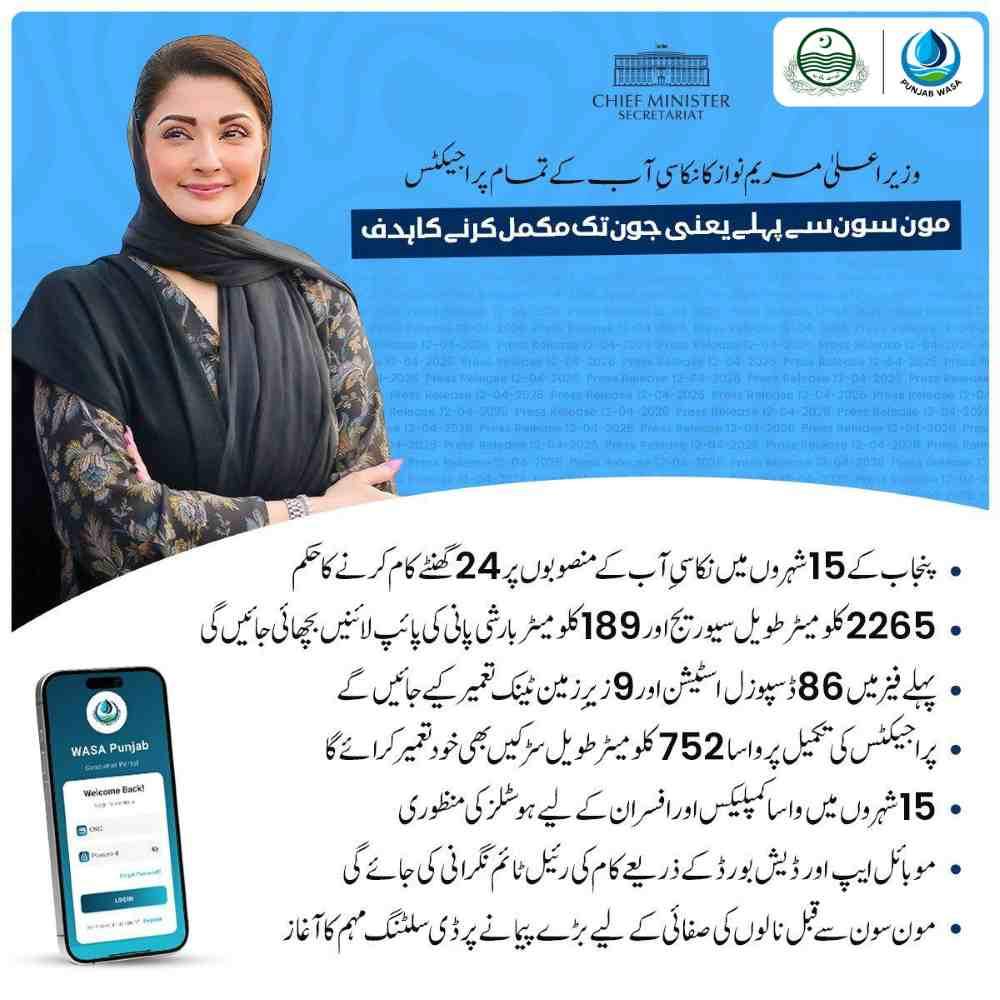
Table of Contents
1. What Is the Maryam Nawaz Sohna Punjab Scheme and Why Does It Matter?
- Read More: Property Transfer Procedure In Pakistan (New Updated)
- Read More: Maryam Nawaz All Scheme List – (Women Empowerment Initiatives)
- Read More: Maryam Nawaz All Scheme List – (Education Schemes List)
- Read More: Maryam Nawaz All Scheme List – (All Health Programs)
Virtual Women Police Station (VWPS) – Launch FIR, & Report Harassment Online
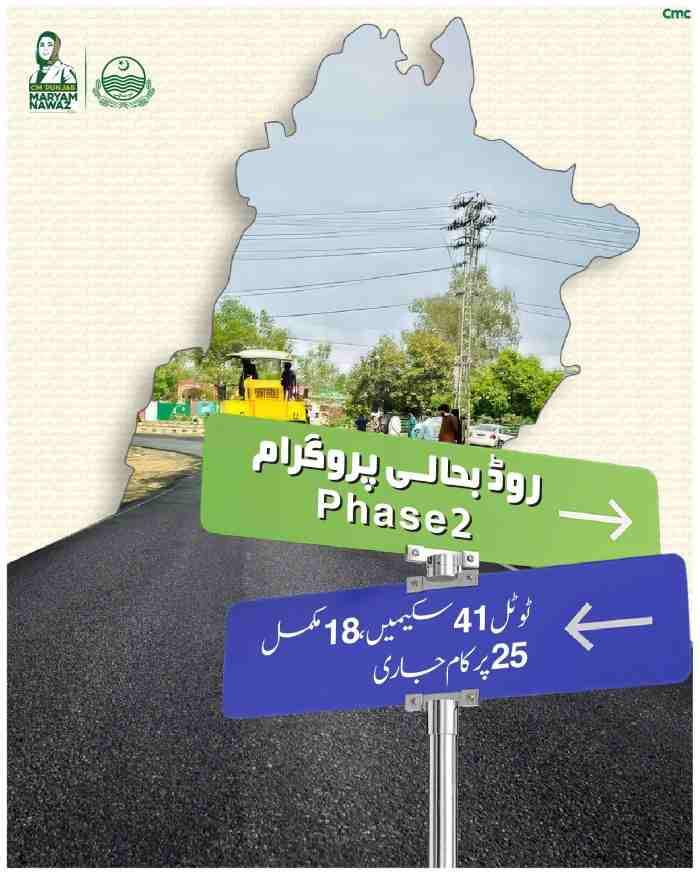
The Maryam Nawaz Sohna Punjab Scheme is a multi-billion rupee development program launched in early 2026 to deliver modern infrastructure and civic amenities to 51 cities and 7,500 villages across Punjab. This initiative matters because it addresses decades of neglect in sewerage systems, drainage, road networks, and water supply, directly improving the quality of life for over 30 million residents. Unlike previous piecemeal projects, this scheme adopts a holistic, data-driven approach with strict deadlines, digital monitoring, and personal oversight by the Chief Minister.
What Are the Core Objectives of the Sohna Punjab Scheme?
- Read More: Property Transfer Procedure In Pakistan (New Updated)
- Read More: Maryam Nawaz All Scheme List – (Women Empowerment Initiatives)
- Read More: Maryam Nawaz All Scheme List – (Education Schemes List)
- Read More: Maryam Nawaz All Scheme List – (All Health Programs)
Virtual Women Police Station (VWPS) – Launch FIR, & Report Harassment Online
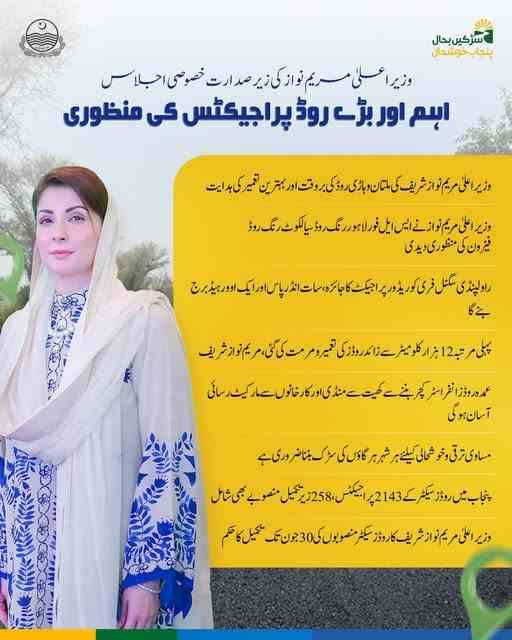
The scheme has five core objectives that guide every project under its umbrella. First, eliminate open sewerage and stagnant wastewater from all urban and rural areas. Second, provide every household with access to clean drinking water through filtration plants. Third, pave streets and roads using durable materials like colored tuff tiles. Fourth, mitigate urban flooding by constructing underground storage tanks. Fifth, ensure transparency and timely completion through digital dashboards and e-tendering.
How Does the Scheme Bridge the Rural-Urban Development Gap?
For decades, rural areas received far less development funding than cities. The Sohna Punjab Scheme directly addresses this imbalance by allocating massive resources to 7,500 villages. A village in rural Bhakkar will now receive the same quality of paved streets, drainage, and water filtration as a neighborhood in Multan. This “One Punjab, One Standard” philosophy ensures that a citizen’s zip code no longer determines their access to basic infrastructure.
What Is the Official Deadline for Phase One?
- Read More: Property Transfer Procedure In Pakistan (New Updated)
- Read More: Maryam Nawaz All Scheme List – (Women Empowerment Initiatives)
- Read More: Maryam Nawaz All Scheme List – (Education Schemes List)
- Read More: Maryam Nawaz All Scheme List – (All Health Programs)
Virtual Women Police Station (VWPS) – Launch FIR, & Report Harassment Online
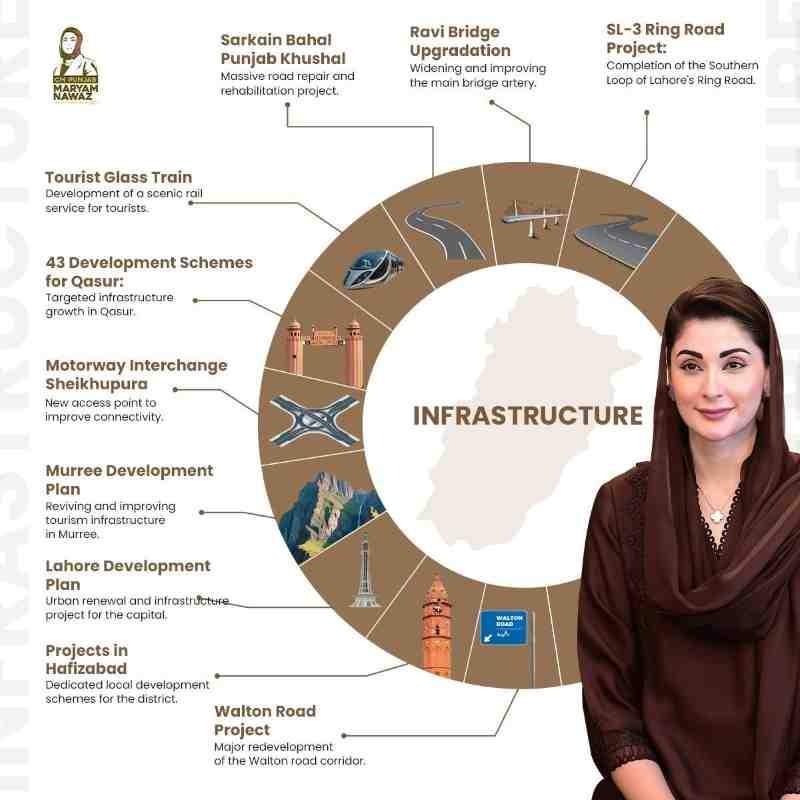
The official deadline for completing the first phase of the Sohna Punjab Scheme is June 2026. This deadline applies to all 51 cities and the initial 485 model villages. The Chief Minister has issued clear instructions: no extensions will be granted, and any delays will result in accountability actions. Work orders for 46 out of 51 cities have already been issued, and field teams are working on accelerated timelines.
Who Is Personally Overseeing the Project’s Execution?
Chief Minister Maryam Nawaz Sharif has assumed personal, direct monitoring of the entire Punjab Development Programme, which houses the Sohna Punjab Scheme. She conducts weekly review meetings with Deputy Commissioners of all target cities. Additionally, provincial and district-level control rooms have been established for real-time supervision. The Local Government Department, under Minister Zeeshan Rafique, handles day-to-day execution and contractor management.
2. The 51 Cities: Detailed Infrastructure Plans and Project Lists
- Read More: Property Transfer Procedure In Pakistan (New Updated)
- Read More: Maryam Nawaz All Scheme List – (Women Empowerment Initiatives)
- Read More: Maryam Nawaz All Scheme List – (Education Schemes List)
- Read More: Maryam Nawaz All Scheme List – (All Health Programs)
Virtual Women Police Station (VWPS) – Launch FIR, & Report Harassment Online

The 51 cities included in the Sohna Punjab Scheme are not receiving identical upgrades. Instead, each city has a tailored package based on its specific needs, population density, and existing infrastructure condition. Major cities like Multan, Gujranwala, and Dera Ghazi Khan are receiving multi-billion rupee overhauls, while smaller cities like Bhakkar and Vehari are getting targeted upgrades focused on drainage and beautification. Below is a city-by-city breakdown of confirmed projects.
Multan: How Is the City of Saints Being Transformed?
Multan is receiving one of the largest packages under the scheme. The plan includes 232 kilometers of new sewerage lines, which will cover most of the city’s underserved neighborhoods. To ensure these lines function properly, 81 pumping stations and 51 backup generators are being installed. On the roads front, 64 kilometers of urban roads are being reconstructed. Specific major arteries receiving attention include Boson Road, Khanewal Road, Shujaabad Road, and Nishtar Road. Each of these roads is being widened, repaved, and beautified with new streetlights and sidewalks. The city will also receive 34 underground recharge wells to capture monsoon rainwater and prevent the chronic flooding that has plagued low-lying areas for years.
Gujranwala: What Makes This the City’s Largest Development Package?
- Read More: Property Transfer Procedure In Pakistan (New Updated)
- Read More: Maryam Nawaz All Scheme List – (Women Empowerment Initiatives)
- Read More: Maryam Nawaz All Scheme List – (Education Schemes List)
- Read More: Maryam Nawaz All Scheme List – (All Health Programs)
Virtual Women Police Station (VWPS) – Launch FIR, & Report Harassment Online

Gujranwala has received a historic allocation of Rs42.62 billion, the largest single-city development package in the city’s history. The centerpiece is 131 kilometers of new sewerage lines, which will replace the city’s crumbling, century-old drainage system. A new wastewater treatment plant is being constructed to process sewage before it enters local waterways. The package also includes 16 modern sanitation machinery units, including vacuum tankers and jetting machines, to keep the new system clean. Beyond infrastructure, the scheme includes beautification of major chowks and the renovation of public parks. This package is designed to be “street-level,” meaning every neighborhood will see visible improvements, not just major thoroughfares.
Dera Ghazi Khan: How Will Sewerage and Agriculture Both Benefit?
Dera Ghazi Khan presents a unique case where urban sewerage improvements directly benefit rural agriculture. The scheme includes the construction and rehabilitation of 140 kilometers of sewerage lines, divided into two zones. The total cost for DG Khan’s sewerage and drainage systems exceeds Rs12 billion. In a pioneering move, the Manika Canal is being converted into an agricultural canal. This means treated wastewater will be used for irrigation, reducing pressure on freshwater sources and providing farmers with a reliable water supply. This integrated approach—linking urban sanitation with rural agriculture—is a first for Punjab and could serve as a model for other districts.
Bhakkar: What Green Infrastructure Is Being Installed?
Bhakkar is emerging as a showcase for sustainable, green infrastructure under the Sohna Punjab Scheme. The city is receiving a 42-inch diameter trunk sewerage line, capable of handling large volumes of wastewater. One hundred new manholes are being installed to provide access for maintenance. The standout feature, however, is the installation of solar-powered disposal stations. These stations use photovoltaic panels to run pumps and treatment equipment, reducing reliance on the grid and lowering operational costs. Complementing this are new parks, walkways, and public washrooms, making Bhakkar a model for how smaller cities can leapfrog to modern, sustainable infrastructure.
Sheikhupura and Kasur: How Are Beautification and Health Facilities Being Upgraded?
Sheikhupura is receiving a Rs48 billion development package focused on two areas: sewerage and beautification. The city will get 95 kilometers of new sewerage lines, and beautification projects are being expedited to complete before the June 2026 deadline. Kasur, meanwhile, is seeing upgrades to its social infrastructure. The District Headquarters (DHQ) Hospital has been completely revamped with new equipment, renovated wards, and improved sanitation services. The Chief Minister has also ordered the urgent restoration of the sewerage system in Pattoki, a major town in Kasur district, after residents reported chronic flooding and sewage overflow.
Vehari, Wazirabad, Sargodha, and Lahore: What Are Their Specific Allocations?
Vehari has a dedicated package worth Rs6.7 billion, focusing on comprehensive infrastructure and civic management. This includes road rehabilitation, drainage improvements, and solid waste management systems. Wazirabad is receiving upgrades to its sewerage network and water supply lines. Sargodha’s package includes master planning for 200 cities under the broader Punjab Development Programme, with desilting and jetting machines provided to keep drains clear. Lahore, while already having relatively better infrastructure, is receiving targeted interventions in low-income neighborhoods, including new sewerage lines and manhole covers in areas previously neglected.
How Will Urban Flooding Be Addressed Across All 51 Cities?
Urban flooding is a recurring nightmare for cities like Lahore, Gujranwala, and Multan. The Sohna Punjab Scheme tackles this head-on with a two-pronged strategy. First, 358 roadside underground storage tanks (UGSTs) are being constructed across the 51 cities. These tanks capture rainwater runoff before it can flood streets. Second, 34 underground water recharge wells are being built to channel captured rainwater back into aquifers. The combined capacity of these structures is over 94 million gallons—62 million from UGSTs and 32 million from recharge wells. Excavation for most UGSTs is already complete, and installation is underway.
What Are HDPE Pipes and Why Are They Being Used?
HDPE stands for High-Density Polyethylene. These pipes are being used for the new sewerage lines because they offer significant advantages over traditional concrete or asbestos cement pipes. HDPE pipes are flexible, meaning they can withstand ground movement without cracking. They are corrosion-resistant, so they won’t degrade from sewage gases. They have smooth interiors, which prevents blockages and allows wastewater to flow faster. Most importantly, HDPE pipes have leak-proof joints, eliminating the problem of sewage seeping into groundwater. Production of these pipes is progressing rapidly at local manufacturing facilities.
3. The Model Village Programme: Transforming 7,500 Rural Settlements
The Model Village Programme is the rural heart of the Maryam Nawaz Sohna Punjab Scheme. Phase I covers 485 villages with an expenditure exceeding Rs59 billion. Phase II, approved in April, expands the program to an additional 7,500 villages, meaning nearly 8,000 villages will be transformed. A village is considered a “model village” only after it receives clean drinking water, modern drainage, paved streets (using colored tuff tiles), parks, and streetlights. The selection of villages is based on population size, existing infrastructure gaps, and geographic distribution across all 10 divisions.
How Can a Resident Check If Their Village Is on the 7,500 List?
Residents can verify their village’s inclusion through three official channels. First, the Local Government Department’s official website hosts a searchable database of all selected villages. Second, the Punjab Rural Municipal Services Company (PRMSC) portal provides a downloadable PDF list by district. Third, each District Commissioner’s office maintains a physical copy of the list for citizens without internet access. Local councilors and village secretaries have also been provided with the lists to disseminate at the grassroots level.
What Specific Amenities Will Every House Receive?
Every house in a model village will receive four core amenities. Clean drinking water will be provided through new water filtration plants and solar-powered tube wells. Modern drainage will replace open sewers, with covered drains running along every street. Paved streets using colored tuff tiles will replace dirt or broken asphalt roads. Children’s parks and streetlights will be installed in every village, ensuring safety and recreation. Additionally, septic tanks will be established for natural wastewater filtration where connection to a main sewer line is not feasible.
What Is the June 30, 2026, Deadline for Wastewater Ponds?
The Chief Minister has set a strict deadline of June 30, 2026, for cleaning all stagnant wastewater ponds, locally known as “chhappar.” These ponds are breeding grounds for mosquitoes, sources of foul odors, and health hazards, especially for children. The cleaning process involves pumping out stagnant water, desilting the pond bed, and then converting the area into a usable public space such as a park or playground. Progress is being tracked on the digital dashboard, with before-and-after photos required for each pond.
How Is the 1336 Helpline Used for Water Filtration Plants?
The 1336 helpline is a dedicated, 24/7 service for complaints related to water filtration plants. Any citizen can call 1336 or send a message via WhatsApp to report a non-functional filtration plant, poor water quality, or maintenance issues. The helpline is integrated with the digital monitoring system, meaning a complaint automatically generates a work order for the relevant maintenance team. The system tracks resolution time, and unresolved complaints escalate to district-level officers. This ensures that every filtration plant remains operational, delivering clean drinking water year-round.
What Is the Digital Monitoring System and How Does It Work?
The digital monitoring system is a web-based dashboard that tracks every project under the Sohna Punjab Scheme in real-time. For each village and city project, the system records:
- Start date and scheduled completion date
- Percentage of work completed
- Budget allocated and spent to date
- Before-and-after photographs and videos
- Any delays or quality issues flagged by inspectors
- Public complaints and their resolution status
The dashboard is accessible to the public, allowing citizens to see exactly how their tax money is being spent and whether projects are on schedule.
Which Villages in Rawalpindi Division Have Been Selected?
In Rawalpindi division, several villages have been selected as part of Phase I and the upcoming Phase II. Examples include Changa Bangial in Gujar Khan Tehsil, Salamabad in Kallar Syedan, and Jawa village in the Kahuta area. These villages were selected based on criteria including population size (minimum 500 residents), lack of existing infrastructure, and accessibility for construction equipment. The transformation in these villages includes paved streets, drainage, water filtration, and park development.
How Many Villages per Division Are Targeted?
While exact numbers are dynamic as Phase II rolls out, Phase I allocations provide a clear pattern. Sargodha division received 39 villages. Sahiwal division received 44 villages. Gujranwala division received 53 villages. Multan division received 62 villages. The remaining divisions—Rawalpindi, Faisalabad, Lahore, Bahawalpur, Dera Ghazi Khan, and Sargodha (additional)—will receive proportionate allocations based on population and need. The goal is equitable distribution, not political favoritism.
4. Financial Breakdown: Budget, Savings, and Resource Allocation
The total estimated cost of the Punjab Development Programme (PDP), which houses the Sohna Punjab Scheme, is Rs304 billion. Phase I of the Model Village Programme alone costs Rs59 billion. The government has already saved Rs25 billion through transparent e-tendering, and these savings are being reinvested into the same program. For the next fiscal year, an additional Rs150 billion is hoped to be allocated specifically for the Model Village Programme expansion.
How Much Has Been Allocated to Each Major City?
Major city allocations are public and specific. Gujranwala received Rs42.62 billion, the largest single-city allocation. Sheikhupura received Rs48 billion. Dera Ghazi Khan received over Rs12 billion for sewerage and drainage alone. Vehari received Rs6.7 billion. Multan’s allocation is part of a broader package that includes road and sewerage work valued at several billion rupees. Smaller cities like Bhakkar and Pattoki have smaller but still significant allocations, often in the hundreds of millions.
How Was Rs25 Billion Saved Through E-Tendering?
The government implemented a mandatory e-tendering system for all contracts above a certain threshold. In the old system, contracts were often awarded through “pick and choose” methods, leading to inflated bids and corruption. In the e-tendering system, contractors submit bids online, and the system automatically selects the lowest qualified bidder. This transparent process eliminated middlemen and kickbacks, resulting in bids that were, on average, 15-20% lower than previous contracts. The cumulative savings across hundreds of contracts reached Rs25 billion.
Where Are the Savings Being Reinvested?
The Rs25 billion in savings is not being returned to the treasury; it is being reinvested directly into the Sohna Punjab Scheme. The savings have allowed the government to expand Phase II of the Model Village Programme from a planned 5,000 villages to 7,500 villages. Additionally, some savings have been used to upgrade the quality of materials, such as switching from standard concrete pipes to HDPE pipes in certain high-risk areas.
Are There Any Costs or Taxes for Citizens?
No, there are no direct costs or taxes for citizens. The Sohna Punjab Scheme is funded entirely through the provincial government’s development budget, which comes from general taxation and federal transfers. Citizens do not need to register, pay fees, or apply for benefits. The scheme is infrastructure-focused, meaning the benefits—clean water, paved roads, drainage—are delivered automatically to residents of target cities and villages.
How Does This Budget Compare to Previous Development Initiatives?
The Sohna Punjab Scheme is unprecedented in scale. Previous development initiatives were often fragmented, with separate programs for roads, water, and sanitation. This scheme integrates all three. The total sewerage line length (5,887 km) is more than the distance from Lahore to Karachi and back. The number of villages targeted (7,500) is more than double any previous rural development program. The Gujranwala allocation (Rs42.62 billion) is the largest in that city’s history, exceeding the total development spending of the previous five years combined.
5. Transparency, Monitoring, and Public Grievance Mechanisms
Chief Minister Maryam Nawaz has implemented a multi-layered transparency framework for the Sohna Punjab Scheme. This framework includes a public digital dashboard, provincial and district control rooms, the 1336 helpline, and mandatory before-and-after video documentation. Any citizen can report corruption, delays, or poor quality work through these channels, and complaints are tracked until resolution.
What Is the Role of the Local Government Department?
The Local Government Department is the primary executing agency for the Sohna Punjab Scheme. Its responsibilities include:
- Issuing tenders and awarding contracts through the e-tendering system
- Supervising contractors and ensuring adherence to quality standards
- Coordinating with District Commissioners for city-specific plans
- Maintaining the public digital dashboard with real-time updates
- Managing the 1336 helpline and grievance redressal system
- Conducting random quality audits of completed work
The department reports directly to the Chief Minister on a weekly basis.
How Does the Public Dashboard Work?
The public dashboard is accessible via the Local Government Department’s website. It is organized by district and then by project. For each project, the dashboard displays:
- A green/yellow/red status indicator (on track, at risk, delayed)
- Percentage of physical and financial completion
- Photographs of the site at different stages
- The name and contact information of the responsible officer
- A button to file a complaint directly from the dashboard
Citizens can also sign up for email or SMS alerts for projects they want to track.
How Can Residents Report Corruption or Delays?
Residents have three primary channels to report issues. First, they can call the 1336 helpline, which is staffed 24/7. Second, they can use the complaint button on the public dashboard. Third, they can visit their local District Commissioner’s office and file a written complaint. All complaints receive a tracking number, and the system requires a resolution within seven days. Unresolved complaints automatically escalate to the Chief Minister’s office. Whistleblowers can also report anonymously through a dedicated email address.
What Is the “One Day, One Union Council” Operation?
The “One Day, One Union Council” operation is an intensive deep-cleaning initiative under the Suthra Punjab drive. The goal is to ensure that every Union Council in Punjab undergoes a complete sanitation blitz within a single day. On the designated day for a Union Council, all available sanitation staff and machinery are deployed to that area. They clear solid waste, clean all drains, spray for insects, and remove illegal dumping sites. The operation is tracked on the dashboard, and before-and-after photos are required. This complements the long-term infrastructure work of the Sohna Punjab Scheme by ensuring immediate cleanliness while permanent systems are being built.
Are Jobs Being Created Through These Projects?
Yes, the Sohna Punjab Scheme is a major source of employment generation. Direct jobs include:
- Construction laborers (estimated 50,000+ positions)
- Masons, plumbers, and electricians
- Heavy machinery operators for excavators and dump trucks
- Engineers and project managers for supervision
- Quality control inspectors
Indirect jobs include:
- Manufacturing of HDPE pipes and colored tuff tiles
- Transportation and logistics for construction materials
- Sanitation workers for new disposal stations
- Call center staff for the 1336 helpline
Many of these jobs are long-term, as the new infrastructure requires ongoing maintenance.
How Is the Chief Minister Ensuring Accountability?
The Chief Minister has implemented three accountability mechanisms. First, weekly review meetings where Deputy Commissioners must present progress using the dashboard data. Second, surprise field visits by inspection teams that report directly to the Chief Minister’s office. Third, a policy of “naming and shaming” officers responsible for delayed or poor-quality projects. Several Deputy Commissioners have already been issued show-cause notices for slow progress, and contractors have been blacklisted for substandard work. This high level of accountability is unprecedented for development projects in Punjab.
6. Frequently Asked Questions (FAQs)
Does the Sohna Punjab Scheme include new road construction in rural areas?
Yes, the scheme includes 100 kilometers of new roads and streets in the first phase, specifically targeting rural areas and village neighborhoods.
Will every house in the 7,500 model villages get clean drinking water?
Yes, every house will have access to clean drinking water through new filtration plants and solar-powered tube wells, with the 1336 helpline ensuring operational continuity.
Which major roads in Multan and Gujranwala are being rehabilitated?
In Multan, Boson Road, Khanewal Road, Shujaabad Road, and Nishtar Road are being expanded and beautified. In Gujranwala, the entire sewerage and road network is being upgraded.
Will the scheme improve District Headquarters (DHQ) hospitals?
Yes, the revamping of DHQ Hospital Kasur has been completed, and similar upgrades are planned for other districts as part of the broader civic management component.
What is the deadline for the first phase?
The official deadline for completing the first phase, including the 51 cities and initial 485 model villages, is June 2026.
Is there a registration process for citizens to benefit?
No, this is an infrastructure development program, not a registration-based scheme. Benefits are delivered automatically to residents of target areas.
Which cities are prioritized for sewerage and drainage upgrades?
All 51 cities are being upgraded, with major packages actively underway in Multan, Gujranwala, DG Khan, Bhakkar, Sheikhupura, Kasur, Vehari, and Wazirabad.
How can I find the complete list of 51 cities and 7,500 villages?
Visit the Local Government Department’s official website or the PRMSC portal. Physical copies are also available at District Commissioner offices.
When will the entire scheme be completed?
The first phase is targeted for June 2026. Subsequent phases, including the full 7,500 villages, will continue with expected allocations in the next fiscal year.
Will the scheme address dirty water in rural areas?
Yes, by cleaning all stagnant wastewater ponds by June 30, 2026, and establishing septic tanks for natural filtration, alongside providing clean drinking water.
Disclaimer: This guide is based on official government announcements, public records, and news reports. Readers should verify specific details through official government channels, including the Local Government Department website and the 1336 helpline.

Add a Comment