
Punjab has launched one of South Asia’s most ambitious public health overhauls, with 15 major programs now delivering everything from doorstep medicine delivery to advanced cancer treatment at zero cost. This guide details every active health initiative, official registration pathways, real-time eligibility criteria, and the latest performance statistics as of 2026, ensuring you can access care without bureaucratic hurdles.
What You Will Learn in This Guide:
- How to register for the free dialysis card and organ transplant program.
- Step-by-step process to apply for the CM Heart Surgery Program for children and adults.
- The exact locations and services of new cardiac cath labs and cancer hospitals.
- Eligibility for the new telemedicine system and community health inspector visits.
- Latest 2026 updates on air ambulance, stroke centers, and doorstep TB medicine.
Key Takeaways
- Massive Financial Commitment: The government increased the health budget to Rs630 billion and allocated Rs100 billion specifically for upgrading DHQ hospitals.
- Transplant Milestones: Over 1,574 transplants have been performed for free, including 255 liver transplants (Rs6.5 million each) and 799 kidney transplants.
- Heart Surgery Success: More than 11,466 children have undergone free heart surgeries, with a new adult cardiac program clearing waiting lists.
- Technology at Scale: A province-wide telemedicine system is connecting district hospitals to global specialists, and 911 air-conditioned mobile clinics serve 45,000 patients daily.
- Zero-Cost Guarantee: All cancer treatment, including Level III and IV, is free at the new Nawaz Sharif Cancer Hospital, which features cryoablation technology.
- Read More: Maryam Nawaz All Scheme List – (Information Technology Programs
- Read More: Maryam Nawaz All Scheme List – (Law & Order Initiatives)
- Read More: CM Punjab All Scheme List – (Environmental Initiatives List)
- Read More: Maryam Nawaz All Scheme List – (List of Agriculture Schemes)
Maryam Nawaz All Scheme List – (All Health Programs)
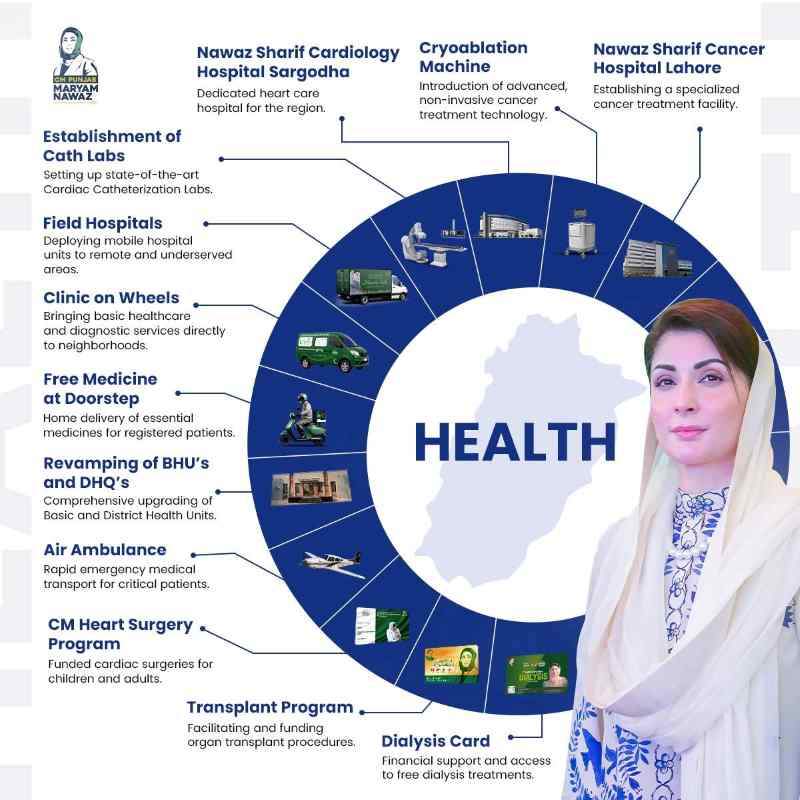
Table of Contents
The Three Pillars of Punjab’s Healthcare Revolution
1. Accessible Infrastructure
The government has revamped thousands of Basic Health Units (BHUs) in three phases. Phase 1 covered 1,026 BHUs and 191 Rural Health Centres, while Phase 2 upgraded 433 BHUs and 81 RHCs, with Phase 3 currently underway for 895 centers. The target is to complete all revamping within the current year.
2. Financial Coverage for All
Every permanent resident is eligible for cashless treatment up to Rs10 lakh per family through the Sehat Sahulat Card. Special cards for cancer and cardiac patients provide an additional Rs1 million coverage for complex procedures.
3. Technological Innovation
From AI-powered diagnostics to GPS-tracked mobile clinics, technology is at the core. A centralized digital health profile for every household is being created, ensuring seamless continuity of care.
Complete List of Maryam Nawaz Health Schemes (2026 Update)
Primary and Preventive Care
- Clinic on Wheels: 911 mobile vans serving 45,000+ patients daily.
- Community Health Inspectors: 25,000 inspectors visiting homes, conducting basic tests, and creating digital health records.
- Field Hospitals: 32 mobile hospital units deployed across all 36 districts.
Specialized Treatment Programs
- CM Heart Surgery Program: Free surgeries for children and adults.
- CM Dialysis Program: Free dialysis for kidney patients.
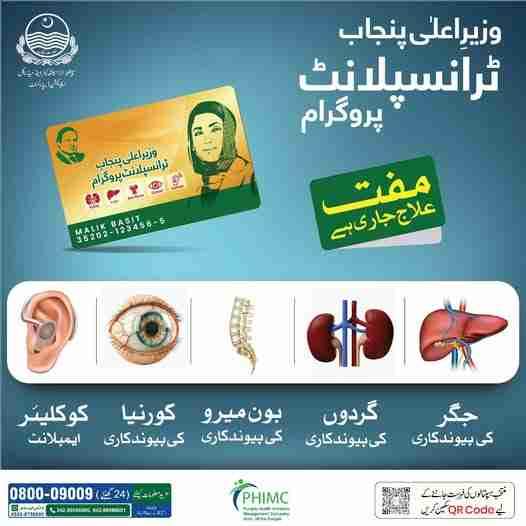
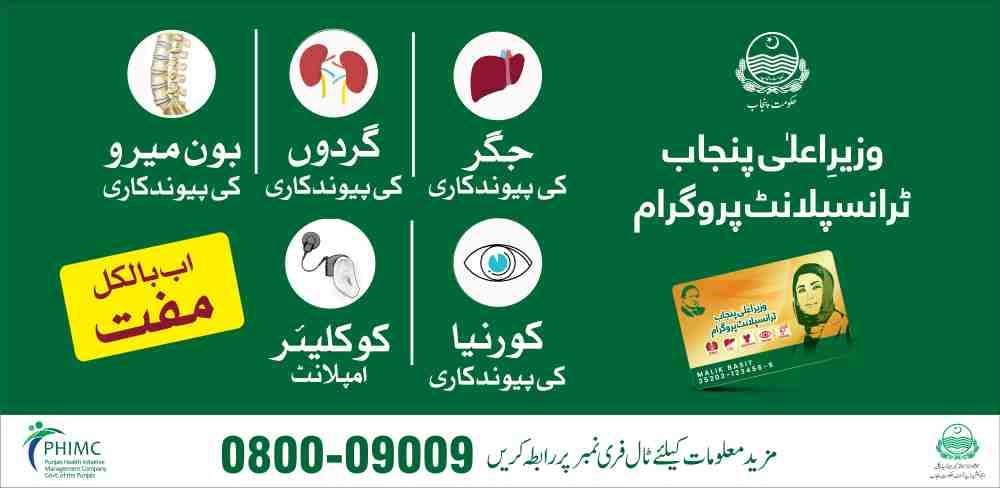
- CM Transplant Program: Free liver, kidney, bone marrow, corneal, and cochlear transplants.
- Cancer Treatment Program: Free diagnosis, chemo, radiotherapy, and surgery.
Emergency and Digital Services
- Air Ambulance: Rapid transport for critical patients.
- Telemedicine System: Province-wide virtual consultations.
- Stroke Management Centers: Being established in every DHQ.
How to Apply for Free Dialysis Under the CM Dialysis Program
The CM Dialysis Program covers the full cost of dialysis for kidney patients. The treatment limit has recently been increased to ensure continuous care.
Eligibility Criteria:
- Permanent resident of Punjab.
- Diagnosis of End-Stage Renal Disease (ESRD).
- Registration in the government health database (NSER/BISP score not mandatory but preferred).
Step-by-Step Registration Process:
- Visit a Government Hospital: Go to the dialysis unit of your nearest DHQ or THQ hospital.
- Medical Evaluation: A nephrologist will confirm ESRD and document medical necessity.
- Submit Documents: Provide CNIC, proof of residency, and medical reports.
- Receive Dialysis Card: The card is issued within 7-10 working days.
- Start Treatment: Present the card at any empaneled hospital for free dialysis.
Latest Statistics:
- Over 38,000 patients are actively registered.
- More than 1.5 million dialysis procedures have been performed.
- A new “Transplant Card” has been introduced specifically for kidney disease treatment to facilitate complex cases.
Read More: Maryam Nawaz All Scheme List – (Infrastructure Programs)
CM Transplant Program: Free Liver, Kidney, and Bone Marrow Transplants
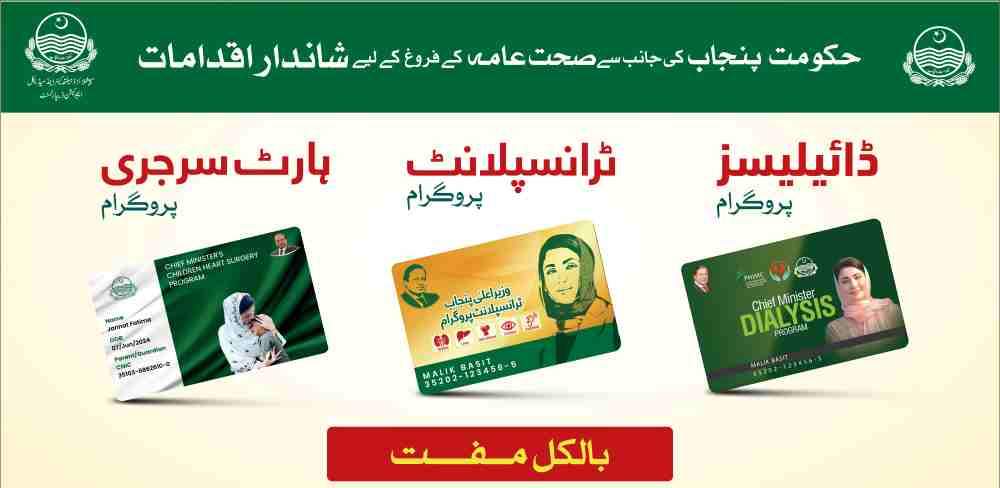
The CM Special Initiative for Transplant Programme has achieved remarkable milestones. The government bears the full cost, with a liver transplant costing approximately Rs6.5 million per patient.
Complete Transplant Statistics (as of 2026):
- Liver Transplants: 255 procedures completed, all free of cost.
- Kidney Transplants: 799 patients have received new kidneys.
- Cochlear Implants: 460 hearing-impaired individuals can now hear.
- Corneal Transplants: 32 patients have regained sight.
- Bone Marrow Transplants: 28 life-saving procedures performed.
How to Register:
- The process begins at a PHOTA-registered hospital with a transplant unit.
- The hospital’s transplant committee evaluates the patient and submits the case to the government.
- Once approved, the government covers all pre-transplant tests, surgery, hospitalization, and post-transplant immunosuppressant medications.
CM Heart Surgery Program: Clearing the Waiting List
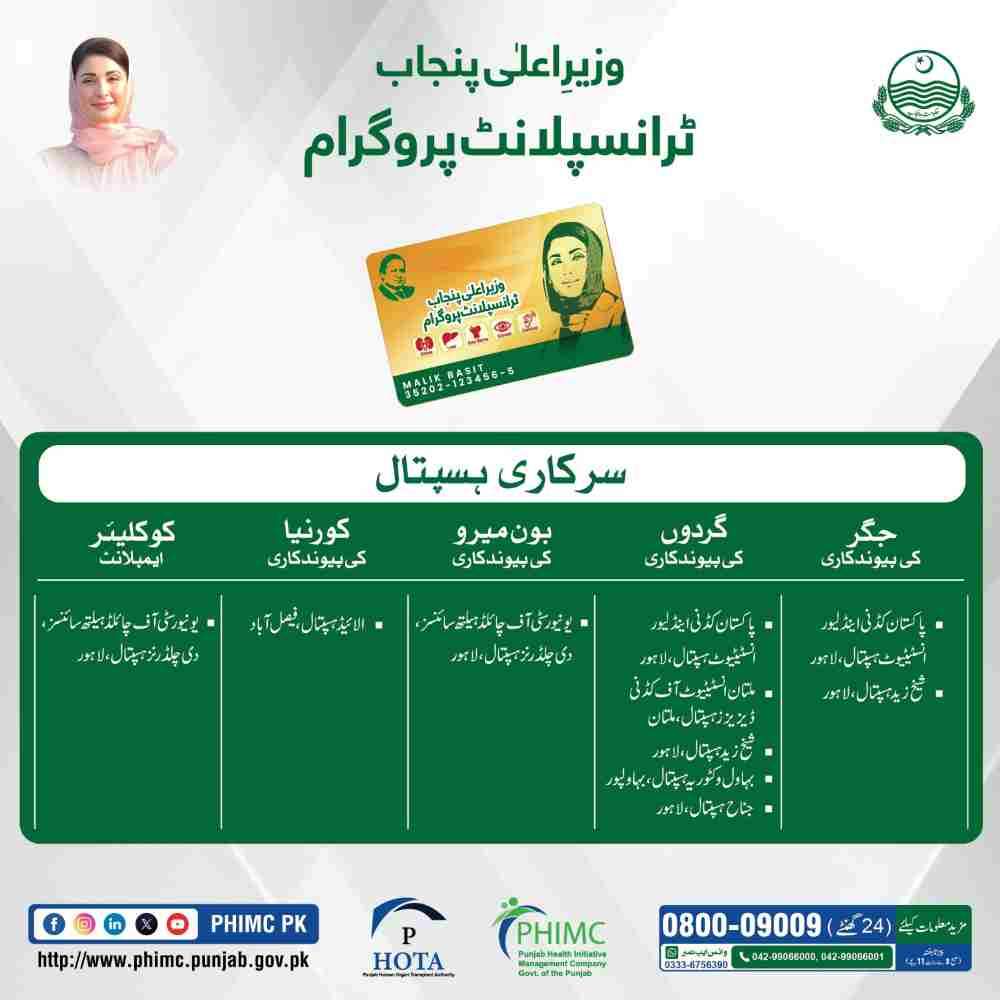
This initiative is one of the largest cardiac care programs in Pakistan’s history. With a dedicated allocation of Rs3 billion, the aim is to eliminate long waiting lists for open-heart surgery within six months.
Children’s Heart Surgery Program:
- Registered Children: 16,625 children have been registered for surgeries.
- Successful Surgeries: Over 11,466 children have successfully undergone heart surgeries and returned home healthy.
- Public Hospital Procedures: 7,664 of these surgeries were performed in public hospitals.
Adult Cardiac Surgery Initiative:
- Coverage: Open-heart surgeries, bypasses, and valve replacements.
- Network: 9 public and 15 private cardiac institutions across Punjab.
- Helpline: Call 0800-09009 or 042-99066000 (Monday to Saturday, 8 am to 11 pm).
How to Apply:
- Call the helpline for a referral to the nearest empaneled hospital.
- Complete the medical evaluation at the cardiac institute.
- The hospital submits the case for approval.
- Surgery is scheduled; the government pays all costs.
Clinic on Wheels and Field Hospitals
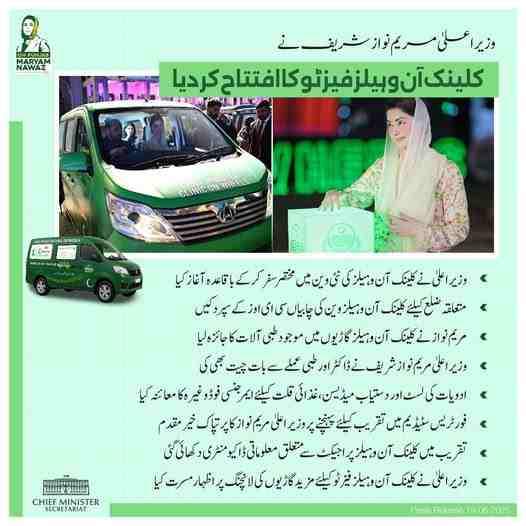
911 Mobile Clinics
The “Clinic on Wheels” project has expanded to 911 vehicles, including fully air-conditioned units equipped with telemedicine and diagnostic tools. They serve over 45,000 people daily.
Services Offered:
- Free OPD consultations.
- Basic lab tests (blood sugar, blood pressure).
- Maternal and child health services.
- Free medicines.
32 Field Hospitals
Deployed across all districts, these mobile units have already catered to around 2.8 million patients, conducting 448,468 lab tests and 170,772 X-rays/ultrasounds.
Nawaz Sharif Cancer Hospital Lahore and Cryoablation Technology
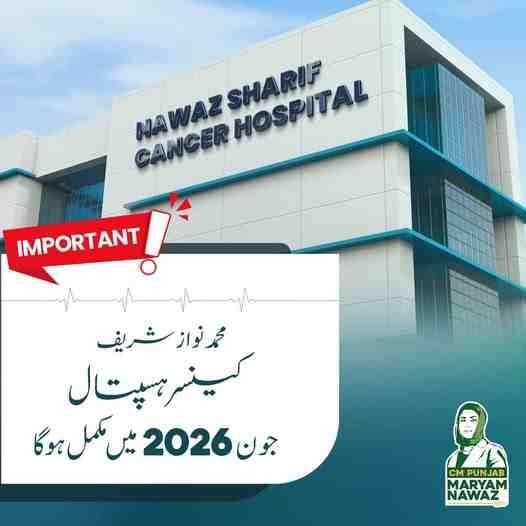
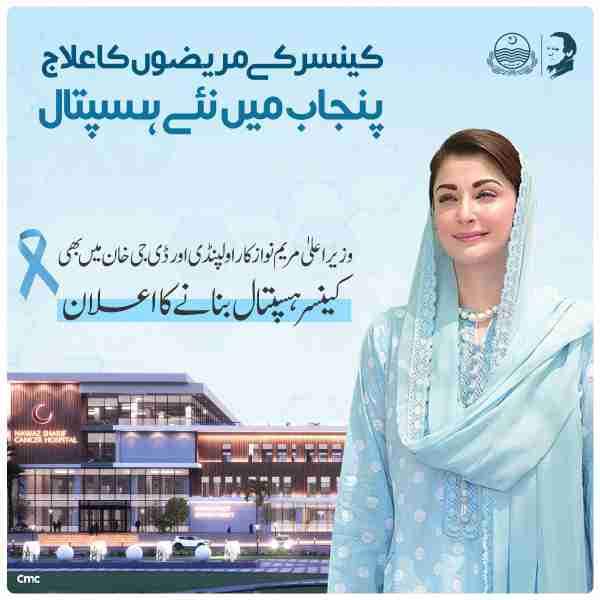
The Nawaz Sharif Institute of Cancer Treatment and Research (NSICT&R) is Pakistan’s first fully government-run cancer hospital.
Key Features:
- Free Treatment: Even Level III and Level IV cancer patients receive free chemotherapy, radiotherapy, surgery, and palliative care.
- Cryoablation Machine: This advanced technology destroys cancerous tumors by freezing them, offering a non-invasive alternative to surgery for certain tumors.
- Special Units: Includes a dedicated pediatric oncology ward.
Special Initiative for Cancer Patients:
- The government spends Rs13 billion annually on this initiative.
- Patients receive up to Rs10 lakh per year for treatment.
- Nishtar Hospital Cancer Centre is also expanding to serve the Multan region.
Air Ambulance and Telemedicine Revolution
Air Ambulance Service
Launched to transport critically ill patients from remote areas to specialized hospitals in major cities. Hundreds of lives have already been saved, ensuring the “golden hour” is not lost due to distance.
How to Access:
- Contact the District Emergency Officer or call 1122 (for emergencies).
- Hospital staff can also request the service for critical patients.
Province-Wide Telemedicine System
Specialist doctors can now examine patients through mobile screens, and consultants from around the world can be engaged for guidance.
Benefits:
- Neurologists in every DHQ for stroke patients.
- Remote diagnosis and treatment plans.
- Reduced need for travel to major cities.
Stroke Management Centers and Nursing Reforms
The Chief Minister has directed the establishment of stroke management centers in all district headquarters hospitals.
Implementation Details:
- Neurologists and pediatric neurologists will be posted at every DHQ.
- A telemedicine project for stroke patients has been approved for immediate start.
- Nurses will receive specialized training for these centers.
Nursing Degree Expansion:
- Seats for nursing degree programs in public hospitals have been increased.
- This strengthens the healthcare system by improving staff-to-patient ratios.
How to Get Free Medicines at Home and Doorstep TB Delivery
Free Medicine at Doorstep
Registered patients with chronic conditions (TB, hepatitis, heart disease, diabetes) receive two-month supplies delivered to their homes.
Registration:
- Visit a Sahulat Markaz or DHQ hospital.
- Provide medical records and CNIC.
- Receive confirmation via SMS.
Doorstep TB Medicine Delivery
Announced on World TB Day, this initiative specifically targets TB elimination. Medicines are delivered to patients’ homes to ensure treatment compliance and reduce the spread of the disease.
Frequently Asked Questions (FAQs)
1. How can I check if my family is eligible for the Sehat Sahulat Card?
Send your CNIC number via SMS to 8500. You will receive an instant reply confirming your eligibility status and available coverage balance.
2. Are transplants only available at specific hospitals?
Yes, transplants must be performed at PHOTA-registered hospitals that have specialized transplant units and committees. The government covers costs only at these empaneled facilities.
3. What is the difference between the CM Dialysis Card and the new Transplant Card?
The Dialysis Card covers ongoing dialysis treatment. The Transplant Card is a newer initiative specifically designed to facilitate the quality treatment of complex kidney diseases, including pre-transplant evaluation and transplant surgery.
4. Can I get free treatment for a foreign national family member living in Punjab?
The schemes are generally for permanent residents of Punjab with valid CNICs. Emergency care may be provided, but non-residents should contact the hospital administration for specific policies.
5. How do I apply for the Community Health Inspector home visit?
The program is being rolled out district by district. You can request a visit by contacting your local Union Council office or calling 1033. The inspector will create a digital health profile for your household.
6. Is cancer treatment completely free, including medication?
Yes, under the CM Special Initiative for Cancer Patients, all aspects of treatment—diagnosis, chemotherapy, radiotherapy, surgical procedures, and follow-up medications—are provided free of charge.
7. How many heart surgeries have been performed under the children’s program?
More than 11,000 children have received free heart surgeries, with 16,625 currently registered in the pipeline for treatment.
Disclaimer: Government schemes are subject to change based on funding availability and policy updates. Always verify information through official government helplines (1033) and websites before making medical decisions.

Add a Comment