
Imagine commuting on a pothole-ridden road that doubles your travel time and damages your vehicle every single day. Now picture that same road transformed into a smooth, four-lane highway cutting your journey by half. This is exactly what the Maryam Nawaz all scheme list for infrastructure development is delivering across Punjab. With a record Rs1,240 billion development budget, over 12,000 kilometers of roads already rehabilitated, and groundbreaking projects ranging from the Tourist Glass Train to the SL-3 Ring Road, this guide provides every detail you need about these transformative programs.
What this comprehensive guide covers:
- Complete breakdown of all major infrastructure schemes with budgets and timelines
- Real-time progress updates on the Sarkain Bahal Punjab Khushal program
- SL-3 and SL-4 Ring Road project status and completion dates
- Tourist Glass Train route, fare, and launch timeline
- District-wise development packages including Kasur, Hafizabad, and Murree
- Official portals and how to access scheme benefits
Key Takeaways
- Historic Budget Allocation: Punjab’s Rs1,240 billion development budget represents a 47% increase, making it the largest in provincial history and funding over 20,000 road projects.
- 12,000+ Kilometers Completed: The Sarkain Bahal Punjab Khushal program has already rehabilitated more than 12,000 kilometers of roads, with 462 highways currently under active construction across the province.
- SL-3 Now Open: After 12 years of delays, the 18.5-kilometer SL-3 Ring Road Southern Loop is fully operational, reducing travel time for southern Lahore suburbs by up to 40 minutes.
- Glass Train PC-I Approved: The Murree Glass Train project has secured formal approval, with bidding for the monorail component opening in March and fares set at Rs500 (standard) and Rs1,000 (premium).
- 7,500 Villages to Transform: Phase-II of the Model Village Project will equip 7,500 rural settlements with solar tube wells, drainage systems, and clean water access, building on 485 villages already in progress.
- Read More: Deceased Care Service Punjab | سرکاری ہسپتال سے گھر تک میت منتقلی سروس
- Read More: Wheat Price In Pakistan | 100Kg Wheat Rate In Pakistan
- Read More: 50 Kg Wheat Price In Pakistan Today – Gandum Rates Today
- Read More: Gandum Rate in Pakistan – Govt Wheat Rate Per 40 Kg
Maryam Nawaz All Scheme List – (Infrastructure Programs)
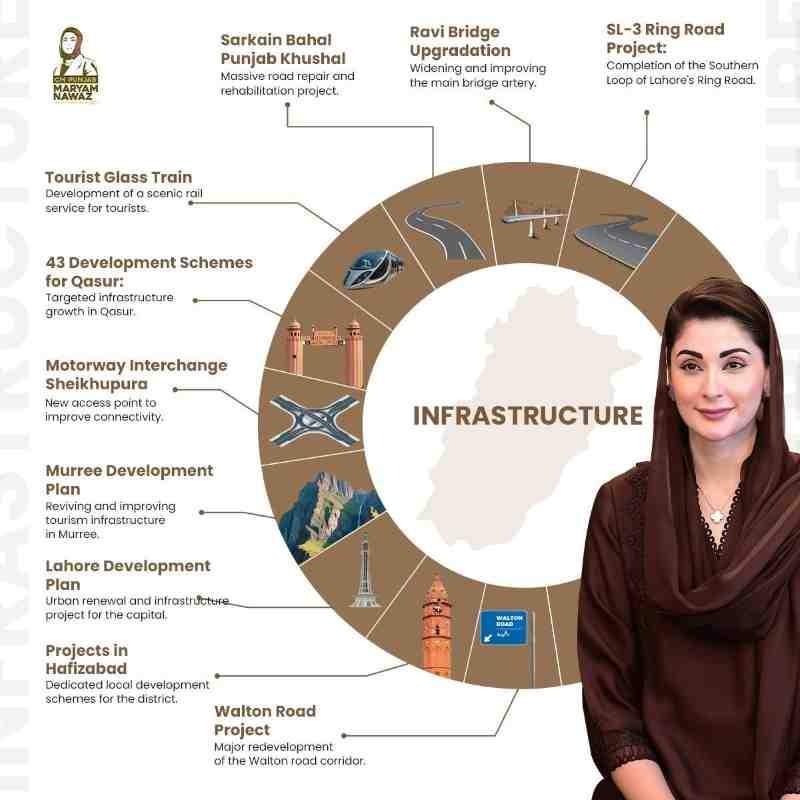
Table of Contents
1. Sarkain Bahal Punjab Khushal: The Largest Road Rehabilitation Drive in Provincial History
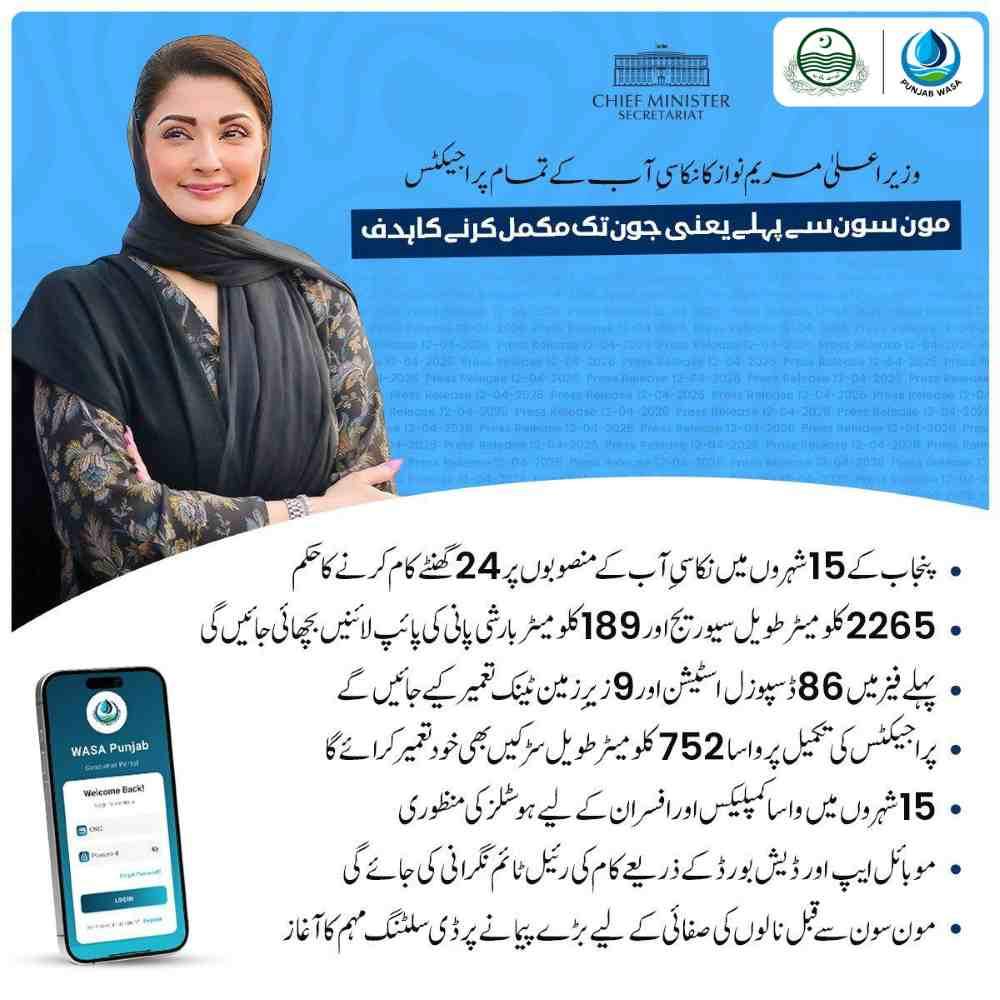
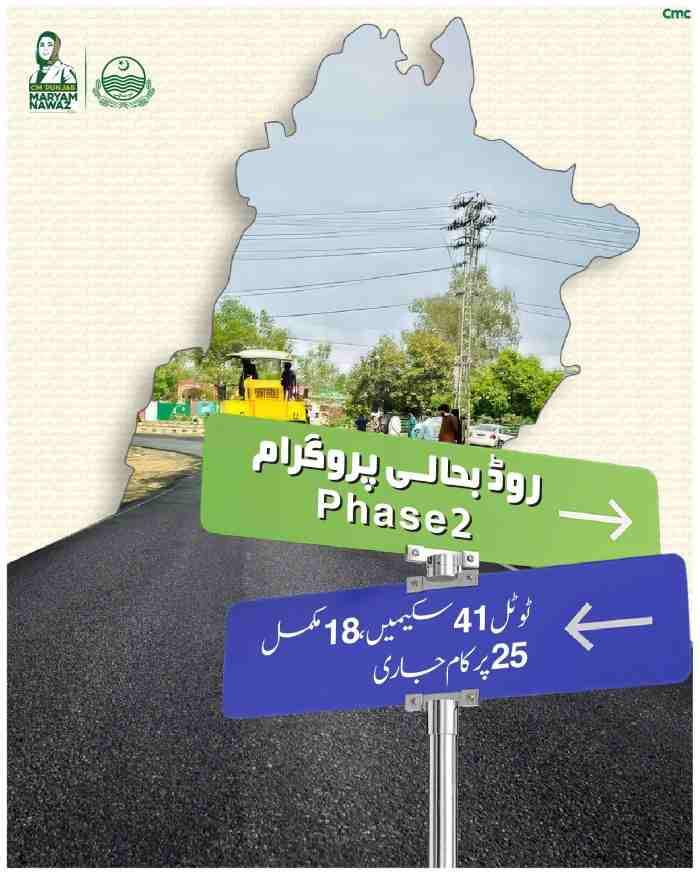
What exactly is the Sarkain Bahal Punjab Khushal project launched by Maryam Nawaz? This flagship program, whose name translates to “Roads Restored, Prosperous Punjab,” is a Rs100 billion initiative designed to repair, reconstruct, and expand roads across every district of the province. The first phase alone carries a Rs50 billion allocation, making it the single largest road-focused investment ever undertaken by any Punjab government.
1.1 Budget Distribution: How Funds Flow to Each District
The financial architecture of the Sarkain Bahal program ensures that every district receives its fair share based on need assessment. District Coordination Committees identify local priorities, while Deputy Commissioners forward proposals to the Highway Division for technical vetting. Only fully funded projects move forward, and each scheme must reach completion within the current fiscal year.
District-wise allocation highlights:
- Bahawalpur: Rs5.75 billion approved for 86 separate schemes covering 183 kilometers of road network
- Sialkot: Rs4.85 billion dedicated exclusively to rural road construction and rehabilitation
- Gujrat: Rs485 million allocated per provincial constituency
- Sahiwal: Rs10 million completed for road carpeting at Khokha Bazaar
Why does this distribution matter? Because it prevents the common problem of funds being concentrated only in major cities. Rural areas, which historically suffer from neglected infrastructure, receive dedicated attention under this program.
1.2 Current Progress: Kilometers Completed and Work Underway
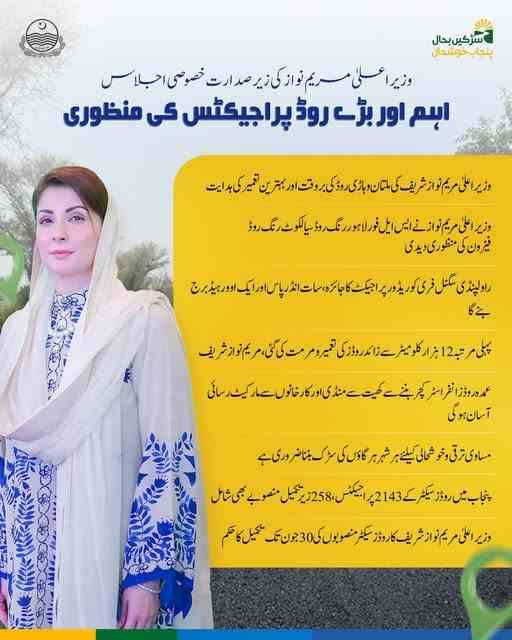
The progress numbers tell a compelling story of execution speed. Work is actively progressing on 462 roads simultaneously across the province. The completion milestones show a clear upward trajectory:
- 25% completion achieved on 182 highways
- 50% completion achieved on 168 highways
- 75% completion achieved on 67 highways
Beyond these figures, the program has delivered 1,558 kilometers of earthwork, 1,434 kilometers of base work, and 296 kilometers of surfacing. The overall completion rate stands at 24%, with field teams from the Communication & Works Department working under strict quality monitoring protocols.
Additional progress highlights:
- Rawalpindi and Chakwal: 71 new road projects launched for construction and widening
- Gujrat: 51 roads currently under active rehabilitation
- Hafizabad: A 25-kilometer link road connecting the district to M-2 Motorway now complete
The Chief Minister has further approved the installation of electric weighing machines on roads through the Excel Load Management System. This innovation prevents overloaded trucks from damaging newly rehabilitated surfaces, extending road lifespan by an estimated three to five years.
1.3 Construction Technologies: What Makes These Roads Different
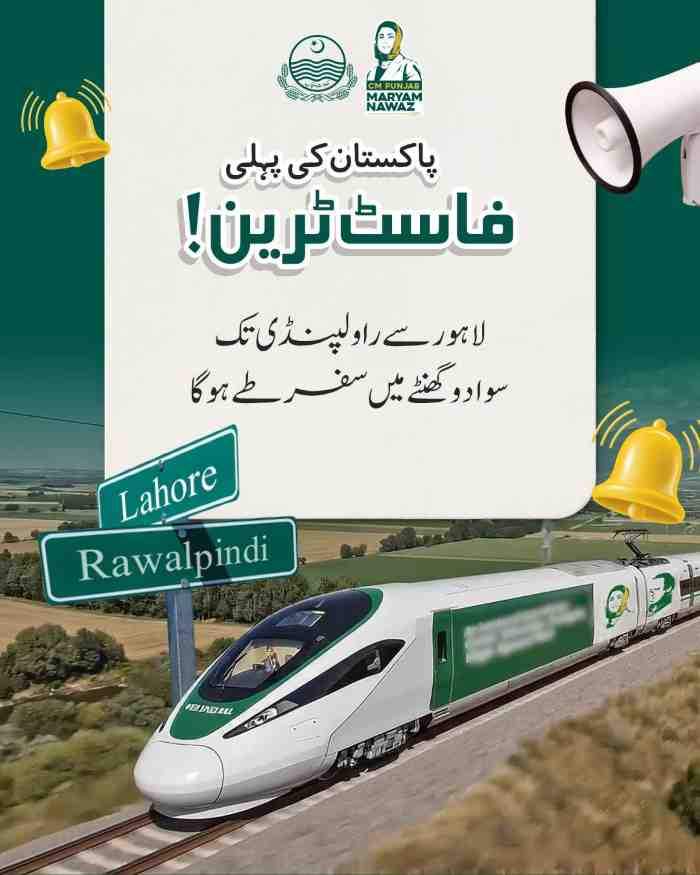
Traditional road construction in Pakistan often fails within months due to poor materials and inadequate techniques. The Sarkain Bahal program changes this by mandating modern, durable technologies.
Primary construction methods deployed:
- TST (Tack Seal Treatment) technology: Used on 30 roads in Bahawalpur, this method creates a waterproof, skid-resistant surface that lasts significantly longer than conventional asphalt
- Full carpeting: Applied to 56 roads, providing a smooth, durable surface with proper drainage integration
- Base work reinforcement: All projects undergo mandatory quality control testing at every layer
Roads measuring less than 2 kilometers receive complete restoration rather than patchwork repairs. Longer roads are widened up to twelve feet or to standard requirements, ensuring they can handle projected traffic growth for the next decade.
1.4 Economic Impact: How Better Roads Change Daily Life
The benefits of road rehabilitation extend far beyond smoother driving. For the average citizen, these improvements translate into measurable economic gains.
Direct benefits to commuters:
- Reduced fuel consumption: Vehicles traveling on smooth roads use 15-20% less fuel
- Lower maintenance costs: Fewer potholes mean fewer tire replacements, suspension repairs, and alignment issues
- Time savings: Commutes that once took 60 minutes now take 35-40 minutes in rehabilitated corridors
Broader economic effects:
- Farmers reach markets faster, reducing post-harvest losses
- Businesses experience lower transportation costs for raw materials and finished goods
- Emergency services (ambulances, fire trucks) respond more quickly
- The program projects to benefit 50,000 families through direct and indirect employment
The slogan “Sarkain Bahal, Punjab Khushhal” captures this holistic vision: roads are not just concrete and asphalt but the arteries that enable commerce, education, healthcare access, and social connection.
2. SL-3 Ring Road Southern Loop: Lahore’s Long-Awaited Transportation Breakthrough
What is the SL-3 Ring Road Southern Loop and why does it matter for Lahore’s 13 million residents? This 18.5-kilometer corridor connects Raiwind Road to Multan Road, passing through Bahria Town and NFC-II. After 12 years of legal battles, funding gaps, and construction halts, the project finally opened to traffic, marking a watershed moment for Lahore’s transportation network.
2.1 Completion Timeline and Current Operational Status
The SL-3 project reached completion in early 2024 at a final cost of approximately Rs16.5 billion. The Lahore Ring Road Authority, working with the Frontier Works Organisation, delivered the project despite numerous obstacles including land acquisition disputes and contractor changes.
Key operational facts:
- The road is now fully open to all vehicle types
- A one-month toll tax waiver was provided at inauguration
- Two large interchanges and multiple flyovers facilitate seamless entry and exit
- Fourteen drainage canals prevent water logging during monsoon seasons
Chief Minister Maryam Nawaz has continued to monitor post-completion improvements. During a surprise site visit, she ordered acceleration of remaining ancillary work and announced the formal approval of SL-4.
2.2 Route Details and Connectivity Benefits
The SL-3 route starts near Adda Plot on Raiwind Road and ends at Maraka on Multan Road. Along the way, it serves several major housing schemes and commercial areas.
Areas with direct SL-3 access:
- Bahria Town (multiple phases)
- NFC Phase-II
- New Lahore City
- Various industrial zones along the corridor
Infrastructure components included:
- Two large interchanges at key intersections
- Multiple flyovers for uninterrupted traffic flow
- Service-road bridges separating local from through traffic
- Subways for pedestrian and small vehicle crossing
The connectivity improvements are dramatic. A resident of Bahria Town previously needed 50 minutes to reach Multan Road during peak hours. Now the same journey takes 15 minutes. For commercial vehicles, the time savings translate directly into lower operating costs.
2.3 SL-4 Approval: What Comes Next for the Ring Road Network
Following SL-3’s success, the Punjab government has formally approved SL-4, an 18-kilometer extension from Maraka (Multan Road) to the Sharqpur Interchange on the M3 Motorway. The estimated budget exceeds Rs45 billion.
SL-4 project specifications:
- Multiple interchanges and toll plazas for controlled access
- A bridge spanning the River Ravi
- Land acquisition already initiated with a dedicated working group
- Direct linkage to SL-3, completing the southern ring
The Chief Minister has set a firm deadline of June 30 for accelerated progress on all road projects, with weekly progress reports mandated. Officials project that SL-4 will reduce travel time between southern Lahore and Sharqpur from 90 minutes to just 25 minutes.
2.4 Traffic Decongestion: Measuring the Impact on Lahore’s Roads
Lahore ranks among Pakistan’s most congested cities, with average peak-hour speeds dropping below 15 kilometers per hour in many areas. The Ring Road network offers a strategic solution by providing an alternative to city center routes.
Traffic improvement metrics:
- Estimated 30-40% reduction in traffic volume on parallel city roads like Ferozepur Road
- Emergency response times improved by 25% in southern sectors
- Freight vehicles now bypass the city center, reducing pollution and wear on local streets
The Chief Minister has complemented the Ring Road with other measures including underpasses at railway crossings and the Controlled Access Corridor on Bund Road. Together, these projects form a comprehensive mobility strategy rather than isolated fixes.
3. Ravi Bridge Upgradation: Doubling Capacity Across Lahore’s Northern Gateway
What does the Ravi Bridge expansion deliver for commuters crossing between Lahore’s north and south? A brand new 540-meter, four-lane bridge operating alongside the existing structure, effectively doubling crossing capacity and eliminating the bottleneck that has plagued Shahdara and surrounding areas for decades.
3.1 Project Components and Construction Scope
The Ravi Bridge Upgradation is not merely a bridge addition but a comprehensive corridor improvement. The project includes several interconnected elements that work together to improve traffic flow.
Complete project scope:
- 540-meter, four-lane new bridge over the Ravi River
- Remodeling of Babu Sabu Interchange at the Controlled Access Corridor entry and exit points
- Construction of vehicle and pedestrian subways for safe crossing
- Greenbelt and park development at Babu Sabu Chowk
- Removal of encroachments that previously narrowed approach roads
The project faced significant delays under previous administrations. Although the foundation stone had been laid earlier, construction only accelerated after Maryam Nawaz personally intervened and prioritized completion.
3.2 Benefiting Areas and Travel Time Reductions
Which localities see the most significant improvements from the expanded bridge? The impact radiates across multiple districts and suburbs.
Primary benefiting areas:
- Shahdara: Previously a perpetual traffic jam, now flowing freely
- Kot Abdul Malik: Industrial area with faster truck access
- Sheikhupura: Improved connectivity to Lahore’s job centers
- Kala Shah Kaku: Reduced commute times for residents
- Lahore Ring Road: Better integration with the bridge network
Travel time savings documented:
- Shahdara to Babu Sabu: Reduced from 30 minutes to 8 minutes
- Sheikhupura to central Lahore: Reduced by 25 minutes on average
- Industrial freight movement: 20% faster, lowering delivery costs
The connection between the Ravi Bridge project and the Controlled Access Corridor creates a seamless transportation artery across northern Lahore, complementing the Ring Road’s southern focus.
3.3 Future Improvements for the Ravi Corridor
Chief Minister Maryam Nawaz has directed further enhancements to the Ravi Bridge corridor. The service lane along the Controlled Access Corridor will be expanded, adding capacity for local traffic and improving access for adjacent neighborhoods.
Additionally, development work in Ravi City has been accelerated. This broader vision treats the Ravi Riverfront as a unified development zone rather than a collection of separate projects.
4. Tourist Glass Train: Punjab’s First Scenic Electric Rail Service
What makes the Tourist Glass Train project unique in Punjab’s transportation history? It is the province’s first scenic rail service featuring glass-paneled, electric trains running on a 40-kilometer route from Lake View Park in Islamabad to Murree Bus Stand, completing the journey in just 40 minutes while offering unobstructed views of pine forests, hills, and seasonal landscapes.
4.1 Route Details, Stations, and Fare Structure
The route has been carefully designed to maximize scenic value while serving practical transportation needs. Four stations will be constructed along the route.
Station locations:
- Lake View Park, Islamabad (starting point)
- Chattar Park
- Ghoda Gali
- Near Murree Bus Stand (terminus)
Ticket pricing:
- Standard ticket: Rs500 – Access to regular seating with window views
- Premium ticket: Rs1,000 – Enhanced comfort with panoramic roof panels
The tiered pricing structure ensures affordability for budget travelers while offering premium options for tourists seeking the best experience. The provincial government has already secured PC-I approval for the project, with the Engineering Procurement and Construction (EPC) procurement process scheduled to begin in December and bid submission set for March.
4.2 Project Status: From Approval to Construction
The Glass Train project has moved from concept to execution faster than typical infrastructure projects due to its priority status under the Murree Development Plan.
Milestones achieved:
- PC-I approval received in November
- Route finalized at 40 kilometers from Lake View Park to Murree Bus Stand
- Agreement reached in principle to extend the project from Islamabad Airport to Muzaffarabad
- Bidding for the monorail component scheduled to open in March
Environmental commitments:
- Trains will be fully electric, producing zero direct emissions
- Each train replaces approximately 100 private vehicles on the Murree road
- Reduced vehicular traffic decreases noise pollution in the hill station
4.3 Tourism and Economic Impact on Murree
Murree attracts millions of visitors annually, but traffic congestion during peak seasons has become a major deterrent. The Glass Train offers a solution by providing an alternative to private car travel.
Expected tourism benefits:
- Increased visitor capacity: The train system can move thousands of tourists per day without adding road congestion
- Extended tourist season: Reliable train service makes Murree accessible even during peak snow seasons
- Enhanced experience: The glass-panel design offers views that no road journey can match
Local business impact:
- Hotels near stations benefit from guaranteed foot traffic
- Restaurants and shops in Murree see extended business hours as train schedules enable day trips
- Employment generation: Train operators, station staff, maintenance crews, and tourism support services
The Murree Development Plan, approved by PML-N President Nawaz Sharif and Chief Minister Maryam Nawaz, positions the Glass Train as the centerpiece of the largest development package in Murree’s history.
5. 43 Development Schemes for Kasur: District-Specific Growth Package
What does the 43-scheme Kasur development package include? This targeted infrastructure package covers industrial worker housing, technology parks, garment manufacturing zones, educational innovations, and urban improvements specifically designed for Kasur district’s unique needs.
5.1 Industrial and Housing Projects
The industrial component of the Kasur package focuses on worker welfare and industrial expansion. The Workers Welfare Complex in Sundar Industrial Estate represents a significant investment in labor housing.
Housing scheme details:
- Total allocation of 1,220 flats for industrial workers across Sundar, Kasur, and Taxila complexes
- Phase-I: 750 residential units at Sundar Industrial Estate currently accepting applications
- Ballot process ensures transparent allocation to eligible workers
Industrial development initiatives:
- Feasibility study approved for a 300-acre industrial and technology park in Narowal
- Technology university approved for Kasur district
- ‘Garment Cities’ project includes Kasur in Punjab’s industrial revolution plan
5.2 Educational Innovations: School on Wheels and Library on Wheels
Two mobile learning projects inaugurated in Kasur represent a novel approach to educational access. “School on Wheels” and “Library on Wheels” use solar-powered e-rickshaws equipped with folding chairs and solar roofs to deliver lessons and books directly to rural and urban areas.
How the mobile learning system works:
- E-rickshaws travel to villages without permanent schools
- Solar panels power tablets and lighting for evening classes
- Folding chairs create instant classroom spaces
- Libraries rotate book collections among multiple villages
This approach addresses the barrier of distance that prevents many rural children from attending school. By bringing education to the learner rather than requiring the learner to travel, the program increases enrollment and attendance.
5.3 Implementation Timeline and District Integration
The Kasur development package is integrated into the broader Punjab Development Programme, which includes 189 cities across the province. International financial institutions including the World Bank and the Asian Development Bank partner with Punjab on implementation.
Completion milestones:
- Garment Cities project: Deadline set for completion
- Workers Welfare Complex Phase-I: Ballot process underway
- Technology university: Planning stage with feasibility completed
Other districts receiving similar comprehensive packages include Bahawalpur (Rs5.75 billion for 86 schemes), Sialkot (Rs4.85 billion for rural roads), Gujrat (Rs485 million per constituency), and Murree (multi-billion-rupee package).
6. Motorway Interchange Sheikhupura: Unlocking Quaid-e-Azam Business Park
What is the strategic importance of the Sheikhupura Motorway Interchange? This new access point on the M2 Motorway connects directly to the entrance of Quaid-e-Azam Business Park, transforming the park from a difficult-to-reach industrial zone into a prime location for national and international investors.
6.1 Project Specifications and Linked Developments
The interchange is not an isolated project but part of a coordinated development package for the business park and surrounding area.
Interchange scope:
- Construction at the main entrance of Quaid-e-Azam Business Park on the M2 Motorway
- Upgradation of border outposts along the interchange for enhanced security
- Connection to existing motorway network enabling rapid access from Lahore and Islamabad
Linked infrastructure:
- Garment City Plug and Play facility within the business park
- Massive tree plantation drive across the park’s premises
- Flyover at Chanda Qila Chowk in Gujranwala improving regional connectivity
Chief Minister Maryam Nawaz has directed immediate commencement of construction, emphasizing the interchange’s role in attracting foreign investment.
6.2 Economic Impact and Employment Generation
The combination of improved access and targeted industrial development creates a powerful economic multiplier effect.
Investment attraction factors:
- Direct motorway access reduces logistics costs for exporters
- Plug-and-play industrial facilities lower setup costs for new businesses
- Secure, well-planned environment appeals to international investors
Employment projections:
- Garment City alone expected to create thousands of direct manufacturing jobs
- Support services (transport, security, maintenance) generate additional employment
- Ancillary businesses (canteens, shops, housing) develop around the park
Punjab plans to construct 20,000 new roads projected to benefit 50,000 families across the province, with the Sheikhupura corridor as a key node in this network.
7. Murree Development Plan: Reviving Punjab’s Premier Hill Station
What makes the Murree Development Plan the largest in the hill station’s history? Approved during a special meeting chaired by PML-N President Nawaz Sharif and Chief Minister Maryam Nawaz, this multi-billion-rupee package includes 14 tourism schemes, healthcare facilities, water supply projects, school upgrades, sanitation schemes, and comprehensive transport improvements.
7.1 Tourism Infrastructure: New Attractions for Visitors
The tourism component of the Murree plan introduces attractions that will draw visitors year-round, reducing the extreme seasonality that currently plagues the local economy.
New attractions under development:
- Chairlift project connecting key viewpoints
- Eco-friendly glamping pod village and resort for luxury camping experiences
- Punjab’s first modern paragliding centre in Kotli Sattian
- Sky glass bridge offering panoramic views of the hills
Heritage preservation:
- Dedicated department established for preserving Murree’s historical buildings
- 23 heritage structures restored to original design
- 76 shops on Mall Road renovated while maintaining architectural character
7.2 Healthcare and Water Infrastructure
Beyond tourism, the Murree plan addresses critical gaps in basic services that affect both residents and visitors.
Healthcare facilities:
- Modern 100-bed hospital under construction in Kotli Sattian
- 50-bed facility planned for Bhurban
- Nawaz Sharif Cardiology Center in Murree now operational, completing angiography procedures with cardiac surgeries to follow
Water supply improvements:
- Multi-billion-rupee water supply scheme currently underway
- Rainwater harvesting project Phase-I completed successfully
- Phase-II will bring rainwater harvesting to 3,000 additional homes
- New sanitation scheme introduced to manage waste from increased tourist traffic
7.3 Road Rehabilitation and Transport Services
The Murree plan includes extensive road improvements that benefit both residents and the millions of annual visitors.
Road completion statistics:
- 70 roads in Murree and adjoining areas constructed or rehabilitated
- 120 additional roads under development in Phase-II
- 37 roads completed at a cost of Rs3.98 billion
- Ten schemes under Phase-II will cost Rs4.66 billion
Transport services:
- 15 new buses for tourist routes
- Green Line buses running free for students, women, and senior citizens
- Train service to complement the Glass Train for local transport
Illegal construction has been addressed systematically. Three-storey buildings on Mall Road, Hall Road, and Imtiaz Shaheed Road that violated height restrictions have been removed, with the space converted into parks and green areas.
8. Lahore Development Plan: Upgrading 6,284 Streets in the Capital
What is the scope of the Lahore Development Plan Phase-II? This urban renewal initiative aims to upgrade 6,284 streets across Lahore, with 5,798 falling under the Lahore Municipal Corporation and 486 under WASA. The work includes proper paving, drainage improvements, beautification, and infrastructure enhancements, with completion scheduled by June 30.
8.1 Street Upgrading Specifications and Quality Standards
Street upgrading under the Lahore Development Plan goes far beyond simple resurfacing. Each street receives comprehensive modernization.
What “upgrading” includes:
- Complete repaving with proper base layers for durability
- Drainage improvements to prevent water logging during monsoon
- Concrete footpaths where space permits
- Street lighting upgrades for safety
- Beautification elements including green belts where feasible
The Chief Minister has explicitly stated that no compromise on quality will be tolerated. Delays in completing the project will not be accepted, with weekly progress reviews ensuring accountability.
8.2 Water and Sanitation Component
Phase-I of the Lahore Development Programme focused heavily on water and sanitation infrastructure, laying the groundwork for Phase-II’s street upgrades.
Phase-I achievements:
- Installation of 113 new machinery for water and sewerage operations
- 39 new tube wells to improve water supply
- 10 disposal stations to manage waste water
Phase-II WASA involvement:
- 486 streets under WASA’s jurisdiction will receive coordinated upgrades
- Sewerage lines replaced or repaired before street paving
- Drainage systems cleaned and expanded
The Water & Sanitation Agency has been allocated Rs204 billion in the budget to expedite development, ensuring that water infrastructure keeps pace with road improvements.
8.3 Beautification and Green Initiatives
The Lahore Development Plan integrates environmental considerations into urban renewal. Upgraded streets feature lush green belts and tree plantations, creating a more pleasant urban environment while providing ecological benefits.
Beautification elements:
- Central Business District Punjab completed hardscaping and landscaping along Walton Road
- Horticulture efforts enhance aesthetic appeal of completed corridors
- Tree species selected for local climate and minimal water requirements
9. Projects in Hafizabad: Local Development for the District
What development projects has Hafizabad received under Maryam Nawaz? The district has seen a newly-constructed railway bypass flyover, beautification projects, anti-encroachment drives, model bazaar development, and a child protection unit.
9.1 Railway Bypass Flyover: Completion and Benefits
The Hafizabad railway bypass flyover opened to traffic after years of delay due to funding shortages. The Punjab government provided a Rs750 million grant to complete the project.
Flyover specifications:
- Dual carriageway design for two-way traffic flow
- Service roads constructed along both sides for local access
- Lighting installation to be completed soon
Traffic impact:
- Benefits Hafizabad city and neighboring districts including Gujranwala, Gujrat, Chiniot, Sargodha, and Faisalabad
- Eliminates waiting at railway crossing, saving 10-15 minutes per vehicle
- Reduces congestion in city center as through traffic bypasses
Chief Minister Maryam Nawaz, acting on the recommendation of local lawmaker Saira Afzal Tarrar, ensured fund release, after which work accelerated to completion.
9.2 Beautification and Urban Renewal
Hafizabad is among 17 districts approved for beautification projects. The progress on the ground is substantial.
Completed or underway:
- 73% of encroachments cleared from public spaces
- Qainchi Road being developed as a model bazaar
- New food street planned for evening commercial activity
- Public park and parking area under development
- Eight old bazaars set for rehabilitation
- Vanike Road being developed as a model bazaar
Social infrastructure:
- Child protection unit inaugurated at Hafizabad
- Services for children who are victims of abuse, neglect, or abandonment
- Awareness campaigns to promote child rights
9.3 Integration with Model Village Program
Hafizabad is included in the Model Village Program, under which water supply and drainage schemes will be developed in villages, dirt streets paved, and children’s parks established. Development schemes have already been approved for 414 villages, with approval for remaining plans being expedited.
The Chief Minister announced honorariums for the Deputy Commissioners of Hafizabad and Narowal for their outstanding performance in implementing development projects.
10. Walton Road Project: Major Redevelopment of Lahore’s Key Corridor
What does the Walton Road redevelopment deliver for Lahore commuters? The corridor has been transformed into a modern, three-lane dual carriageway with landscaping, concrete footpaths, and beautification elements, executed by the Central Business District Punjab under direct Chief Minister supervision.
10.1 Construction Timeline and Completion Status
The Walton Road project moved from directive to completion with remarkable speed. Chief Minister Maryam Nawaz ordered acceleration during a June visit, setting a September deadline for the three-carriageway opening and October for full dual carriageway completion.
Completed work:
- ADA drain construction finished, resolving long-standing flooding issues
- Overhead bridge for traffic from Qainchi and Ferozepur to DHA near completion
- Sub-base work finished across the corridor
- Asphalt paving completed, making the road fully motorable
10.2 Features of the Redeveloped Corridor
The new Walton Road is not just resurfaced but completely reimagined as a modern urban corridor.
Key features:
- Three-lane dual carriageway configuration increasing capacity by 50%
- Concrete footpaths providing safe pedestrian space
- Signboards and lane markings for clear navigation
- Hardscaping and landscaping including green belts
- Tree plantations along the corridor for aesthetic and environmental benefits
The Central Business District Punjab has continued beautification works following asphalt completion, with horticulture efforts ongoing.
10.3 Role of CBD Punjab and Chief Minister Oversight
CBD Punjab serves as the executing agency for the Walton Road project, bringing private-sector efficiency to public infrastructure delivery. The CBD Punjab CEO personally instructed workforce increases to ensure timely completion.
Chief Minister Maryam Nawaz has made multiple surprise visits to the project site, personally inspecting progress and urging acceleration. This hands-on oversight has been credited with the project’s rapid delivery compared to typical government timelines.
11. Budget and Funding for Maryam Nawaz Infrastructure Projects
How much has been allocated for Maryam Nawaz infrastructure projects in Punjab? The fiscal year budget includes Rs1,240 billion for development — the largest in Punjab’s history. The total provincial budget stands at Rs5,335 billion, with 27% for health and education and 73% for infrastructure, service delivery, and long-term growth.
11.1 Sector-Wide Breakdown of Development Spending
The development budget allocates resources across multiple sectors, with transportation and urban infrastructure receiving major shares.
Transportation allocations:
- Roads: Rs120 billion
- Transport: Rs141.5 billion
- Electric bus project: Rs46 billion
- Other transport initiatives: Rs3.5 billion
Social sector allocations:
- Education: Rs811.8 billion
- Health: Rs630.5 billion
- Local government and community development: Rs411.1 billion
- Police: Rs210.1 billion
Infrastructure and environment:
- Housing and public health engineering: Rs245.7 billion
- Agriculture: Rs129.8 billion
- Environmental protection: Rs16.6 billion
- Forests, wildlife, and fisheries: Rs36 billion
11.2 Punjab Development Programme Funding
The Punjab Development Programme, covering 189 cities, is implemented with support from international financial institutions including the World Bank and the Asian Development Bank.
Program components:
- World Bank-funded Punjab Inclusive Cities Programme (PICP): 15 cities
- ADB’s DREAMS-II project: 4 cities
- Annual Development Program prioritized development: 11 cities
- ADP infrastructure and urban improvement: 144 cities
Maryam Nawaz Ka Sohna Punjab programme:
- Launched in 51 cities
- 5,887 kilometers of sewerage lines to be constructed
- 181 drainage lines across 51 cities
- More than 33,000 new manhole covers to be installed
11.3 Tax-Free Budget Features
The budget is tax-free, meaning no new taxes were imposed despite the record development spending. This was achieved through efficient resource management and international financing.
Citizen benefits:
- 10% salary increase for government employees
- 5% pension increase
- Minimum monthly wage raised from Rs37,000 to Rs40,000
- Digital payment of all wages mandated
- Protective gear for workers and laborers required by law
12. How to Access Updates and Apply for Schemes
How can citizens check the latest updates on Maryam Nawaz schemes? The official Punjab government portal (punjab.gov.pk) provides regular updates. The Chief Minister’s Office releases press statements through official channels, and social media accounts provide real-time updates.
12.1 Official Portals and Contact Information
Primary portals:
- Punjab government: punjab.gov.pk
- Local Government and Community Development: lgcd punjab
- Project Management Unit coordinates 189-city development program
Contact information:
- D.G. Local Government Punjab contact number available on department portal
- PMU inquiries through Chief Minister’s Office
- Helpline 1336 for water filtration plant issues
12.2 Application Processes for Different Scheme Types
For most infrastructure programs (roads, bridges, ring roads), no public application is required as these are government-executed projects. However, housing schemes have active application processes.
Workers Welfare Complex, Kasur:
- 750 residential units available in Phase-I
- Applications being accepted at Sundar Industrial Estate
- Ballot process ensures transparent allocation
Contractor participation:
- Tenders issued through Punjab Procurement Regulatory Authority (PPRA)
- Department procurement portals list current opportunities
- District Coordination Committees identify and evaluate proposals
Job applications:
- LG&CD Punjab gov pk Jobs portal
- Individual department websites
- Mainstream newspaper advertisements
12.3 Staying Updated on Specific Projects
For project-specific updates like the Glass Train or Murree Development Plan, follow official press statements from the Associated Press of Pakistan and major news outlets. The Chief Minister’s social media channels provide real-time announcements of inaugurations and progress milestones.
Disclaimer
The information in this guide is compiled from official government announcements, press releases, and verified news reports. Infrastructure project timelines, budgets, and statuses may change as work progresses. Readers should verify specific details through official Punjab government portals for the most current information.
Frequently Asked Questions (FAQs)
Q1: What is the total number of roads rehabilitated under Maryam Nawaz infrastructure programs?
Over 12,000 kilometers of roads have been rehabilitated or constructed, with 462 roads currently under active construction and 20,000 new roads planned overall.
Q2: When will the Tourist Glass Train begin operations?
The project has secured PC-I approval, with bidding for the monorail component scheduled for March. An exact launch date will be announced following bid completion and construction.
Q3: How can I apply for housing in the Workers Welfare Complex, Kasur?
Applications for 750 residential units in Phase-I are being accepted at the Sundar Industrial Estate, Kasur. The allocation is determined through a transparent ballot process.
Q4: What is the budget for the Sarkain Bahal Punjab Khushal program?
The total program cost is Rs100 billion, with Rs50 billion allocated for the first phase.
Q5: Which districts are covered under the Model Village Project Phase-II?
Phase-II will transform 7,500 villages across all districts of Punjab, with each village receiving water supply systems, solar-powered tube wells, drainage facilities, and cleaned wastewater ponds.
Q6: Is the Punjab budget truly tax-free?
Yes, the budget imposes no new taxes on citizens while achieving a 47% increase in the Annual Development Programme through efficient resource management and international financing.
Q7: What is the fare for the Murree Glass Train?
Standard tickets are priced at Rs500, while premium tickets cost Rs1,000.

Add a Comment