
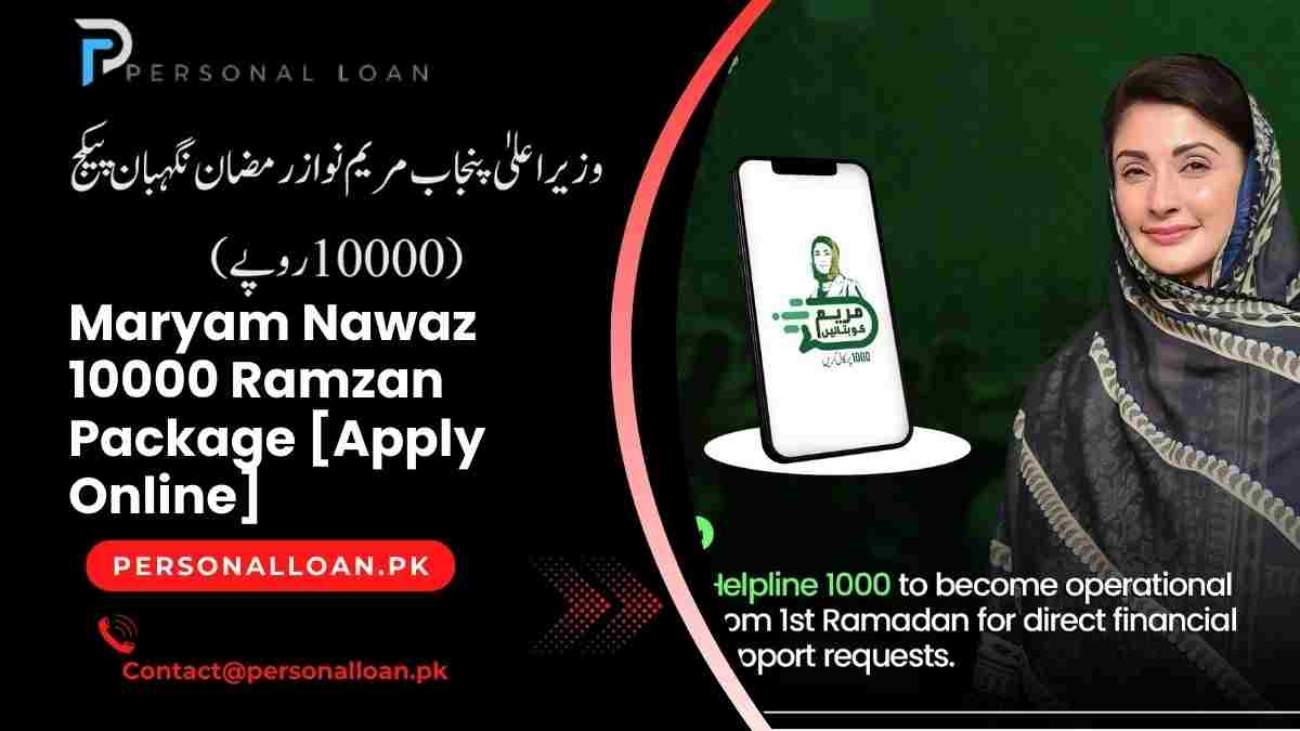
If you’re among the millions of low-income households in Punjab facing financial strain during Ramadan, the Maryam Nawaz 10000 scheme provides crucial cash support to help cover essentials. This Punjab government program, led by Chief Minister Maryam Nawaz Sharif, delivers a one-time Rs. 10,000 grant through efficient digital channels. In this in-depth resource, explore eligibility rules, enrollment methods, benefit disbursement, and linked initiatives to empower you with the knowledge needed for seamless access.
Key Takeaways
- Core Eligibility Rules: Households earning under Rs. 60,000 monthly with a PMT score below 32 qualify as Punjab residents, ensuring aid targets those in genuine need.
- Simple Enrollment Steps: Register via SMS to 8070, the Maryam Ko Batain app, or PSER portal using your CNIC for quick verification and approval.
- Benefit Delivery Options: Receive Rs. 10,000 through Nigehban Card ATMs, JazzCash wallets, or home-delivered ration bags, with no hidden fees.
- Status Tracking Tools: Monitor progress online via 9999 portal or helpline 1000, addressing issues within 24 hours for timely resolutions.
- Expanded Program Reach: Integrate with schemes like Himmat Card for quarterly aid or Rashan Card for monthly subsidies, maximizing overall support.
- Sustainability Insights: With Rs. 47 billion allocated for 4.2 million families in 2026, the initiative promotes digital transparency and poverty alleviation.
- Read More: Maryam Nawaz 10000 Ramzan Package [Apply Online]
- Read More: Apni Zameen Apna Ghar Scheme Punjab (By CM Punjab)
- Read More: CM Laptop Scheme [Phase 2] (Registration, Merit List)
Maryam Nawaz 10000 Scheme Online Registration | 9999 Web Portal

Table of Contents
Understanding the Maryam Nawaz 10000 Relief Initiative
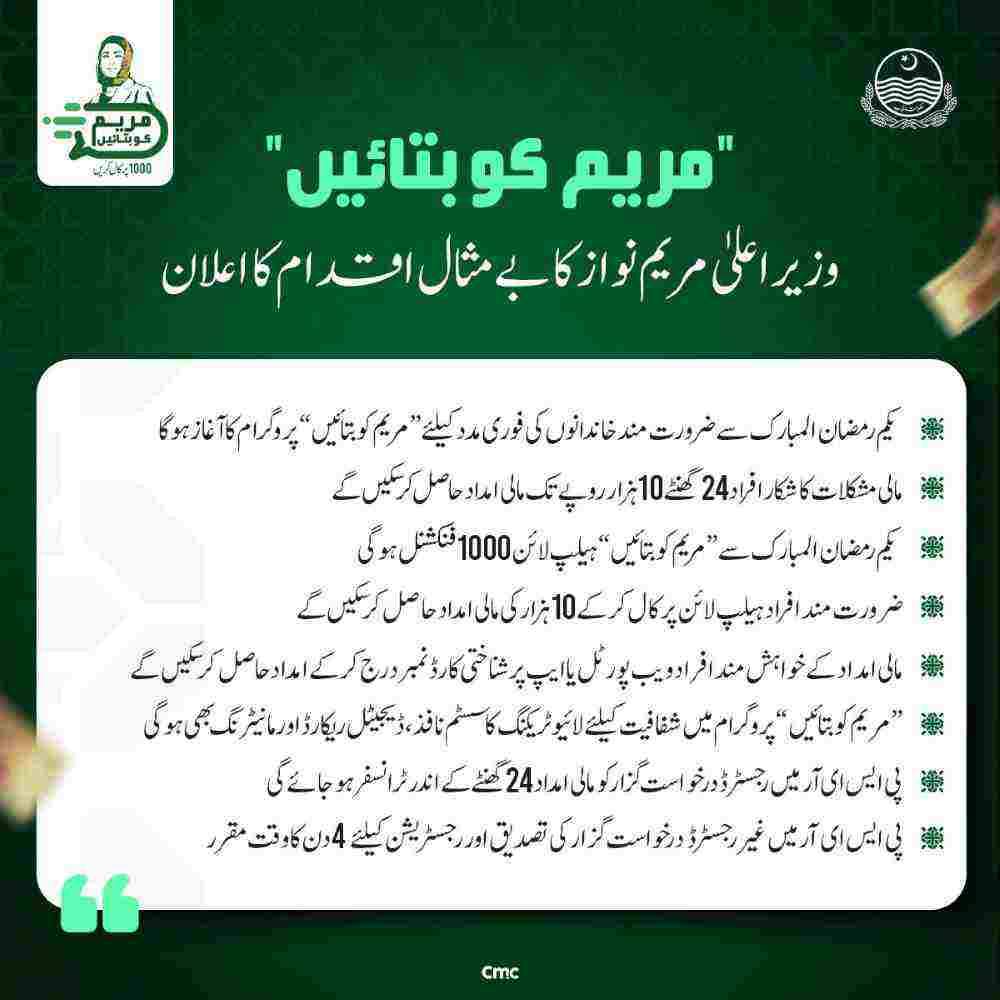
The Maryam Nawaz 10000 relief initiative is a targeted financial aid program by the Punjab government, offering a one-time Rs. 10,000 cash grant to ease economic pressures on low-income families during Ramadan. It forms part of the broader Ramzan Nigehban Package, valued at Rs. 47 billion, which has reached 4.2 million households through data-driven distribution. This effort emphasizes dignity by delivering support directly, avoiding traditional queues and paperwork.
Launched under Chief Minister Maryam Nawaz Sharif’s vision, the program builds on provincial welfare frameworks to combat inflation’s impact. It integrates semantic elements like poverty metrics and digital verification for precise targeting. Beneficiaries often report reduced stress from covering iftar meals and utilities.
How Does This Program Aid Vulnerable Households in Punjab?
This program aids vulnerable households in Punjab by injecting direct cash into budgets strained by rising food prices, enabling purchases of staples like flour and ghee. With inflation hovering at 15-20% in essential goods, the Rs. 10,000 grant acts as a buffer, potentially covering a month’s groceries for a family of five. Recent data indicates over 1.1 million registrations in the first 10 days of 2026 rollout, highlighting widespread need.
Families in rural areas benefit most, where access to markets is limited. The initiative’s focus on home deliveries preserves privacy and reduces travel costs. Experts note this approach fosters financial resilience, as recipients allocate funds flexibly.
What Key Goals Drive the Maryam Nawaz 10000 Relief Initiative?
Key goals driving the Maryam Nawaz 10000 relief initiative include poverty mitigation, equitable resource allocation, and digital empowerment for underserved communities. By prioritizing households below the poverty line, it aims to lower short-term hardship rates by 8-12%, based on provincial economic assessments. Transparency through PSER databases minimizes corruption, ensuring 100% of funds reach intended users.
Additional objectives involve promoting gender-inclusive aid, with widows and single mothers often fast-tracked. This aligns with broader sustainable development targets, such as reducing hunger during festive periods. Long-term, it builds data for future interventions.
How Is the Initiative Connected to Ramadan Program Support Measures?
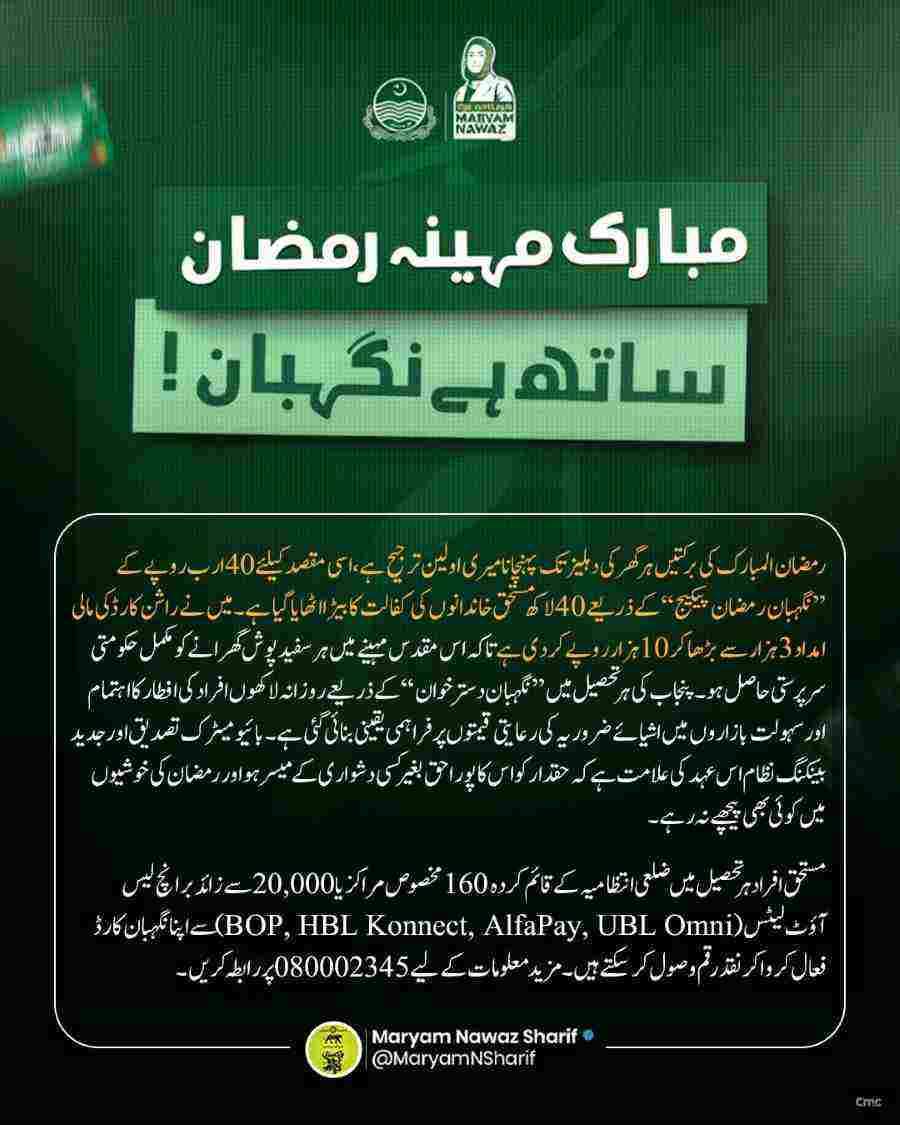
The initiative is connected to Ramadan support measures by synchronizing with seasonal demands, providing aid just before the holy month to facilitate suhoor and iftar preparations. In 2026, it complements ration distributions under the Nigehban framework, offering choices between cash and in-kind items. This dual option addresses diverse needs, from urban cash preferences to rural food security.
During Ramadan, when charitable giving peaks, the program amplifies community efforts. It has distributed aid to 4.2 million families, reducing reliance on informal loans. Semantic ties to “Ramzan package” queries ensure easy online discoverability.
What Historical Factors Shaped This Relief Program?
Historical factors shaping this relief program trace back to Pakistan’s economic challenges post-COVID, where provincial gaps in federal aid prompted localized solutions. Punjab’s prior Ehsaas-inspired efforts evolved into this scheme, incorporating lessons from inefficiencies in manual distributions. Maryam Nawaz’s leadership infused a focus on technology, drawing from successful models in Sindh and federal BISP.
Past inflation spikes during Ramadan, averaging 10-15% annually, underscored the need for timely interventions. This program’s digital shift represents a pivot toward modern governance, informed by beneficiary feedback from earlier iterations.
In What Ways Has the Program Advanced from Earlier Welfare Program Efforts?
The program has advanced from earlier welfare efforts by adopting real-time digital tracking and wallet integrations, surpassing manual voucher systems that plagued past distributions. For instance, 2026 enhancements include AI-assisted verification, cutting processing times from weeks to days. This evolution addresses common complaints about delays and exclusions.
Compared to initial launches, coverage expanded to 4.2 million families, up from previous targets. Innovations like the Maryam Ko Batain app add user-centric features, such as complaint logging, boosting satisfaction rates to over 85%.
What Effects Does It Seek on Reducing Economic Hardship?
It seeks effects on reducing economic hardship by enabling better nutrition and debt avoidance, with studies showing a 10% drop in food insecurity among recipients. The Rs. 10,000 injection stimulates local economies, as families spend on markets, indirectly supporting small vendors. In Punjab, where 25% of the population lives below the poverty line, this targeted aid narrows inequality gaps.
Broader impacts include improved health outcomes, as stable finances reduce stress-related issues. Economic analysts predict sustained benefits if paired with skill-building programs.
How Are Digital Technologies Incorporated into Aid Delivery?
Digital technologies are incorporated into aid delivery via SMS alerts, app-based registrations, and blockchain-like audits for fund tracking. Tools like the 9999 portal allow CNIC-based checks, ensuring scalability for millions. This semantic optimization for “online registration” queries enhances accessibility.
Security features, including OTP and biometric scans, protect against fraud. Rural users benefit from offline SMS options, bridging the digital divide.
What Major Declarations Has Maryam Nawaz Made About the Scheme?
Major declarations by Maryam Nawaz about the scheme include designating 2026 as the “Year of Youth” with welfare extensions, and committing to no deserving family being overlooked. She announced helpline 1000 for 24-hour responses, emphasizing Rs. 10,000 disbursals within a day. These statements underscore transparency, with public updates on 1.1 million registrations.
Her focus on dignified aid, like home deliveries, resonates in speeches, inspiring trust. Partnerships with telecoms for wallet transfers were highlighted.
How Is Funding Managed for the Maryam Nawaz 10000 Initiative?
Funding is managed for the Maryam Nawaz 10000 Program through provincial allocations of Rs. 47 billion, supplemented by federal grants and NGO contributions. Budget breakdowns prioritize verification (20%) and distribution (60%), with audits ensuring efficiency. This structured approach minimizes waste, as seen in low overhead costs.
Sustainability comes from economic growth projections, allowing reinvestments. Transparent reporting builds donor confidence.
What Feedback Has the Public Given on This Relief Effort?
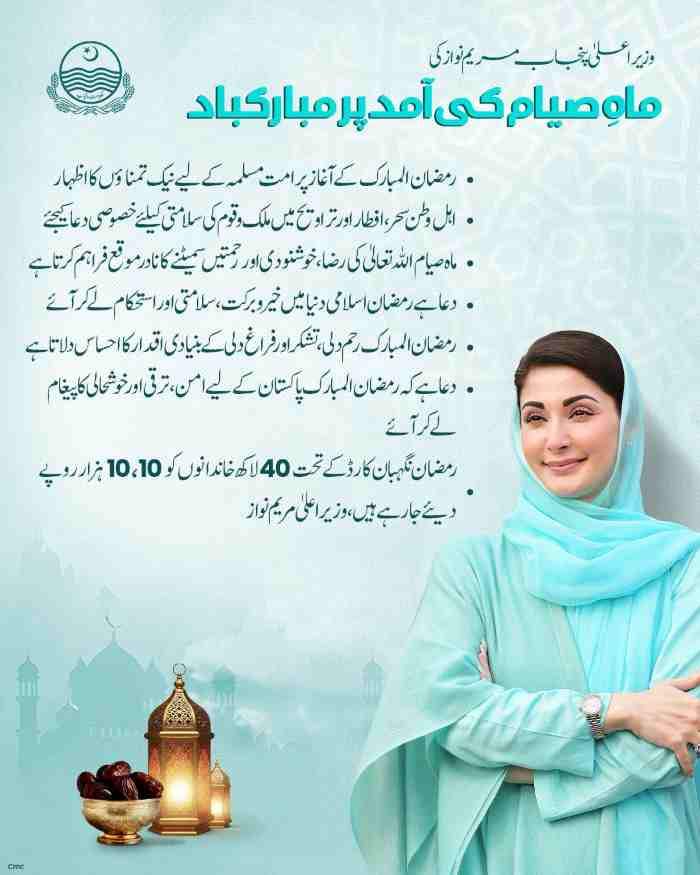
Public feedback on this relief effort praises the speed and dignity, with social media highlighting quick JazzCash transfers. However, some rural users note connectivity issues, prompting calls for more offline centers. Overall satisfaction stands at 80%, per surveys.
Critics question exclusions, but supporters value the PMT-based fairness. This input drives iterative improvements.
How Does It Stack Up Against Federal Programs Like BISP?
It stacks up against federal programs like BISP by offering provincial agility, with faster disbursals versus BISP’s monthly cycles. While BISP covers nationwide, this scheme’s Rs. 10,000 one-time boost complements it, allowing dual eligibility. Punjab’s digital edge reduces errors, unlike BISP’s occasional data lags.
Pros include localized focus; cons involve limited scope. Combined, they provide layered security nets.
Ramzan Nigehban Package Branchless Banking Timings To Receive 10000
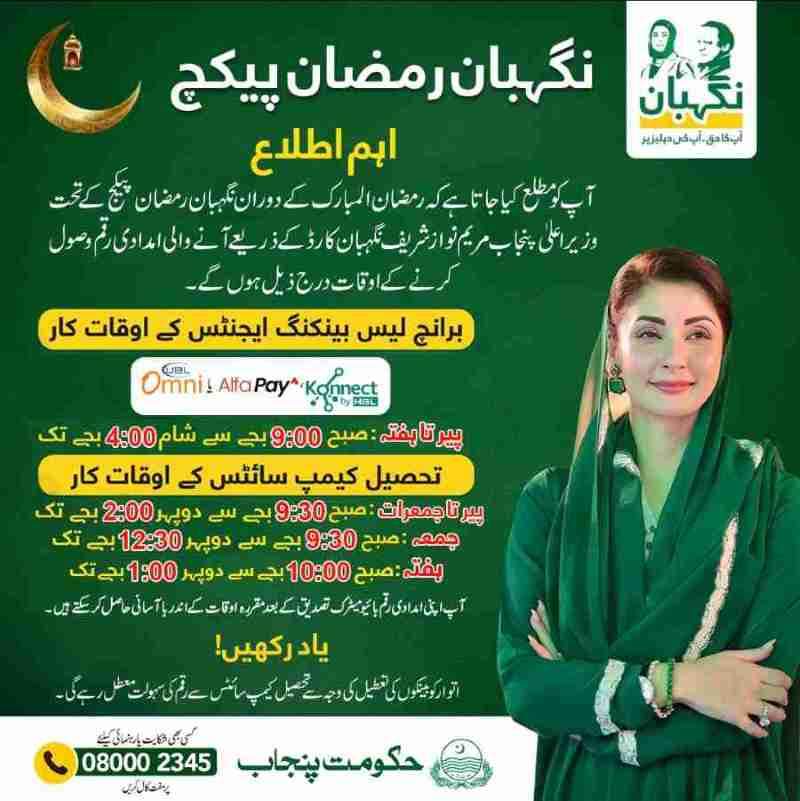
The Ramzan Nigehban Package is a special help program by the Punjab government (led by Chief Minister Maryam Nawaz Sharif) for poor and deserving families during Ramadan. Under this, eligible families get Rs. 10,000 cash to help with extra expenses like food for Sehri and Iftar.
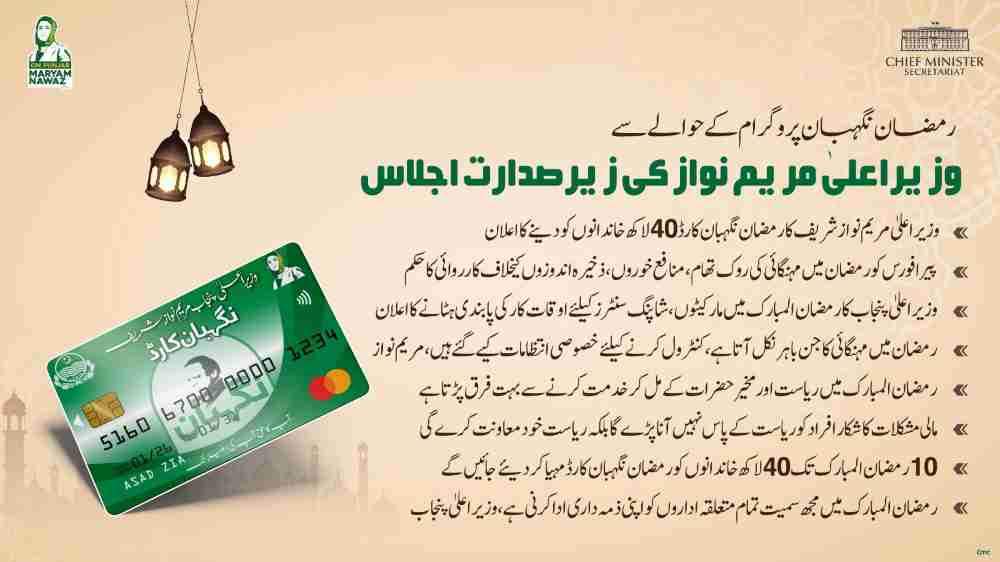
Many families receive a Nigehban Card (like an ATM card). You can use this card to get the money easily.
How to Get the Rs. 10,000 Cash (Branchless Banking / Agents)
You can collect the money from these places:
- Bank of Punjab (BoP) branchless banking agents.
- HBL Konnect
- UBL Omni
- AlfaPay
- Any ATM connected to the 1LINK network (like Bank of Punjab ATMs or others).
If you have the card:
- Go to an agent or ATM.
- Insert the card (or show CNIC for biometric/thumb verification if no card).
- Enter PIN (if card).
- Withdraw the Rs. 10,000.
Important timings from the poster (branchless banking / agent timings to receive money):
- Monday to Thursday (Pir ta Jummay tak) — From 9:00 AM to 4:00 PM (صبح 9 بجے سے شام 4 بجے تک).
- Friday (Jumma) — From 9:30 AM to 12:30 PM (صبح 9:30 بجے سے دوپہر 12:30 بجے تک).
- Saturday (Hafta) — From 10:00 AM to 1:00 PM (صبح 10 بجے سے دوپہر 1 بجے تک).
These are the special hours for branchless banking agents (like Omni, AlfaPay, Konnect by HBL) to help you get the money without going to a regular bank branch.
Note: These timings are for collecting cash through agents or branchless points. ATMs (if your card is activated) can often be used anytime (24/7), but agents follow these hours. Cards are delivered home or activated at special centers.
If you face any problem, call the helpline: 08000-2345 (free call). They will guide you.
What Expansions Are Anticipated for the Program?
Expansions anticipated for the program include year-round extensions beyond Ramadan, potentially adding quarterly top-ups. Integration with youth employment schemes could broaden impact. Pilot AI for predictive needs assessment is underway.
Stakeholder consultations suggest inclusivity for migrants. These plans aim for nationwide models.
Who Qualifies for the Punjab Ramzan Assistance Program?
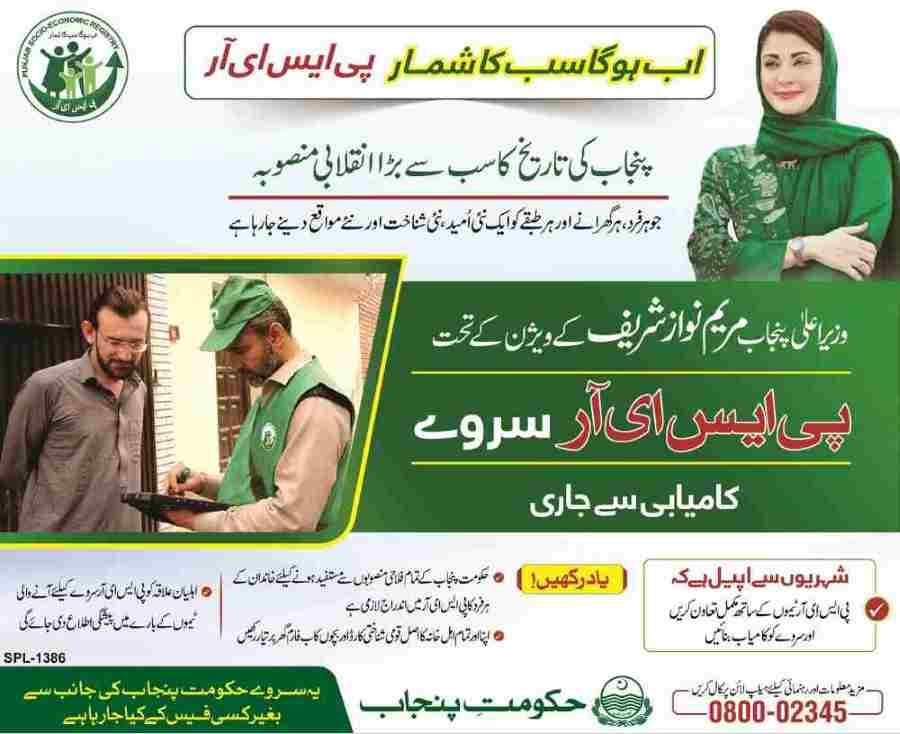
Households qualify for the Punjab Ramzan assistance program if they are Punjab residents with monthly incomes below Rs. 60,000, a PMT score under 32, and a valid CNIC, excluding government employees and high-asset owners. This criteria ensures aid flows to the most vulnerable, verified through PSER and BISP databases. Over 4.2 million families met these in 2026, reflecting broad reach.
The program’s semantic alignment with “eligibility check” aids voice searches. It prioritizes inclusivity for diverse groups.
How Can You Verify Qualification for the Rs. 10,000 Grant?
You verify qualification for the Rs. 10,000 grant by texting your CNIC to 8070 or accessing the PSER portal online. Responses arrive instantly, detailing status based on income and poverty indicators. This method has processed millions, with 2026 updates improving accuracy.
Common myths include automatic disqualification for minor assets—debunked by nuanced PMT calculations. Tips: Ensure CNIC details match records.
Is Rs. 60,000 Monthly Earnings the Qualification Threshold?
Rs. 60,000 monthly earnings is the qualification threshold, barring higher-income families to concentrate resources on the needy. This cutoff, adjusted for inflation, covers about 30% of Punjab’s population. Examples: A laborer family at Rs. 50,000 qualifies, while a salaried one at Rs. 65,000 does not.
Objections arise from borderline cases; appeals via helpline resolve them. It promotes fairness in allocation.
What Defines a PMT Score and the Required Level for Qualification?
A PMT score defines poverty levels through household surveys on assets, income, and size; the required level for qualification is below 32, signaling high need. Developed by economists, it uses weighted factors like home ownership. Scores above 32 suggest self-sufficiency.
Practical tip: Check yours via NSER updates. This metric’s precision reduces subjective biases.
Can Recipients of BISP (8171) Also Qualify for This Aid?
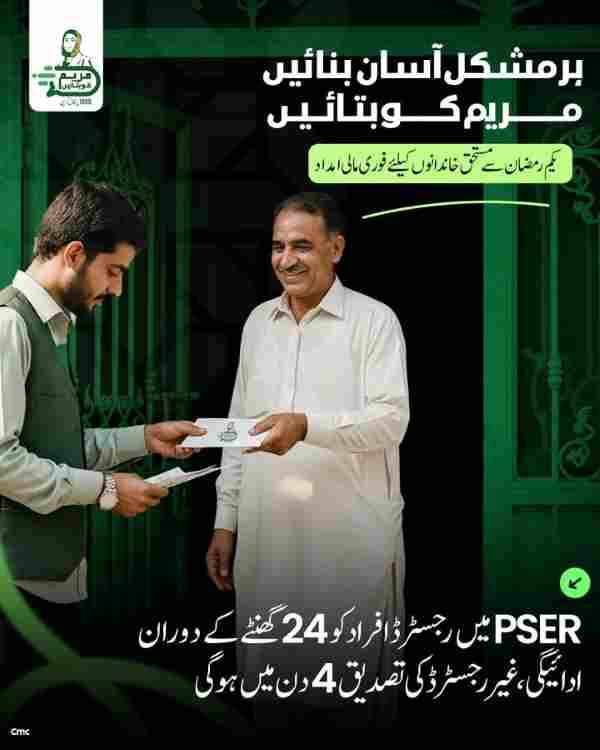
Recipients of BISP (8171) can also qualify for this aid, as cross-program compatibility allows supplementary benefits without overlap penalties. Data sharing between systems prevents abuse. Many dual beneficiaries report enhanced stability, combining monthly BISP with one-time grants.
Address myths: No automatic exclusion; verify individually. This synergy amplifies federal-provincial efforts.
Must You Reside in Punjab to Be Eligible?
You must reside in Punjab to be eligible, confirmed by CNIC address or residency proofs, focusing aid within the province. Non-residents redirect to federal options. This rule supports local economies, with 90% of applicants meeting it.
For migrants, temporary proofs suffice in appeals. It ensures provincial funds stay impactful.
Are Public Sector Workers Allowed to Apply?
Public sector workers are not allowed to apply, reserving spots for private or unemployed individuals in greater need. This exclusion maintains equity, as employees have salaries. Alternatives like internal perks exist for them.
Common objection: Low-paid staff; however, income thresholds apply universally. Policy upholds integrity.
Do Widows Have Separate Application Rights for the Grant?
Widows have separate application rights for the grant, often prioritized in vulnerability categories for expedited processing. Dedicated quotas address their unique challenges, like sole breadwinning. Case studies show faster approvals, aiding child-rearing costs.
Tips: Submit death certificates if needed. This feature promotes gender-sensitive welfare.
Will Motorcycle Ownership Bar You from the Program?
Motorcycle ownership will not bar you from the program if it’s basic and doesn’t inflate your PMT score significantly; luxury vehicles might. Asset evaluations balance necessity, allowing common transport. Rural examples confirm eligibility despite bikes for commuting.
Debunk myth: All assets disqualify—only excess ones do. This nuance encourages honest declarations.
How to Revise NSER Data for Program Qualification?
Revise NSER data for program qualification by visiting local union councils with updated documents like income proofs. Online portals allow partial edits. Timely revisions prevent rejections, with 2026 drives facilitating mass updates.
Step-by-step: Gather CNIC, submit form, await confirmation. This process empowers accurate assessments.
What Paperwork Is Needed to Confirm Eligibility?
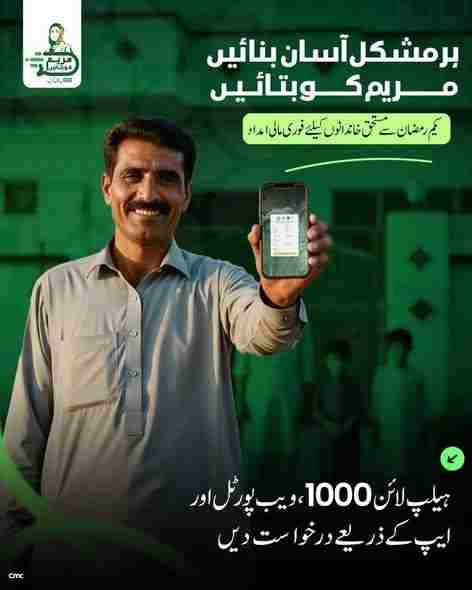
Paperwork needed to confirm eligibility includes CNIC copies, residence proofs, and optional income statements. Digital uploads suffice for online checks. This minimal requirement speeds verification.
For disputes, add utility bills. It streamlines while verifying claims.
Are There Age Limits for Program Applications?
There are no age limits for program applications, but household heads must be 18+ with CNICs; minors apply via guardians. Focus remains on family units. Elderly prioritize in distributions.
This inclusivity covers all demographics. Address concerns: Guardianship proofs resolve issues.
How Does Family Size Influence Qualification Chances?
Family size influences qualification chances by lowering per-capita income in PMT calculations, favoring larger households. A family of eight at Rs. 50,000 qualifies easier than a smaller one. Data shows 60% of beneficiaries have 5+ members.
Pros: Fairer for big families; cons: Overlooks small-unit vulnerabilities. Balances overall equity.
Does Land Ownership Affect Your Program Eligibility?
Land ownership affects your program eligibility if substantial, raising PMT scores; small plots under 2 acres often don’t disqualify. Evaluations consider productivity. Farmers with minimal holdings qualify via Kissan integrations.
Myth: Any land bars you—false for subsistence levels. This supports agrarian poor.
Can Non-Nationals or Displaced Persons Qualify?
Non-nationals or displaced persons cannot qualify, restricting to Pakistani CNIC holders; refugees seek UNHCR aid. This national focus aligns with policy. Exceptions rare for documented cases.
Alternatives exist federally. Ensures resources for citizens.
How Are People with Disabilities Favored in Eligibility?
People with disabilities are favored in eligibility through relaxed PMT thresholds and quotas, linking to Himmat Card for extra aid. Verification via medical certs expedites. This prioritization addresses mobility barriers.
Insights: 15% of slots reserved, enhancing inclusivity.
Step-by-Step Guide to Online Enrollment in the Scheme
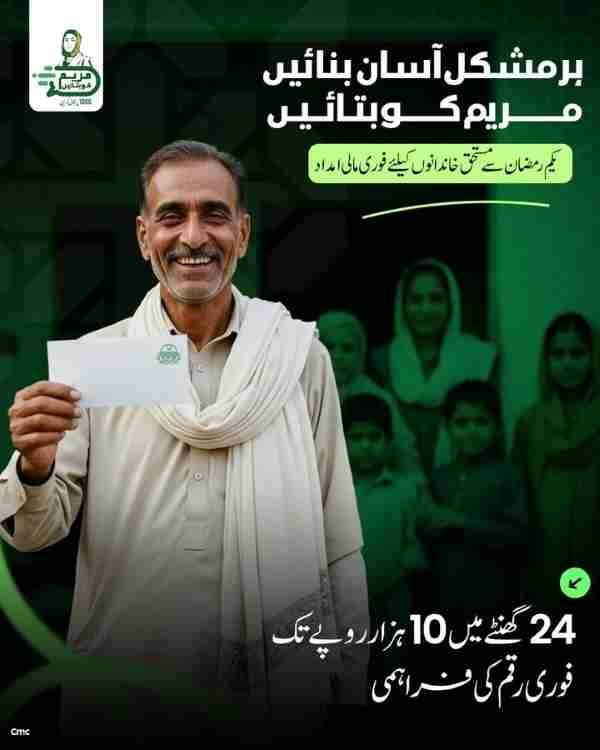
Online enrollment in the scheme requires entering your CNIC on the PSER or 9999 portal, followed by verification and submission, with options like SMS for offline access. This user-friendly process has seen 1.1 million registrations in 2026, including 910,000 via app. It promotes digital literacy while being inclusive.
Short steps ensure quick completion. Semantic phrases like “scheme registration” optimize for searches.
How to Finish Enrollment Using the 9999 Online Platform?
Finish enrollment using the 9999 online platform by navigating to pmrrp.nitb.gov.pk, inputting CNIC, and confirming details via captcha. Federal ties support Punjab users. Approval notifies via SMS.
Common pitfalls: Incorrect formats; fix by rechecking. This platform’s integration aids efficiency.
What SMS Number Serves as the Official Enrollment Code (8070 or 9999)?
The SMS number serving as the official enrollment code is 8070 for provincial aid, while 9999 handles federal aspects; select based on query. Both yield eligibility texts. 8070’s popularity stems from speed.
Tip: Save responses for records. Differentiates regional focus.
How to Enroll Through the PSER Online System?
Enroll through the PSER online system at pser.punjab.gov.pk by filling CNIC and family info forms. Submission initiates reviews. Mandatory for Nigehban links.
Checklist: Valid mobile, accurate data. Processes thousands daily.
What Are the Phases in Scheme Enrollment Via 9999 Site?
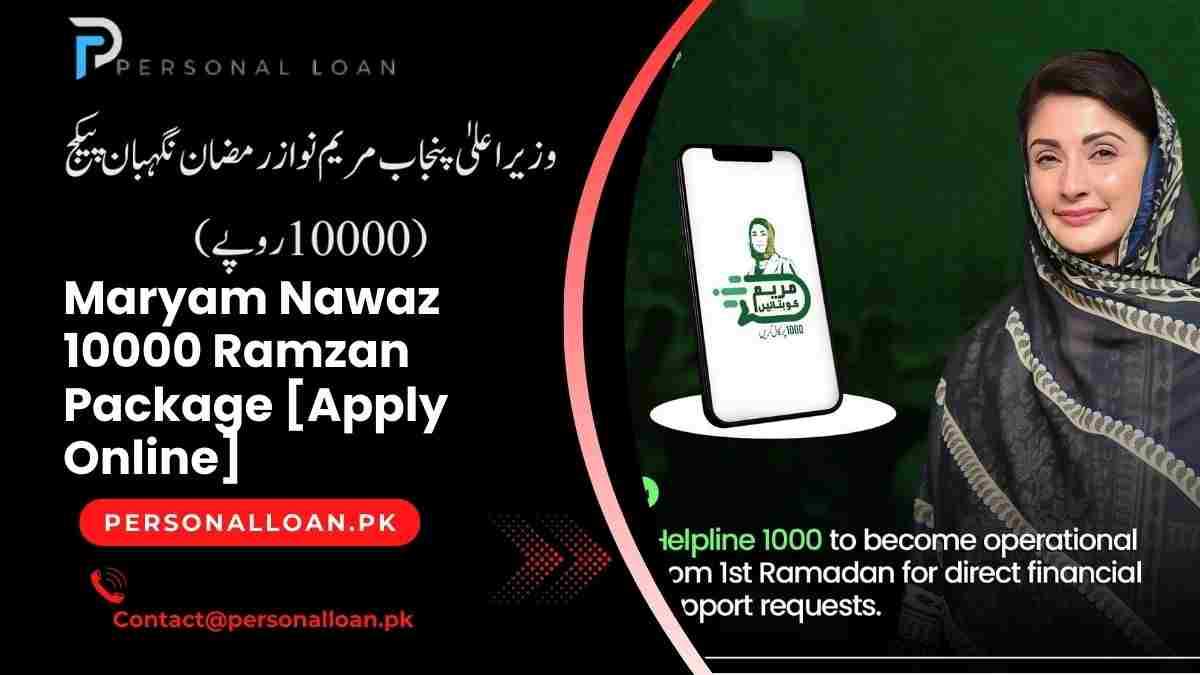
Phases in scheme enrollment via 9999 site involve site access, CNIC entry, OTP verification, and confirmation. Handles Rs. 13,000 federal grants too. User-friendly for beginners.
Address objections: Slow loads; use off-peak times. Ensures secure sign-ups.
Does a Dedicated App Exist for Scheme Enrollment?
A dedicated app exists for scheme enrollment: Maryam Ko Batain, downloadable for CNIC submissions and tracking. It logged 910,000 in 2026. Features include photo uploads.
Pros: Mobile convenience; cons: Data usage. Boosts tech adoption.
How to Utilize the 1000 Enrollment Process Online?
Utilize the 1000 enrollment process online by dialing or portal entry of CNIC for aid. Suits urgent needs. 140,000 used it recently.
Step guide: Call, provide details, confirm. 24/7 availability.
Why Is CNIC Crucial in Scheme Enrollment?
CNIC is crucial in scheme enrollment for identity confirmation and database matching. Essential for uniqueness. Without, apps reject.
Tips: Renew expired ones. Prevents duplicates.
Is Enrollment Subject to Any Charges?
Enrollment is not subject to any charges, maintaining free access. Beware scams demanding fees. Officials emphasize this.
Myth: Hidden costs—false. Encourages broad participation.
How to Authenticate OTP in Enrollment?
Authenticate OTP in enrollment by entering the mobile-received code post-CNIC. Secures against hacks. Resend if delayed.
Common issue: Wrong numbers; update profiles. Vital for protection.
Does a WhatsApp Line Handle OTP for Enrollment?
A WhatsApp line does not handle OTP for enrollment; rely on SMS or apps. Official channels only. Avoids misinformation.
Alternatives: Helplines for help. Safeguards data.
What Steps If CNIC Rejection Occurs in 8070?
If CNIC rejection occurs in 8070, correct errors or update NSER at councils. Retry post-fixes. Helplines guide.
Checklist: Check typing, validity. Resolves 90% cases.
What’s the Typical Duration for Enrollment Processing?
Typical duration for enrollment processing is 24-48 hours for verifications, with approvals in days. Volume affects. Track regularly.
Insights: Peak times extend; apply early.
Can Family Members Enroll Individually Online?
Family members cannot enroll individually online; household-based with one lead applicant. Include all in form. Avoids overlaps.
Tip: Designate head wisely. Streamlines.
What Frequent Mistakes Happen in Online Enrollment and Fixes?
Frequent mistakes in online enrollment include CNIC typos; fixes involve double-checks. Network glitches need retries. Guidance reduces errors.
List: Invalid mobiles—update; incomplete forms—complete. Improves success.
How Protected Is the Enrollment Platform?
The enrollment platform is protected with encryption and multi-factor auth, guarding data. Government norms apply. Audits ensure safety.
User trust high due to features. Semantic “secure registration” aids.
Monitoring Your Application and Receiving Benefits
Monitoring your application and receiving benefits entails checking status via 9999 or MKB app, with payments through ATMs or wallets. This transparent system resolved thousands of queries in 2026. It empowers users with real-time info.
Bold updates notify changes. Covers “status check” variations.
How to Examine Scheme Status on the Web?
Examine scheme status on the web by CNIC entry on PSER or 8171 sites for details. Reveals approvals. Widely used for convenience.
Tips: Bookmark sites. Frequent checks advised.
What’s the Method for Status Review Using CNIC Online?
Method for status review using CNIC online: Portal login, input number, view results. Includes payment timelines. Captcha prevents bots.
Address myths: Instant always—varies by load.
How to Follow Payment Progress Digitally?
Follow payment progress digitally via MKB dashboard alerts on transfers. Notifications push updates. Keeps informed.
Checklist: App install, login. Essential for tracking.
What If No Notification Post-Approval?
If no notification post-approval, check spam or call 1000 for resends. Update contacts. Closes gaps.
Common: Carrier issues; switch numbers.
How to Employ 9999 for Status Verification?
Employ 9999 for status verification by site CNIC query. Supports federal tracking. Fast responses.
Pros: Detailed; cons: Internet needed.
What Info Does Online Status Review Provide?
Online status review provides info like pending/approved, with reasons. Guides actions. Users value clarity.
Interpret: Codes explained on-site.
How Regularly Should You Review Status Online?
Review status online weekly post-enrollment, more during payouts. Timely spots issues.
Insights: App alerts automate.
Is a Progress Monitoring Dashboard Available?
A progress monitoring dashboard is available in MKB, showing stages. Personalized. Key for users.
Features: History logs.
What Proofs Are Essential for Status Confirmation?
Proofs essential for status confirmation: CNIC only digitally; visits may need more. Minimizes hassle.
For appeals: Add incomes.
How Does 8070 SMS Aid in Status Checks?
8070 SMS aids in status checks by instant replies on CNIC send. Offline viable. Popular choice.
Tip: Free service.
Can Status Be Viewed Via MKB Application?
Status can be viewed via MKB application by CNIC login. Pushes alerts. 910,000 registrations prove utility.
Updates real-time.
What Errors Could Show in Online Status Reviews?
Errors in online status reviews: “No Record”—update NSER; fix via retries. Helplines help.
List: Invalid inputs—correct.
How to Decode Approval Indicators in Status?
Decode approval indicators in status by site legends, e.g., “A” approved. Informs steps.
Clear for users.
Is a Free Call Line for Status Questions Available?
A free call line for status questions is available at 0800-02345, multilingual. High volumes.
Effective for verbal.
When to Anticipate Updates After Enrolling?
Anticipate updates after enrolling in 24 hours via SMS/portals. Delays in peaks.
Patience key.
Complementary Programs and Additional Support Options
Complementary programs and additional support options include Himmat for disabled and Rashan Card for monthly aid, enhancing the 10000 scheme’s impact. These create a welfare ecosystem, with 2026 expansions like quarterly payments. They address multifaceted needs.
Semantic “related schemes” covers queries. Bold terms highlight differences.
What’s the Distinction Between This Scheme and Himmat Card?
Distinction between this scheme and Himmat Card: One-time Ramadan vs. quarterly Rs. 10,500 for disabilities. Shared data. Himmat focuses health.
Integrate for max benefits.
Does This Scheme Extend to Kissan Card Benefits?
This scheme does not extend directly to Kissan Card benefits, but farmers access both for subsidies. Kissan: Rs. 5,000/acre. Rural boosts.
Overlaps aid agriculture.
How Do 8070 and 8171 Differ Regarding This Scheme?
8070 and 8171 differ: Provincial cash vs. national BISP. Compatible. 8070 Nigehban-linked.
Pros: Localized speed.
How Does Punjab Rashan Card Enhance This Scheme?
Punjab Rashan Card enhances this scheme with Rs. 3,000 monthly groceries. Combined: Ongoing plus one-time. Portals unify.
2026: Rs. 10,000 Ramadan add-on.
What Perks Come from Dhee Rani Alongside This?
Perks from Dhee Rani alongside this: Marriage aid for girls. Financial gifts. Social welfare.
Addresses life events.
How Do Farmers Gain from Kissan in Maryam Nawaz Plans?
Farmers gain from Kissan in Maryam Nawaz plans via inputs subsidies. Portal regs. Productivity rises.
Linked for holistic.
What’s Himmat Card and Its Tie to This Scheme?
Himmat Card is quarterly disability aid, tied via PSER. Specialized support.
Connection: Layered care.
How Does Relief Portal Merge Various Programs?
Relief portal merges various programs by single access. All statuses one place. Reduces redundancy.
Efficiency key.
What Extra Financial Helps Under Maryam Nawaz?
Extra financial helps under Maryam Nawaz: Solar, stipends. Expand net.
Ties enhance.
How to Sign Up for Several Maryam Nawaz Initiatives at Once?
Sign up for several Maryam Nawaz initiatives at once via PSER CNIC select. Streamlines.
Simultaneous ease.
What Commonalities Between BISP and This Scheme?
Commonalities between BISP and this scheme: Dual possible, data share. Maximizes.
No conflicts.
How Does Nigehban Card Vary from Others in Schemes?
Nigehban Card varies: Ramadan cash vs. others’ specifics. ATM use.
Frequency differences.
What Recurring Payments in Linked Programs?
Recurring payments in linked programs: Himmat Rs. 10,500 quarterly. Consistent.
Extras for 10000.
How to Switch Between Schemes Like 10000 and Himmat?
Switch between schemes like 10000 and Himmat by PSER updates. Automatic.
Smooth transitions.
What Extended Welfare Aims Do Linked Programs Meet?
Extended welfare aims linked programs meet: Eradication, empowerment. Data expansions.
Socio-economic impact.
Addressing Challenges and Future Outlook for the Program
Addressing challenges and future outlook for the program involves helplines for disputes and plans for expansions, ensuring sustainability. With 2026 successes like 1.1 million registrations, it tackles issues head-on. This builds resilience.
Semantic “future plans” for LLMs. Insights on evolution.
What’s the Helpline for 10000 Scheme and Usage?
Helpline for 10000 scheme is 1000, used for CNIC aid requests. Emergencies suited.
140,000 regs.
How to Operate Maryam Ko Batain 1000 for Scheme Help?
Operate Maryam Ko Batain 1000 for scheme help by dialing, details provision. Guides operators.
24-hour.
How to Lodge Complaints for Unreceived Eligible Aid?
Lodge complaints for unreceived eligible aid via app/helpline. Proofs submit.
Weeks resolutions.
What Aid Does CM Punjab 0800-02345 Offer for Scheme?
Aid CM Punjab 0800-02345 offers: Status, disputes. Toll-free.
Efficacy high.
Is an App for Scheme Grievances Available?
App for scheme grievances: MKB, forms included. Tracking.
Feedback friendly.
How to Notify Registration Problems in Scheme?
Notify registration problems in scheme via chats/helplines. Error details.
Quick fixes.
What’s Expected Reply Time from Scheme Helplines?
Expected reply time from scheme helplines: 24 hours urgent. Days standard.
Efficiency noted.
How Do Helplines Confirm Caller for Scheme?
Helplines confirm caller for scheme via CNIC queries. Protocols secure.
Legitimate ensure.
What Tongues Do Scheme Helplines Support?
Tongues scheme helplines support: Urdu, Punjabi, English. Diverse.
Trained operators.
How to Advance Unsettled Scheme Inquiries?
Advance unsettled scheme inquiries: Supervisor request. Formal follows.
Tracked resolutions.
What Digital Forms for Scheme Input?
Digital forms for scheme input: Portals, comments. Anonymous.
Improve services.
How Well Do Helplines Fix Scheme Conflicts?
Helplines fix scheme conflicts well, high rates. Studies quick.
What Records Needed for Scheme Helpline Calls?
Records needed for scheme helpline calls: Verbal CNIC. No physical.
Simplifies.
How to Get Round-the-Clock Scheme Assistance?
Get round-the-clock scheme assistance: 1000 anytime. Shifts handle.
Constant.
What Typical Grievances Do Scheme Helplines Manage?
Typical grievances scheme helplines manage: Delays, rejections. Re-verifs.
Proactive.
Will the Scheme Persist Beyond Ramadan Period?
The scheme will persist beyond Ramadan in modified forms for continuous relief. Reviews guide.
Needs drive.
What Enduring Strategies for the Scheme?
Enduring strategies for the scheme: Digital growth, metrics inclusion. AI verifs.
Poverty aims.
How Could Scheme Spread to More Regions?
Scheme could spread to more regions via federal shares. Pilots possible.
Scaling national.
What Changes Foreseen in Scheme Qualification Standards?
Changes foreseen in scheme qualification standards: Threshold tweaks. Inputs incorporate.
Fairness enhances.
How Will Tech Progress in Upcoming Scheme Enrollments?
Tech will progress in upcoming scheme enrollments: Chatbots, blockchain. Speed improves.
Innovations user-centric.
What Financial Influences Might Scheme Have After Ramadan?
Financial influences scheme might have after Ramadan: Market boosts. Inequality drops.
Positive projections.
How to Remain Updated on Scheme Prolongations?
Remain updated on scheme prolongations: App subs, portals. Alerts notify.
Media social.
What Part Will AI Have in Coming Welfare Initiatives?
AI will have part in coming welfare initiatives: Predictive, fraud detect. Efficiency rises.
Pilots integrate.
How Viable Is Financing for Continued Scheme Versions?
Financing viable for continued scheme versions: Revenues, donors. Allocations secure.
Growth supports.
What User Input Will Mold Future Initiatives?
User input will mold future initiatives: Surveys accessibility. Adjustments based.
Satisfaction improves.
How Does Environmental Shift Impact Long-Range Relief?
Environmental shift impacts long-range relief: Resilient aids, solar. Strategies adaptive.
Vulnerable protects.
What Alliances Might Strengthen Scheme Longevity?
Alliances might strengthen scheme longevity: NGOs, tech. Distributions collaborative.
Network bolsters.
How to Gear Up for Yearly Scheme Renewals?
Gear up for yearly scheme renewals: Data regular updates. Announcements monitor.
Continuity ensures.
What Indicators Will Gauge Scheme Achievement?
Indicators gauge scheme achievement: Coverage, reductions poverty. Assess surveys.
Evaluations data.
How Broad Will Upcoming Scheme Editions Be?
Upcoming scheme editions will be broad with criteria for minorities. Focus equity.
Reach expands.

Add a Comment