
Pakistan’s agricultural sector relies heavily on a steady supply of high-quality fertilizers to feed its growing population and sustain rural livelihoods. Yet, many farmers struggle to identify which manufacturers offer the most reliable products, best prices, and strongest distribution networks. This comprehensive guide ranks the top 10 fertilizer companies in Pakistan based on hard data—market capitalisation, urea and DAP output, stock exchange performance, and dealer presence across Punjab and Sindh.
What you will learn from this guide:
- Which company holds nearly 60% of the urea market and why it matters for your farm
- How gas pricing and energy efficiency separate market leaders from followers
- The only domestic DAP producer and why Pakistan still imports half its requirement
- Financial metrics that matter for investors tracking PSX-listed fertilizer stocks
- Future projects like coal-to-fertiliser that could reshape the industry
Key Takeaways
- Market Dominance of FFC: Fauji Fertilizer Company controls the largest share of both urea and DAP markets after merging with FFBL, making it the undisputed number one.
- Energy Efficiency Wins: Engro’s EnVen plant consumes the least natural gas per ton of urea, giving it a cost advantage during price spikes.
- Sarsabz Brand Growth: Fatima Fertilizer ranks third, leading in CAN and NP segments with strong farmer loyalty.
- Import Reliance Remains: Despite local production, Pakistan imports nearly half its DAP needs, creating opportunities for multinational suppliers.
- Gas Policy Shifts: Proposed uniform gas tariffs and direct farmer subsidies will alter competitive dynamics among producers.
- Thar Coal Project: A major coal-to-fertiliser initiative could reduce dependency on imported gas and stabilise future production.
- Read More: Top 10 Pesticides Companies In Pakistan – (No. 1 To 10)
- Read More: Single Super Phosphate (SSP) – 50 Kg Price In Pakistan
- Read More: DAP Price In Pakistan (DAP 50KG) – FFC, Sona, Engro DAP
- Read More: Canola Seed Price in Pakistan (2kg, 5kg, 40kg) – All Variants
Top 10 Fertilizer Companies in Pakistan – (No. 1 to 10)
Table of Contents
What Defines a Top Fertilizer Company in Pakistan? The Real Ranking Criteria
A top fertilizer company in Pakistan is not simply one with a famous brand name. The most objective ranking relies on four measurable pillars: annual production volume (especially urea and DAP), market capitalisation on the Pakistan Stock Exchange, nationwide distribution reach, and gas supply security. These factors determine which companies consistently deliver profits, pay dividends, and keep farmers supplied during peak seasons.
Production capacity matters most because Pakistan consumes roughly 7 million tons of urea annually. Companies that operate multiple large-scale plants—like FFC with four facilities—can weather maintenance shutdowns or gas curtailments better than single-plant operators. Market capitalisation reflects investor confidence; FFC has held the top PSX position for 13 straight years, signalling stable governance and profitability.
Distribution networks determine how quickly fertilizer reaches remote villages. FFC’s marketing group moves nearly 3.5 million metric tonnes per year through thousands of dealers, especially in Punjab’s agricultural belt. Gas supply security has become increasingly critical, as seen when Agritech Limited temporarily halted production due to RLNG disruptions. Companies with long-term gas contracts or alternative feedstocks (like coal) gain a decisive edge.
Additional ranking considerations include product diversification (NPK, SOP, micronutrients), export capabilities, and government subsidy alignment. The listed fertiliser sector posted a net profit of Rs141.1 billion in calendar year 2025, a 10% increase from the prior year, demonstrating strong underlying fundamentals despite global challenges.
Fauji Fertilizer Company (FFC): The Market Leader Among Fertilizer Companies in Pakistan
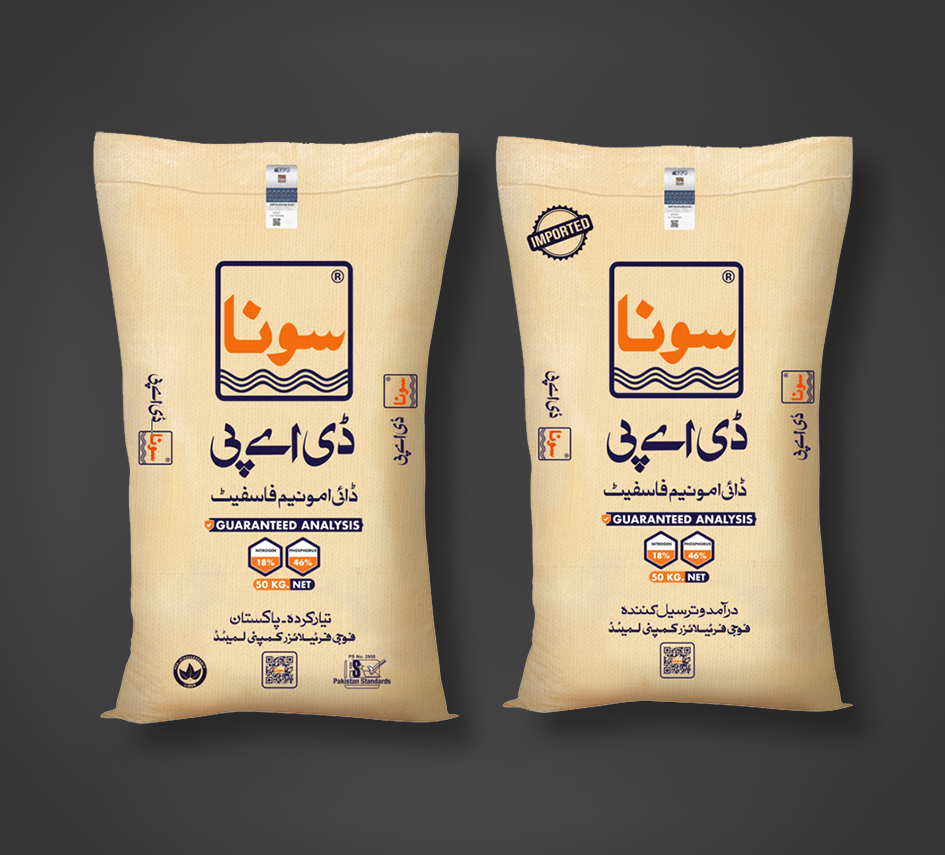
Fauji Fertilizer Company stands as the largest fertilizer producer in Pakistan, commanding approximately 43–49% of the national urea market and 63–69% of the DAP market following its merger with FFBL. This dominance translates into real advantages for farmers: consistent product availability, competitive pricing, and a vast dealer network that reaches even remote villages.
Who Actually Owns Fauji Fertilizer Company?
The Fauji Foundation, a charitable trust owned by the Pakistani military, holds the majority stake in FFC—over 44% after recent acquisitions. The company was originally incorporated in 1978 as a joint venture with a Danish engineering firm, but today the foundation exercises effective control. This ownership structure provides FFC with political stability and long-term planning horizons that private competitors cannot easily match.
How Many Production Plants Does FFC Operate?
FFC runs four major manufacturing units. Two plants at Goth Machhi in Rahim Yar Khan form the historic core. A third facility at Mirpur Mathelo in Ghotki district adds further urea capacity. The fourth plant, located at Port Qasim, came through the FFBL merger and specialises in DAP production. Each facility operates under strict safety and environmental standards, with regular maintenance shutdowns scheduled to avoid disrupting peak sowing seasons.
Comparing FFC Sona Urea to Engro Urea: What Farmers Should Know
FFC markets its flagship urea under the “Sona” brand. As of April 2026, a 50kg bag of Sona Urea retails at approximately PKR 4,286, while Engro Urea sells for PKR 4,436. The price difference reflects brand positioning rather than quality differences. Farmers often report that Engro granules are harder and less prone to caking, making them easier to broadcast. Sona Urea, however, enjoys wider availability in southern Punjab and parts of Sindh.
Which Fertilizer Company Holds the Highest Market Share in Pakistan?
FFC holds the highest market share by a wide margin. In the first quarter of calendar year 2026, the company captured a remarkable 58% share of urea off-take, driven by a 51% year-over-year surge in sales. This performance came despite global supply chain disruptions and rising gas prices, underscoring FFC’s operational resilience.
Is FFC Larger Than Engro Fertilizers?
Yes, FFC is substantially larger than Engro Fertilizers across every major metric. FFC’s market capitalisation leads the sector at roughly PKR 640 billion, while Engro crossed the $1 billion threshold. Following the FFBL merger, FFC’s consolidated turnover reached approximately PKR 374 billion in calendar year 2024. For investors, this scale translates into higher dividend payouts and lower volatility.
What Products Does FFC Offer Beyond Urea and DAP?
FFC has expanded beyond traditional nitrogen and phosphate products. The company now manufactures Sulphate of Potash (SOP) for potassium-deficient soils, Boron and Zinc fertilizers for micronutrient management, and Muriate of Potash (MOP). Through its subsidiary FFC Energy Limited, the company also produces industrial chemicals and generates power, diversifying revenue streams and reducing reliance on fertilizer margins alone.
Engro Fertilizers Limited: Innovation Leader in Pakistan’s Top Fertilizer Ranking
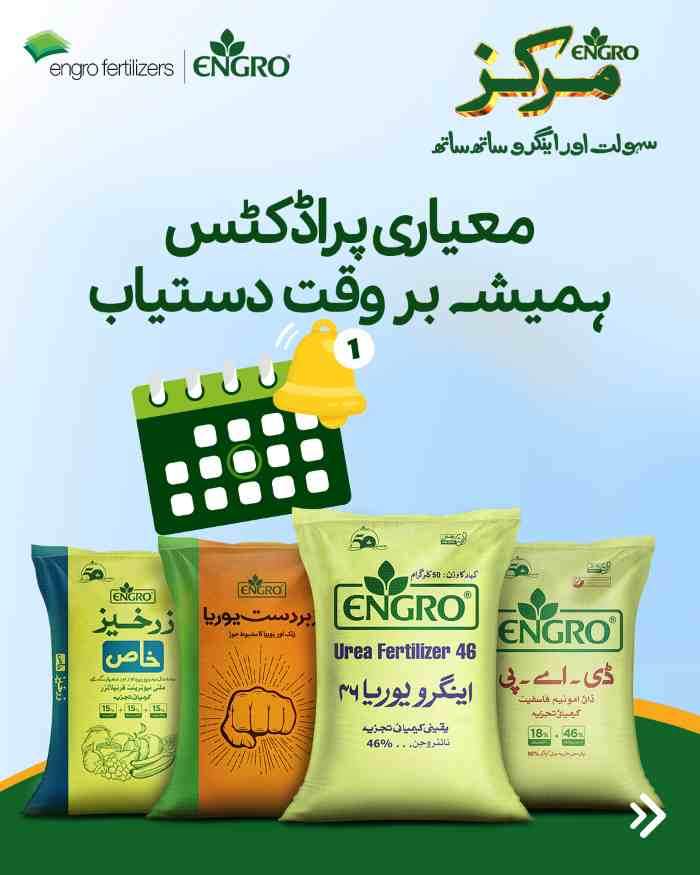
Engro Fertilizers Limited (PSX ticker: EFERT) ranks as Pakistan’s second-largest fertilizer manufacturer, holding approximately 31–35% of the national urea market. The company differentiates itself through technological innovation, energy efficiency, and a strong export orientation.
Who Leads Engro Fertilizers as CEO?
In March 2026, Engro Fertilizers announced the resignation of Chief Executive Officer Ali Rathore. He remains in the role during a transition period to ensure smooth leadership handover. Rathore joined Engro Corporation in 2022 and served as Chief Financial Officer of the fertilizer division before assuming the top position. His departure marks a significant leadership change, though the company’s strategic direction is expected to remain stable.
Where Is Engro’s Main Manufacturing Plant Located?
Engro’s primary production complex sits in Daharki, Sindh, along the Indus Highway. The EnVen plant, commissioned in 2011 with a $1.1 billion investment, produces 1.3 million tons of urea annually. It holds the distinction of being Pakistan’s most energy-efficient fertilizer facility, consuming the least natural gas per ton of output. This efficiency becomes a powerful competitive advantage when gas prices rise or supplies tighten.
Which Company Makes the “Zarkhez” Brand of Potash Fertilizer?
Engro Fertilizers produces the Zarkhez line of potash fertilizers, including Zarkhez Plus (SOP), Zarkhez Khaas, and MOP variants. These products address potassium deficiencies that limit crop yields, especially in cotton-growing regions. Zarkhez Plus has gained popularity among progressive farmers who understand the importance of balanced nutrition beyond nitrogen and phosphorus.
Read More: Pumpkin Seed Price In Pakistan (Per Kg) – Uses & Benefits
Who Are Engro’s Main Competitors in the Pakistani Market?
Engro competes head-to-head with FFC in the urea segment and with Fatima Fertilizer in specialty products like CAN and NP. In the NPK space, Engro also faces competition from imported brands and IFFCO Pakistan. The rivalry is most intense in Punjab, where all major players operate extensive dealer networks and offer seasonal discounts.
How Does Engro Approach Fertilizer Exports?
Engro has become Pakistan’s leading fertilizer exporter, leveraging its efficient production to compete in regional markets. The company has contributed over 5 million tons of urea to the local economy in recent years while also shipping product to Afghanistan, Sri Lanka, and East African countries. Exports remain secondary to domestic supply, but they provide a valuable outlet when local demand softens.
Fatima Fertilizer Company: The Sarsabz Brand Power in Pakistan’s Top 10
Fatima Fertilizer Company Limited ranks third among Pakistani fertilizer producers, specialising in Urea, Calcium Ammonium Nitrate (CAN), and Nitro Phosphate (NP) under the widely recognised “Sarsabz” brand. The company has built strong farmer loyalty through consistent quality and innovative farmer support programmes.
Who Makes Sarsabz Fertilizer?
Fatima Fertilizer exclusively produces all Sarsabz-branded products. The portfolio includes Sarsabz Urea, Sarsabz CAN, Sarsabz NP, and Sarsabz NPK. The brand name, meaning “evergreen” in Urdu, resonates with farmers seeking reliable crop nutrition.
Where Are Fatima Fertilizer’s Production Facilities?
Fatima operates two fully integrated production sites. The Sheikhupura plant serves Punjab’s central districts, while the Sadiqabad facility covers southern Punjab and northern Sindh. The Sadiqabad complex has annual capacities of 500,000 MT for urea, 420,000 MT for CAN, and 360,000 MT for NP. Both plants produce intermediate chemicals like Ammonia and Nitric Acid on-site, reducing external dependencies.
Where Does Fatima Fertilizer Rank Among Top Producers?
Fatima consistently holds the third position by production volume and market share. As of early 2026, the company maintained the highest urea inventory levels among all producers, indicating strong production continuity and warehouse management. This inventory cushion helps stabilise prices during seasonal demand spikes.
What Is the Sarsabz Tabeer Women Empowerment Initiative?
Launched in 2022, Sarsabz Tabeer aims to integrate rural women into Pakistan’s agricultural narrative. In March 2026, Fatima launched the “Sarsabz Tabeer: Seeds of Change” campaign, honouring the millions of women who work in fields without formal recognition. The programme provides training, resources, and advocacy for female farmers, differentiating Fatima from purely product-focused competitors.
Which Company Produces CAN Fertilizer in Pakistan?
Fatima Fertilizer and Pak-Arab Fertilizers are the two primary domestic producers of Calcium Ammonium Nitrate (CAN). CAN offers slow-release nitrogen, making it ideal for wheat and vegetable cultivation. Farmers often choose Sarsabz CAN when they need to avoid the rapid leaching associated with standard urea.
Fauji Fertilizer Bin Qasim (FFBL): The Sole DAP Producer in Pakistan
Fauji Fertilizer Bin Qasim Limited holds a unique position as the only domestic manufacturer of Di-Ammonium Phosphate (DAP). Although legally merged into FFC for consolidated reporting, FFBL continues to operate as a distinct brand and production unit, meeting roughly 45% of Pakistan’s DAP demand.
Why Is FFBL the Only DAP Manufacturer in Pakistan?
FFBL’s Port Qasim complex includes a DAP plant with a nameplate capacity of approximately 670,000 tons per year, alongside a urea unit producing 2.6 million tons annually. No other Pakistani company has invested in DAP production due to the high capital costs and technical complexity of processing phosphate rock. This monopoly gives FFBL significant pricing power, though imports still set a ceiling on domestic DAP prices.
What Brands Does FFBL Market Under the SONA Label?
FFBL markets its products under the SONA brand, including SONA DAP and SONA Urea (granular). SONA DAP is a concentrated phosphatic fertilizer essential for root development and energy transfer in plants. Farmers in cotton and wheat regions often request SONA DAP by name, trusting its consistent granulation and nutrient content.
How Did the FFC-FFBL Merger Reshape the Fertilizer Market?
The merger, finalised in 2024, created a consolidated entity controlling the vast majority of Pakistan’s urea and DAP markets. FFC’s urea market share expanded to approximately 49%, and DAP share to 63%. The combined turnover reached PKR 374 billion in CY24. For consumers, the merger reduced competition but also enabled economies of scale that could lower production costs over time.
What Is the Production Capacity of the Port Qasim Plant?
The Port Qasim facility (now designated as FFC Plant IV) produces 551,000 MT of urea and 650,000 MT of DAP annually. This plant is a strategic national asset because any prolonged outage would force Pakistan to import DAP at global prices, straining the trade deficit.
Does Pakistan Still Import DAP Despite FFBL’s Production?
Yes, Pakistan imports roughly half of its DAP requirements. Domestic production capacity stands at 450,000 tons, but national consumption ranges between 1.2 and 1.5 million tons. Importers like IFFCO Pakistan fill the gap, sourcing DAP from Morocco, Saudi Arabia, and Russia. This reliance on imports makes Pakistani farmers vulnerable to global price shocks.
Dawood Hercules (Now Engro Holding): The Investment Power Behind Fertilizer Companies
Dawood Hercules Corporation, renamed Engro Holding Limited in December 2024, is an investment holding company with a controlling stake in Engro Fertilizers. Its inclusion in the top 10 reflects its indirect but significant role in the sector.
Is Dawood Hercules Still Considered a Fertilizer Company?
Strictly speaking, Engro Holding is an investment vehicle, not an operating fertilizer company. However, its 37% ownership of Engro Corporation—which controls Engro Fertilizers—makes it a key decision-maker. The fertilizer segment generates the majority of the holding company’s investment returns, so its fortunes are closely tied to the sector.
How Is Engro Fertilizers Owned Through Dawood Hercules?
The ownership chain runs: Engro Holding (formerly Dawood Hercules) owns 37% of Engro Corporation, which in turn controls Engro Fertilizers. This structure means that decisions about capital expenditure, dividend policy, and executive appointments ultimately flow from the holding company’s board.
What Other Sectors Does Dawood Hercules Invest In?
Beyond fertilizers, Engro Holding owns a 14% stake in The Hub Power Company (Hubco), Pakistan’s largest private power producer. The group also holds interests in digital technology services, coal mining, and food businesses. This diversification insulates the holding company from volatility in any single sector.
Pak-Arab Fertilizers: The Multan-Based Manufacturer Serving Southern Punjab
Pak-Arab Fertilizers Limited operates a large-scale complex in Multan, producing urea, CAN, and NP. Its location makes it a critical supplier to the cotton and wheat belts of southern Punjab, where soil conditions often require specialised formulations.
What Is Pak-Arab’s Annual Production Capacity?
Pak-Arab’s Multan facility produces 90,000 tons of urea, 450,000 tons of CAN, 305,000 tons of Nitrophosphate (NP), and 847,000 tons of multi-product fertilizers annually. The company is one of only two domestic CAN producers, giving it a stable niche market.
Is Pak-Arab a Government or Private Company?
Pak-Arab originated as a public sector entity under the National Fertilizer Corporation. Subsequent privatisation initiatives brought in private participation, though the company maintains close ties to government agricultural policies. This hybrid status affects its access to gas subsidies and import permits.
How Does Pak-Arab Contribute to National Food Security?
The company’s Multan location places it within 200 kilometres of major cotton and wheat districts. Its NP product combines nitrogen and phosphorus in a single granule, reducing the need for farmers to blend separate fertilizers. This convenience, combined with competitive pricing, makes Pak-Arab a trusted name in the region.
Agritech Limited: The Mianwali and Haripur Producer in the Top 10
Agritech Limited focuses on urea and Granular Single Super Phosphate (GSSP) production from its two plants in Mianwali (Punjab) and Haripur (Khyber Pakhtunkhwa). The company’s operations serve as a barometer for energy security in the fertilizer sector.
Is Agritech Still Operational in 2026?
Yes, Agritech remains operational. However, the company experienced a temporary suspension in March 2026 due to RLNG supply disruption. Production resumed on March 13 after Sui Northern Gas Pipelines Limited restored gas flow. The company also completed a scheduled Annual Turnaround maintenance from January 27 to February 16, 2026.
Where Are Agritech’s Manufacturing Plants?
The Mianwali plant produces urea, serving northern Punjab and parts of Khyber Pakhtunkhwa. The Haripur facility manufactures Granulated Single Super Phosphate (GSSP), a low-cost phosphatic fertilizer popular among wheat farmers. This geographic spread reduces transport costs and improves supply reliability.
What Products Does Agritech Manufacture?
Agritech’s product line includes urea fertilizer and GSSP. GSSP contains 18% phosphate and 11% sulphur, making it particularly effective for root development in wheat and oilseed crops. While less concentrated than DAP, GSSP is more affordable, appealing to price-sensitive smallholders.
IFFCO Pakistan: The Multinational Supplier in the Top 10
IFFCO Pakistan operates as the local subsidiary of an international cooperative, importing DAP and producing a range of NPK fertilizers. Its multinational parent provides supply chain advantages and access to global phosphate rock sources.
Which Multinational Fertilizer Companies Operate in Pakistan?
IFFCO Pakistan is the most prominent multinational fertilizer company in the country. While best known for importing DAP, the company also manufactures urea, NP, and NPK locally. Its facilities meet international quality standards, appealing to large-scale farmers and corporate agricultural operations.
What Role Does IFFCO Play in Pakistan’s DAP Supply Chain?
IFFCO bridges the gap between domestic DAP production (450,000 tons) and national consumption (1.2–1.5 million tons). The company sources DAP from its parent’s global network, ensuring supply continuity during peak sowing seasons for Kharif and Rabi crops.
Does IFFCO Manufacture Locally or Only Import?
IFFCO operates local manufacturing facilities in addition to its import business. This dual strategy allows the company to offer competitively priced products while responding quickly to seasonal demand fluctuations. Local production also reduces reliance on imported raw materials when global prices spike.
National Fertilizer Marketing Limited (NFML): The State-Owned Distributor
National Fertilizer Marketing Limited is a government-owned entity tasked with distributing imported fertilizers at regulated prices. Its role is to stabilise the market, counter hoarding, and ensure remote areas receive supplies.
What Is NFML’s Primary Function?
NFML manages the supply of imported urea to areas where private dealers might charge inflated prices. The organisation operates six bulk storage facilities with a combined capacity of 115,000 metric tonnes and has expanded its temporary storage network from 34 to 45 locations.
Is NFML a Private or Government Company?
NFML is a public limited company (unlisted) under the administrative control of the Ministry of Industries and Production. It remains fully government-owned, despite broader privatisation trends in the fertilizer sector. This status allows NFML to intervene in markets without profit pressure.
How Does NFML Stabilise Fertilizer Prices?
When private traders hoard urea to drive up prices, NFML releases government stocks at notified rates. The organisation’s nationwide distribution network ensures that even remote villages in Balochistan and southern Punjab receive fertilizer at fair prices during Kharif and Rabi seasons.
Sitara Chemical Industries: The Chemical Supplier Completing the Top 10
Sitara Chemical Industries Limited produces basic chemicals used by fertilizer manufacturers. While not a fertilizer producer itself, its inputs are essential for the sector, earning it a place in the top 10.
How Does Sitara Chemical Support Fertilizer Production?
Sitara manufactures caustic soda, sodium hypochlorite, hydrochloric acid, liquid chlorine, bleaching powder, and hydrated lime. These chemicals are used in water treatment, pH adjustment, and intermediate processing within fertilizer plants. Without Sitara’s consistent supply, several fertilizer units would face operational challenges.
Where Is Sitara Chemical Headquartered?
The company, incorporated in 1981, is based in Faisalabad—the industrial heart of Punjab. Sitara Group of Industries is one of Pakistan’s most diversified conglomerates, with interests in textiles, power generation, and chemicals.
What Is Sitara’s Market Position in 2026?
Sitara remains a stable mid-tier player, unaffected by the volatility that affects pure-play fertilizer companies. Its chemical products serve multiple industries, insulating it from agricultural seasonality. For investors seeking exposure to the fertilizer supply chain without direct commodity risk, Sitara offers an alternative.
Top 3 Fertilizer Brands for Wheat and Cotton in Pakistan
For wheat, the three most trusted brands are Engro Urea (high nitrogen content), Sarsabz CAN (slow-release nitrogen), and Sona DAP (phosphorus for root establishment). For cotton, Sarsabz NP provides balanced nutrition during boll formation, while Engro’s Zarkhez Plus (SOP) improves fibre quality.
Farmers report that Engro Urea granules flow more freely through broadcasters, reducing application time. Sarsabz CAN is preferred on sandy soils where standard urea leaches quickly. Sona DAP remains the standard for early wheat growth, though some farmers now use NP blends to reduce application passes.
Cotton farmers in Sindh have increasingly adopted Zarkhez Plus after field trials showed 8–10% higher yields. The product’s potassium content strengthens stems and bolls, reducing shedding during high winds. Sarsabz NP, with its balanced nitrogen and phosphorus, is widely used in Punjab’s cotton belt.
Financial Performance of Listed Fertilizer Companies in 2026
The listed fertilizer sector achieved a net profit of Rs141.1 billion in calendar year 2025, a 10% increase from the prior year. Urea off-take drove the growth, supported by higher other income and lower other charges. Early 2026 indicators suggest continued profitability, though gas price fluctuations remain a risk.
FFC has topped the PSX Top 25 Companies list for 13 consecutive years. EFERT and FFBL also frequently appear in the top 25, reflecting the sector’s importance to the broader economy.
FFC offers the best dividend yield among fertilizer stocks, with analysts projecting a 10% yield for 2026 and a target price of Rs490 (22% potential total return). EFERT provides a competitive yield above 6%. As of April 17, 2026, EFERT traded at PKR 212.10, with a 52-week range of PKR 145.25–263.30.
How Gas Prices and Energy Costs Reshape Company Rankings
Natural gas accounts for 30–40% of urea production costs. Companies with energy-efficient plants or long-term gas contracts achieve higher margins and more stable rankings. Engro’s EnVen plant, which consumes the least gas per ton, is the industry benchmark.
Global events affect local prices. Middle East tensions pushed international urea to $740–750 per tonne, up from $482. Ammonia prices rose 24% to nearly $600 per tonne. These shocks expose Pakistan’s import dependence, especially for DAP.
The government is considering uniform gas tariffs for all fertilizer plants and ending subsidised supplies. A proposed alternative would provide direct cash support to farmers through the Benazir Income Support Programme. Either policy would reshape competitive dynamics, favouring efficient producers like Engro over less efficient ones.
Largest Distribution Network in Punjab: FFC Leads
FFC’s marketing group moves nearly 3.5 million metric tonnes annually through thousands of dealers across Punjab. The network is densest in Sahiwal, Sargodha, Bahawalpur, and Multan districts—major cotton and wheat areas.
Engro operates Markaz Centres in Muridke, Bahawalpur, Sargodha, and Sahiwal, ensuring timely availability at official prices. The government has urged Engro to expand further into remote rural areas and align supply schedules with the agricultural calendar to avoid peak-season shortages.
Provincial governments coordinate with manufacturers to prevent hoarding. A 500,000-tonne buffer stock has been maintained for the Kharif season, ensuring supply even if imports are delayed.
Which Company Produces the Most Urea in Pakistan?
FFC produces the most urea, with combined capacity exceeding 2.8 million tons annually after the FFBL merger. Plant I at Goth Machhi alone produced 867,180 Metric Tons in a recent period, exceeding budget.
Pakistan’s total urea capacity is about 7 million tons annually. However, the country may face a 500,000-tonne shortfall during Rabi 2026–27, according to government projections. To address this, FFC is partnering with the Sindh government and a Chinese firm to build a coal-to-fertiliser plant at Thar coal field. The project will produce 717,000 tonnes per year of surplus CO2 for industrial use and is described as a “game changer” for energy independence.
Competitors in the NPK Segment: Engro Leads
Engro competes with imported NPK brands and Fatima Fertilizer in the NPK segment. NPK imports grew 16.86% from 2023 to 2024, with a compound annual rate of 12.66% since 2020.
Engro’s NPK portfolio includes Engro NP Plus, Engro Zorawar, Engro Zarkhez, Engro Zarkhez Plus, Engro Zarkhez Khaas, and Engro Phos Power. NPK fertilizers contain all three primary nutrients in one granule, simplifying application. Straight fertilizers like urea target single deficiencies.
For Kharif 2026–27, the government raised nitrogen subsidy to Rs 47.32/kg (10% increase) and phosphorus subsidy to Rs 52.76/kg (21% increase). These subsidies apply to DAP and NPKS grades, ensuring affordable availability.
Fertilizer Exports from Pakistan: Engro Leads
Engro is the most prominent exporter, shipping urea to Afghanistan, Sri Lanka, and East Africa. The company has contributed over 5 million tons to the local economy in the last five years while maintaining an active export programme.
Urea is the primary export. Exports are carefully managed to prioritise domestic food security. The Hormuz crisis created opportunities for Pakistani exporters to fill regional supply gaps.
Pakistan remains a net importer of DAP and potash-based products. While urea self-sufficient, DAP imports cover half of demand.
Future Outlook for Top 10 Fertilizer Companies
The outlook is cautiously optimistic. Urea demand is projected to rise during Kharif 2026 due to improved farm economics. However, risks include global supply chain disruptions, gas price volatility, and a potential urea shortage during Rabi 2026–27.
Growth drivers include government food security support, rising global prices benefiting local producers, coal-to-fertiliser projects reducing gas dependency, and increasing farmer awareness of balanced nutrition.
Risks include gas supply disruptions (as experienced by Agritech), global price volatility from Middle East conflicts, potential urea shortages, and subsidy structure changes.
Engro completed the largest-ever maintenance of its EnVen plant with a $50 million investment. FFC is advancing Shariah compliance and exploring coal gasification. The Thar Coal-to-Fertiliser project represents the most significant technological leap.
Using This Ranking for Business and Investment Decisions
For farmers: choose based on dealer proximity, product availability, and seasonal pricing. Sona Urea, Engro Urea, and Sarsabz Urea are all high-quality; local relationships often determine the best choice.
For investors: FFC offers the most stable dividend yield and market leadership. Engro provides growth potential through exports and specialty products. Fatima offers exposure to the growing CAN and NP segments. Monitor gas pricing policies and global DAP prices.
For researchers: The PSX website provides annual reports. The National Fertilizer Development Centre publishes monthly off-take data and inventory reports.
Frequently Asked Questions
Which is the largest fertilizer company in Pakistan?
Fauji Fertilizer Company (FFC) is the largest, holding 43–49% of the urea market and 63–69% of the DAP market after merging with FFBL.
What are the top 3 fertilizer brands in Pakistan?
Sona (FFC), Engro Urea (Engro Fertilizers), and Sarsabz (Fatima Fertilizer).
Who owns Fauji Fertilizer Company?
The Fauji Foundation holds over 44% of FFC.
Is Engro Fertilizers bigger than FFC?
No, FFC is larger in both market capitalisation (PKR 640 billion vs. $1 billion) and production capacity.
Which fertilizer company has the highest market share?
FFC, with a 58% market share in Q1 CY26.
What is the current ranking of Fatima Fertilizer?
Third-largest producer, with significant capacity in urea, CAN, and NP.
Which company produces the most urea in Pakistan?
FFC, with combined capacity exceeding 2.8 million tons annually.
Who is the only DAP producer in Pakistan?
FFBL (now part of FFC) is the sole domestic DAP manufacturer.
Which companies are in the PSX top 25?
FFC has been #1 for 13 consecutive years. EFERT and FFBL also appear.
Is Agritech Limited still operational?
Yes, operations resumed on March 13, 2026, after a gas supply restoration.
What is the difference between FFC Sona Urea and Engro Urea?
Sona Urea is priced at PKR 4,286 per bag; Engro Urea at PKR 4,436. Quality is comparable.
Which company produces Sarsabz Fertilizer?
Fatima Fertilizer Company produces all Sarsabz-branded fertilizers.
Who are the main competitors of Engro Fertilizers?
FFC and Fatima Fertilizer are the primary competitors.
Which fertilizer company offers the best dividends?
FFC, with a projected dividend yield of 10% for 2026.
Is Pak-Arab Fertilizers private or government?
Originally public, now with significant private participation.
What is NFML’s role?
State-owned entity distributing imported fertilizers at regulated prices.
Which fertilizer companies are part of the Fauji Foundation?
FFC and FFBL are the primary ones.
Who is the CEO of Engro Fertilizers?
Ali Rathore resigned in March 2026 but remains during the transition.
Which company produces CAN in Pakistan?
Fatima Fertilizer and Pak-Arab Fertilizers.
Are there multinational fertilizer companies in Pakistan?
Yes, IFFCO Pakistan is a prominent multinational.
Which fertilizer plant is most technologically advanced?
Engro’s EnVen plant in Daharki, with the lowest gas consumption per ton.
How many manufacturing units does FFC have?
Four: two in Goth Machhi, one in Mirpur Mathelo, one in Port Qasim.
Which company leads the NPK segment?
Engro Fertilizers, with a comprehensive product portfolio.
What are the top wheat crop fertilizer brands?
Engro Urea, Sarsabz CAN, and Sona DAP.
Which company exports fertilizer from Pakistan?
Engro Fertilizers is the leading exporter.
How do gas prices affect rankings?
Gas costs account for 30–40% of input costs. Efficient plants rank higher.
Which company has the largest distribution network in Punjab?
FFC, moving nearly 3.5 million metric tonnes annually.
Is Dawood Hercules considered a fertilizer company?
As Engro Holding, it is included due to its controlling interest in Engro Fertilizers.
Which company produces the “Zarkhez” brand?
Engro Fertilizers produces Zarkhez potash fertilizers.
What is Pakistan’s total fertilizer production capacity?
Approximately 7 million tons of urea and 1.7 million tons of DAP, NP, and NPK.
Disclaimer: This information is for general educational purposes only and does not constitute financial, investment, or professional advice. Always conduct your own research and consult qualified professionals before making investment or business decisions.

Add a Comment